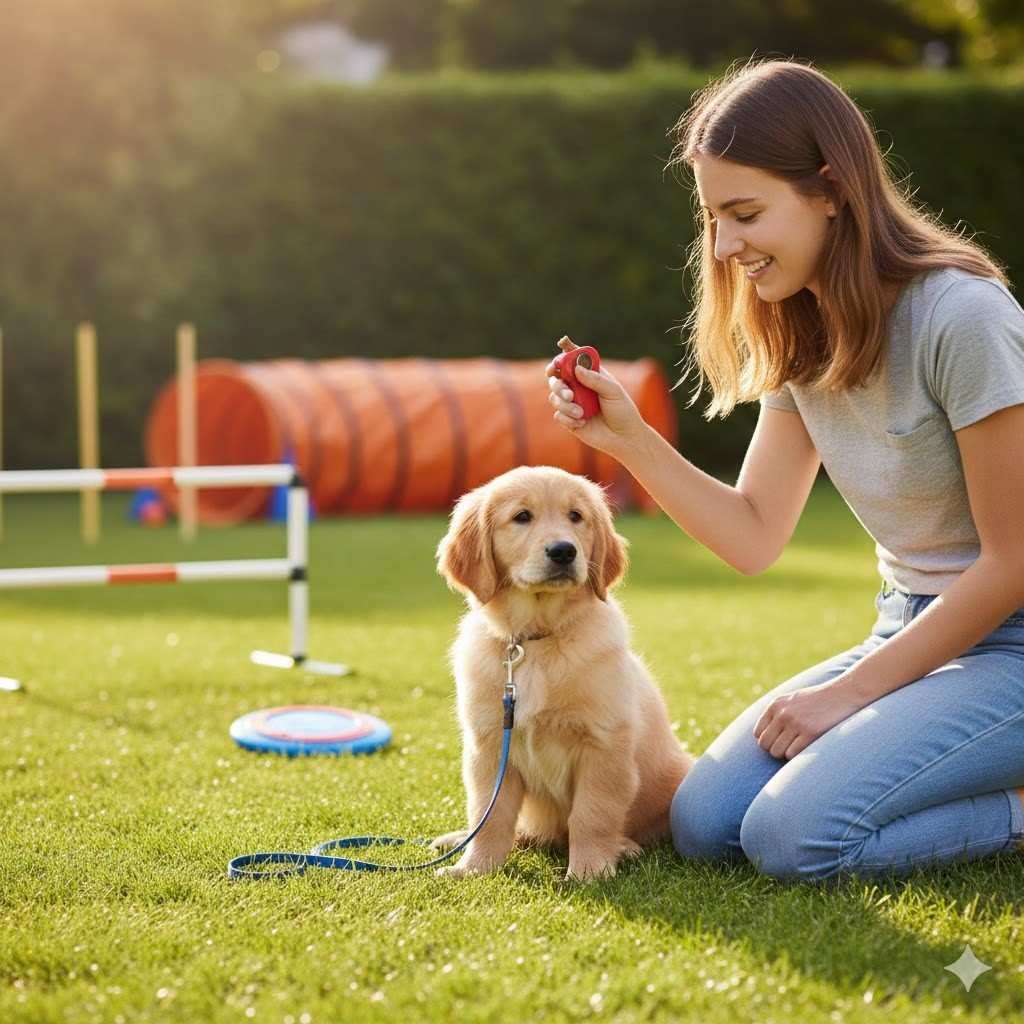
Bringing a puppy home is one of the most joyful moments in life. Those tiny paws, playful barks, and curious eyes can melt any heart. But along with the cuteness comes responsibility. Training a puppy is not just about teaching commands—it’s about shaping a lifelong bond and building good behavior from day one.
In recent years, puppy training has evolved dramatically. Traditional “sit and stay” methods are being replaced with science-backed, tech-friendly, and emotionally intelligent approaches. Pet parents today are searching for trending puppy training ideas that are gentle, effective, and fun.
This guide will walk you through everything—from basic obedience to the latest trends like app-based coaching, positive reinforcement games, and mental wellness for puppies.
Why Puppy Training Matters More Than Ever
A puppy’s brain develops rapidly during the first six months. What they learn in this phase becomes their lifelong personality. Without guidance, puppies may develop habits like:
- Excessive barking
- Chewing furniture
- Jumping on guests
- Anxiety and aggression
Training helps prevent these issues and creates:
- Better communication
- Stronger human-dog bonding
- Confidence in public spaces
- Mental stimulation
Modern pet owners no longer see training as punishment. It is now viewed as education, enrichment, and relationship building.
Top Trending Puppy Training Ideas in 2026
1. Positive Reinforcement Over Punishment
The biggest shift in puppy training culture is the move away from harsh corrections. Trending trainers focus on:
- Treat rewards
- Verbal praise
- Clicker training
- Play as motivation
This method teaches puppies to choose good behavior instead of fearing bad behavior.
2. Clicker Training – Small Tool, Big Results
A clicker is a tiny device that makes a “click” sound. It marks the exact moment your puppy does something right.
Why it’s trending:
- Clear communication
- Faster learning
- Works for all breeds
- Fun and engaging
Example:
Click → puppy sits → give treat → repeat.
3. App-Based Puppy Coaching
Technology has entered dog training! Popular apps now offer:
- Step-by-step lessons
- Behavior tracking
- Video demonstrations
- Virtual trainers
Pet parents love this because they can train anytime without expensive classes.
4. Socialization Playdates
Instead of strict obedience only, trainers now emphasize:
- Puppy meetups
- Exposure to sounds
- Car rides
- Visiting parks
This prevents fear and aggression later in life.
5. Mental Stimulation Training
Modern experts say:
“A tired puppy is not just physically tired, but mentally tired.”
Trending tools:
- Puzzle feeders
- Snuffle mats
- Hide-and-seek games
- Scent training
Step-by-Step Puppy Training Plan
Week 1 – Trust & Name Recognition
- Use the puppy’s name positively
- Hand-feed some meals
- Avoid shouting
- Start house routine
Goal: Puppy feels safe with you.
Week 2 – Potty Training Basics
- Take outside every 2 hours
- After meals
- After naps
- Use one potty word
Never punish accidents—clean and move on.
Week 3 – Core Commands
Teach:
- Sit
- Come
- Stay
- Leave it
Keep sessions 5 minutes only.
Week 4 – Leash & Crate Training
- Introduce leash indoors
- Reward calm walking
- Make crate cozy, not jail
Common Puppy Problems & Trending Solutions
1. Biting & Nipping
Modern fix:
- Redirect to toys
- Say “ouch” gently
- Stop play for 10 seconds
Never hit the puppy.
2. Excessive Barking
Trending method:
- Identify trigger
- Reward quiet
- Teach “speak” then “quiet”
3. Separation Anxiety
New-age approach:
- Short departures
- Calming music
- Snuggle toys
- No dramatic goodbyes
Best Tools Every New Puppy Parent Needs
- Clicker
- Treat pouch
- Adjustable leash
- Crate
- Chew toys
- Training bells
- Puzzle games
Breed-Specific Training Trends
Small Breeds
- Gentle handling
- Confidence building
- No rough play
Large Breeds
- Early leash control
- Jump prevention
- Impulse training
Working Breeds
- Advanced tasks
- Agility
- Brain games
The Role of Diet in Training
Trending research shows:
- High protein = better focus
- Avoid sugary treats
- Use tiny rewards
- Hydration affects behavior
Mistakes New Owners Make
❌ Training too long
❌ Using punishment
❌ Inconsistent rules
❌ Expecting adult behavior
❌ Skipping socialization
Fun Trending Training Games
- Treat Treasure Hunt
- Name Game
- Follow Me Challenge
- Toy Swap
- Obstacle Course at Home
Professional Training vs Home Training
Home Training Pros
- Affordable
- Bond building
- Flexible time
Professional Help Needed When:
- Aggression signs
- Extreme fear
- Biting humans
- No progress in 4 weeks
Puppy Training Schedule Example
Morning
- Potty
- 5-min training
- Breakfast
- Play
Afternoon
- Walk
- Social time
- Nap
Evening
- Short session
- Dinner
- Calm routine
Trending Philosophy: Train the Human First
Experts now say:
“There are no bad puppies, only confused owners.”
Learning body language, patience, and timing is key.
Realistic Expectations
- 8 weeks: basic name
- 12 weeks: sit & come
- 16 weeks: leash manners
- 6 months: reliability
Traveling With a Trained Puppy
Modern goals:
- Café manners
- Car calmness
- Friendly greetings
- Hotel behavior
Puppy Training on Budget
- Use homemade treats
- DIY toys
- YouTube trainers
- Community classes
Emotional Bond Building
Training is love language:
- Eye contact
- Gentle touch
- Routine
- Respect
When to Start Training?
Day one!
Even 8-week puppies can learn:
- Name
- Potty spot
- No biting
- Gentle play
Future of Puppy Training
Upcoming trends:
- AI dog cameras
- Smart collars
- Emotion tracking
- Online puppy schools
Conclusion
Puppy training in the modern world is no longer about dominance—it’s about friendship, science, and understanding. By using trending ideas like positive reinforcement, tech tools, and mental enrichment, you can raise not just an obedient dog but a confident family member.
Your puppy doesn’t need a perfect owner—just a patient, loving guide.
Frequently Asked Questions (FAQ)
1. What is the best age to start puppy training?
The ideal age is 8 weeks, as puppies learn fastest during this period. Basic habits like name recognition, potty training, and socialization should begin as soon as the puppy arrives home.
2. Which puppy training method is most effective?
Positive reinforcement is the most effective and trending method. Rewarding good behavior with treats, praise, or play builds trust and encourages puppies to repeat desired actions.
3. How long should puppy training sessions be?
Training sessions should be 5–10 minutes, 2–3 times a day. Puppies have short attention spans, so brief and fun sessions work best.
4. How do I stop my puppy from biting?
Use redirection—offer a toy instead of your hand, say “ouch,” and pause play for a few seconds. Never hit or shout, as it increases aggression.
5. Is crate training safe for puppies?
Yes. When done correctly, crate training provides a safe and comfortable space for puppies and helps with potty training and anxiety.
6. How long does it take to potty train a puppy?
Most puppies take 4–6 weeks with a consistent schedule, though full bladder control may take up to 4–5 months.
7. Are puppy training apps useful?
Yes, modern training apps offer step-by-step guidance, reminders, and video tutorials, making home training easier for new pet parents.
8. What treats are best for training?
Use small, low-calorie, high-protein treats like boiled chicken, carrots, or commercial training treats to keep your puppy healthy and motivated.
9. Can an older puppy still be trained?
Absolutely! Dogs of any age can learn new behaviors with patience and consistency.
10. When should I hire a professional trainer?
Seek professional help if your puppy shows aggression, extreme fear, separation anxiety, or doesn’t respond after several weeks of training.
11. How many commands should a puppy learn first?
Start with 4 core commands: Sit, Come, Stay, Leave it.
12. How important is socialization?
Very important—early exposure to people, sounds, and other pets prevents fear and behavioral problems later.
13. Should I punish my puppy for accidents?
No. Punishment creates fear. Instead, clean the area and reinforce outdoor potty habits.
14. How much exercise does a puppy need?
5 minutes of exercise per month of age, twice daily, is a safe rule.
15. What are trending puppy training tools?
Clickers, puzzle toys, snuffle mats, smart collars, and training apps are the most popular tools today.
Also Read :
Gen Z Health Guide 2026: How a New Generation Is Redefining Wellness