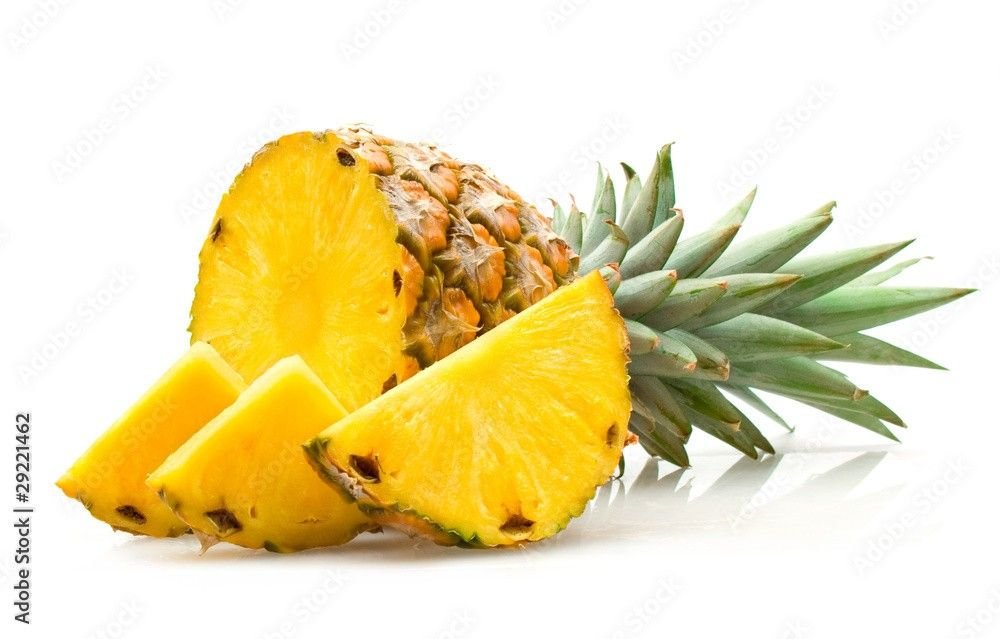
Pineapple is one of the most refreshing and delicious tropical fruits in the world. Known for its sweet taste, juicy texture, and vibrant yellow color, pineapple is more than just a tasty fruit — it’s packed with vitamins, antioxidants, and powerful plant compounds that support overall health.
Whether you enjoy pineapple fresh, blended into smoothies, grilled, or added to desserts, this tropical superfruit offers impressive health benefits for digestion, immunity, skin, and more.
In this complete guide, you’ll discover pineapple nutrition facts, benefits, side effects, recipes, FAQs, and the best ways to include pineapple in your diet.
What Is Pineapple?
Pineapple is a tropical fruit scientifically known as Ananas comosus. It is native to South America but is now grown in many tropical regions worldwide.
The fruit is famous for its:
- Sweet and tangy flavor
- High vitamin C content
- Refreshing juice
- Digestive enzymes
- Versatility in recipes
Pineapple can be eaten raw, cooked, grilled, juiced, or blended into smoothies and desserts.
Nutritional Value of Pineapple
Pineapple is low in calories but rich in nutrients.
Nutrition Per 100g of Pineapple
| Nutrient | Amount |
|---|---|
| Calories | 50 |
| Carbohydrates | 13g |
| Fiber | 1.4g |
| Protein | 0.5g |
| Vitamin C | 47.8mg |
| Manganese | 0.9mg |
| Potassium | 109mg |
| Magnesium | 12mg |
| Water Content | 86% |
Pineapple is especially known for containing bromelain, a group of digestive enzymes with unique health benefits.
21 Amazing Health Benefits of Pineapple
1. Boosts Immunity
Pineapple is rich in vitamin C, which helps strengthen the immune system and supports the body in fighting infections.
2. Improves Digestion
Pineapple contains bromelain, an enzyme that helps break down protein and supports healthy digestion.
3. Supports Weight Loss
Pineapple is naturally low in calories and high in water, making it a filling snack for weight management.
4. Rich in Antioxidants
The antioxidants in pineapple help protect cells from oxidative stress and free radical damage.
5. Supports Heart Health
Pineapple contains potassium and antioxidants that may help support healthy blood pressure and heart function.
6. Promotes Healthy Skin
Vitamin C helps collagen production, which may improve skin elasticity and reduce signs of aging.
7. Helps Reduce Inflammation
Bromelain may help reduce inflammation and swelling in the body.
8. Supports Bone Health
Manganese in pineapple plays an important role in maintaining strong bones.
9. Keeps the Body Hydrated
With high water content, pineapple helps keep the body refreshed and hydrated.
10. Improves Recovery After Exercise
Some athletes consume pineapple after workouts because bromelain may support muscle recovery.
11. Supports Eye Health
Pineapple contains antioxidants that may support healthy vision.
12. Helps Improve Gut Health
Fiber and digestive enzymes may support a healthier digestive system.
13. Supports Healthy Aging
The antioxidants in pineapple help combat oxidative stress associated with aging.
14. May Support Better Immunity During Cold Season
Vitamin C-rich foods like pineapple are commonly consumed during seasonal illness periods.
15. Provides Natural Energy
Natural fruit sugars provide a quick source of energy without processed ingredients.
16. Supports Healthy Hair
Vitamin C and antioxidants may help support healthier hair growth and scalp health.
17. May Help Reduce Bloating
Some people find pineapple helpful for reducing digestive discomfort after meals.
18. Supports Healthy Metabolism
Manganese helps support enzyme activity and metabolism.
19. May Help Support Joint Health
The anti-inflammatory properties of bromelain may support joint comfort.
20. Delicious Alternative to Sugary Desserts
Frozen pineapple chunks can satisfy sweet cravings naturally.
21. Supports Overall Wellness
Pineapple provides vitamins, minerals, hydration, and antioxidants that contribute to a balanced diet.
What Is Bromelain in Pineapple?
Bromelain is a natural enzyme found mainly in pineapple stem and fruit.
Potential Benefits of Bromelain
- Helps digest protein
- May reduce inflammation
- Supports recovery
- May help sinus discomfort
- Supports gut health
Bromelain is one reason pineapple is often considered a functional superfruit.
Different Types of Pineapple
1. Smooth Cayenne
Commonly used for juice and canned pineapple.
2. Queen Pineapple
Sweeter and more aromatic.
3. Red Spanish
Known for firm flesh and strong flavor.
4. Sugarloaf Pineapple
Extra sweet with low acidity.
5. Baby Pineapple
Small, sweet, and often used in desserts.
Best Time to Eat Pineapple

Morning
Provides natural energy and hydration.
Before Workout
Natural carbohydrates can support energy levels.
After Meals
Digestive enzymes may support digestion.
Afternoon Snack
A refreshing and healthy snack option.
How to Eat Pineapple
Pineapple is incredibly versatile and easy to include in your diet.
Popular Ways to Eat Pineapple
- Fresh slices
- Pineapple smoothies
- Fruit salads
- Pineapple juice
- Grilled pineapple
- Frozen pineapple bites
- Yogurt bowls
- Tropical desserts
Easy Pineapple Recipes
1. Pineapple Smoothie
Ingredients
- 1 cup pineapple chunks
- 1 banana
- 1 cup coconut water
- Ice cubes
Blend until smooth and serve chilled.
2. Pineapple Salsa
Ingredients
- Chopped pineapple
- Onion
- Tomato
- Cilantro
- Lemon juice
Mix together and serve with grilled foods.
3. Grilled Pineapple
Grill pineapple slices for a naturally caramelized dessert.
Pineapple for Weight Loss
Pineapple can support weight management because it is:
- Low in calories
- High in water
- Naturally sweet
- Refreshing and filling
Replacing sugary snacks with fresh pineapple may support healthier eating habits.
Is Pineapple Good for Skin?
Pineapple contains vitamin C and antioxidants that may support healthy skin.
Potential Skin Benefits
- Supports collagen production
- Helps brighten skin
- May reduce dullness
- Supports hydration
Some skincare products even use pineapple enzymes for exfoliation.
Pineapple Juice Benefits
Fresh pineapple juice is popular around the world.
Benefits of Pineapple Juice
- Refreshing hydration
- Rich in vitamin C
- Easy digestion
- Natural energy source
Choose fresh juice without added sugar whenever possible.
Side Effects of Pineapple
Although pineapple is healthy, excessive intake may cause side effects in some individuals.
Possible Side Effects
- Mouth irritation
- Acid reflux
- Digestive discomfort
- Allergic reactions in rare cases
The natural acidity and bromelain may irritate sensitive mouths when consumed excessively.
Who Should Be Careful?
Some people may need to consume pineapple in moderation.
- Individuals with acid reflux
- People allergic to pineapple
- Those with sensitive digestion
- Individuals advised to limit acidic foods
If you have health concerns, consult a healthcare professional.
Pineapple vs Other Fruits
| Fruit | Main Benefit |
|---|---|
| Pineapple | Bromelain enzymes |
| Orange | Vitamin C |
| Banana | Potassium |
| Mango | Vitamin A |
| Watermelon | Hydration |
Pineapple stands out for its digestive enzyme content and tropical flavor.
How to Choose a Good Pineapple
Choose pineapples that:
- Smell sweet at the base
- Feel slightly soft
- Have green healthy leaves
- Feel heavy for their size
Avoid fruits with mold or fermented smells.
How to Store Pineapple
Whole Pineapple
Store at room temperature for 1–2 days.
Cut Pineapple
Refrigerate in an airtight container.
Frozen Pineapple
Perfect for smoothies and desserts.
Fun Facts About Pineapple
- Pineapple is not a single fruit but a group of fused berries.
- It takes nearly 2 years for one pineapple to grow.
- Pineapple was once considered a luxury fruit.
- Hawaii is famous for pineapple farming.
- Pineapple plants only produce one fruit at a time.
Frequently Asked Questions (FAQs)
Is pineapple good for daily eating?
Yes, moderate daily consumption can be part of a healthy diet.
Does pineapple help digestion?
Yes, bromelain may support digestion.
Is pineapple good for weight loss?
Pineapple is low in calories and may support healthy snacking habits.
Can diabetics eat pineapple?
Yes, in moderation and with portion control.
Why does pineapple burn the tongue?
Bromelain and acidity may temporarily irritate the mouth.
Is pineapple high in sugar?
Pineapple contains natural fruit sugars but also provides nutrients and fiber.
Is pineapple juice healthy?
Fresh pineapple juice without added sugar can be nutritious.
Can pineapple improve skin?
Vitamin C may support collagen and skin health.
Can you eat pineapple at night?
Yes, though some people with acid reflux may prefer avoiding acidic fruits late at night.
Is canned pineapple healthy?
Fresh pineapple is usually healthier because canned versions may contain added sugar.
Final Thoughts
Pineapple is a delicious tropical fruit packed with vitamin C, antioxidants, hydration, and digestive enzymes. From supporting digestion and immunity to promoting healthy skin and recovery, pineapple offers a wide range of health benefits.
Its sweet taste and versatility make it easy to enjoy in smoothies, salads, juices, and healthy desserts. When eaten in moderation as part of a balanced diet, pineapple can be a refreshing and nutritious addition to your lifestyle.
If you’re looking for a naturally sweet fruit that combines flavor and nutrition, pineapple is definitely worth adding to your daily routine.
Also read:
Guava: 21 Amazing Health Benefits, Nutrition Facts & Side Effects