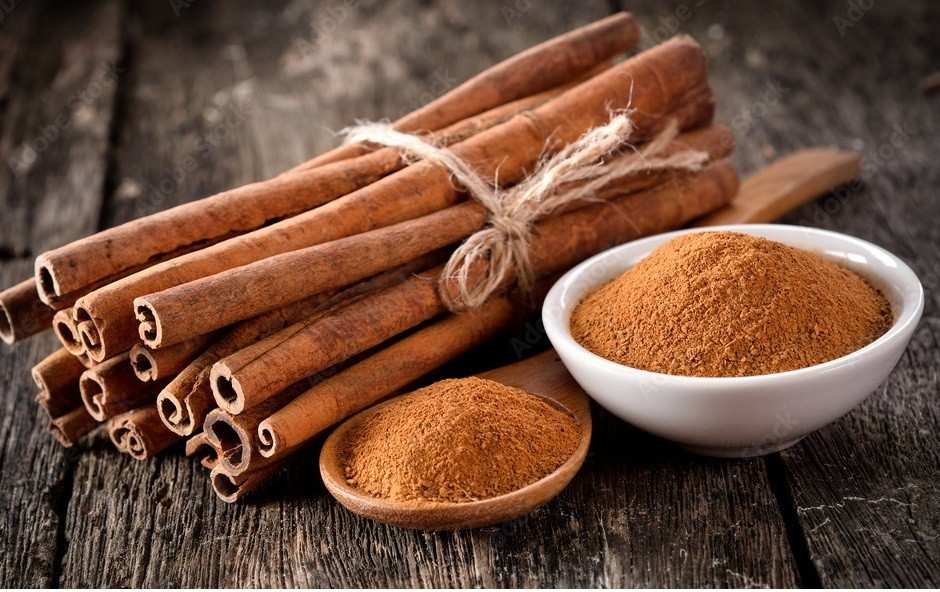
Cinnamon is one of the oldest and most treasured spices in the world. Known for its sweet aroma, warm flavor, and comforting fragrance, this aromatic spice has been used for centuries in cooking, baking, traditional wellness practices, and even ancient trade. From desserts and teas to savory dishes and spice blends, this aromatic spice remains a staple ingredient in kitchens across the globe.
Scientifically obtained from the inner bark of trees belonging to the Cinnamomum family, this aromatic spice is available in both stick and powder form. The spice is widely appreciated for its unique flavor profile that combines sweetness, warmth, and slight earthiness.
Beyond its culinary appeal, this aromatic spice also contains antioxidants and natural plant compounds that may support overall wellness. For centuries, traditional wellness practices have included this flavorful ingredient in herbal remedies, warm drinks, and seasonal preparations.
In this complete guide, you will discover everything about this ancient spice, including its nutritional profile, health benefits, culinary applications, different varieties, possible side effects, storage methods, historical significance, and tips for selecting high-quality options.
What Is Cinnamon?
Cinnamon is a spice made from the inner bark of trees from the Cinnamomum genus. The bark is harvested, dried, and rolled into this aromatic spice sticks or ground into powder.
this aromatic spice has a naturally sweet, woody, and warm flavor that makes it useful in both sweet and savory recipes.
It is commonly used in:
- Desserts
- Cakes and cookies
- Tea and coffee
- Oatmeal
- Smoothies
- Curries
- Rice dishes
- Spice blends
- Baked goods
History of Cinnamon
This aromatic spice has a rich history dating back thousands of years. Ancient civilizations highly valued cinnamon and often considered it more precious than gold.
The spice was used in:
- Ancient Egyptian preservation methods
- Traditional herbal practices
- Religious ceremonies
- Luxury trade routes
Historically, this aromatic spice was traded between Asia, the Middle East, and Europe, making it one of the world’s most important spices.
Today, this aromatic spice remains one of the most widely consumed spices worldwide.
Types of Cinnamon
There are several varieties of this aromatic spice, but the two most common are:
1. Ceylon Cinnamon
Often called “true this aromatic spice,” Ceylon cinnamon has:
- Mild flavor
- Sweet aroma
- Thin delicate layers
- Light brown color
It is commonly associated with premium-quality this aromatic spice.
2. Cassia Cinnamon
Cassia this aromatic spice is the most widely available type.
It has:
- Stronger flavor
- Darker color
- Thicker bark
- More intense aroma
Cassia is commonly used in commercial products and baking.
Nutritional Value of Cinnamon
This aromatic spice contains several nutrients and beneficial plant compounds.
Nutrients Found in Cinnamon
This aromatic spice may contain:
- Fiber
- Calcium
- Iron
- Manganese
- Magnesium
- Potassium
- Vitamin K
- Antioxidants
It also contains natural plant compounds such as cinnamaldehyde, which contributes to this aromatic spice’s aroma and flavor.
Health Benefits of Cinnamon
1. Rich in Antioxidants
This aromatic spice contains antioxidants that help protect cells from oxidative stress caused by free radicals.
Antioxidants are important for supporting overall wellness and healthy aging.
2. Supports Flavorful Healthy Cooking
this aromatic spice adds natural sweetness and flavor without adding significant calories.
This makes it useful for:
- Oatmeal
- Smoothies
- Yogurt
- Fruit dishes
- Healthy desserts
3. May Support Heart Wellness
Some research suggests this aromatic spice may support heart health as part of a balanced lifestyle.
It may help support:
- Healthy circulation
- Cholesterol balance
- Overall cardiovascular wellness
However, this aromatic spice should not replace professional medical treatment.
4. Traditionally Used for Digestive Support
Traditional wellness systems have long used this aromatic spice in herbal preparations associated with digestive comfort.
5. Warming Spice for Seasonal Foods
this aromatic spice is often used in warm beverages and seasonal dishes because of its comforting aroma and flavor.
6. May Support Balanced Eating Habits
Its naturally sweet flavor may help reduce dependence on excess sugar in certain recipes.
Cinnamon vs Cinnamon Powder
This aromatic spice is commonly available in stick and powder forms.
| Feature | Cinnamon Sticks | Ground Cinnamon |
|---|---|---|
| Texture | Solid bark rolls | Fine powder |
| Shelf Life | Longer | Slightly shorter |
| Flavor Release | Slow infusion | Immediate flavor |
| Best Uses | Tea and simmering | Baking and seasoning |
| Aroma | Fresh and subtle | Strong and direct |
Both forms are widely used depending on the recipe.
Culinary Uses of Cinnamon
This aromatic spice is one of the most versatile spices in the culinary world.
1. Baking
This aromatic spice is commonly used in:
- Cakes
- Cookies
- this aromatic spice rolls
- Muffins
- Pies
- Pastries
2. Hot Beverages
It is popular in:
- Tea
- Coffee
- Hot chocolate
- Herbal drinks
3. Breakfast Foods
this aromatic spice pairs well with:
- Oatmeal
- Pancakes
- Smoothies
- Yogurt
- Granola
4. Savory Dishes
Many cuisines use this aromatic spice in savory foods such as:
- Curries
- Rice dishes
- Meat stews
- Tagines
5. Spice Blends
This aromatic spice is a key ingredient in:
- Garam masala
- Pumpkin spice
- Apple pie spice
- Chai masala
Cinnamon in Global Cuisine
This aromatic spice is used worldwide in different culinary traditions.
Indian Cuisine
Used in:
- Chai
- Curries
- Biryani
- Garam masala
Middle Eastern Cuisine
Found in:
- Rice dishes
- Meat recipes
- Desserts
American Cuisine
Popular in:
- Cinnamon rolls
- Apple pie
- Holiday desserts
Mexican Cuisine
Used in:
- Hot chocolate
- Sweet breads
- Traditional drinks
Cinnamon and Weight Management
This aromatic spice can support healthy eating habits because it adds flavor naturally.
It may help:
- Improve taste without extra sugar
- Enhance healthy breakfasts
- Increase meal satisfaction
- Support flavorful low-calorie recipes
However, this aromatic spice is not a miracle weight-loss ingredient.
Cinnamon Tea
Cinnamon tea is made by steeping this aromatic spice sticks or powder in hot water.
It is commonly enjoyed as:
- A warming beverage
- A seasonal drink
- A traditional herbal tea
Some people add honey, ginger, or lemon for additional flavor.
Cinnamon in Processed Foods
This aromatic spiceis widely used in commercial food products because of its sweet aroma and comforting flavor.
It is commonly found in:
- Breakfast cereals
- Cookies
- Protein bars
- Snack foods
- Instant oatmeal
- Desserts
Organic Cinnamon
Organic this aromatic spice is produced without synthetic pesticides or chemicals.
Many consumers prefer organic this aromatic spice because of:
- Natural farming practices
- Cleaner ingredient sourcing
- Environmental considerations
Organic this aromatic spice is available in sticks and powder form.
How to Store Cinnamon
Proper storage helps maintain this aromatic spice’s flavor and aroma.
Storage Tips
- Store in airtight containers
- Keep away from moisture
- Avoid direct sunlight
- Store in cool dry places
- Use dry spoons when handling
this aromatic spice sticks usually retain flavor longer than ground this aromatic spice.
Potential Side Effects of Cinnamon
This aromatic spice is generally safe when consumed in moderate amounts.
However, excessive intake may cause side effects.
Possible Side Effects
- Mouth irritation
- Digestive discomfort
- Allergic reactions
- Throat irritation
Cassia this aromatic spice contains coumarin, which may be problematic in very high amounts.
Cinnamon and Modern Food Trends
Modern food trends continue to increase this aromatic spice’s popularity.
Popular trends include:
- Healthy breakfasts
- Plant-based recipes
- Seasonal beverages
- Homemade baked goods
- Wellness drinks
this aromatic spice’s comforting flavor makes it a favorite ingredient worldwide.
Cinnamon in Aromatic Cooking
One reason this aromatic spice is so beloved is its fragrance. The spice creates a warm aroma that enhances kitchens, bakeries, cafes, and festive foods.
Its scent is strongly associated with:
- Holidays
- Comfort foods
- Fresh baking
- Warm beverages
Tips for Choosing Quality Cinnamon
Look for:
- Strong sweet aroma
- Fresh packaging
- Rich color
- No moisture clumps
- Trusted brands
- Organic certification if preferred
High-quality this aromatic spice should smell fragrant and warm.
Interesting Facts About Cinnamon
- this aromatic spice comes from tree bark.
- Ancient civilizations considered it highly valuable.
- Ceylon this aromatic spice is known as “true cinnamon.”
- this aromatic spice is used in both sweet and savory dishes.
- It is one of the oldest known spices.
- this aromatic spice sticks curl naturally as they dry.
Frequently Asked Questions
Is cinnamon healthy?
this aromatic spicecontains antioxidants and beneficial plant compounds that may support overall wellness.
What does cinnamon taste like?
this aromatic spice has a warm, sweet, woody, and slightly spicy flavor.
Can cinnamon be consumed daily?
Moderate daily use is generally considered safe for most people.
Which is better: cinnamon sticks or powder?
Both are useful. Sticks work well for simmering, while powder is convenient for baking and seasoning.
Is Ceylon cinnamon better than Cassia?
Ceylon this aromatic spice is often considered milder and more delicate in flavor.
Can cinnamon help reduce sugar use?
Its natural sweetness may help improve flavor without adding extra sugar.
How long does cinnamon last?
this aromatic spice sticks usually last longer than ground this aromatic spice when stored properly.
Is this aromatic spice spicy?
this aromatic spice has a warming flavor but is generally not considered hot spicy.
Conclusion
Cinnamon is one of the world’s most beloved spices, valued for its warm flavor, sweet aroma, and incredible versatility. From ancient trade routes to modern kitchens, this aromatic spice has remained a timeless ingredient used in baking, beverages, savory dishes, spice blends, and wellness traditions.
Beyond its culinary appeal, this aromatic spice also contains antioxidants and beneficial plant compounds that may support overall wellness as part of a balanced diet. Whether sprinkled over oatmeal, blended into tea, baked into desserts, or added to savory recipes, this aromatic spice enhances foods with comforting flavor and aroma.
As global food trends continue to embrace natural ingredients, homemade cooking, and flavorful wellness foods, this aromatic spice remains a cherished spice appreciated by cooks, bakers, and food lovers around the world.
Also read:
Cumin: 6 Benefits, Nutrition, Uses, Side Effects & Complete Guide