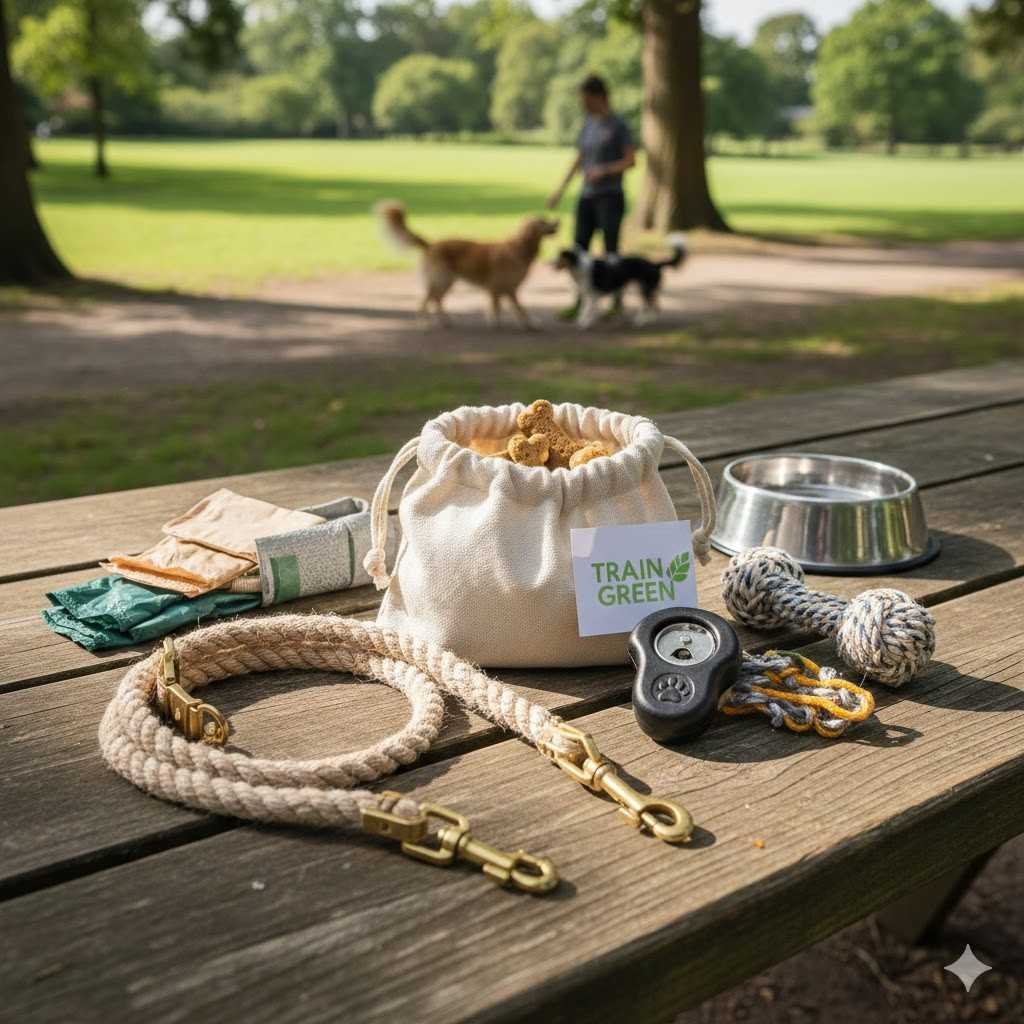
As the world becomes more environmentally conscious, dog owners are also seeking ways to train their pets sustainably. Traditional training tools—plastic clickers, synthetic leashes, and non-recyclable toys—can contribute to environmental waste. Eco-friendly dog training tools offer a solution, combining effective dog training with sustainability.
In this guide, we explore the best eco-friendly tools, their benefits, and practical tips for responsible pet training.
Why Eco-Friendly Dog Training Matters
Dog ownership is rewarding, but it can have environmental impacts. Many common dog products—leashes, collars, toys, and treats—are made from plastics, synthetic fabrics, or non-biodegradable materials. When discarded, they contribute to landfill waste and microplastic pollution.
Eco-friendly dog training tools are:
- Made from biodegradable, recycled, or sustainable materials
- Durable and reusable
- Safe for dogs and the planet
By choosing eco-friendly tools, you not only train your dog effectively but also support environmental responsibility.
Key Principles of Eco-Friendly Dog Training
1. Sustainability
Opt for tools made from recycled or renewable materials. Bamboo, natural rubber, hemp, and organic cotton are excellent alternatives to plastic.
2. Durability
A long-lasting training tool reduces waste. Investing in high-quality eco-friendly products ensures fewer replacements and less environmental impact.
3. Non-Toxic Materials
Eco-friendly tools are often free from harmful chemicals like BPA, phthalates, or synthetic dyes. This ensures the health and safety of your dog.
4. Minimal Packaging
Look for products with recyclable or compostable packaging. Some brands even offer zero-waste shipping options.
Eco-Friendly Dog Training Tools
Here are some essential tools you can switch to for a greener training routine.
1. Eco-Friendly Clickers
Clickers are essential for positive reinforcement training. Traditional plastic clickers can be replaced with:
- Recycled plastic clickers
- Wooden clickers with non-toxic paint or finish
- Metal clickers made from aluminum or stainless steel
These options are durable and reduce plastic waste while maintaining the precision needed for effective training.
2. Sustainable Leashes and Collars
Leashes and collars are everyday essentials, often made from nylon or synthetic leather. Eco-friendly alternatives include:
- Hemp leashes and collars: Strong, durable, and biodegradable
- Organic cotton leashes: Soft on hands and environmentally safe
- Recycled materials: Some brands use repurposed plastic bottles or old fishing nets
When choosing, ensure they are comfortable for your dog and adjustable for safety.
3. Biodegradable Poop Bags
While not strictly training tools, eco-friendly poop bags are part of responsible dog ownership. Options include:
- Compostable bags made from cornstarch
- Plant-based bags certified biodegradable
- Recycled paper options for short walks
These bags break down faster in the environment and reduce plastic pollution.
4. Non-Toxic Training Treats
Rewards are critical for positive reinforcement. Choose treats that are:
- Made from organic, locally sourced ingredients
- Packaged in recyclable or compostable containers
- Free from artificial preservatives, colors, or flavors
High-quality treats ensure healthier dogs and a smaller ecological footprint.
5. Eco-Friendly Toys for Training
Training often involves play-based rewards. Sustainable toys include:
- Natural rubber balls and chew toys
- Hemp or cotton tug toys
- Wooden puzzle toys for mental stimulation
Avoid toys with microplastics or synthetic fillers, which can be harmful when ingested.
6. Training Mats and Pads
If you use mats for indoor training or potty training:
- Opt for recycled or natural fiber mats
- Bamboo mats are durable and biodegradable
- Avoid synthetic, single-use pads whenever possible
Benefits of Using Eco-Friendly Training Tools
1. Environmentally Responsible
By choosing sustainable tools, you reduce plastic waste and chemical pollution.
2. Healthier for Your Dog
Non-toxic materials prevent skin irritation, ingestion of harmful chemicals, and allergic reactions.
3. Long-Term Savings
Durable, eco-friendly products last longer, reducing the need for frequent replacements.
4. Positive Example
Choosing eco-friendly tools sets a conscious example for other pet owners, encouraging wider adoption.
Tips for Eco-Friendly Dog Training
1. Buy Only What You Need
Avoid over-purchasing tools and toys. Quality over quantity ensures less waste.
2. Repurpose and Reuse
Old t-shirts, towels, or ropes can be repurposed as tug toys or training aids.
3. Support Ethical Brands
Choose companies that:
- Use sustainable materials
- Follow fair labor practices
- Offer recycling or trade-in programs
4. DIY Training Tools
Many training tools can be made at home:
- Homemade clickers using small metal pieces
- Tug toys from old ropes or fabrics
- Treat puzzles from recycled boxes
This reduces cost and waste while keeping training creative.
Popular Eco-Friendly Dog Training Brands
Some brands stand out for their commitment to sustainability:
- Earth Rated: Compostable poop bags and eco-friendly leashes
- West Paw: Durable toys made from recycled and non-toxic materials
- Planet Dog: Biodegradable chew toys and sustainable training tools
- HempHound: Hemp collars and leashes
These brands combine quality, durability, and eco-conscious production.
Integrating Sustainability Into Daily Training
1. Reward-Based Training
Use natural treats, praise, and play to reinforce positive behaviors. Avoid disposable or single-use items.
2. Outdoor Training
Bring reusable water bottles, biodegradable poop bags, and hemp leashes when training outdoors.
3. Indoor Training
Use eco-friendly mats, reusable toys, and sustainable clickers to create a green indoor training environment.
4. Educate Others
Share tips with friends, family, or social media followers about eco-friendly dog training. Advocacy helps the movement grow.
The Future of Eco-Friendly Dog Training
As environmental awareness grows, sustainable pet products will become standard. Future trends may include:
- Biodegradable smart collars
- Plant-based treat dispensers
- Training apps integrated with sustainable pet products
- Widespread adoption of zero-waste packaging in pet products
Eco-friendly dog training is not just a trend—it’s part of a broader shift toward responsible pet ownership.
Common Questions About Eco-Friendly Dog Training Tools
1. Are eco-friendly tools as effective as traditional tools?
Yes. Eco-friendly tools provide the same training results while reducing environmental impact.
2. Are biodegradable poop bags strong enough?
Modern compostable bags are durable, leak-resistant, and can handle all sizes of dogs.
3. Can I use homemade training tools?
Absolutely! Many household items like old ropes, boxes, or cloth can be repurposed for safe training.
4. Are eco-friendly treats safe for all dogs?
Yes, but always check ingredients for allergies or sensitivities. Organic treats are generally safer than highly processed options.
5. Where can I buy eco-friendly training tools?
Specialty pet stores, online marketplaces, and brands like Earth Rated, West Paw, Planet Dog, and HempHound offer a wide selection.
Final Thoughts
Eco-friendly dog training tools allow you to train responsibly while protecting the planet. By switching to sustainable leashes, collars, clickers, toys, and treats, you contribute to a healthier environment and happier pets.
Training your dog effectively doesn’t have to harm the earth. With the right tools, creativity, and consistency, you can combine positive reinforcement, ethical choices, and eco-conscious living into your daily routine.
Also Read :