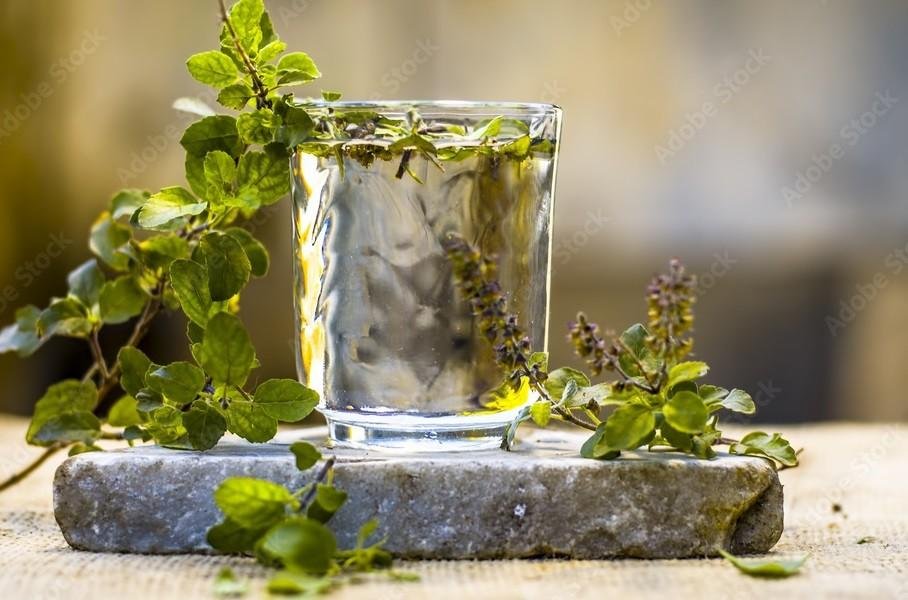
Tulsi Water has become one of the most popular herbal wellness drinks in natural health and Ayurvedic traditions. Made by soaking or boiling Tulsi leaves in water, this aromatic herbal drink is widely consumed for immunity support, hydration, respiratory wellness, and overall health.
Tulsi, also known as Holy Basil, holds an important place in traditional Indian wellness systems and has been valued for centuries because of its medicinal and spiritual significance. Today, Holy Basil Water continues gaining popularity among wellness enthusiasts, herbal remedy users, and people looking for simple home-based immunity-supporting drinks.
Supporters of Holy Basil Water claim it may help support immunity, digestion, stress management, respiratory comfort, hydration, and overall wellness. Because of increasing interest in natural health remedies and herbal beverages, Tulsi Water has become a trending wellness drink across the world.
But what exactly is Holy Basil Water? How is it prepared? What are its possible benefits and side effects? And is there scientific evidence supporting its traditional use?
In this complete guide, you will learn everything about Holy Basil Water for immunity, including its nutrition, preparation methods, potential benefits, side effects, myths, uses, and why it remains one of the most respected herbal drinks in wellness culture.
What Is Tulsi Water?
Tulsi Water is a herbal drink made by soaking or boiling Tulsi leaves in water. The water absorbs natural compounds, antioxidants, aroma, and plant nutrients from the leaves.
Tulsi is scientifically known as Ocimum tenuiflorum or Ocimum sanctum and belongs to the basil family.
Holy Basil Water is commonly used in:
- Ayurvedic wellness practices
- Herbal teas
- Morning wellness routines
- Immunity-support drinks
- Natural home remedies
Tulsi Water is also called:
- Holy Basil Water
- Tulsi herbal water
- Tulsi tea water
- Basil wellness drink
Nutritional Components of Tulsi
Tulsi contains several natural compounds and nutrients that contribute to its popularity in wellness routines.
Key Compounds in Tulsi
- Antioxidants
- Essential oils
- Eugenol
- Flavonoids
- Vitamin A
- Vitamin C
- Calcium
- Iron
- Plant compounds
Tulsi is especially known for its antioxidant and adaptogenic properties.
How to Make Tulsi Water
Holy Basil Water is easy to prepare at home.
Basic Tulsi Water Recipe
Ingredients
- 8–10 fresh Tulsi leaves
- 1 glass water
Soaking Method
- Wash Tulsi leaves thoroughly.
- Add leaves to water.
- Soak overnight.
- Drink in the morning.
Boiling Method
- Boil water with Tulsi leaves for 5–10 minutes.
- Let it cool slightly.
- Strain and drink warm.
What Does Tulsi Water Taste Like?
Holy Basil Water has a fresh, herbal, slightly peppery, and mildly sweet flavor.
Some people add:
- Honey
- Ginger
- Lemon
- Cinnamon
to improve the taste and create herbal wellness drinks.
Best Time to Drink Tulsi Water
Many people prefer drinking Holy Basil Water:
- Early morning
- During cold weather
- Before breakfast
- Before bedtime
Morning consumption is especially popular in Ayurvedic wellness routines.
Tulsi Water Benefits for Immunity
Holy Basil Water is associated with several possible immunity-supporting benefits.
1. Rich in Antioxidants
Tulsi contains antioxidant compounds that may help protect the body from oxidative stress caused by free radicals.
Antioxidants play an important role in overall wellness and immune system support.
2. May Support Immune Function
Tulsi is widely used in traditional wellness systems for immunity support.
Its natural plant compounds may help support normal immune system function when combined with healthy lifestyle habits.
3. May Support Respiratory Wellness
Holy Basil Water is commonly consumed during seasonal weather changes and cold weather.
Some people use it to support:
- Throat comfort
- Respiratory wellness
- Breathing comfort
Warm Tulsi drinks remain popular in traditional home remedies.
4. May Help Maintain Hydration
Holy Basil Water contributes to daily fluid intake and hydration.
Proper hydration supports:
- Energy levels
- Digestion
- Circulation
- Immune function
5. May Support Stress Management
Tulsi is often described as an adaptogenic herb in traditional wellness systems.
Some people believe it may help support the body’s natural stress response.
6. May Support Digestion
Holy Basil Water has traditionally been used to support digestive comfort.
Some people drink it to help with:
- Bloating
- Mild indigestion
- Stomach heaviness
7. May Support Healthy Skin
Hydration and antioxidants are important for healthy-looking skin.
Some people believe Holy Basil Water may support:
- Skin freshness
- Healthy appearance
- Skin hydration
8. May Support Energy Levels
Staying hydrated and maintaining healthy wellness habits may help support normal energy levels throughout the day.
9. May Support Oral Health
Tulsi has long been associated with oral wellness in traditional practices.
Some people consume Holy Basil Water for:
- Fresh breath
- Oral cleanliness
- Gum comfort
10. May Support Detox Routines
Holy Basil Water is commonly included in detox-style wellness routines because it is:
- Hydrating
- Low calorie
- Herbal
- Refreshing
However, the body naturally detoxifies itself through the liver and kidneys.
11. May Support Healthy Metabolism
Some people believe Holy Basil Water may help support metabolism because of its natural compounds and warming properties.
Scientific evidence remains limited.
12. May Support Heart Health
Researchers continue studying Tulsi for its potential influence on cardiovascular wellness because of its antioxidant content.
More human studies are still needed.
13. May Support Healthy Blood Sugar Balance
Some preliminary research suggests Tulsi may support healthy glucose metabolism.
People with diabetes should consult healthcare professionals before regular use.
14. May Support Relaxation
Warm Holy Basil Water is often consumed in calming evening routines because of its soothing herbal aroma.
15. Popular in Ayurvedic Wellness
Tulsi holds special importance in Ayurveda and is considered one of the most respected herbs in traditional Indian wellness systems.
Tulsi Water for Respiratory Health
Holy Basil Water is especially popular during seasonal changes and cold weather.
Many people drink it to support:
- Throat comfort
- Respiratory wellness
- Warm herbal hydration
Some also combine Tulsi with:
- Ginger
- Honey
- Black pepper
for traditional herbal drinks.
Tulsi Water for Stress and Relaxation
Tulsi is often associated with calming and balancing wellness practices.
Some people include Holy Basil Water in routines focused on:
- Relaxation
- Mental wellness
- Daily balance
Herbal drinks are commonly used in mindful wellness habits.
Tulsi Water for Digestion
Warm Holy Basil Water is traditionally consumed after meals or early in the morning for digestive comfort.
Potential digestive-supporting properties include:
- Reduced bloating
- Better hydration
- Digestive relaxation
Tulsi Water for Skin
Some individuals consume Holy Basil Water because of its antioxidant and hydration properties.
Potential claims include:
- Healthier-looking skin
- Reduced dullness
- Skin freshness
Scientific evidence remains limited.
Side Effects of Tulsi Water
Holy Basil Water is generally considered safe in moderate amounts for most healthy individuals.
However, excessive intake may cause side effects.
Possible Side Effects
1. Digestive Discomfort
Large amounts may cause:
- Stomach irritation
- Nausea
- Digestive discomfort
2. Blood Sugar Effects
Tulsi may influence blood sugar levels in some individuals.
People taking diabetes medications should use caution.
3. Blood-Thinning Concerns
Tulsi may affect blood clotting in excessive amounts.
Individuals taking blood-thinning medications should consult healthcare professionals.
4. Allergic Reactions
Some people may be allergic to basil-family plants.
Who Should Be Careful?
Certain individuals should consult healthcare professionals before regular use:
- Pregnant individuals
- People taking medications
- Individuals with allergies
- People with chronic medical conditions
Myths About Tulsi Water
Myth 1: Tulsi Water Prevents All Illnesses
Holy Basil Water may support wellness, but it is not a guaranteed protection against illness.
Myth 2: More Tulsi Means Better Results
Excessive intake may increase side effects.
Moderation is important.
Myth 3: Herbal Drinks Replace Healthy Lifestyles
Balanced nutrition, exercise, sleep, and hydration remain essential.
Myth 4: Tulsi Water Works Instantly
Natural wellness habits usually require consistency and balance.
Different Ways to Use Tulsi Water
People consume Holy Basil Water in different forms.
Popular Variations
- Ginger Tulsi Water
- Lemon Tulsi Water
- Honey Tulsi Tea
- Cinnamon Tulsi Drink
- Herbal Tulsi Detox Water
These combinations are popular in herbal wellness communities.
Can You Drink Tulsi Water Daily?
Many people drink Tulsi Water daily in moderate amounts.
However:
- Balance is important
- Excessive intake is unnecessary
- Herbal drinks should complement healthy diets
Scientific Research on Tulsi
Researchers continue studying Tulsi in areas such as:
- Antioxidant activity
- Stress management
- Immune support
- Respiratory wellness
- Blood sugar support
Although findings are promising, more large-scale human studies are still needed.
Is Tulsi Water Worth Trying?
Tulsi Water remains popular because it is:
- Affordable
- Easy to prepare
- Traditional
- Herbal
- Hydrating
For many people, it can be a simple addition to healthy hydration and wellness routines.
FAQs
What is Tulsi Water?
Tulsi Water is a herbal drink made by soaking or boiling Tulsi leaves in water. It is commonly consumed in Ayurvedic and natural wellness routines because of its refreshing flavor and potential health-supporting properties.
What are the benefits of Tulsi Water?
Tulsi Water may support immunity, hydration, digestion, respiratory wellness, and overall health. Many people also include it in daily wellness routines because of its antioxidant and herbal properties.
Can Tulsi Water help immunity?
Tulsi contains antioxidants and herbal compounds traditionally associated with immune support. Drinking Tulsi Water may help support overall wellness when combined with healthy lifestyle habits.
Is Tulsi Water safe daily?
Moderate intake of Tulsi Water is generally considered safe for most healthy individuals. Drinking it in balanced amounts is usually well tolerated.
Does Tulsi Water have side effects?
Possible side effects include digestive discomfort, allergic reactions, and blood sugar effects in sensitive individuals. Excessive intake may also interact with certain medications.
What is the best time to drink Tulsi Water?
Many people prefer drinking Tulsi Water in the morning on an empty stomach or during cold weather as part of their wellness routine.
Can diabetics drink Tulsi Water?
Some studies suggest Tulsi may support healthy blood sugar balance. However, people with diabetes should consult healthcare professionals before regularly consuming Tulsi Water.
Does Tulsi Water taste bitter?
Tulsi Water has a fresh herbal flavor with mildly peppery, slightly sweet, and earthy notes. Some people add honey, ginger, or lemon to improve the taste.
Also read:
Clove Water: 15 Benefits, Uses, Side Effects & Nutrition Guide