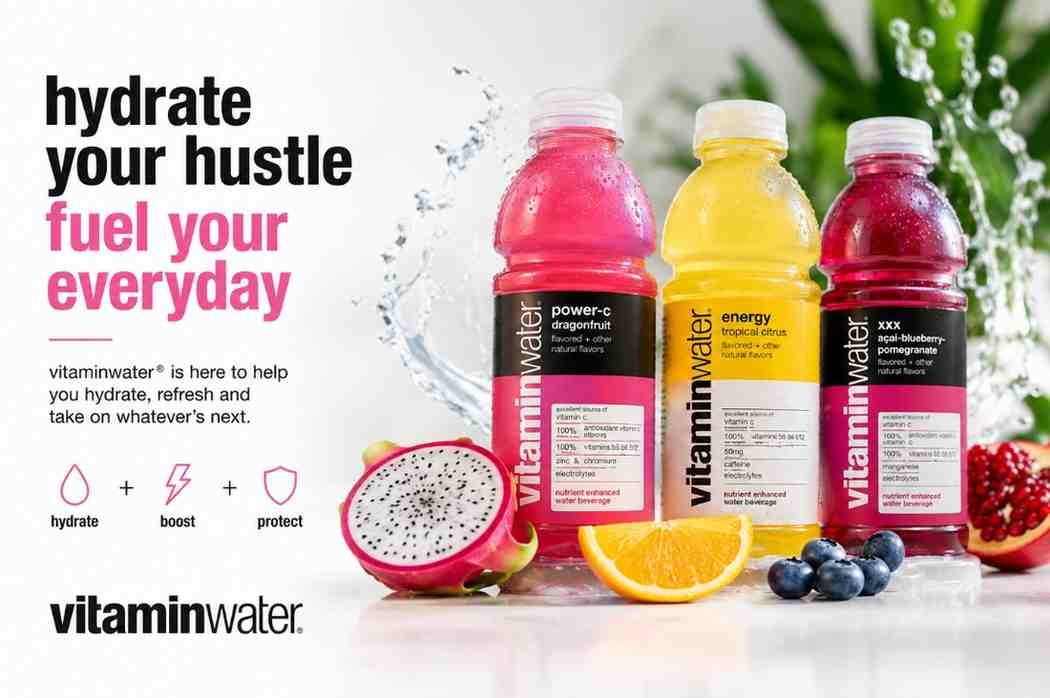
Vitamin Water has become one of the most recognized functional beverages in the world. Designed to provide hydration along with added vitamins and minerals, Vitamin Water appeals to people looking for more than plain water. Whether consumed after exercise, during a busy workday, or as part of a wellness routine, Vitamin Water offers a convenient way to stay hydrated while increasing vitamin intake.
Over the past two decades, enhanced waters have grown significantly in popularity. Consumers increasingly seek beverages that support active lifestyles without the heaviness of traditional soft drinks. Vitamin Water emerged as a response to this demand, offering flavored hydration combined with nutrients such as vitamin C, B vitamins, zinc, and electrolytes.
Today, Vitamin Water is available in numerous flavors and formulations, ranging from energy-support blends to hydration-focused options. While it is often marketed as a healthier alternative to sugary beverages, understanding its ingredients, benefits, and limitations can help consumers make informed choices.
If you enjoy learning about functional beverages, you may also be interested in our guides on Basil Water, Fig Water .
What Is Vitamin Water?
Vitamin-Enriched Water is an enhanced water beverage that contains added vitamins, minerals, electrolytes, and flavorings.
Unlike plain water, Vitamin-Enriched Water typically includes nutrients such as:
- Vitamin C
- Vitamin B3 (Niacin)
- Vitamin B5 (Pantothenic Acid)
- Vitamin B6
- Vitamin B12
- Zinc
- Magnesium
- Electrolytes
Some products may also contain:
- Natural flavors
- Fruit extracts
- Sweeteners
- Electrolyte blends
The purpose of Vitamin-Enriched Water is to provide hydration while delivering additional nutrients.
History of Vitamin Water
Vitamin-Enriched Water was introduced as part of the growing functional beverage industry.
As consumers became more health-conscious, demand increased for drinks that offered additional nutritional value beyond hydration.
Enhanced water products quickly gained popularity because they combined:
- Convenience
- Hydration
- Flavor
- Added nutrients
Today, Vitamin-Enriched Water remains one of the most widely recognized enhanced beverage categories worldwide.
Nutritional Profile of Vitamin Water
The nutritional content varies by brand and formula.
Common nutrients include:
Vitamins
- Vitamin C
- Vitamin B3
- Vitamin B5
- Vitamin B6
- Vitamin B12
Minerals
- Zinc
- Magnesium
- Potassium
Other Ingredients
- Electrolytes
- Natural flavors
- Water
- Sweeteners (in some products)
Some Vitamin-Enriched Water products are low-calorie, while others contain added sugars.
Top 25 Benefits of Vitamin Water
1. Supports Hydration
Like regular water, Vitamin-Enriched Water contributes to daily fluid intake.
2. Contains Added Vitamins
Provides supplemental vitamins commonly included in enhanced beverages.
3. Convenient Nutrition
Combines hydration and nutrients in one drink.
You can also read Tiger Nuts: Benefits, Nutrition & Uses to discover how tiger nuts may support digestion and overall wellness.
4. Alternative to Soft Drinks
Many consumers choose it instead of carbonated sugary beverages.
5. Provides Vitamin C
Vitamin C supports normal immune system function.
6. Contains B Vitamins
B vitamins help support normal energy metabolism.
7. Refreshing Flavor
Available in a variety of fruit-inspired flavors.
8. Supports Active Lifestyles
Hydration is important for physical activity.
Many active individuals pair hydration with exercise routines such as the Japanese Walking Method.
9. Easy to Carry
Convenient for travel and daily use.
10. Contains Electrolytes
Some formulas include electrolyte blends.
11. Variety of Formulations
Different products target different consumer preferences.
12. May Encourage Water Consumption
Flavor may help some individuals drink more fluids.
13. Widely Available
Found in many stores and markets.
14. Convenient Post-Workout Drink
Often consumed after exercise.
15. Supports Daily Wellness Routines
Can fit into healthy lifestyle habits.
16. Suitable for Busy Professionals
Quick and portable hydration option.
17. Low-Calorie Options Available
Many brands offer reduced-calorie versions.
18. Caffeine-Free Choices Available
Many formulas contain no caffeine.
19. Popular Worldwide
Consumed in numerous countries.
20. Supports Nutrient Intake
Adds vitamins to the diet.
21. Helps Replace Sugary Beverages
Can be a healthier alternative depending on the formula.
22. Modern Functional Beverage
Part of the growing wellness-drink category.
23. Suitable for Various Age Groups
Enjoyed by adults and older children.
24. Refreshing During Hot Weather
Provides flavored hydration.
25. Combines Flavor and Function
Offers both hydration and added nutrients.
Vitamin Water vs Regular Water
| Feature | Vitamin Water | Regular Water |
|---|---|---|
| Hydration | Excellent | Excellent |
| Added Vitamins | Yes | No |
| Flavor | Yes | No |
| Calories | Varies | Zero |
| Electrolytes | Sometimes | Minimal |
Both beverages contribute to hydration, but Vitamin-Enriched Water includes additional ingredients.
Vitamin Water vs Sports Drinks
| Feature | Vitamin Water | Sports Drinks |
| Added Vitamins | Yes | Usually Limited |
| Electrolytes | Sometimes | Usually Higher |
| Calories | Varies | Varies |
| Flavor | Yes | Yes |
| Hydration | Excellent | Excellent |
Popular Types of Vitamin Water
Vitamin C Water
Often formulated to provide additional vitamin C.
Energy Vitamin Water
Contains B vitamins and sometimes caffeine.
Electrolyte Vitamin Water
Focuses on hydration and electrolyte replacement.
Immunity Vitamin Water
May include vitamin C, zinc, and antioxidants.
Zero Sugar Vitamin Water
Offers hydration with fewer calories.
How to Make Homemade Vitamin Water
Citrus Vitamin Water
Ingredients
- Lemon slices
- Orange slices
- Water
Provides natural flavor and vitamin C.
Berry Vitamin Water
Ingredients
- Strawberries
- Blueberries
- Water
Offers antioxidants and fruit flavor.
Tropical Vitamin Water
Ingredients
- Pineapple
- Mango
- Water
A refreshing tropical blend.
Best Time to Drink Vitamin Water
Many people consume Vitamin-Enriched Water:
- After exercise
- During work
- While traveling
- During hot weather
- Throughout the day
The best time depends on personal preferences and hydration needs.
Potential Side Effects of Vitamin Water
Vitamin-Enriched Water is generally safe when consumed in moderation.
Potential concerns include:
- Added sugar in some products
- Excess calorie intake
- Digestive discomfort from excessive consumption
- Overconsumption of certain vitamins
Reading product labels can help consumers choose options that fit their nutritional goals.
Although vitamin water contains added nutrients, it should not replace whole foods such as fruits, vegetables, nuts, and seeds. For nutritious snack ideas, check out our articles on Protein Pudding and Cottage Cheese Recipes.
Who Should Drink Vitamin Water?
Vitamin-Enriched Water may appeal to:
- Athletes
- Students
- Travelers
- Busy professionals
- Fitness enthusiasts
- Individuals seeking flavored hydration
Storage Tips
For best quality:
- Store unopened bottles in a cool place.
- Refrigerate after opening.
- Follow expiration dates.
- Avoid prolonged exposure to heat.
The Origins of Vitamin Water
Vitamin Water originated in the United States in the late 1990s as part of the growing functional beverage movement. It was developed to provide consumers with a drink that combined hydration with added vitamins, minerals, and flavor. The concept gained popularity as people began seeking alternatives to traditional soft drinks and sugary beverages. Enhanced water products quickly attracted health-conscious consumers who wanted convenient hydration with additional nutritional benefits. Over the years, Vitamin Water expanded into multiple flavors and formulations, becoming one of the most recognized fortified beverage brands in the world and helping popularize the functional water category.
FAQs
What is Vitamin Water?
Vitamin-Enriched Water is an enhanced beverage that combines water with added vitamins, minerals, electrolytes, and flavorings. It is designed to provide hydration while supplying additional nutrients.
Is Vitamin Water healthy?
Vitamin-Enriched Water can be part of a balanced diet, especially when chosen in lower-sugar varieties. It provides hydration and added vitamins, but nutritional quality varies depending on the formulation.
Does Vitamin Water contain vitamins?
Yes. Most Vitamin-Enriched Water products contain vitamins such as vitamin C and several B vitamins. Some varieties may also include minerals and electrolytes.
Can Vitamin Water replace regular water?
Regular water remains the best source of hydration for most people. Vitamin-Enriched Water can complement fluid intake but should not necessarily replace plain water entirely.
Does Vitamin Water contain sugar?
Some Vitamin-Enriched Water products contain added sugar, while others are marketed as zero-sugar or low-calorie options. Reading nutrition labels is important.
Can athletes drink Vitamin-Enriched Water?
Many athletes use Vitamin-Enriched Water as part of their hydration routines because it provides fluids and may contain electrolytes and vitamins.
Is Vitamin-Enriched Water good for immunity?
Some formulations contain vitamin C and zinc, nutrients that contribute to normal immune system function as part of a balanced diet.
Does Vitamin-Enriched Water contain caffeine?
Many varieties are caffeine-free, although some energy-focused products may contain caffeine. Always check the product label.
Can children drink Vitamin-Enriched Water?
Children can consume Vitamin-Enriched Water in moderation, but parents should consider sugar content and overall dietary needs.
How should Vitamin-Enriched Water be stored?
Vitamin-Enriched Water should be stored according to package instructions, typically in a cool place before opening and refrigerated afterward.
Conclusion
Vitamin Water has become a leading functional beverage by combining hydration with added vitamins, minerals, and flavor. Its convenience, variety of formulations, and refreshing taste make it appealing to people seeking alternatives to traditional soft drinks. While regular water remains essential for hydration, Vitamin-Enriched Water can provide an additional source of nutrients and flavor when consumed as part of a balanced lifestyle.
Vitamin water can be a convenient beverage for hydration and added nutrients, but it is important to choose varieties that fit your health goals. For more wellness and hydration tips, explore our articles on Collagen Water, Shilajit Water, Beetroot Water .
Sources & References
- Provides nutrition information for beverages, vitamins, minerals, and food products.
- Evidence-based information on hydration, nutrition, sugar intake, and healthy beverage choices.
- Expert-reviewed guidance on vitamins, hydration, and overall health.
- Educational resources on hydration, beverages, and healthy lifestyle habits.
About the Author
Hitasha is a passionate health and wellness writer who creates informative, research-based content on nutrition, healthy living, natural remedies, fitness, and overall well-being. Her goal is to provide readers with clear, practical, and trustworthy information to support healthier lifestyle choices.
Disclaimer
The information provided in this article is for educational and informational purposes only and should not be considered medical advice. While every effort is made to ensure accuracy, health and nutrition information may change over time. Always consult a qualified healthcare professional before making changes to your diet, exercise routine, or health regimen. The author, Hitasha, and this website are not responsible for any decisions made based on the information presented in this article.