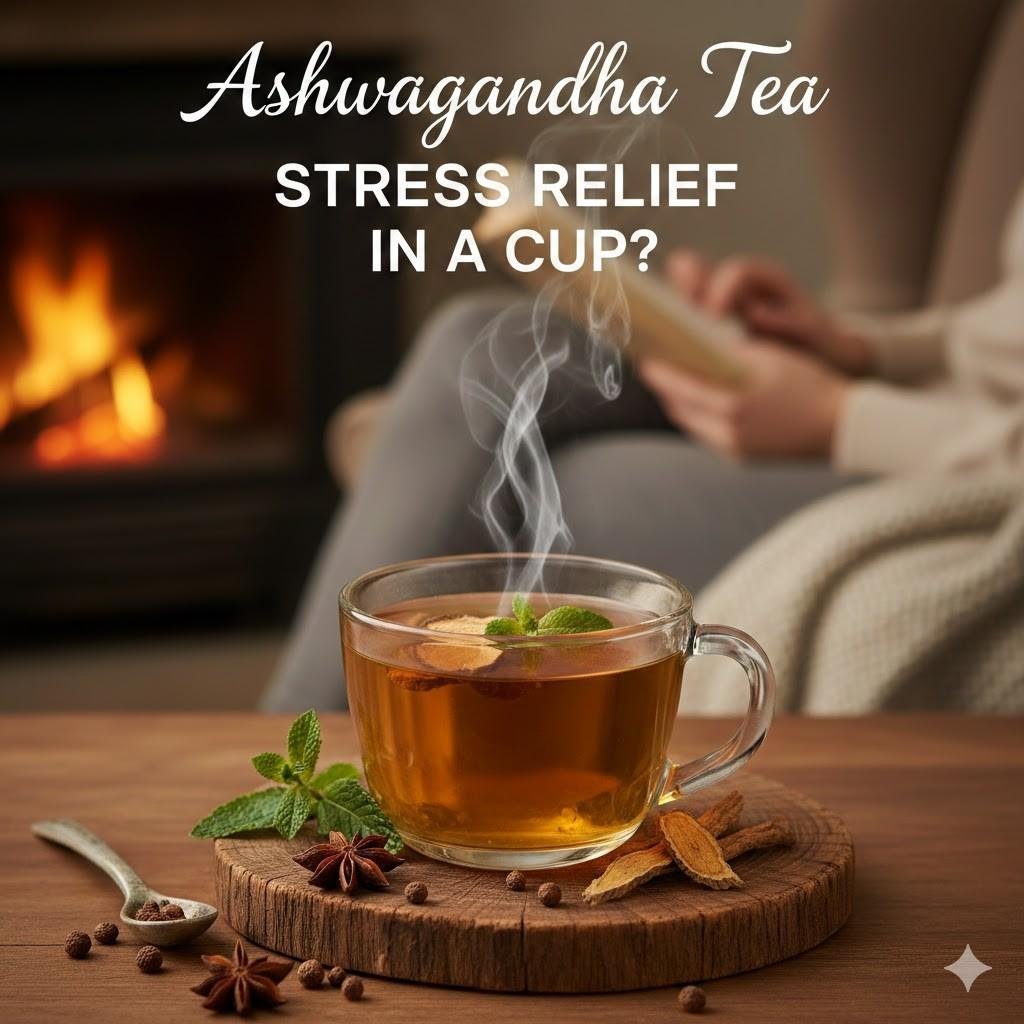
In today’s fast-paced world, stress has quietly become one of the biggest health challenges people face. From demanding work schedules to digital overload, modern life rarely slows down. As a result, many individuals are turning toward natural remedies to restore balance — and one ancient herb is making a powerful comeback: ashwagandha.
Often referred to as Indian ginseng or the “king of Ayurvedic herbs,” ashwagandha has been used for centuries to promote relaxation, resilience, and overall wellbeing. Recently, ashwagandha tea has gained popularity as a calming, caffeine-free drink that promises stress relief in every sip.
But does it really work? Is ashwagandha tea truly a natural anxiety reducer, or is it just another wellness trend?
Let’s explore the science, benefits, risks, and practical ways to enjoy this herbal infusion.
What Is Ashwagandha?
Ashwagandha (Withania somnifera) is a medicinal herb traditionally used to reduce stress and enhance wellbeing.
It belongs to a class of herbs known as adaptogens, which help the body adapt to physical and psychological stress.
For thousands of years, Ayurvedic practitioners have used ashwagandha to:
- Improve resilience
- Increase energy
- Support mental clarity
- Promote restful sleep
Today, it is available in powders, capsules, extracts, and teas — with tea becoming a favorite among those who prefer gentle, daily wellness rituals.
The Rise of Ashwagandha Tea
Herbal teas have long been associated with relaxation. Chamomile calms the nerves, peppermint soothes digestion, and lavender promotes sleep.
Ashwagandha tea fits perfectly into this category — but with an added adaptogenic advantage.
Unlike stimulant beverages like coffee, ashwagandha tea works subtly. Instead of masking fatigue, it may help your body handle stress more effectively over time.
Experts highlight its adaptogenic and nervine qualities, which may help balance stress hormones like cortisol, improve mood, enhance cognitive function, and boost energy.
However, effects typically develop after several weeks of consistent use rather than instantly.
How Ashwagandha May Help Reduce Stress
Scientific interest in ashwagandha has grown significantly — and some clinical studies show promising results.
A randomized, double-blind, placebo-controlled study investigated its effects in adults with high stress. Participants who took a standardized extract experienced:
- Significant reductions in anxiety scores
- Greater decreases in morning cortisol
- Improved stress-related outcomes
These findings suggest that ashwagandha’s stress-relieving effects may occur through its moderating influence on the hypothalamus-pituitary-adrenal (HPA) axis — the system responsible for regulating stress hormones.
Still, researchers emphasize that larger studies are needed to confirm these benefits.
👉 Translation: The evidence is encouraging — but not definitive.
Why Tea May Be an Ideal Way to Consume Ashwagandha
While supplements deliver concentrated doses, tea offers a gentler approach.
Advantages of Ashwagandha Tea
1. Lower intensity
Tea usually contains smaller amounts than capsules, which may reduce the risk of side effects.
2. Relaxation ritual
The act of sipping warm tea naturally signals the body to slow down.
3. Hydration support
Many people forget that hydration alone can influence mood and energy.
4. Caffeine-free calm
Perfect for evenings without disrupting sleep cycles.
Key Benefits of Ashwagandha Tea
1. Supports Stress Resilience
Ashwagandha is best known for its anti-stress properties.
Research shows supplementation is associated with statistically significant reductions in anxiety measures compared with placebo.
This suggests the herb may help regulate the body’s physiological response to stress rather than simply sedating the mind.
2. May Lower Cortisol
Cortisol is often called the “stress hormone.”
In the same clinical trial, participants taking ashwagandha had greater reductions in morning cortisol than those taking placebo.
Balanced cortisol levels are linked with:
- Better sleep
- Improved mood
- Reduced fatigue
- Healthier metabolism
3. Promotes Better Sleep
Poor sleep and stress often reinforce each other.
Ashwagandha shows promise for improving sleep quality and helping regulate emotional balance.
Drinking the tea before bedtime may create a calming nighttime routine — especially for people who are sensitive to caffeine.
4. Potential Mood Booster
Experts suggest the herb may improve mood and cognitive function while reducing inflammation and pain.
This makes it appealing for individuals dealing with:
- Work-related burnout
- Emotional fatigue
- Mental overload
5. May Support Hormonal Balance
The clinical study observed increased testosterone in males over time, although the change was not statistically significant compared with placebo.
This means the effect is interesting but not yet proven.
Does Ashwagandha Tea Work Immediately?
Short answer: No.
Ashwagandha is not a quick fix.
Its benefits typically appear after consistent use over weeks rather than hours or days.
Think of it as a long-term resilience builder rather than a rapid stress cure.
Who Might Benefit Most?
Ashwagandha tea may be especially helpful for people experiencing:
- Chronic stress
- Mild anxiety
- Sleep disturbances
- Mental fatigue
- Emotional overwhelm
It can also be a supportive addition to a broader wellness routine that includes exercise, nutrition, and mindfulness.
Potential Side Effects You Should Know
Natural does not always mean risk-free.
Ashwagandha is generally considered safe, but side effects may include:
- Digestive discomfort
- Drowsiness
- Headaches
- Possible medication interactions
Experts advise consulting a healthcare provider before starting it, particularly if you have medical conditions or take medications.
It is also not recommended during pregnancy due to potential risks.
How to Make Ashwagandha Tea at Home
Simple Ashwagandha Root Tea
Ingredients:
- 1 teaspoon dried ashwagandha root (or powder)
- 1½ cups water
- Optional: honey, cinnamon, or ginger
Instructions:
- Bring water to a boil.
- Add the root or powder.
- Simmer for 10–15 minutes.
- Strain and enjoy warm.
The flavor is earthy and slightly bitter — pairing it with spices improves taste.
Creamy Moon Milk Version
A traditional Ayurvedic favorite.
Ingredients:
- 1 cup warm milk (or plant milk)
- ½ teaspoon ashwagandha powder
- Pinch of nutmeg
- Honey
This comforting nighttime drink promotes relaxation before sleep.
When Is the Best Time to Drink It?
For stress: Morning or afternoon
For sleep: 30–60 minutes before bed
Avoid combining it with alcohol or strong sedatives unless advised by a professional.
Ashwagandha Tea vs Supplements
| Tea | Capsules |
|---|---|
| Gentle | Concentrated |
| Lower risk of overuse | Higher potency |
| Relaxing ritual | Convenient |
| Slower effects | Faster measurable dosing |
If you’re new to ashwagandha, tea is often a safer starting point.
How Much Should You Drink?
There is no universal dosage for tea, but moderation is key.
Start with:
👉 1 cup daily
Observe how your body responds before increasing intake.
The Adaptogen Advantage
Adaptogens don’t force the body in one direction — they aim to restore balance.
Instead of overstimulating or sedating, ashwagandha appears to support the stress-response system itself.
This is why many wellness experts view adaptogens as tools for long-term resilience rather than temporary relief.
Who Should Avoid Ashwagandha Tea?
You may want to skip it if you:
- Are pregnant
- Take sedatives
- Use thyroid medication
- Have autoimmune conditions
- Have liver concerns
Always consult a professional if unsure.
Common Myths About Ashwagandha Tea
Myth 1: It Works Instantly
False — benefits build gradually.
Myth 2: More Is Better
Overconsumption increases risk without guaranteeing better results.
Myth 3: It Replaces Therapy or Medical Care
Herbal support is complementary, not a substitute.
Tips for Choosing Quality Ashwagandha
Because herbal supplements vary widely, prioritize:
✔ Third-party testing
✔ Organic sourcing
✔ Transparent labeling
✔ Trusted brands
Quality directly affects safety and effectiveness.
How to Maximize Stress Relief Naturally
Pair your tea with supportive habits:
- Daily movement
- Deep breathing
- Digital detox periods
- Consistent sleep schedule
- Balanced nutrition
Herbs work best within a holistic lifestyle.
The Future of Adaptogenic Teas
The global shift toward natural wellness is accelerating interest in adaptogens.
People are no longer just asking:
👉 “Does it taste good?”
They’re asking:
👉 “Does it support mental health?”
Ashwagandha tea sits right at this intersection of tradition and modern science.
Final Verdict: Stress Relief in a Cup?
So — does ashwagandha tea relieve stress?
The Evidence Says:
✅ Promising clinical research
✅ Cortisol-lowering potential
✅ Improved anxiety scores
✅ Sleep-support benefits
But Also:
⚠ More research is needed
⚠ Effects vary by person
⚠ Safety depends on responsible use
Bottom line:
Ashwagandha tea is not magic — but it may be a valuable ally in managing stress when used thoughtfully.
Sometimes, the simple act of slowing down with a warm cup is healing in itself.
And in a world that rarely pauses, that alone is powerful.
FAQs About Ashwagandha Tea
1. What is ashwagandha tea good for?
Ashwagandha tea is commonly used to support stress management, promote relaxation, improve sleep quality, and enhance overall wellbeing. As an adaptogenic herb, it may help the body cope with physical and mental stress more effectively.
2. Does ashwagandha tea really reduce stress?
Research suggests ashwagandha may help lower cortisol (the stress hormone) and reduce anxiety levels. However, it works gradually and should be part of a healthy lifestyle rather than a standalone solution.
3. Can I drink ashwagandha tea every day?
Most healthy adults can safely drink 1–2 cups per day in moderation. If you plan to use it regularly, it’s wise to consult a healthcare professional, especially if you take medications.
4. How long does it take for ashwagandha tea to work?
Unlike fast-acting stimulants, ashwagandha typically shows benefits after consistent use for a few weeks. Patience and regular consumption are key.
5. When is the best time to drink ashwagandha tea?
- Morning or afternoon: Helps manage daily stress
- Before bed: Supports relaxation and sleep
Choose the timing based on your wellness goals.
6. Does ashwagandha tea make you sleepy?
It doesn’t act as a strong sedative, but it may create a sense of calm that helps some people fall asleep more easily.
7. Are there any side effects?
Ashwagandha is generally well tolerated, but some people may experience:
- Upset stomach
- Drowsiness
- Headache
- Digestive discomfort
Stop use and seek medical advice if unusual symptoms occur.
8. Who should avoid ashwagandha tea?
You should speak with a healthcare provider before drinking it if you:
- Are pregnant or breastfeeding
- Have thyroid or autoimmune conditions
- Take sedatives or blood pressure medications
- Have hormone-sensitive health issues
9. Is ashwagandha tea caffeine-free?
Yes. Ashwagandha tea is naturally caffeine-free, making it a great option for evenings or for people trying to reduce caffeine intake.
10. Can ashwagandha tea improve sleep?
Many people use it as part of a bedtime routine because its calming properties may support deeper, more restful sleep.
11. What does ashwagandha tea taste like?
It has an earthy, slightly bitter flavor. Adding honey, cinnamon, ginger, or milk can make it more enjoyable.
12. Is tea better than ashwagandha supplements?
Tea provides a gentler dose and is ideal for beginners, while supplements are more concentrated. The best option depends on your health goals and tolerance.
13. Can ashwagandha tea help with anxiety?
It may help reduce mild anxiety by supporting the body’s stress response. However, it should not replace professional mental health treatment.
14. How much ashwagandha tea is too much?
Drinking excessive amounts may increase the risk of side effects. Stick to moderate intake unless advised otherwise by a healthcare professional.
15. Can I mix ashwagandha with other herbal teas?
Yes! It pairs well with calming herbs like chamomile, tulsi (holy basil), and lavender for a relaxing blend.
Also Read :