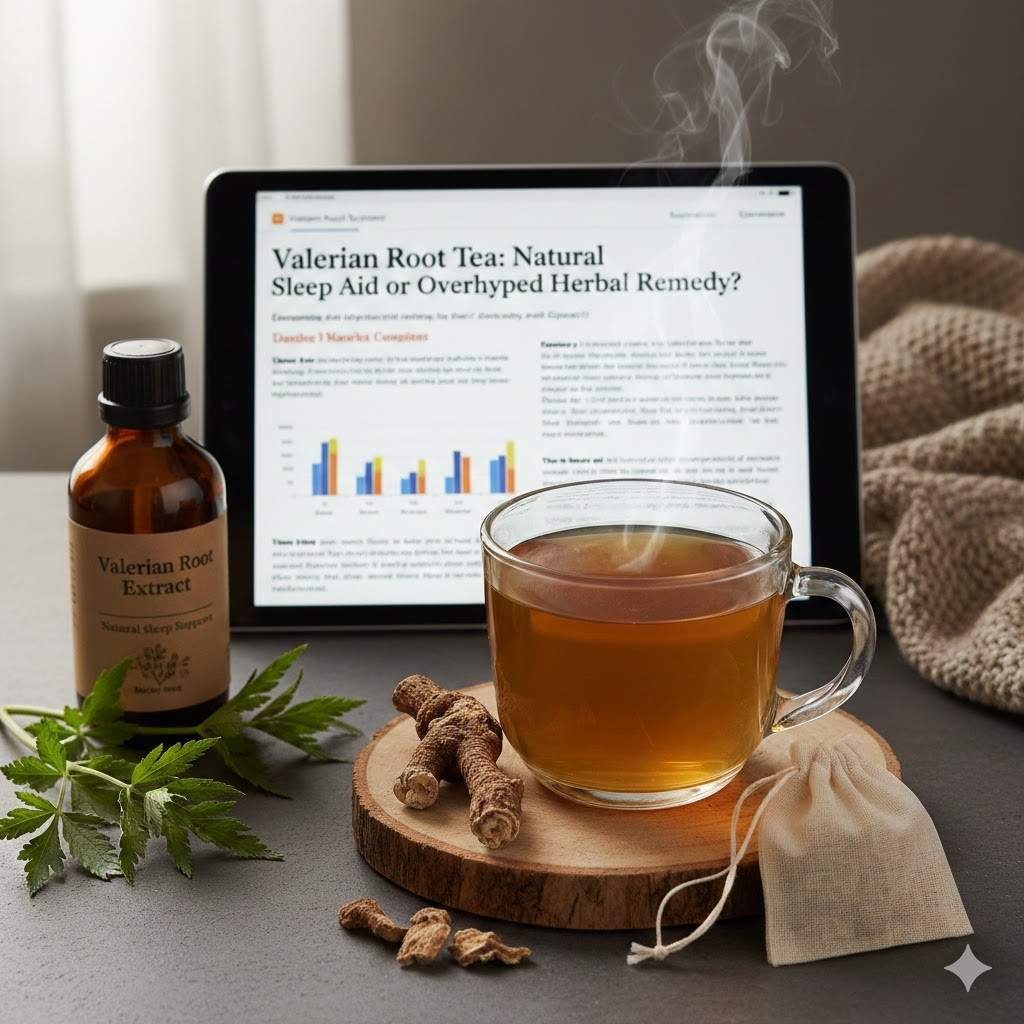
In a world struggling with sleepless nights, anxiety, and chronic stress, many people are searching for natural alternatives to pharmaceutical sleep aids. One herbal remedy that has stood the test of time is valerian root tea. Often called “nature’s sedative,” valerian root has been used for centuries to promote relaxation and improve sleep.
Made from the underground root of the Valeriana officinalis, valerian root tea is best known for its calming effects on the nervous system. But does it really work? Is it safe? And how does it compare to other herbal sleep remedies?
In this in-depth 3000-word guide, we’ll explore valerian root tea’s history, science, benefits, preparation methods, safety concerns, and practical uses.
What Is Valerian Root Tea?
Valerian root tea is a caffeine-free herbal infusion made from the dried roots of Valeriana officinalis, a flowering plant native to Europe and parts of Asia.
Unlike delicate floral teas, valerian root has a strong earthy, musky aroma—sometimes described as woody or slightly pungent. Despite its bold scent, it remains one of the most popular natural remedies for insomnia and anxiety.
The History of Valerian Root in Herbal Medicine
Valerian has been used medicinally for over 2,000 years.
- Ancient Greek physician Hippocrates described its therapeutic properties.
- The Roman physician Galen prescribed it for insomnia.
- During World War II, valerian was used in England to calm stress during air raids.
Throughout European herbal traditions, valerian root was considered a powerful nervine—an herb that supports and calms the nervous system.
Active Compounds in Valerian Root
Valerian root contains several bioactive compounds believed to contribute to its calming effects:
- Valerenic acid
- Isovaleric acid
- Valepotriates
- Flavonoids
These compounds may interact with GABA (gamma-aminobutyric acid), the same calming neurotransmitter targeted by some prescription anti-anxiety medications.
By increasing GABA activity, valerian may reduce nervous system excitability and promote relaxation.
Top Health Benefits of Valerian Root Tea
1. Natural Sleep Support
Valerian root tea is most commonly used for insomnia. Studies suggest it may:
- Reduce time to fall asleep
- Improve sleep quality
- Increase deep sleep phases
Unlike pharmaceutical sleep aids, valerian does not typically cause dependency. However, results may take several days to become noticeable.
2.Anxiety & Stress Relief
Valerian tea can help:
- Situational anxiety
- Pre-exam stress
- Overthinking at night
- Mild nervous tension
It may also support:
- Public speaking anxiety
- Travel-related stress
- Emotional restlessness
Because it works through GABA modulation, it promotes physical relaxation — slower heart rate and eased muscle tension.
3. Stress Relief
Chronic stress can affect heart health, digestion, and mood. Valerian’s calming action may help regulate stress responses and encourage a relaxed state.
4. Muscle Relaxation
Valerian root has mild muscle-relaxing properties. This may benefit people experiencing:
- Tension headaches
- Muscle tightness
- Menstrual cramps
Its calming effect may help reduce physical tension caused by stress.
5. Menstrual and PMS Support
Historically, valerian root was used to ease menstrual discomfort and emotional irritability during PMS due to its relaxing properties.
6. Possible Support for Restless Leg Syndrome
Some anecdotal reports suggest valerian may help reduce symptoms of restless leg syndrome, though research remains limited.
How Valerian Root Tea Works in the Brain
Valerian’s mechanism centers around GABA modulation. GABA is responsible for calming nerve activity in the brain.
When GABA activity increases:
- Brain waves slow down
- Anxiety decreases
- Muscles relax
- Sleep becomes easier
Valerian appears to inhibit the breakdown of GABA and possibly increase its release, enhancing relaxation naturally.
Valerian Root Tea vs Melatonin
Many people compare valerian to melatonin.
| Feature | Valerian Root | Melatonin |
|---|---|---|
| Function | Calms nervous system | Regulates sleep cycle |
| Best For | Anxiety-related insomnia | Jet lag, circadian issues |
| Dependency Risk | Low | Low |
| Natural Source | Herbal root | Hormone supplement |
Valerian may be more helpful when stress or anxiety is preventing sleep.
How to Make Valerian Root Tea
Ingredients:
- 1 teaspoon dried valerian root (crushed)
- 1 cup hot water
Steps:
- Bring water to near boiling (90–95°C).
- Add valerian root to a cup or teapot.
- Pour hot water over it.
- Cover and steep for 10–15 minutes.
- Strain and drink 30–60 minutes before bedtime.
Taste Tip:
Valerian has a strong earthy, musky smell (some compare it to aged cheese). You can improve flavor by blending with:
- Chamomile
- Peppermint
- Lemon balm
- Cinnamon
Best Time to Drink Valerian Tea
- For sleep: 30–60 minutes before bed
- For anxiety: Late afternoon or early evening
- For cramps: When symptoms begin
Avoid daytime use if you need high alertness.
Dosage Guidelines
General safe range:
- 1–2 cups daily
- Equivalent to 2–3 grams dried root
Start low and adjust based on how your body responds.
Taste and Aroma
Valerian root tea has a strong, earthy smell that some describe as:
- Woody
- Musky
- Slightly bitter
Adding honey, lemon, or chamomile can improve flavor.
How Long Does It Take to Work?
Some people feel relaxed within an hour, while others notice improvements after consistent use for several days.
Valerian may work best when taken regularly for 2–4 weeks.
Best Time to Drink Valerian Root Tea
- 30–60 minutes before bedtime
- During periods of high stress
- Before long flights (consult doctor)
Avoid daytime use if you are sensitive to drowsiness.
Safety and Side Effects
Valerian root tea is generally safe but may cause:
- Drowsiness
- Dizziness
- Headache
- Digestive upset
Rarely, some people experience vivid dreams.
Who Should Avoid Valerian Root Tea?
Avoid or consult a doctor if you:
- Are pregnant or breastfeeding
- Take sedatives or anti-anxiety medications
- Have liver disease
- Are scheduled for surgery
Do not combine with alcohol.
Can You Become Dependent on Valerian?
Valerian is not considered habit-forming. However, abrupt discontinuation after long-term use may cause mild rebound insomnia in rare cases.
Valerian Root Tea for Children
Not generally recommended without medical supervision.
Scientific Research Overview
Studies show mixed but promising results. Some clinical trials report improved sleep latency and quality, while others show modest effects.
Variations in preparation methods may explain inconsistent outcomes.
Valerian Root vs Passionflower
Passionflower is milder and better for daytime anxiety, while valerian is stronger and better suited for sleep.
Growing and Harvesting Valerian
Valeriana officinalis thrives in temperate climates. The roots are harvested after the plant matures, typically in the fall.
Storage Tips
- Store dried root in airtight containers
- Keep away from heat and light
- Use within one year
Final Thoughts
Valerian root tea is more than just a sleep aid. It is:
- A nervous system relaxant
- A stress support herb
- A muscle relaxer
- A traditional remedy backed by centuries of use
While it’s not a miracle cure, it can be a powerful natural ally when used responsibly and consistently.
If you struggle with stress, restless nights, or muscle tension, valerian root tea may be worth trying — ideally as part of a broader relaxation routine.
Frequently Asked Questions (FAQs) About Valerian Root Tea
1. What is valerian root tea made from?
Valerian root tea is made from the dried roots of Valeriana officinalis, a flowering plant traditionally used for sleep and relaxation support.
2. What is valerian root tea mainly used for?
It is most commonly used to:
- Improve sleep quality
- Reduce insomnia
- Calm anxiety
- Relieve nervous tension
- Support relaxation before bedtime
3. Does valerian root tea really help with sleep?
Many people report that it helps them fall asleep faster and sleep more deeply. Some research suggests it may improve sleep quality, especially when stress or anxiety is involved.
4. How long does valerian root tea take to work?
Some individuals feel relaxed within 30–60 minutes. For consistent sleep improvement, it may take several days to 2 weeks of regular use.
5. Is valerian root tea safe to drink daily?
Short-term daily use is generally considered safe for most adults. Long-term use should be discussed with a healthcare professional.
6. How many cups can I drink per day?
Typically, 1 cup in the evening is recommended. Some people may use up to 2 cups daily, but starting with one is best.
7. Does valerian root tea cause morning grogginess?
In some individuals, especially at higher doses, it may cause mild morning drowsiness. Reducing the amount may help.
8. Is valerian root tea addictive?
No. Valerian is not considered habit-forming. However, sudden discontinuation after long-term use may rarely cause temporary sleep disruption.
9. Does valerian root tea contain caffeine?
No. It is completely caffeine-free.
10. Can valerian root tea help with anxiety?
Yes, it may help calm mild to moderate anxiety by supporting GABA activity in the brain.
11. Can I combine valerian root with other herbs?
Yes. It blends well with chamomile, passionflower, lemon balm, and lavender for enhanced calming effects.
12. What does valerian root tea taste like?
It has a strong earthy, woody, and slightly musky flavor. Many people add honey or mix it with other herbs to improve the taste.
13. Are there any side effects?
Possible side effects include:
- Drowsiness
- Dizziness
- Headache
- Mild digestive upset
- Vivid dreams (rare)
14. Who should avoid valerian root tea?
Avoid or consult a doctor if you:
- Are pregnant or breastfeeding
- Take sedatives or anti-anxiety medications
- Have liver conditions
- Are scheduled for surgery
15. Can children drink valerian root tea?
It is generally not recommended for children without medical supervision.
Also read :
Passionflower Tea: Nature’s Calming Herbal Remedy for Stress, Sleep, and Anxiety