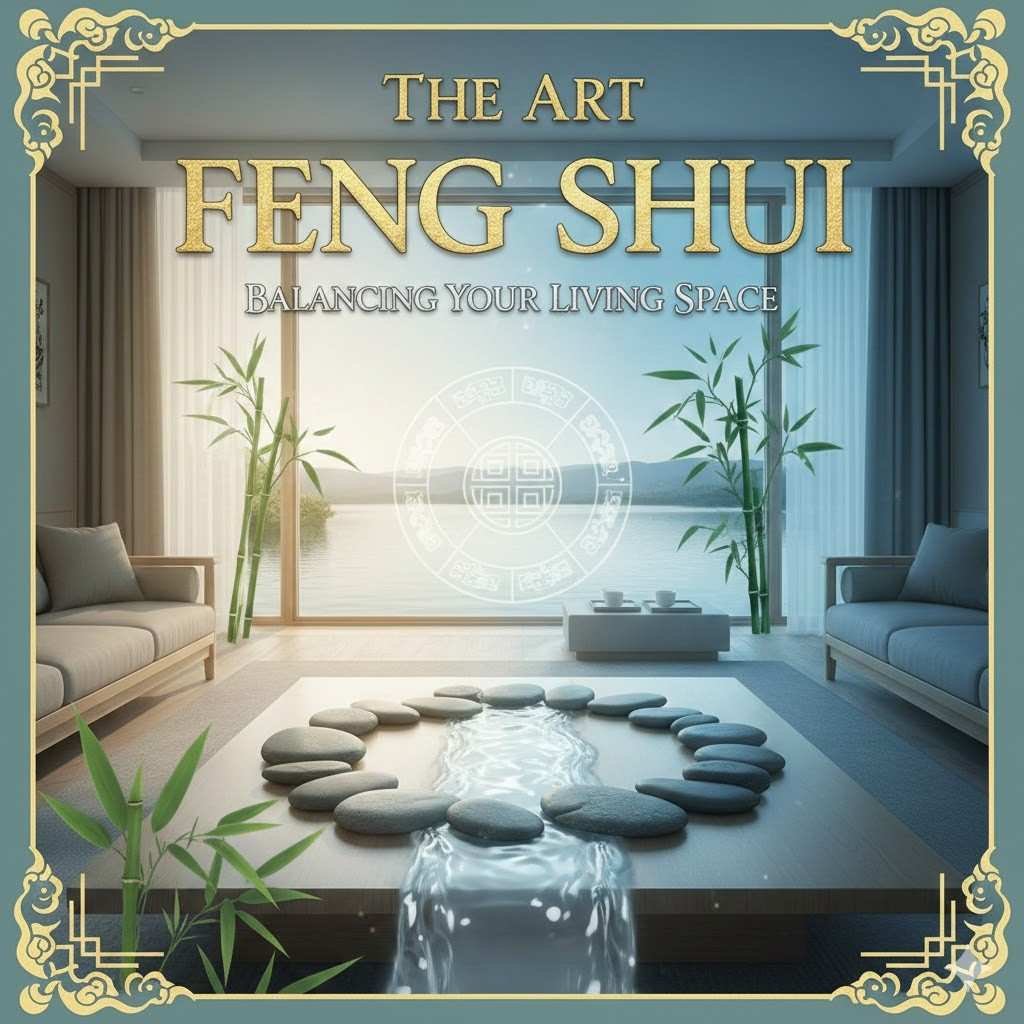
The Art of Feng Shui: In a fast-paced, modern world filled with constant stimulation, many people are searching for ways to restore balance, peace, and meaning in their everyday lives. One powerful yet often misunderstood practice that offers exactly this is Feng Shui—the ancient art of harmonizing your living environment to support well-being, clarity, and prosperity.
Feng Shui is far more than furniture placement or decorative trends. It is a holistic system rooted in thousands of years of Chinese philosophy that teaches us how our surroundings influence our energy, emotions, and life outcomes. By intentionally arranging your home, you can cultivate balance, invite positive energy, and create a space that truly supports who you are and where you want to go.
In this in-depth guide, we will explore the art of Feng Shui, its principles, and practical ways to balance your living space—room by room—so your home becomes a source of nourishment, inspiration, and calm.
Understanding Feng Shui: A Timeless Philosophy
What Is Feng Shui?
The term Feng Shui translates literally to “wind and water.” These two natural elements symbolize flow, movement, and life force. At its core, Feng Shui is the study of how Chi (Qi)—the vital energy that flows through all things—moves within a space.
According to Feng Shui philosophy, when Chi flows smoothly and gently, it supports health, happiness, and success. When it is blocked, stagnant, or chaotic, it can contribute to stress, fatigue, and imbalance in life.
Feng Shui teaches that our homes are living systems. Every doorway, window, object, color, and shape either enhances or disrupts the energetic flow within that system.
The Origins of Feng Shui
Feng Shui dates back over 3,000 years and originated in ancient China. Initially used to determine ideal burial sites and later expanded to homes, palaces, and cities, Feng Shui was deeply intertwined with astronomy, geography, and Taoist philosophy.
Ancient practitioners observed nature closely—mountains, rivers, wind patterns, and sunlight—and applied those insights to human dwellings. The goal was simple yet profound: to live in harmony with the natural world rather than against it.
The Core Principles of Feng Shui
To truly balance your living space, it’s essential to understand the fundamental principles that guide Feng Shui practice.
1. Chi (Life Force Energy)
Chi is the invisible energy that flows through your home just as blood flows through your body. Healthy Chi is:
- Slow and meandering
- Nourishing and uplifting
- Balanced between activity and rest
Sharp corners, clutter, narrow passageways, and poor lighting can disrupt Chi, while open spaces, natural light, and gentle curves encourage its flow.
2. Yin and Yang: Finding Balance
Feng Shui emphasizes the balance between Yin (passive, soft, dark, restful) and Yang (active, bright, energetic).
- Bedrooms require more Yin energy for rest and relaxation.
- Living rooms and kitchens benefit from Yang energy to encourage connection and vitality.
An imbalance—too much Yin or Yang—can make a space feel either draining or overstimulating.
3. The Five Elements
The Five Elements—Wood, Fire, Earth, Metal, and Water—are essential tools in Feng Shui. Each element represents different qualities and emotions:
- Wood: Growth, vitality, creativity
- Fire: Passion, recognition, energy
- Earth: Stability, nourishment, grounding
- Metal: Clarity, precision, focus
- Water: Wisdom, flow, abundance
Balancing these elements in your home creates harmony and supports different areas of your life.
4. The Bagua Map
The Bagua Map is a Feng Shui energy map that divides a space into nine areas, each corresponding to an aspect of life:
- Wealth & Prosperity
- Fame & Reputation
- Love & Relationships
- Family & Health
- Center (Overall Balance)
- Creativity & Children
- Knowledge & Self-Cultivation
- Career
- Helpful People & Travel
By aligning your home with the Bagua, you can intentionally enhance specific life areas.
Decluttering: The Foundation of Feng Shui
Before applying any Feng Shui techniques, decluttering is essential. Clutter blocks Chi, creates mental fog, and anchors you to the past.
Why Clutter Disrupts Energy
Clutter:
- Traps stagnant energy
- Causes stress and overwhelm
- Prevents new opportunities from entering your life
Every item in your home carries energetic information. When surrounded by broken, unused, or unloved objects, your environment sends a subconscious message of lack and stagnation.
How to Declutter with Intention
Approach decluttering as an energetic cleanse rather than a chore:
- Release items that no longer serve you
- Fix or remove broken objects
- Keep only what you use, love, or find meaningful
Once clutter is cleared, Chi can circulate freely, making Feng Shui adjustments far more effective.
Feng Shui for the Entrance: Inviting Positive Energy
The Front Door as the “Mouth of Chi”
In Feng Shui, the front door is considered the primary entry point for energy. It determines the quality of Chi that enters your home.
To enhance this area:
- Keep the entrance clean and well-lit
- Ensure the door opens fully without obstruction
- Use welcoming elements such as plants or artwork
A neglected entryway can block opportunities and abundance from entering your life.
Color and Symbolism at the Entrance
The color of your front door can influence the energy it attracts:
- Red: Luck, protection, vitality
- Black: Wisdom and career growth
- Green: Renewal and health
- Blue: Calm and spiritual flow
Choose colors and décor that resonate with the life energy you wish to invite.
Living Room Feng Shui: Creating Connection and Comfort
The living room is a space for social interaction, relaxation, and shared experiences. Its energy should feel warm, open, and inviting.
Furniture Placement for Balance
- Arrange seating to encourage conversation
- Avoid placing furniture with backs to the door
- Create a clear pathway for movement
A balanced layout promotes harmony and strengthens relationships.
Lighting and Natural Elements
Incorporate:
- Natural light whenever possible
- Layered lighting for warmth
- Plants to enhance Wood energy and vitality
Avoid harsh overhead lighting and dark corners, as they stagnate Chi.
Bedroom Feng Shui: Rest, Romance, and Renewal
The bedroom is one of the most important areas in Feng Shui because it directly affects sleep, health, and relationships.
Bed Placement Matters
The ideal bed position:
- Has a solid headboard
- Is placed diagonally from the door
- Is not directly aligned with the door
This “command position” creates a sense of security and control.
Creating a Yin-Focused Environment
To encourage rest:
- Use soft, calming colors
- Minimize electronics
- Keep décor simple and meaningful
Avoid mirrors facing the bed, as they can disrupt sleep and energy balance.
Kitchen Feng Shui: Nourishment and Prosperity
The kitchen represents health, wealth, and nourishment.
Balancing Fire and Water
Stoves (Fire) and sinks (Water) should not directly face each other, as this creates energetic conflict. If unavoidable, balance them with Earth elements like plants or wooden accents.
Keep the Energy Fresh
- Keep the stove clean and functional
- Use all burners regularly to activate abundance
- Store food neatly and discard expired items
A well-balanced kitchen supports both physical and financial well-being.
Bathroom Feng Shui: Managing Energy Drain
Bathrooms are challenging in Feng Shui because they symbolize energy drainage.
To counterbalance this:
- Keep toilet lids closed
- Use plants or crystals
- Maintain cleanliness and good lighting
Earth tones and soft textures help ground energy in these spaces.
Using Color and Décor Mindfully
Color plays a powerful role in Feng Shui. Each hue carries emotional and energetic significance.
- Blues and greens promote calm and growth
- Reds and oranges stimulate energy and passion
- Neutrals provide grounding and balance
Choose décor that aligns with the purpose of each room and your personal intentions.
Feng Shui for Modern Living
Feng Shui is not about rigid rules—it is a living practice that evolves with your lifestyle. Even in small apartments or modern homes, simple adjustments can create powerful shifts.
- Be intentional with technology placement
- Incorporate nature wherever possible
- Trust your intuition as much as tradition
Your home should feel like a reflection of your best self.
The Deeper Impact of Feng Shui
When practiced with awareness, Feng Shui goes beyond aesthetics. It becomes a tool for self-reflection and transformation.
As you align your living space, you may notice:
- Improved sleep and focus
- More harmonious relationships
- Increased clarity and motivation
- A deeper sense of peace and belonging
Your environment shapes your experience of life more than you may realize.
Conclusion: Living in Harmony with Your Space
The art of Feng Shui teaches us that balance is not something we find—it is something we create. By thoughtfully arranging our homes, we align ourselves with the natural flow of life.
Balancing your living space is an act of self-care, intention, and respect for the energy that sustains us. Whether you begin with decluttering a single room or reimagining your entire home, each small step brings you closer to harmony.
Your home is not just where you live—it is where your energy rests, renews, and grows. When your space is balanced, you are balanced.
Frequently Asked Questions (FAQ)
What is Feng Shui and why is it important?
Feng Shui is an ancient Chinese practice that focuses on harmonizing individuals with their surrounding environment. It is important because it helps improve the flow of energy (Chi) in your living space, which can positively influence health, relationships, emotional well-being, and prosperity.
Do I need to believe in Feng Shui for it to work?
No belief is required. Feng Shui works by improving environmental balance—such as lighting, airflow, organization, and spatial arrangement—which naturally enhances comfort, clarity, and functionality regardless of personal beliefs.
What is the first step to applying Feng Shui in my home?
The first and most important step is decluttering. Removing unnecessary or broken items allows energy to flow freely and creates a strong foundation for any Feng Shui adjustments.
Can Feng Shui be applied in small apartments or modern homes?
Yes. Feng Shui is highly adaptable and works in any type of space, including studio apartments, modern condos, and minimalist homes. Even small changes—like furniture placement or lighting—can make a big difference.
What is the Bagua map and how do I use it?
The Bagua map is an energy chart used in Feng Shui that divides your home into nine areas, each representing a different aspect of life, such as wealth, career, love, and health. You align the map with your main entrance to determine which areas of your home correspond to each life area.
How can Feng Shui improve sleep and relaxation?
Feng Shui improves sleep by promoting calm energy in the bedroom through proper bed placement, soothing colors, reduced clutter, and minimizing electronic devices. These changes help create a peaceful environment conducive to rest.
Are plants good or bad in Feng Shui?
Plants are generally very good in Feng Shui because they represent growth, vitality, and fresh energy. However, they should be healthy, well-maintained, and appropriate for the space. Avoid placing large or sharp-leaf plants in bedrooms.
How often should I update or refresh my Feng Shui?
It’s a good idea to reassess your space seasonally or during major life changes. Regular cleaning, rearranging, and refreshing décor help keep energy flowing and aligned with your current goals.
Can Feng Shui help with financial abundance?
Feng Shui can support abundance by encouraging clarity, organization, and intention—especially in areas related to wealth and career. While it doesn’t replace action or financial planning, it helps create an environment that supports opportunity and focus.
Is Feng Shui only about furniture placement?
No. While furniture placement is important, Feng Shui also includes color choices, lighting, materials, symbols, airflow, sound, and even the emotional connection you have with your space.
What are common Feng Shui mistakes to avoid?
Common mistakes include ignoring clutter, blocking natural light, placing mirrors incorrectly, overcrowding rooms with furniture, and neglecting the entrance of the home. These issues can disrupt energy flow.
Can I practice Feng Shui without hiring a consultant?
Absolutely. Many Feng Shui principles are simple and intuitive. With basic knowledge and mindful observation, anyone can apply Fen
Also Read :