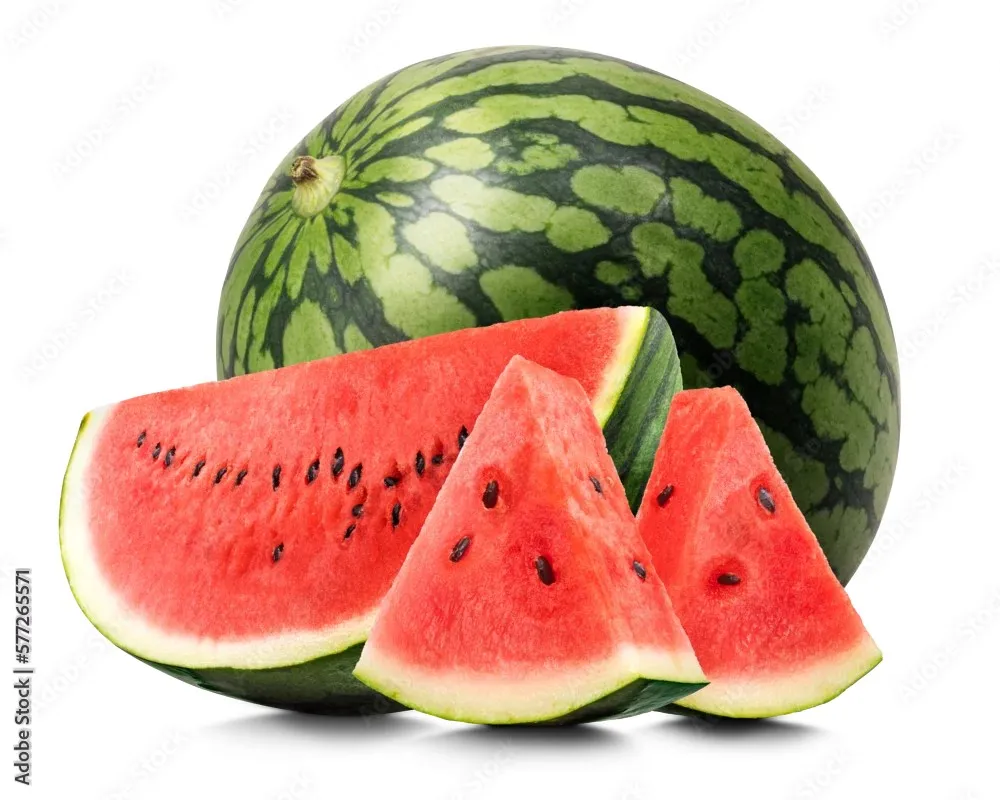
Watermelon is one of the most loved fruits in the world, especially during hot weather. Its juicy texture, sweet flavor, and cooling effect make it a favorite for children and adults alike. But watermelon is much more than a refreshing summer snack—it is packed with nutrients, antioxidants, and hydration benefits that support overall health.
This fruit belongs to the gourd family and contains about 92% water, making it one of the best natural foods for hydration. It is low in calories, rich in vitamins, and easy to include in daily meals. Whether eaten fresh, blended into juice, or added to salads, watermelon offers both taste and wellness in every bite.
In this complete guide, you will learn everything about watermelon, including its nutritional value, health benefits, beauty benefits, possible side effects, best ways to eat it, and why it deserves a regular place in your diet.
What Is Watermelon?
Watermelon is a large, round or oval fruit with green skin, red flesh, and black seeds, although seedless varieties are also widely available. It is scientifically known as Citrullus lanatus and is grown in many warm regions around the world.
Watermelon has been cultivated for thousands of years and is believed to have originated in Africa before spreading globally. Today it is widely consumed because of its refreshing taste and impressive nutrient profile.
Nutritional Value of Watermelon
A 100-gram serving of watermelon contains:
- Calories: 30
- Water: 92%
- Carbohydrates: 8 grams
- Sugar: 6 grams
- Fiber: 0.4 grams
- Protein: 0.6 grams
- Fat: 0.2 grams
- Vitamin C
- Vitamin A
- Potassium
- Magnesium
- Lycopene
Watermelon is especially known for lycopene, a powerful antioxidant that also gives tomatoes and other red fruits their color.
Health Benefits of Watermelon
1. Excellent for Hydration
Because watermelon contains so much water, it helps the body stay hydrated naturally. Proper hydration supports digestion, circulation, temperature control, and energy levels.
Eating watermelon during hot weather can help replace water lost through sweating.
2. Supports Heart Health
Watermelon contains lycopene, potassium, and citrulline, all of which may help support heart health.
Lycopene helps reduce oxidative stress, while potassium supports healthy blood pressure. Citrulline may improve blood vessel function.
Regular fruit intake, including watermelon, is linked to better cardiovascular wellness.
3. Rich in Antioxidants
Watermelon contains several antioxidants:
- Lycopene
- Vitamin C
- Beta-carotene
- Cucurbitacin E
These compounds help protect cells from damage caused by free radicals.
4. Helps Skin Stay Healthy
Vitamin C in watermelon supports collagen production, which is important for skin elasticity and repair.
Water content also helps maintain skin moisture.
Many people notice that fruits rich in water improve skin freshness naturally.
5. Supports Eye Health
Watermelon contains vitamin A and beta-carotene, which are important for healthy vision.
These nutrients help maintain eye tissues and may reduce risk of age-related eye problems.
6. Helps Digestion
Although watermelon is not very high in fiber, its water content supports digestion by helping food move smoothly through the digestive system.
Hydrating fruits often reduce constipation.
7. May Reduce Muscle Soreness
Watermelon contains citrulline, an amino acid linked to improved circulation.
Some studies suggest watermelon juice may help reduce muscle soreness after exercise.
Athletes often use watermelon as a natural recovery fruit.
8. Low in Calories
Watermelon gives sweetness without high calories.
This makes it a smart snack for people managing weight.
A large serving feels filling because of water content.
9. Supports Kidney Function
Water helps kidneys flush waste efficiently.
Watermelon contributes to fluid intake naturally.
However, people with kidney-related potassium restrictions should eat in moderation.
10. May Help Reduce Inflammation
Lycopene and vitamin C may help reduce inflammation in the body.
Lower inflammation supports overall wellness and may help long-term health.
Watermelon Benefits for Men
Watermelon offers several benefits particularly useful for men:
- Supports heart health
- Helps muscle recovery after workouts
- May improve circulation
- Provides hydration during physical activity
Citrulline in watermelon is often discussed for blood flow support.
Watermelon Benefits for Women
Women may benefit from watermelon because:
- Hydration supports skin health
- Vitamin C supports collagen
- Low calories help healthy eating plans
- Potassium may reduce bloating
Watermelon is often enjoyed during summer because it feels light and refreshing.
Watermelon for Skin Care
Watermelon is used in many skincare products because of its natural vitamins.
Benefits include:
- Skin hydration
- Bright appearance
- Cooling effect
- Antioxidant support
Some people use watermelon juice as a homemade face mask mixed with honey.
Watermelon for Hair Health
Nutrients in watermelon support scalp health:
- Vitamin C helps collagen around hair roots
- Vitamin A supports natural oil production
Hydration also indirectly supports healthy hair.
Is Watermelon Good for Weight Loss?
Yes, watermelon can support weight loss because:
- Low calorie density
- High water content
- Naturally sweet
- Helps reduce cravings
Replacing sugary snacks with watermelon can lower calorie intake.
Best Time to Eat Watermelon
The best time to eat watermelon is:
- Morning
- Midday
- Afternoon snack
Avoid very large portions late at night if digestion feels sensitive.
Can You Eat Watermelon Daily?
Yes, moderate daily intake is generally safe.
One to two cups per day works well for most people.
Balance it with other fruits for nutrient variety.
Watermelon Juice Benefits
Watermelon juice is highly refreshing.
Benefits include:
- Fast hydration
- Easy digestion
- Cooling effect
- Natural sweetness
Fresh juice is best without added sugar.
Watermelon Seeds: Don’t Throw Them Away
Watermelon seeds contain:
- Magnesium
- Iron
- Healthy fats
- Protein
Roasted seeds can be eaten as a snack.
Watermelon Rind Benefits
The white rind also contains nutrients.
It has citrulline and fiber.
Some people use rind in pickles or smoothies.
Different Ways to Eat Watermelon
Fresh slices
Most popular method.
Fruit salad
Mix with mint and other fruits.
Smoothies
Blend with ice.
Juice
Fresh summer drink.
Frozen cubes
Healthy snack.
Salad with cheese
A popular refreshing combination.
Watermelon in Summer Diet
Watermelon is ideal for hot weather because it cools the body naturally.
It is often included in summer detox plans because of hydration support.
Possible Side Effects of Watermelon
Although healthy, too much watermelon may cause:
- Bloating
- Digestive discomfort
- Excess sugar intake
- Frequent urination
Moderation is important.
Who Should Eat Watermelon Carefully?
People with:
- Diabetes
- Kidney disease
- Digestive sensitivity
Should monitor portion size.
How to Choose a Sweet Watermelon
Look for:
- Heavy weight
- Yellow field spot
- Hollow sound when tapped
- Firm skin
A ripe watermelon usually feels heavy for its size.
How to Store Watermelon
Whole watermelon:
- Store at room temperature before cutting
Cut watermelon:
- Refrigerate in airtight container
Best consumed within 3 days.
Watermelon vs Other Fruits
Compared with many fruits, watermelon has:
- More water
- Fewer calories
- Lower fiber
- High lycopene
It complements fruits like bananas, apples, and berries.
Watermelon for Children
Watermelon is usually safe for children.
It offers hydration and vitamins.
Serve seedless pieces for younger kids.
Watermelon and Exercise Recovery
After physical activity:
- Replaces fluids
- Provides natural sugar
- Contains citrulline
Many athletes enjoy it post-workout.
Fun Facts About Watermelon
- Watermelon is both fruit and vegetable in some classifications
- More than 1,200 varieties exist
- Yellow watermelon varieties are available
- Seedless watermelon is widely cultivated
Conclusion
Watermelon is one of the healthiest fruits you can enjoy regularly. It hydrates the body, supports heart health, improves skin freshness, and provides antioxidants with very few calories.
Whether you eat it fresh, drink it as juice, or include it in salads, watermelon is a simple way to enjoy nutrition and flavor together.
Adding watermelon to your routine can be a refreshing habit that supports wellness naturally—especially during warm seasons.
FAQs About Watermelon
1.Is watermelon good for diabetes?
Moderation is important because watermelon contains natural sugar.
2.Can watermelon be eaten at night?
Yes, but moderate portions are better.
3.Is watermelon good for skin?
Yes, its water and vitamin C support skin health.
4.Are watermelon seeds healthy?
Yes, roasted seeds contain minerals and protein.
5.Does watermelon help weight loss?
It helps because it is low in calories and filling.
6.Can watermelon cause acidity?
Usually no, but excess may affect sensitive digestion.
7.Is watermelon juice healthy?
Fresh juice without sugar is healthy.
8.Which is better: watermelon or muskmelon?
Both are healthy, but watermelon has more water.
9. Is watermelon good for daily eating?
Yes, eating watermelon daily in moderate portions can support hydration, vitamin intake, and overall health.
10. Can watermelon help with dehydration?
Yes, because watermelon contains about 92% water, it helps maintain body fluid balance.
11. Is watermelon good for weight loss?
Yes, watermelon is low in calories and high in water, which helps you feel full.
12. Does watermelon contain a lot of sugar?
Watermelon has natural sugar, but moderate servings fit into most healthy diets.
13. Can people with diabetes eat watermelon?
Yes, but portion control is important because of its natural carbohydrate content.
14. Is watermelon good for skin health?
Yes, vitamin C and antioxidants in watermelon support collagen and skin freshness.
15. Can watermelon improve digestion?
Its water content supports digestion and may help reduce constipation.
16. Is watermelon good for kidney health?
Water-rich foods like watermelon support hydration, which helps kidney function.
17. Are watermelon seeds healthy to eat?
Yes, roasted watermelon seeds contain protein, magnesium, and healthy fats.
18. Can watermelon be eaten at night?
Yes, but moderate portions are better if you are sensitive to frequent urination at night.
19. Which is healthier: red or yellow watermelon?
Both are healthy, but red watermelon contains more lycopene.
20. Is watermelon juice as healthy as fresh watermelon?
Fresh watermelon juice is healthy, especially without added sugar, but whole fruit gives more fiber.
Also read :