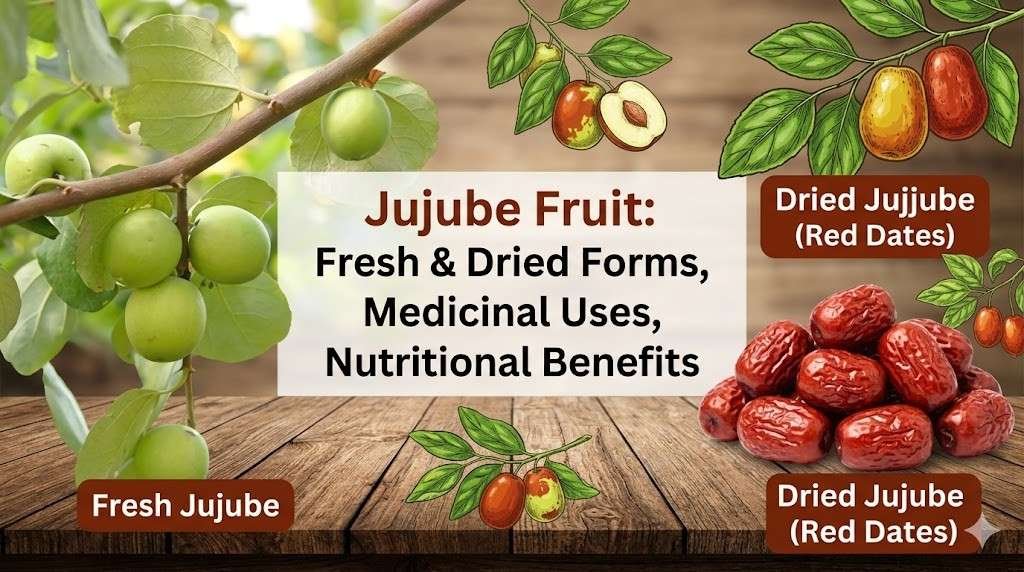
Jujube, often called red date, Chinese date, or Indian date depending on region and variety, is one of the oldest cultivated fruits in the world. For thousands of years, this small fruit has been used in traditional food systems and herbal wellness practices across Asia, the Middle East, and parts of Europe. Although it resembles a date when dried, fresh jujube has a crisp texture similar to an apple and a mildly sweet taste that becomes richer as it ripens.
In recent years, jujube has gained global attention because of its impressive nutrient profile and natural wellness potential. It contains antioxidants, vitamin C, fiber, and beneficial plant compounds that may support immunity, digestion, sleep quality, skin health, and heart function. Whether eaten fresh, dried, brewed as tea, or added to soups and desserts, jujube offers both flavor and functional nutrition.
This fruit is especially valued because it combines traditional popularity with modern nutritional relevance. In many households, dried jujube is used daily as a natural energy snack, while fresh jujube is becoming popular in health-conscious diets because of its low-calorie and nutrient-rich nature.
This complete guide explores jujube nutrition, major health benefits, culinary uses, side effects, and why this ancient fruit is becoming increasingly popular in modern wellness routines 🌿🍎✨
What Is Jujube?
Jujube is the fruit of a thorny tree that thrives in warm and dry climates. The fruit begins green and gradually turns reddish-brown when fully mature. Fresh jujube is crunchy and juicy, while dried jujube becomes chewy and date-like.
Different regions know jujube by different names:
- Chinese date
- Red date
- Ber
- Indian jujube
Fresh jujube is often eaten raw, while dried jujube is used in teas, herbal recipes, sweets, and soups.
Nutritional Profile of Jujube
Jujube is small but nutritionally impressive. It contains:
- Vitamin C
- Potassium
- Calcium
- Iron
- Phosphorus
- Magnesium
- Fiber
- Natural sugars
- Amino acids
- Flavonoids
- Saponins
- Polyphenols
It is especially valued for antioxidants and digestive fiber.
1. Excellent for Immune System Support
Jujube contains significant vitamin C, which supports natural immunity.
Vitamin C helps:
- Strengthen immune defense
- Protect cells from oxidative stress
- Support white blood cell activity
- Improve healing response
Antioxidants in jujube further help the body defend itself against environmental stress.
Regular consumption may help support resilience during seasonal changes.
2. Rich in Antioxidants for Cellular Protection
Jujube contains multiple antioxidants including:
- Flavonoids
- Polyphenols
- Saponins
These compounds help neutralize free radicals that contribute to aging and cellular stress.
Antioxidant benefits include:
- Protection of healthy cells
- Support for long-term wellness
- Reduced oxidative burden
The fruit’s protective compounds are one reason it has remained valued for centuries.
3. Supports Better Sleep and Relaxation
One of jujube’s most famous traditional uses is promoting calmness and better sleep.
Natural plant compounds in jujube may help:
- Support relaxation
- Calm the nervous system
- Improve sleep comfort
- Reduce restlessness
Many traditional teas use dried jujube before bedtime.
Warm jujube tea remains popular for evening relaxation.
4. Promotes Healthy Digestion
Jujube contains dietary fiber that supports digestive health.
Benefits include:
- Improves bowel regularity
- Supports gut movement
- Helps digestive comfort
- Supports beneficial gut bacteria
Fiber also helps improve satiety.
Fresh jujube provides more moisture, while dried jujube provides concentrated fiber.
5. Supports Heart Health
Jujube may support cardiovascular wellness because of potassium and antioxidants.
Potential heart benefits:
- Helps maintain blood pressure balance
- Supports circulation
- Protects blood vessels from oxidative stress
Potassium helps balance sodium intake, which supports healthy blood pressure management.
6. Helps Maintain Healthy Skin
Jujube contains nutrients important for skin appearance.
These include:
- Vitamin C
- Antioxidants
- Polyphenols
Skin-related benefits may include:
- Supports collagen production
- Helps maintain elasticity
- Protects skin cells
Vitamin C is essential for natural skin repair.
7. Natural Energy Support
Jujube contains natural sugars that provide quick energy.
It can be useful for:
- Midday energy
- Pre-work snack
- Natural sweetness without processed sugar
Dried jujube is especially popular as an energy snack because it is portable and satisfying.
8. Supports Brain Health
Jujube’s antioxidants may help support cognitive wellness.
Potential benefits include:
- Protection against oxidative stress
- Support for memory function
- Nervous system nourishment
Traditional wellness systems often associate jujube with mental calmness and focus.
9. May Support Healthy Blood Circulation
Minerals like iron contribute to healthy circulation.
Iron supports:
- Hemoglobin formation
- Oxygen transport
- Energy production
Although jujube is not extremely high in iron, regular intake contributes to overall nutrient diversity.
10. Supports Weight-Friendly Eating
Fresh jujube is relatively low in calories.
It helps because:
- Fiber increases fullness
- Natural sweetness reduces sugar cravings
- Low calorie density supports portion control
Fresh jujube can be a smart alternative to sugary snacks.
11. Helps Support Bone Health
Jujube contains minerals such as:
- Calcium
- Phosphorus
- Magnesium
These minerals support:
- Bone strength
- Structural maintenance
- Mineral balance
Although not a major mineral source alone, jujube contributes as part of a balanced diet.
12. Supports Healthy Aging
Jujube’s antioxidant profile makes it valuable for healthy aging.
Benefits include:
- Reduced oxidative stress
- Support for healthy skin aging
- Cellular protection
Foods rich in antioxidants often support long-term wellness.
Fresh Jujube vs Dried Jujube
Fresh Jujube
- Crisp texture
- Apple-like taste
- More moisture
- Lower sugar concentration
Dried Jujube
- Chewy texture
- Sweeter flavor
- Higher concentrated sugars
- Used in teas and recipes
Both forms provide benefits.
How to Eat Jujube
Jujube can be enjoyed in many ways:
- Raw fresh fruit
- Dried snack
- Herbal tea
- Smoothies
- Soups
- Porridge
- Desserts
Fresh fruit is refreshing, while dried fruit works well in warm preparations.
Jujube Tea Benefits
Jujube tea is widely consumed for relaxation and comfort.
Benefits may include:
- Warm digestive support
- Evening calm
- Gentle hydration
To prepare:
- Slice dried jujube
- Boil in water
- Simmer 10–15 minutes
- Drink warm
Some people add ginger.
Jujube in Traditional Food Culture
Jujube has long been included in:
- Herbal soups
- Rice dishes
- Sweet syrups
- Tonic drinks
Its long history explains why it remains respected today.
Jujube for Modern Healthy Snacking
Fresh jujube is increasingly popular because it offers:
- Crunchy texture
- Mild sweetness
- Easy portability
It fits modern healthy snacking trends well.
Possible Side Effects of Jujube
Jujube is generally safe, but excessive intake may cause:
- Digestive discomfort
- Mild bloating
- High sugar intake if dried form is overconsumed
People with blood sugar concerns should monitor dried portions carefully.
Fun Facts About Jujube
- Jujube trees can survive dry climates
- Some trees live many decades
- Fresh fruit changes texture dramatically when dried
- It has been cultivated for thousands of years
- Many cultures use it in festive foods
Jujube vs Dates
Although often called red date, jujube differs from dates.
Jujube
- Crisp when fresh
- Lower sweetness fresh
- More vitamin C
Dates
- Soft texture
- Naturally very sweet
- Higher calories
Both are nutritious but different in composition.
Why Jujube Is Becoming Popular Globally
Modern consumers appreciate jujube because it offers:
- Traditional credibility
- Functional nutrition
- Natural sweetness
- Versatile culinary use
Its growing popularity reflects interest in ancient fruits with modern benefits.
Best Time to Eat Jujube
Good times include:
- Morning snack
- Afternoon energy boost
- Evening tea in dried form
Fresh fruit works well anytime.
Jujube in Wellness Drinks
Jujube is increasingly used in:
- Herbal infusions
- Functional beverages
- Fruit tonics
It blends well with ginger, lemon, and honey.
Final Thoughts
Jujube is one of the most fascinating ancient fruits still highly relevant today. Its combination of vitamin C, antioxidants, fiber, minerals, and calming plant compounds makes it valuable for immunity, digestion, skin, sleep, and overall wellness.
Whether eaten fresh for crunch, dried for sweetness, or brewed as tea for comfort, jujube offers both nutrition and tradition in one small fruit.
Its growing popularity proves that ancient fruits still have an important place in modern healthy eating
FAQs
1. What is jujube fruit good for?
Jujube supports immunity, digestion, skin health, relaxation, and heart wellness because it contains antioxidants, vitamin C, and fiber.
2. Can jujube be eaten raw?
Yes, fresh jujube can be eaten raw and has a crisp texture similar to an apple.
3. Is jujube the same as dates?
No, jujube is different from dates. Fresh jujube is crunchy, while dates are soft and sweeter.
4. Is dried jujube healthy?
Yes, dried jujube is nutritious but contains more concentrated natural sugars than fresh fruit.
5. Does jujube help sleep?
Jujube is traditionally used to promote relaxation and support better sleep.
6. Is jujube rich in vitamin C?
Yes, fresh jujube contains a good amount of vitamin C.
7. Can people with diabetes eat jujube?
Fresh jujube may be suitable in moderation, but dried jujube should be eaten carefully because of higher sugar concentration.
8. What does jujube taste like?
Fresh jujube tastes mildly sweet and crisp, while dried jujube tastes richer and date-like.
9. Is jujube good for digestion?
Yes, its fiber supports digestive health and bowel regularity.
10. Can jujube be used in tea?
Yes, dried jujube is commonly used in herbal tea.
11. Is jujube good for skin?
Its vitamin C and antioxidants help support healthy skin.
12. Why is jujube called red date?
Because dried jujube resembles dates in appearance and sweetness.
Also read :
Sea Buckthorn Benefits: Why This Orange Superberry Is Trending