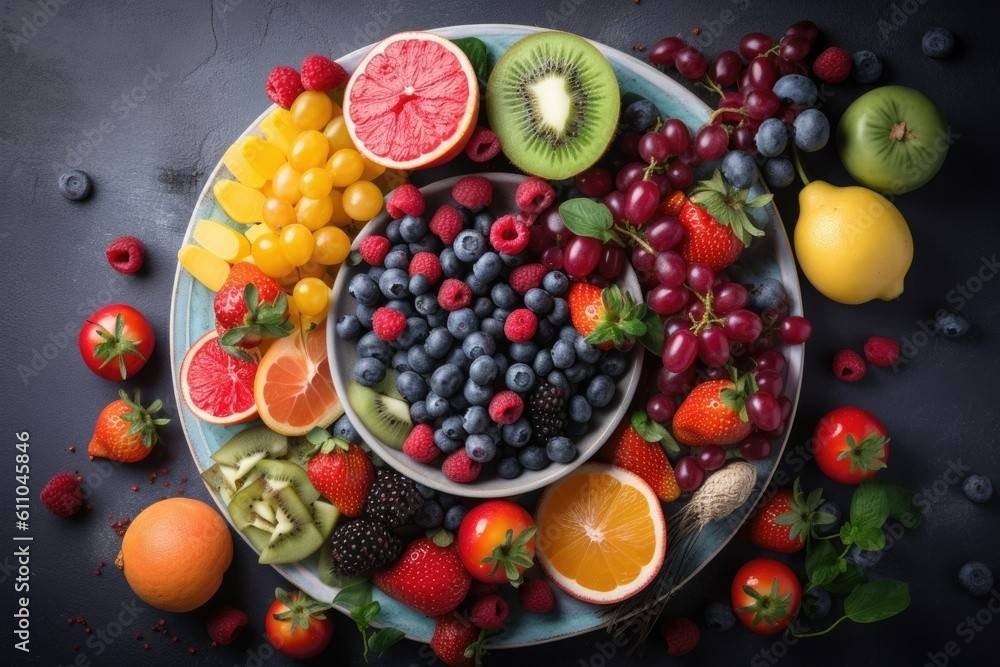
Immunity Boosting Fruits – A strong immune system is essential for defending the body against infections, viruses, and fatigue. While lifestyle factors like sleep, exercise, and stress management play a major role, nutrition is the foundation of immunity. One of the easiest ways to support your immune system is by including nutrient-rich fruits in your daily diet.
Fruits are packed with vitamins, minerals, antioxidants, and fiber that help strengthen the body’s natural defenses. This blog will explore the top 10 immunity-boosting fruits, their health benefits, nutritional profile, and ways to include them in your daily meals.
1. Orange
Oranges are among the most popular fruits for immunity due to their high vitamin C content.
Nutritional Highlights
- Vitamin C: 70 mg per medium orange
- Fiber: 3 g
- Antioxidants: Flavonoids and carotenoids
Immune Benefits
- Supports white blood cell production
- Neutralizes free radicals
- Reduces inflammation
How to Consume
- Eat raw as a snack
- Freshly squeezed orange juice
- Add to salads or smoothies
2. Kiwi
Kiwis are small but packed with nutrients that help boost immunity.
Nutritional Highlights
- Vitamin C: 92 mg per fruit
- Vitamin K, Vitamin E, Potassium
- Fiber and antioxidants
Immune Benefits
- Enhances immune response
- Supports gut health due to fiber
- Protects cells from oxidative stress
How to Consume
- Eat fresh
- Add to yogurt or smoothies
- Mix with other fruits in a fruit salad
3. Papaya
Papaya is rich in vitamins A, C, and E, making it a superfruit for immune support.
Nutritional Highlights
- Vitamin C: 88 mg per 100 g
- Vitamin A: 950 IU
- Enzymes: Papain for digestion
Immune Benefits
- Supports antioxidant defense
- Enhances white blood cell function
- Aids digestion for better nutrient absorption
How to Consume
- Eat fresh or in fruit bowls
- Blend into smoothies
- Add to tropical salads
4. Guava
Guava is another vitamin C powerhouse with additional immune benefits.
Nutritional Highlights
- Vitamin C: 228 mg per 100 g
- Fiber: 5 g
- Potassium, Folate
Immune Benefits
- Strengthens immune cells
- Helps maintain healthy skin
- Reduces oxidative stress
How to Consume
- Eat raw with a sprinkle of salt
- Juice or smoothie
- Add to desserts or breakfast bowls
5. Blueberries
Blueberries are rich in antioxidants like flavonoids that support immune health.
Nutritional Highlights
- Vitamin C: 9.7 mg per 100 g
- Vitamin K: 19.3 µg
- Antioxidants: Anthocyanins
Immune Benefits
- Neutralizes free radicals
- Reduces inflammation
- Supports heart and brain health
How to Consume
- Add to cereals, yogurt, or smoothies
- Eat raw as a snack
- Blend into healthy desserts
6. Strawberries
Strawberries are loaded with vitamin C and plant compounds that strengthen immunity.
Nutritional Highlights
- Vitamin C: 59 mg per 100 g
- Fiber: 2 g
- Antioxidants: Polyphenols and flavonoids
Immune Benefits
- Boosts white blood cell function
- Reduces oxidative stress
- Supports heart health
How to Consume
- Eat fresh
- Add to smoothies or salads
- Mix with yogurt or oatmeal
7. Mango
Mangoes are tropical fruits rich in vitamins A and C, perfect for immunity.
Nutritional Highlights
- Vitamin C: 36 mg per 100 g
- Vitamin A: 54 µg
- Fiber: 1.6 g
Immune Benefits
- Supports eye health and immunity
- Provides antioxidants for cell protection
- Enhances digestion with natural enzymes
How to Consume
- Eat fresh slices
- Blend into smoothies or shakes
- Add to fruit salads
8. Pineapple
Pineapple contains vitamin C and bromelain, a natural enzyme with anti-inflammatory properties.
Nutritional Highlights
- Vitamin C: 47.8 mg per 100 g
- Bromelain: digestive enzyme
- Manganese: 0.9 mg
Immune Benefits
- Supports digestion and gut health
- Reduces inflammation
- Strengthens immunity naturally
How to Consume
- Eat fresh or in fruit bowls
- Add to smoothies or juices
- Use in salads or tropical dishes
9. Pomegranate
Pomegranates are packed with antioxidants like polyphenols and vitamin C.
Nutritional Highlights
- Vitamin C: 10 mg per 100 g
- Antioxidants: Punicalagins, flavonoids
- Fiber: 4 g
Immune Benefits
- Neutralizes free radicals
- Reduces inflammation
- Supports heart health and blood circulation
How to Consume
- Eat seeds (arils) directly
- Juice fresh pomegranate
- Add to salads or yogurt
10. Watermelon
Watermelon is hydrating and contains vitamins A and C for immune support.
Nutritional Highlights
- Vitamin C: 8.1 mg per 100 g
- Vitamin A: 569 IU
- High water content: 92%
Immune Benefits
- Keeps body hydrated
- Supports skin and eye health
- Provides antioxidants to fight free radicals
How to Consume
- Eat fresh slices
- Blend into smoothies or juice
- Add to fruit salads
Why Immunity Fruits Are Important
Fruits provide essential nutrients that the body cannot produce on its own:
- Vitamin C – Boosts white blood cells
- Vitamin A – Supports mucosal immunity
- Fiber – Supports gut health
- Antioxidants – Protect cells from free radical damage
- Hydration – Fruits with high water content keep the body hydrated
Eating a variety of fruits ensures you get a broad spectrum of vitamins, minerals, and antioxidants necessary for a strong immune system.
Tips for Including These Fruits Daily
- Mix fruits in breakfast cereals or oatmeal
- Prepare smoothies combining 2–3 immunity fruits
- Snack on fresh fruits between meals
- Use in salads, desserts, or yogurt bowls
- Include seasonal fruits for maximum freshness and nutrients
FAQs About Immunity-Boosting Fruits
Q1: Which fruit is best for daily immunity?
A: Citrus fruits like oranges and guavas are excellent daily sources of vitamin C.
Q2: Can I combine immunity fruits in smoothies?
A: Yes! Combining fruits like berries, kiwi, and mango increases nutrient variety.
Q3: Are immunity fruits safe for children?
A: Yes, most immunity fruits are safe in moderation for kids.
Q4: Can fruits replace vitamins supplements?
A: While fruits provide natural vitamins and antioxidants, supplements may be needed if you have deficiencies.
Q5: Is it better to eat fruits raw or juice them?
A: Eating fruits whole retains fiber and slows sugar absorption, but fresh juice is also beneficial if consumed in moderation.
Final Thoughts
Incorporating these top 10 immunity-boosting fruits into your daily diet is one of the easiest ways to support your body’s natural defenses. Combining fruits with a balanced diet, adequate hydration, sleep, and regular exercise creates a holistic approach to stronger immunity and overall health.
Focusing on variety ensures you get a full spectrum of vitamins, minerals, and antioxidants, keeping your immune system ready to fight infections naturally.