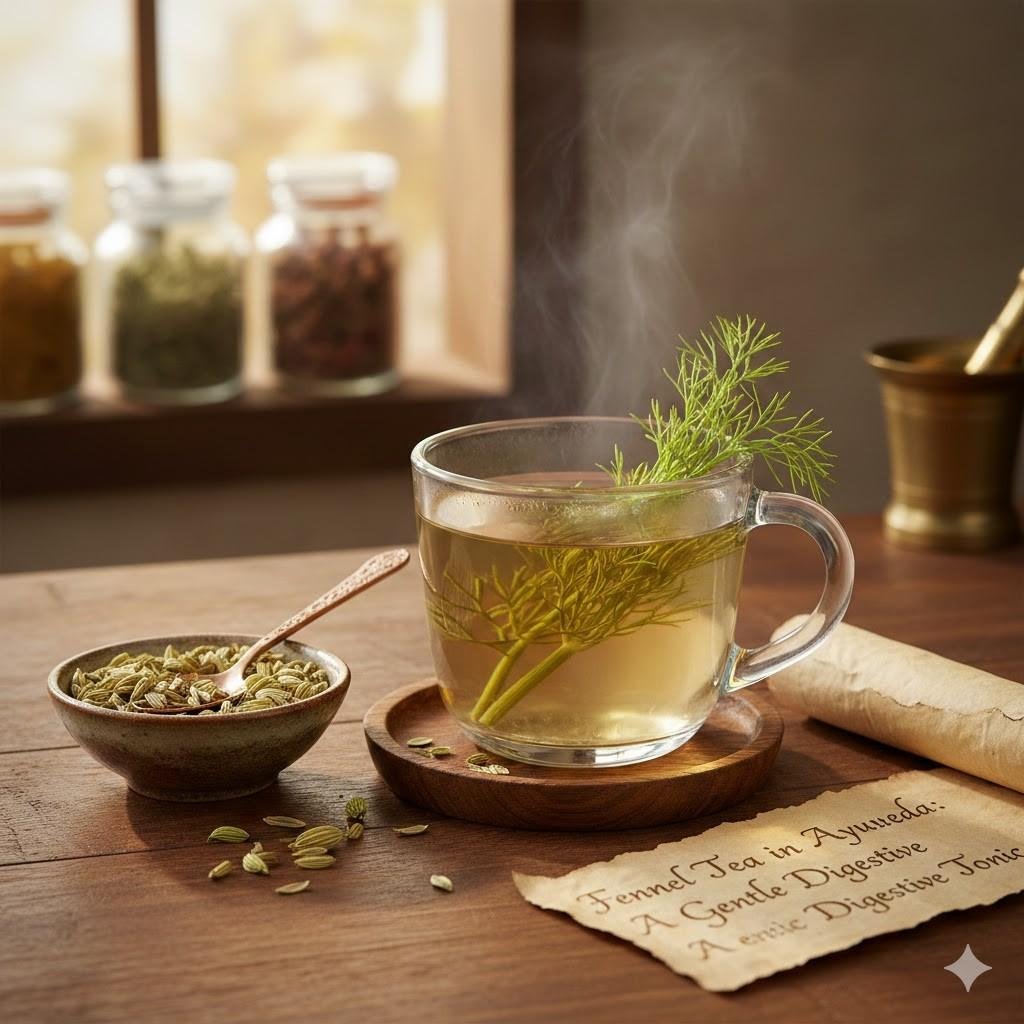
In the vast world of herbal wellness, few remedies are as comforting, versatile, and time-tested as fennel tea. Known for its mildly sweet flavor, soothing aroma, and digestive benefits, fennel tea has been treasured in Ayurvedic traditions for centuries. Often recommended after meals, during digestive discomfort, or even as a calming bedtime drink, this humble herbal infusion embodies Ayurveda’s philosophy of gentle healing.
Unlike harsh remedies that force the body into balance, fennel tea works subtly — nurturing digestion, calming inflammation, and supporting overall vitality without overwhelming the system. Whether you are exploring Ayurveda for the first time or looking to deepen your herbal routine, fennel tea offers an accessible and effective starting point.
This comprehensive guide explores fennel tea through an Ayurvedic lens — its history, health benefits, preparation methods, therapeutic uses, and practical tips for incorporating it into daily life.
What Is Fennel Tea?
Fennel tea is made by steeping fennel seeds in hot water to extract their essential oils and therapeutic compounds. The seeds come from the fennel plant, a flowering herb belonging to the carrot family. While fennel is widely used as a culinary spice across cultures, Ayurveda recognizes it as a powerful medicinal herb.
The tea has a naturally sweet, licorice-like flavor that requires little to no sweetener. Its gentle nature makes it suitable for people of all ages, including children and the elderly.
Key Characteristics:
- Naturally caffeine-free
- Mild and soothing
- Slightly sweet flavor
- Cooling yet digestion-supportive
- Easy to prepare
The Ayurvedic Perspective on Fennel
In Ayurveda, fennel is considered a tridoshic herb, meaning it can help balance all three doshas — Vata, Pitta, and Kapha — when used appropriately.
Ayurvedic Properties of Fennel
- Rasa (Taste): Sweet and slightly pungent
- Virya (Energy): Cooling
- Vipaka (Post-digestive effect): Sweet
- Guna (Qualities): Light and slightly oily
These qualities explain why fennel is often recommended for digestive disturbances, excess heat in the body, and inflammatory conditions.
Why Ayurveda Loves Fennel
Ayurveda places tremendous importance on Agni, or digestive fire. When Agni is strong, nutrients are absorbed efficiently, toxins are minimized, and energy flows freely.
Fennel supports Agni without aggravating heat — a rare and valuable trait.
It is particularly helpful when digestion is:
- Sluggish but sensitive
- Inflamed
- Accompanied by acidity
- Disrupted by stress
Digestive Benefits of Fennel Tea
Digestive health is the cornerstone of Ayurvedic wellness, and fennel tea excels in this area.
1. Reduces Bloating and Gas
Fennel seeds contain volatile oils that relax gastrointestinal muscles. This prevents gas buildup and allows trapped air to pass comfortably.
Drinking fennel tea after meals can help you avoid the heavy, distended feeling that often follows overeating.
2. Enhances Nutrient Absorption
Weak digestion doesn’t just cause discomfort — it limits how much nutrition your body receives from food.
Fennel gently stimulates digestive enzymes, helping your body extract more vitamins and minerals.
3. Soothes Acid Reflux
Because of its cooling energy, fennel helps neutralize excess stomach heat. This makes it especially beneficial for people prone to:
- Heartburn
- Hyperacidity
- Burning sensations
Unlike many antacids, fennel does not suppress digestion — it improves it.
4. Prevents Constipation
Fennel tea promotes smooth intestinal movement while relaxing the digestive tract. Over time, this can support more regular bowel habits.
5. Combats Indigestion
Whether caused by heavy foods, irregular eating, or emotional stress, indigestion responds well to fennel’s calming influence.
How Fennel Tea Balances the Doshas
Understanding doshic effects can help you personalize your herbal routine.
For Vata
Vata imbalance often leads to:
- Gas
- Irregular digestion
- Abdominal discomfort
Fennel’s mild warmth and oiliness counteract dryness and instability.
Tip: Combine fennel with ginger for deeper Vata support.
For Pitta
Pitta types tend to experience:
- Acid reflux
- Irritability
- Excess heat
- Loose stools
Fennel’s cooling nature makes it one of the safest digestive herbs for Pitta.
Tip: Brew fennel with rose petals or coriander seeds for enhanced cooling.
For Kapha
Kapha digestion can feel slow and heavy.
Fennel helps stimulate metabolism without being overly heating.
Tip: Add a pinch of black pepper to increase its stimulating effect.
Additional Health Benefits Beyond Digestion
While fennel tea is famous for digestive support, its benefits extend throughout the body.
Supports Hormonal Balance
Fennel contains phytoestrogen-like compounds that may help regulate hormonal fluctuations. Many people find it helpful during menstrual cycles for easing cramps and bloating.
Promotes Clear Skin
In Ayurveda, skin issues often reflect internal imbalance — especially poor digestion.
By supporting detoxification and reducing inflammation, fennel tea may contribute to clearer, calmer skin.
Aids Weight Management
Fennel tea is not a magic weight-loss solution, but it can assist healthy habits by:
- Reducing cravings
- Preventing overeating
- Supporting metabolism
- Minimizing water retention
Encourages Better Sleep
Its calming aroma and gentle muscle-relaxing properties make fennel tea a soothing nighttime beverage.
Warm herbal teas signal the nervous system to slow down — an important step toward restful sleep.
Freshens Breath Naturally
Fennel seeds are traditional mouth fresheners for good reason. Their antimicrobial qualities help combat odor-causing bacteria.
Fennel Tea for Women’s Health
Ayurveda frequently recommends fennel for female reproductive wellness.
Menstrual Comfort
Fennel’s antispasmodic properties may help reduce uterine contractions, easing menstrual cramps.
Postpartum Support
New mothers often use fennel to support digestion and overall recovery. Traditionally, it has also been associated with promoting healthy lactation.
(Always consult a healthcare professional before using herbs during pregnancy or postpartum recovery.)
Emotional Balance
Hormonal fluctuations can influence mood. Fennel’s calming effects may help stabilize emotional swings.
How to Make Fennel Tea (Traditional Ayurvedic Method)
One of fennel tea’s greatest advantages is its simplicity.
Basic Recipe
Ingredients:
- 1 teaspoon fennel seeds
- 1 cup water
Instructions:
- Lightly crush the fennel seeds to release their oils.
- Bring water to a gentle boil.
- Add the seeds and simmer for 5–7 minutes.
- Strain and drink warm.
Avoid over-boiling, as this can make the tea bitter.
Advanced Ayurvedic Blends
Once comfortable with fennel tea, you can customize it.
Digestive Power Blend
- Fennel
- Cumin
- Coriander
This classic trio is often called a digestive harmony formula.
Cooling Summer Tea
- Fennel
- Mint
- Rose
Serve slightly warm or at room temperature.
Metabolism Support Tea
- Fennel
- Ginger
- Cinnamon
Ideal for colder months.
When Should You Drink Fennel Tea?
Timing can enhance herbal effectiveness.
Best times include:
- After meals
- Mid-afternoon for bloating
- Before bed for relaxation
- During seasonal transitions
Avoid drinking excessive amounts immediately before large meals, as it may dilute digestive enzymes.
Who Should Drink Fennel Tea?
Fennel tea is suitable for most people, particularly those experiencing:
- Sensitive digestion
- Frequent bloating
- Acid reflux
- Slow metabolism
- Hormonal discomfort
It is also excellent for individuals seeking caffeine-free alternatives.
Are There Any Side Effects?
Fennel tea is generally safe when consumed in moderation, but awareness is important.
Possible Considerations:
- Allergic reactions (rare)
- Hormone-sensitive conditions may require medical guidance
- Overconsumption could lead to mild digestive upset
Stick to 1–3 cups daily unless advised otherwise by a professional.
Fennel Tea vs. Other Digestive Teas
Let’s see how fennel compares.
| Tea | Energy | Best For | Intensity |
|---|---|---|---|
| Fennel | Cooling | Acid reflux, gentle digestion | Mild |
| Ginger | Heating | Cold digestion, nausea | Strong |
| Peppermint | Cooling | IBS-type symptoms | Moderate |
| Cumin | Warming | Sluggish metabolism | Moderate |
Fennel stands out for its balance — effective yet non-aggressive.
Modern Science Meets Ancient Wisdom
Research increasingly supports traditional herbal knowledge.
Fennel contains compounds such as:
- Anethole
- Fenchone
- Estragole
- Flavonoids
These contribute to:
- Anti-inflammatory effects
- Antioxidant activity
- Smooth muscle relaxation
While Ayurveda understood fennel through energetic principles, modern science is now validating many of its benefits.
How to Choose High-Quality Fennel Seeds
Herbal potency begins with ingredient quality.
Look for seeds that are:
- Bright green
- Aromatic
- Organic when possible
- Free from dust
Store them in an airtight container away from sunlight.
Fresh seeds produce sweeter, more therapeutic tea.
Creating a Daily Fennel Ritual
Ayurveda emphasizes consistency over intensity.
Consider building a simple ritual:
Morning: Warm water
After lunch: Fennel tea
Evening: Light herbal infusion
Small habits create lasting change.
Try drinking fennel tea mindfully — without screens — allowing your body to relax into digestion.
Seasonal Use in Ayurveda
Herbal needs shift with the seasons.
Summer
Fennel’s cooling nature helps counter external heat.
Autumn
Supports digestion as dryness increases.
Winter
Pair with warming spices to maintain balance.
Spring
Helps clear sluggishness from heavier winter diets.
Fennel Tea for Stress-Related Digestion
Modern lifestyles often disrupt gut health.
Stress activates the sympathetic nervous system — the “fight or flight” mode — which suppresses digestion.
Warm fennel tea encourages parasympathetic activity, guiding the body back into “rest and digest.”
Take slow sips and deep breaths for maximum benefit.
Can You Drink Fennel Tea Every Day?
Yes — and Ayurveda often encourages gentle daily herbs.
However, variety is beneficial.
Rotate fennel with other herbal teas occasionally to provide a broader spectrum of plant compounds.
Think of fennel as a foundational herb rather than the only one in your wellness toolkit.
Sustainability and Herbal Wisdom
Fennel is widely cultivated and generally considered environmentally friendly compared to rarer medicinal plants.
Choosing responsibly sourced herbs supports both ecological balance and traditional farming communities.
Final Thoughts: Gentle Yet Powerful
Fennel tea perfectly represents Ayurveda’s belief that healing does not need to be dramatic to be effective. Sometimes the most transformative remedies are also the simplest.
With its soothing flavor, digestive support, hormonal benefits, and calming qualities, fennel tea is more than just a beverage — it is a daily act of self-care.
In a world that often prioritizes quick fixes, fennel reminds us that steady, nurturing practices create the strongest foundations for health.
So the next time your stomach feels unsettled, your body overheated, or your mind restless, consider reaching for a warm cup of fennel tea.
Your digestion — and your entire system — may thank you.
FAQs
1. Is fennel tea good for digestion?
Yes. It helps reduce gas, bloating, and indigestion while supporting smoother nutrient absorption.
2. Can I drink fennel tea every day?
Most people can safely enjoy 1–3 cups daily.
3. Does fennel tea help with weight loss?
It supports digestion and appetite control but works best alongside healthy lifestyle habits.
4. Is fennel tea cooling or warming?
In Ayurvedic terms, it has a cooling energy while still promoting digestive strength.
5. Can fennel tea reduce acidity?
Yes, its cooling properties may help soothe heartburn and excess stomach heat.
6. Is it safe during pregnancy?
Consult a healthcare professional before using herbal remedies during pregnancy.
7. When is the best time to drink fennel tea?
After meals is ideal for digestive support.
8. Can children drink fennel tea?
In mild preparations, it is traditionally used for children, but always check with a pediatric professional.
9. Does fennel tea contain caffeine?
No — it is naturally caffeine-free.
10. How long does it take to see benefits?
Some relief, like reduced bloating, may occur quickly, while deeper digestive improvements develop with regular use.
Also read: