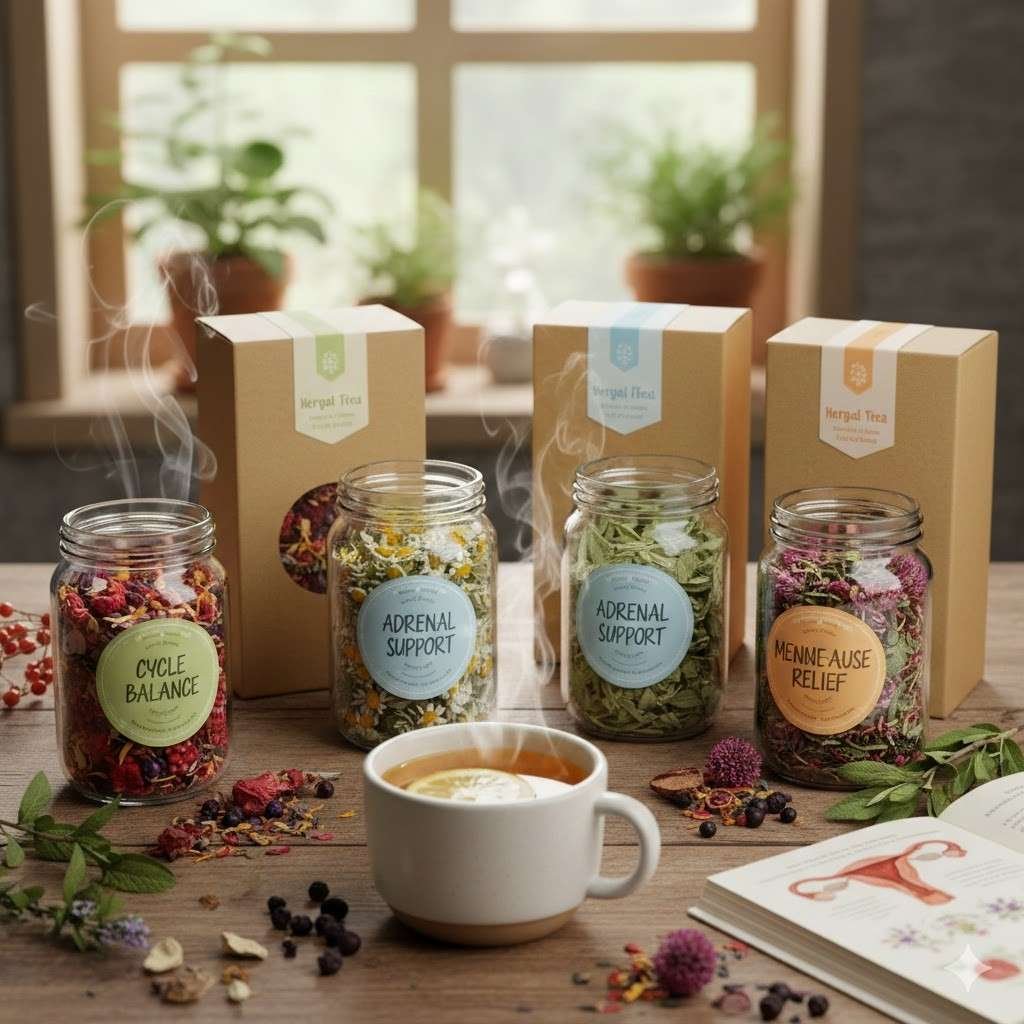
Hormones influence nearly every aspect of a woman’s health — from mood and metabolism to sleep, skin, fertility, and menstrual cycles. When hormones are balanced, the body tends to feel steady and resilient. When they fluctuate or become imbalanced, symptoms such as irregular periods, PMS, acne, fatigue, mood swings, and sleep disturbances can appear.
In recent years, more women have begun exploring natural wellness strategies to support hormone balance. Among the most accessible and time-honored approaches is herbal tea.
Herbal teas have been used for centuries in traditional systems of healing to support reproductive health, regulate cycles, ease menstrual discomfort, and promote emotional stability. Today, modern research is beginning to examine what traditional wisdom long suggested: certain herbs may gently support hormone health.
In this comprehensive guide, we’ll explore:
- How hormones affect women’s health
- What causes hormonal imbalance
- The best herbal teas for women’s hormone health
- How these teas work
- When to drink them
- Safety considerations
- How to build a hormone-supportive tea routine
Let’s begin with the basics.
Understanding Women’s Hormones
The endocrine system produces and regulates hormones — chemical messengers that travel through the bloodstream to coordinate body functions.
Key hormones involved in women’s health include:
- Estrogen
- Progesterone
- Testosterone
- Cortisol
- Thyroid hormones
- Insulin
These hormones fluctuate naturally during:
- The menstrual cycle
- Pregnancy
- Postpartum
- Perimenopause
- Menopause
Temporary changes are normal. However, chronic stress, poor sleep, diet, certain medical conditions, and lifestyle factors may contribute to imbalances.
Common signs of hormonal imbalance:
- Irregular periods
- Heavy or painful menstruation
- Acne or oily skin
- Hair thinning
- Fatigue
- Mood swings
- Anxiety
- Difficulty sleeping
- Weight fluctuations
Herbal teas are not medical treatments, but they may provide gentle support for the body’s natural regulatory systems.
Best Herbal Teas for Women’s Hormone Health
Below are the most commonly recommended herbal teas for supporting hormone balance and cycle wellness.
1. Spearmint Tea — Support for Androgen Balance
Spearmint tea has gained attention for its potential effects on androgen levels.
It may be helpful for women experiencing:
- Hormonal acne
- Excess facial hair
- Irregular cycles associated with elevated androgens
Some small studies suggest spearmint may help reduce free testosterone levels when consumed consistently.
How to use:
Drink 1–2 cups daily for several weeks to assess benefits.
Best for:
Women with PCOS-related symptoms or androgen-related concerns.
2. Red Raspberry Leaf Tea — Uterine Support Tonic
Traditionally used for reproductive wellness, red raspberry leaf is often referred to as a uterine tonic.
It may:
- Support uterine muscle tone
- Ease menstrual cramps
- Promote cycle regularity
- Provide nutrients like iron and magnesium
Unlike quick-fix teas, raspberry leaf is best used consistently over time.
When to drink:
Throughout the month, not just during menstruation.
3. Chasteberry Tea (Vitex) — Cycle Regulation Support
Chasteberry, also known as Vitex, has a long history in women’s reproductive health.
It may support:
- Progesterone balance
- PMS symptom reduction
- Cycle regularity
- Breast tenderness relief
Vitex works gradually and is often taken over several months for noticeable effects.
Important:
Vitex may interact with hormonal medications. Always consult a healthcare provider before use.
4. Ginger Tea — Anti-Inflammatory Hormone Ally
Ginger is widely recognized for reducing inflammation.
For hormone health, it may:
- Ease menstrual pain
- Support healthy circulation
- Reduce nausea during menstruation
- Promote metabolic balance
Because inflammation can worsen hormonal symptoms, ginger tea can be a supportive addition during your cycle.
5. Chamomile Tea — Stress & Sleep Support
Stress directly affects hormones by increasing cortisol levels.
Chronically elevated cortisol may interfere with:
- Estrogen balance
- Progesterone production
- Sleep cycles
Chamomile tea may:
- Calm the nervous system
- Improve sleep quality
- Reduce anxiety
- Support relaxation
Better sleep often leads to better hormonal regulation.
6. Ashwagandha Tea — Adaptogenic Stress Support
Ashwagandha is classified as an adaptogen, meaning it may help the body adapt to stress.
Chronic stress can disrupt:
- Thyroid function
- Menstrual cycles
- Ovulation
- Mood stability
Ashwagandha tea may support:
- Cortisol balance
- Energy levels
- Mood stability
Best used in moderation and with professional guidance.
7. Green Tea — Metabolic & Antioxidant Support
Green tea contains polyphenols that may:
- Reduce inflammation
- Support metabolic function
- Improve insulin sensitivity
Insulin plays a major role in hormone health, particularly in women with PCOS.
Because green tea contains caffeine, limit intake if sensitive.
8. Licorice Root Tea — Adrenal & Hormone Support
Licorice root is sometimes used to support adrenal function.
It may:
- Help modulate cortisol
- Support estrogen balance
- Ease fatigue
However, excessive intake can raise blood pressure, so it should be used cautiously.
9. Fennel Tea — Digestive & Estrogenic Support
Fennel contains phytoestrogens — plant compounds that may mimic weak estrogen effects.
It may help:
- Reduce bloating
- Ease menstrual cramps
- Support mild estrogen balance
Fennel tea is gentle and often well tolerated.
10. Lemon Balm Tea — Mood & PMS Relief
Hormone fluctuations often affect mood.
Lemon balm may:
- Calm anxiety
- Reduce irritability
- Promote restful sleep
- Support emotional balance during PMS
It pairs well with chamomile for nighttime use.
Herbal Teas for Different Hormonal Phases
Because hormones shift throughout the cycle, different teas may be helpful at different times.
Follicular Phase (After Period)
Focus: Energy and rebuilding
Helpful teas:
- Green tea
- Raspberry leaf tea
- Spearmint tea
Ovulation Phase
Focus: Balance and hydration
Helpful teas:
- Lemon balm tea
- Chamomile tea
- Spearmint tea
Luteal Phase (Before Period)
Focus: PMS relief
Helpful teas:
- Chasteberry tea
- Lemon balm tea
- Ginger tea
- Chamomile tea
Menstrual Phase
Focus: Pain relief & circulation
Helpful teas:
- Ginger tea
- Raspberry leaf tea
- Fennel tea
Hormone Health Beyond Tea
While herbal teas can support hormone balance, they work best alongside healthy habits.
Consider:
- Balanced nutrition
- Regular sleep
- Stress management
- Light exercise
- Reduced processed sugar
- Adequate hydration
Tea is a supportive tool — not a standalone solution.
Safety & Precautions
Herbal teas are generally safe in moderate amounts, but some herbs may not be suitable for everyone.
Consult a healthcare provider if you:
- Are pregnant or breastfeeding
- Take hormonal medications
- Have thyroid conditions
- Have high blood pressure
- Are on antidepressants
Moderation is key: 1–3 cups per day is typically sufficient.
Final Thoughts: A Gentle Approach to Hormone Wellness
Hormone health is deeply connected to lifestyle, stress, nutrition, and overall well-being.
Herbal teas offer:
- Warmth
- Hydration
- Plant-based compounds
- Ritual and calm
They do not force balance — they support it gently.
If you’re navigating PMS, irregular cycles, stress-related hormone shifts, or simply seeking better cycle awareness, adding targeted herbal teas may be a nourishing place to start.
Consistency matters.
Patience matters.
Listening to your body matters most.
A daily cup of thoughtfully chosen herbal tea can become more than a beverage — it can become part of a supportive, sustainable wellness routine.
And sometimes, that small ritual is exactly what the body needs.
FAQs: Herbal Teas for Women’s Hormone Health
1. What are the best herbal teas for women’s hormone health?
Some of the best herbal teas for women’s hormone health include ginger tea, chamomile tea, spearmint tea, fennel tea, red raspberry leaf tea, and ashwagandha tea. Each supports hormones differently—some reduce inflammation, others lower excess androgens, and some help manage stress hormones like cortisol.
2. Can herbal tea really balance hormones naturally?
Herbal teas don’t “instantly balance” hormones, but certain herbs may support hormone regulation by reducing stress, improving digestion, lowering inflammation, and supporting liver detox pathways. Consistency over several weeks is key for noticeable benefits.
3. Which tea is best for PMS symptoms?
Chamomile tea, ginger tea, and fennel tea are commonly used for PMS relief. They may help reduce cramps, bloating, mood swings, and inflammation associated with hormonal fluctuations before menstruation.
4. Is spearmint tea good for hormonal acne?
Yes, spearmint tea may help reduce excess androgen levels in women, which can contribute to hormonal acne. Some small studies suggest drinking it regularly may improve acne related to PCOS or hormone imbalance.
5. Can herbal teas help with PCOS?
Certain herbal teas like spearmint tea, cinnamon tea, and ginger tea may support women with PCOS by improving insulin sensitivity and reducing inflammation. However, they should complement—not replace—medical treatment.
6. What tea helps with menopause symptoms?
Sage tea, chamomile tea, red clover tea, and peppermint tea are often used to ease menopause symptoms like hot flashes, night sweats, and mood swings. Always consult a healthcare provider before using phytoestrogen-containing herbs.
7. How often should I drink herbal tea for hormone support?
Most herbal teas can be consumed 1–2 cups daily. Some stronger herbs like ashwagandha or red raspberry leaf should be used in moderation and ideally under guidance, especially during pregnancy.
8. Are herbal teas safe during pregnancy?
Not all herbal teas are safe during pregnancy. Ginger and chamomile in small amounts are generally considered safe, but herbs like red clover, licorice root, or certain detox blends should be avoided unless approved by a doctor.
9. Can herbal teas regulate irregular periods?
Herbal teas may help support menstrual regularity by reducing stress and improving circulation, but they are not guaranteed treatments. If periods are very irregular, medical evaluation is recommended.
10. Do herbal teas have side effects?
Yes, some herbs may cause allergic reactions, digestive upset, or interact with medications. For example, licorice root may raise blood pressure if consumed in large amounts. Always start slowly and consult a professional if unsure.
11. How long does it take for herbal teas to show results?
Most people may notice subtle changes within 2–4 weeks of consistent use. Hormonal balance takes time, so long-term lifestyle habits matter more than quick fixes.
12. Can I mix different herbal teas together?
Yes, many herbs complement each other. For example, ginger and chamomile can be blended for cramps and stress relief. However, avoid mixing too many strong medicinal herbs without guidance.
Also read:
Tea That Helps with Menstrual Cramps: 10 Natural Remedies for Fast Relief