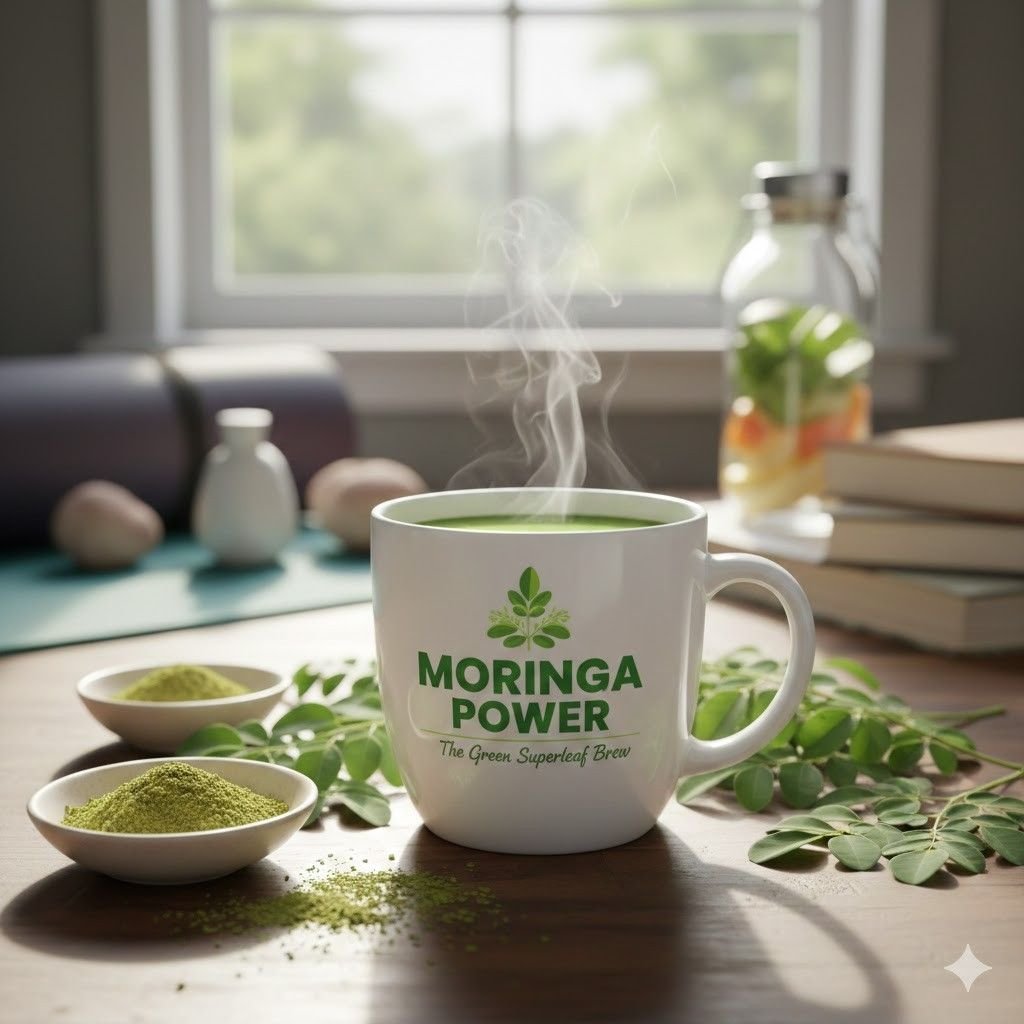
Moringa tea has rapidly gained popularity as one of the most nutrient-dense herbal beverages available today. Often called the “miracle tree” or “tree of life,” moringa has been used for centuries in traditional medicine systems across Asia and Africa. Now, this vibrant green tea is making its way into modern kitchens, wellness routines, and health blogs worldwide.
Packed with antioxidants, vitamins, and plant-based compounds, moringa tea is celebrated for supporting immunity, digestion, energy levels, and overall wellness. But does it live up to the hype? In this in-depth guide, we’ll explore the history, benefits, preparation methods, side effects, and everything you need to know about moringa tea.
What Is Moringa?
Moringa tea is made from the dried leaves of Moringa oleifera, a fast-growing tree native to parts of South Asia and Africa. It is commonly known as:
- The Drumstick Tree
- The Horseradish Tree
- The Miracle Tree
- The Tree of Life
Every part of the moringa tree — leaves, seeds, pods, flowers, and roots — has been traditionally used for food or medicine. However, the leaves are considered the most nutritious and are most commonly used to make tea.
A Brief History of Moringa
Ancient India
Moringa has been used in traditional Indian healing systems like Ayurveda for over 3,000 years. Ancient texts describe it as a plant capable of preventing and treating hundreds of conditions.
Ayurvedic practitioners valued moringa for:
- Boosting vitality
- Supporting digestion
- Strengthening immunity
- Promoting skin health
Africa
In many African communities, moringa has been used to combat malnutrition due to its rich nutrient profile. Its ability to grow in harsh climates makes it a critical food source in drought-prone areas.
Modern Global Popularity
Today, moringa is exported worldwide as:
- Powder
- Capsules
- Oil
- Tea bags
- Fresh leaf products
Its reputation as a “superfood” has fueled global demand.
Nutritional Profile of Moringa Tea
While tea made from moringa leaves contains lower nutrient concentrations than consuming the whole leaf powder, it still provides significant health-promoting compounds.
Moringa leaves are rich in:
- Vitamin A
- Vitamin C
- Vitamin E
- Calcium
- Potassium
- Iron
- Protein
- Antioxidants (quercetin, chlorogenic acid)
These nutrients contribute to its wide range of health benefits.
Top Health Benefits of Moringa Tea
Let’s explore the potential science-backed and traditional benefits.
1. Rich in Antioxidants
Moringa leaves contain powerful antioxidants such as quercetin and chlorogenic acid.
Antioxidants help:
- Neutralize free radicals
- Reduce oxidative stress
- Support healthy aging
- Protect cells from damage
Regular antioxidant intake is associated with reduced risk of chronic diseases.
2. Supports Immune Health
Thanks to its vitamin C and immune-supporting plant compounds, moringa tea may help strengthen your body’s natural defenses.
It may:
- Support white blood cell function
- Help the body fight infections
- Reduce inflammation
This makes it especially popular during seasonal changes.
3. May Help Regulate Blood Sugar
Some studies suggest that moringa may help lower blood sugar levels by improving insulin sensitivity.
Compounds like chlorogenic acid may:
- Reduce glucose absorption
- Improve metabolic response
People with diabetes should consult a healthcare professional before use.
4. Anti-Inflammatory Properties
Chronic inflammation is linked to heart disease, arthritis, and other health conditions.
Moringa contains isothiocyanates and flavonoids that may help:
- Reduce inflammation markers
- Support joint health
- Ease mild inflammatory discomfort
5. Supports Heart Health
Moringa tea may contribute to cardiovascular wellness by:
- Reducing oxidative stress
- Supporting healthy cholesterol levels
- Helping regulate blood pressure
More research is needed, but early findings are promising.
6. Promotes Healthy Digestion
Traditionally, moringa has been used to soothe digestive issues.
It may:
- Support gut balance
- Help reduce bloating
- Aid digestion
Its mild laxative effect may support regular bowel movements.
7. Natural Energy Boost
Unlike coffee, moringa tea contains no caffeine but may still enhance energy.
It supports energy by:
- Providing iron
- Supporting oxygen transport
- Offering steady nourishment without crashes
Many people describe moringa energy as clean and balanced.
8. Supports Skin and Hair Health
Thanks to its antioxidants and vitamin E content, moringa tea may help:
- Support collagen production
- Promote glowing skin
- Reduce oxidative damage
- Strengthen hair follicles
Some beauty products now include moringa extract.
What Does Moringa Tea Taste Like?
Moringa tea has a:
- Mild grassy flavor
- Slight earthy undertone
- Smooth herbal finish
It’s less bitter than green tea and can be enjoyed plain or enhanced with lemon, ginger, or honey.
How to Make Moringa Tea
There are several preparation methods.
Method 1: Using Dried Moringa Leaves
Ingredients:
- 1 teaspoon dried moringa leaves
- 1 cup hot water
Instructions:
- Heat water until just below boiling.
- Add moringa leaves to a cup.
- Pour hot water over leaves.
- Steep for 5–10 minutes.
- Strain and enjoy.
Method 2: Using Moringa Powder
- Add ½–1 teaspoon moringa powder to hot water.
- Stir well until dissolved.
- Optional: Add honey or lemon.
Note: Powder may settle at the bottom.
Method 3: Tea Bags
Steep for 5–7 minutes in hot water for convenience.
Best Time to Drink Moringa Tea
- Morning for energy support
- Afternoon as a coffee alternative
- Between meals for nutrient absorption
Avoid drinking immediately before bed if it boosts your alertness.
Moringa Tea vs. Green Tea
| Feature | Moringa Tea | Green Tea |
|---|---|---|
| Caffeine | None | Contains caffeine |
| Antioxidants | High | High |
| Energy Type | Steady | Stimulating |
| Taste | Mild grassy | Slightly bitter |
Green tea comes from Camellia sinensis, while moringa tea is made from a completely different plant.
Weight Management and Moringa Tea
Some people use moringa tea as part of weight management routines.
Potential mechanisms:
- Supporting metabolism
- Regulating blood sugar
- Reducing inflammation
- Supporting digestion
However, it works best alongside a balanced diet and exercise.
Moringa Tea in Traditional Medicine
In Ayurveda, moringa was believed to balance doshas and improve overall vitality. It was used for:
- Joint pain
- Digestive issues
- Low energy
- Skin problems
Traditional African medicine also valued moringa for strengthening the body.
Possible Side Effects of Moringa Tea
While generally safe, excessive consumption may cause:
- Digestive discomfort
- Nausea
- Diarrhea
- Lowered blood pressure
Pregnant women should avoid moringa root and bark products. Leaf tea is generally safer but should still be discussed with a healthcare provider.
Who Should Be Cautious?
Consult a healthcare professional if you:
- Are pregnant or breastfeeding
- Take blood pressure medication
- Take diabetes medication
- Have thyroid issues
Choosing High-Quality Moringa Tea
Look for:
- Organic certification
- Bright green leaf color
- No added artificial flavors
- Reputable sourcing
Freshness affects both taste and nutrient content.
Storage Tips
- Store in airtight containers
- Keep away from light and moisture
- Use within 6–12 months
Proper storage maintains potency.
Creative Ways to Enjoy Moringa Tea
Beyond traditional brewing:
- Moringa iced tea
- Moringa lemon detox drink
- Moringa smoothies
- Moringa latte with plant milk
- Herbal blends with ginger or mint
Its versatility makes it easy to incorporate into daily routines.
Can You Drink Moringa Tea Daily?
Yes, moderate daily use (1–2 cups) is considered safe for most healthy adults.
Start with small amounts to assess tolerance.
Sustainability and Moringa
Moringa is:
- Drought-resistant
- Fast-growing
- Nutrient-dense
It’s considered an environmentally sustainable crop, especially in regions facing food insecurity.
Final Thoughts
Moringa tea is more than just a trendy green beverage — it’s a centuries-old herbal remedy with a powerful nutritional profile. From supporting immune function and energy to promoting heart health and reducing inflammation, this “miracle tree” continues to earn its reputation in modern wellness circles.
While it’s not a cure-all, adding moringa tea to a balanced lifestyle may offer gentle, natural support for overall health. As always, moderation and informed use are key.
Whether you’re looking to reduce caffeine intake, boost nutrients naturally, or explore traditional herbal remedies, moringa tea is a nourishing choice worth considering.
FAQs About Moringa Tea
1. What is moringa tea made from?
Moringa tea is made from the dried leaves of Moringa oleifera, a nutrient-rich tree native to South Asia and Africa.
2. Is moringa tea caffeine-free?
Yes, moringa tea naturally contains no caffeine, making it a great alternative to coffee or traditional tea.
3. What are the main benefits of moringa tea?
Moringa tea is commonly used to:
- Support immunity
- Boost natural energy
- Provide antioxidants
- Support digestion
- Help regulate blood sugar levels
4. Can moringa tea help with weight loss?
Moringa tea may support metabolism and blood sugar balance, which can contribute to weight management when combined with a healthy diet and exercise.
5. How often can I drink moringa tea?
Most people can safely drink 1–2 cups daily. Start with small amounts to see how your body responds.
6. What does moringa tea taste like?
It has a mild, grassy, slightly earthy flavor. Many people add honey, lemon, or ginger for extra taste.
7. Can moringa tea lower blood sugar?
Some studies suggest moringa may help support healthy blood sugar levels. If you have diabetes, consult your doctor before use.
8. Is moringa tea safe during pregnancy?
Moringa leaf tea is generally considered safer than root or bark extracts, but pregnant or breastfeeding women should consult a healthcare professional before consuming it.
9. Does moringa tea help detox the body?
Moringa supports liver health and antioxidant activity, but it is not a miracle detox drink.
10. Are there side effects of moringa tea?
Excessive consumption may cause digestive upset, nausea, or lowered blood pressure. Moderation is important.
Also read: