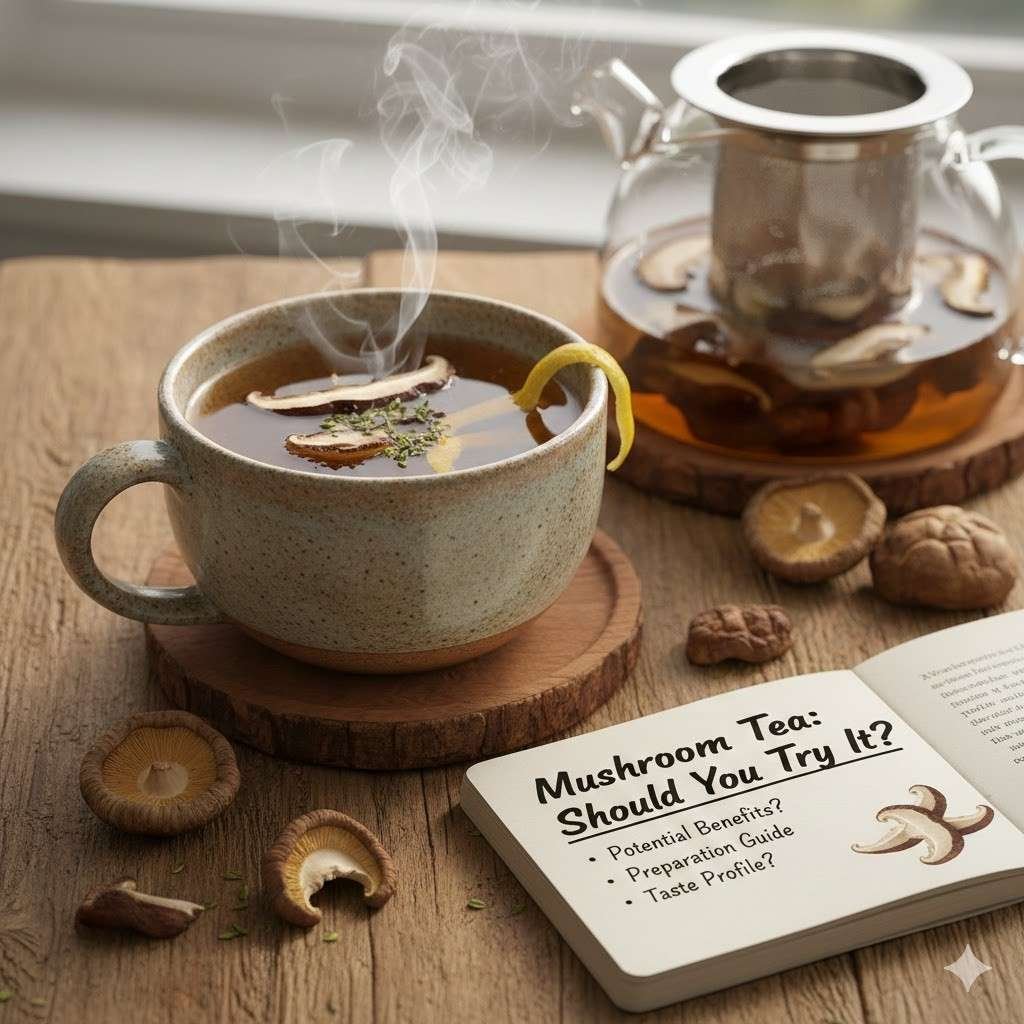
In the ever-expanding world of wellness beverages, mushroom tea has emerged as one of the most intriguing trends. Once rooted in traditional medicine, it is now gaining global attention among health enthusiasts, biohackers, and people searching for natural ways to support immunity, reduce stress, and improve overall well-being.
But with so many claims surrounding medicinal mushrooms, an important question remains: Is mushroom tea truly beneficial, or is it just another wellness fad?
This comprehensive guide explores what mushroom tea is, how it works, its science-backed benefits, potential risks, and whether it deserves a place in your daily routine.
What Is Mushroom Tea?
Mushroom tea is a herbal infusion made by steeping medicinal mushrooms — such as reishi, chaga, lion’s mane, or cordyceps — in hot water. Unlike culinary mushrooms used in cooking, these varieties are valued for their bioactive compounds that may support health.
Many functional mushrooms contain beta-glucans, polysaccharides known to help regulate immune activity rather than overstimulate it.
Mushroom teas blend tradition with modern functional nutrition, but experts emphasize that the strength of their effects depends on the mushroom species, preparation method, and consistency of use.
Importantly, research is still developing — lab studies often show promising antioxidant or anti-inflammatory activity, yet human studies remain limited.
Bottom line: Mushroom tea should be seen as a supportive wellness drink, not a replacement for medical treatment.
A Brief History of Medicinal Mushrooms
Medicinal mushrooms have been used for centuries in Eastern healing systems and Indigenous traditions. For example, chaga has historically been consumed for digestive, skin, and joint health.
Today, mushrooms like lion’s mane, reishi, and cordyceps are being rediscovered as functional ingredients with potential benefits for immune function, brain health, and inflammation.
Their transition from ancient remedies to modern wellness products reflects a broader shift toward natural self-optimization.
Why Is Mushroom Tea Suddenly So Popular?
Several factors explain its rising popularity:
- Increased interest in adaptogens
- Growing demand for caffeine-free alternatives
- Focus on immune resilience
- Curiosity about plant-based nutrition
Functional mushrooms are widely used in herbal formulations to boost vitality and overall lifespan, highlighting their enduring reputation in holistic medicine.
Additionally, many consumers are searching for beverages that deliver more than hydration — they want functional benefits.
Types of Mushrooms Commonly Used in Tea
1. Reishi — The Relaxation Mushroom
Often called an adaptogen, reishi contains compounds linked to calming effects on the nervous system, making it popular as an evening tea.
Studies also suggest triterpenes in reishi may help reduce cortisol and promote relaxation.
Best for: stress, sleep support, immune balance.
2. Chaga — The Antioxidant Powerhouse
Chaga mushrooms contain high levels of antioxidants that help neutralize free radicals and reduce oxidative stress.
They are rich in compounds like polyphenols and melanin, which contribute to inflammation reduction.
Best for: immune health, cellular protection.
3. Lion’s Mane — Brain Booster
Lion’s mane features compounds that stimulate nerve growth factor, a protein essential for neuron maintenance.
Clinical research has shown improvements in cognitive function among older adults with mild impairment after regular consumption.
Best for: focus, memory, mental clarity.
4. Cordyceps — Energy Enhancer
Cordyceps may improve oxygen utilization and ATP production, potentially increasing stamina.
Some studies suggest benefits for athletic performance, though evidence is still emerging.
Best for: endurance, fatigue reduction.
Key Nutrients in Mushroom Tea
Medicinal mushrooms are rich in:
- Beta-glucans
- Polyphenols
- Triterpenoids
- Polysaccharides
These compounds are associated with immune modulation and antioxidant activity.
Phenolic compounds found in mushrooms also demonstrate strong antioxidant properties that may help reduce the risk of chronic diseases linked to oxidative stress.
Potential Health Benefits of Mushroom Tea
Let’s explore the evidence-backed advantages.
1. Supports Immune Function
Research shows mushroom extracts may increase natural killer cell activity and improve immune markers.
Rather than forcing the immune system into overdrive, beta-glucans help balance immune responses.
Why this matters: A balanced immune system is better equipped to respond to threats without triggering excessive inflammation.
2. May Reduce Stress and Improve Sleep
A randomized controlled trial found that mushroom blend supplementation significantly reduced psychological stress and fatigue while improving sleep quality.
Participants also showed reductions in cortisol — the body’s primary stress hormone.
This supports the long-standing belief that adaptogenic mushrooms help the body cope with stress.
3. Brain Health and Cognitive Support
Lion’s mane is gaining attention for its ability to influence nerve growth factors and support brain health.
Early clinical trials suggest cognitive improvements after consistent intake.
While promising, larger human studies are still needed.
4. Powerful Antioxidant Protection
Many medicinal mushrooms — especially chaga — possess exceptional antioxidant capacity.
Antioxidants combat free radicals, which are linked to aging and chronic disease.
5. Digestive and Gut Support
Certain mushrooms provide prebiotic fibers that nourish beneficial gut bacteria, although eating whole mushrooms offers stronger effects than tea alone.
Still, regular consumption may contribute to digestive balance.
6. Energy Without the Jitters
Cordyceps has been shown to enhance cellular energy production, making it attractive to athletes.
Unlike coffee, mushroom tea is typically caffeine-free.
What Does Science Say Overall?
The consensus among researchers is cautiously optimistic.
- Many studies show promising results.
- Evidence is stronger in lab and animal research.
- Human trials are growing but still limited.
Experts recommend viewing mushroom tea as a complement to a healthy lifestyle, not a miracle cure.
Possible Side Effects and Risks
Despite their benefits, medicinal mushrooms are not risk-free.
Common Side Effects
- Digestive discomfort
- Nausea
- Stomach upset
Some people may also experience dizziness or headaches.
Medication Interactions
Reishi and other mushrooms may interact with blood thinners, blood pressure drugs, or diabetes medications.
Chaga may increase hypoglycemia risk when combined with diabetes treatments.
Who Should Avoid Mushroom Tea?
Certain populations should consult a healthcare provider before use:
- Pregnant or breastfeeding individuals
- People with bleeding disorders
- Those on blood-pressure medications
People with chronic conditions should also exercise caution.
Mushroom Tea vs Mushroom Coffee
Both beverages deliver functional compounds, but tea offers advantages:
Tea:
- Usually caffeine-free
- Calming
- Hydrating
Coffee blends:
- May still cause jitters or sleep disruption due to caffeine
- Can trigger gastrointestinal issues in sensitive individuals
If you’re trying mushrooms for relaxation, tea is often the better starting point.
Does Mushroom Tea Taste Good?
Let’s be honest — flavor is subjective.
Common taste notes include:
- Earthy
- Woody
- Slightly bitter
Many blends add herbs, spices, or cacao to improve palatability.
Tip: Adding cinnamon, honey, or ginger can transform the experience.
How to Make Mushroom Tea at Home
Basic Recipe:
Ingredients:
- 1 tsp dried mushroom or powder
- 2 cups water
Steps:
- Simmer for 10–20 minutes.
- Strain.
- Add flavorings if desired.
Longer simmering helps extract more beneficial compounds.
How Often Should You Drink It?
Consistency matters more than quantity.
Experts suggest that functional drinks provide value through a steady intake of bioactive compounds over time.
Start with a few cups per week and observe how your body responds.
Choosing a Quality Mushroom Tea
Not all products are created equal.
Look for:
- Third-party testing
- Organic certification
- No fillers
- Transparent sourcing
Experts emphasize selecting trusted brands to avoid contaminants.
Is Mushroom Tea Worth the Hype?
Here’s the honest verdict:
Reasons to Try It
✅ Immune-supporting compounds
✅ Potential stress reduction
✅ Antioxidant benefits
✅ Growing scientific interest
Reasons to Be Skeptical
⚠️ Limited large-scale human studies
⚠️ Benefits vary by mushroom
⚠️ Not a medical treatment
Think of mushroom tea as preventive wellness, not a cure.
Who Should Consider Drinking Mushroom Tea?
You may benefit if you:
- Want a caffeine-free wellness drink
- Are curious about adaptogens
- Prefer natural health strategies
- Enjoy herbal teas
It can be a gentle entry point into functional nutrition.
Who Might Skip It?
Consider avoiding it if you:
- Take medications with interaction risks
- Have mushroom allergies
- Expect dramatic, fast results
Remember — subtle improvements are more realistic than overnight transformations.
The Future of Mushroom Tea
As research expands, medicinal mushrooms are likely to become even more mainstream.
Scientists continue exploring their potential in:
- Immune resilience
- Cognitive health
- Inflammation
- Metabolic function
The growing demand suggests mushroom tea is more than a passing trend — but science will ultimately determine its long-term role.
Final Verdict: Should You Try Mushroom Tea?
Yes — but with realistic expectations.
Mushroom tea sits at the intersection of ancient wisdom and modern science. Early research supports its potential benefits, especially for immune balance, stress adaptation, and antioxidant protection.
However, it is not a miracle beverage.
The best approach?
👉 Treat it as a supportive daily ritual.
👉 Choose high-quality products.
👉 Consult a professional if you have health concerns.
If nothing else, mushroom tea invites you to slow down, sip mindfully, and participate in a wellness tradition that has endured for centuries.
And sometimes, that alone is worth the cup.
FAQs About Mushroom Tea
1. What is mushroom tea?
Mushroom tea is a beverage made by steeping medicinal mushrooms such as reishi, lion’s mane, chaga, or cordyceps in hot water. It is known for its potential wellness benefits, including immune support, improved focus, and stress reduction.
2. Does mushroom tea taste like mushrooms?
Not exactly. Most mushroom teas have an earthy, mild flavor rather than the strong taste associated with culinary mushrooms. Many blends include herbs, spices, or natural flavors to improve the taste.
3. What are the main benefits of mushroom tea?
Potential benefits include:
- Immune system support
- Better focus and mental clarity
- Reduced stress
- Increased energy (without caffeine crashes)
- Antioxidant protection
Keep in mind that results vary from person to person.
4. Is mushroom tea safe to drink daily?
For most healthy adults, moderate consumption is considered safe. However, it’s best to follow serving recommendations and consult a healthcare professional if you have medical conditions or take medications.
5. Does mushroom tea contain caffeine?
Most mushroom teas are naturally caffeine-free unless blended with green or black tea. Always check the label if you are sensitive to caffeine.
6. Can mushroom tea improve brain function?
Certain mushrooms like lion’s mane are being studied for their potential role in supporting memory, focus, and nerve health. While early research is promising, more human studies are needed.
7. Is mushroom tea good for immunity?
Mushrooms such as chaga and reishi contain compounds that may support immune function. Drinking mushroom tea regularly may contribute to overall wellness when combined with a healthy lifestyle.
8. Who should avoid mushroom tea?
You should speak with a healthcare provider before trying mushroom tea if you:
- Are pregnant or breastfeeding
- Have autoimmune conditions
- Take blood thinners
- Have mushroom allergies
- Are preparing for surgery
9. Can mushroom tea help with stress?
Adaptogenic mushrooms like reishi may help the body manage stress more effectively by promoting relaxation and balance.
10. When is the best time to drink mushroom tea?
It depends on the mushroom type:
- Morning: Cordyceps or lion’s mane for energy and focus
- Evening: Reishi for relaxation and sleep support
11. Are there any side effects?
Side effects are uncommon but may include:
- Digestive discomfort
- Dry mouth
- Dizziness
- Allergic reactions
Stop use if you experience unusual symptoms.
12. Is mushroom tea better than mushroom coffee?
Mushroom tea is usually caffeine-free and gentler on the stomach, while mushroom coffee provides more energy due to its caffeine content. The better choice depends on your lifestyle and sensitivity to caffeine.
13. Can mushroom tea help with weight loss?
There is no strong evidence that mushroom tea directly causes weight loss. However, its low-calorie profile makes it a healthier alternative to sugary drinks.
14. How often should I drink mushroom tea?
Starting with 1 cup per day is a good approach. You can adjust based on how your body responds and your wellness goals.
15. Is mushroom tea backed by science?
Medicinal mushrooms have been used in traditional medicine for centuries, and modern research shows promising results. However, more large-scale human studies are needed to confirm many of the health claims.
Also Read: