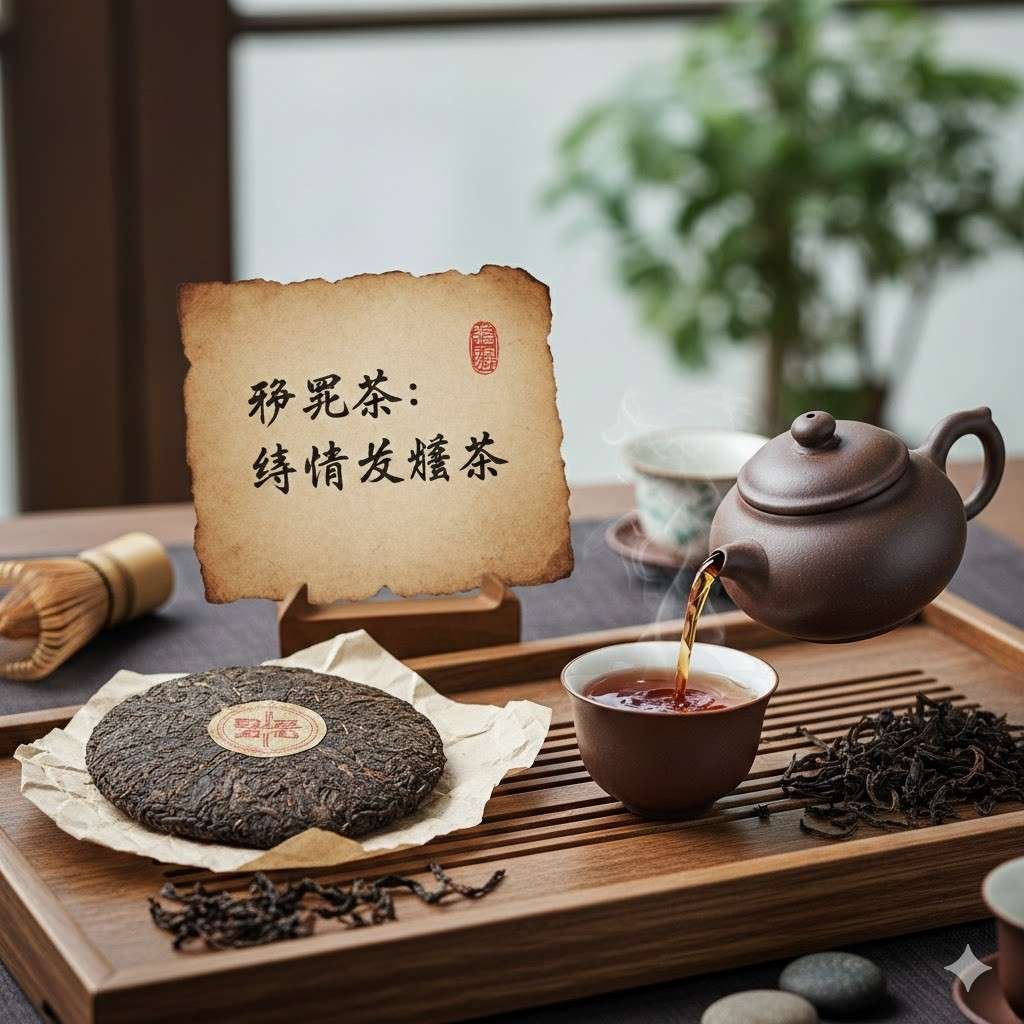
Tea lovers often talk about green tea for antioxidants or black tea for energy. But there’s one tea that stands in a category of its own — aged, earthy, mysterious, and deeply rooted in ancient Chinese culture. That tea is Pu-erh tea.
Unlike most teas that are simply dried and packaged, Pu-erh goes through a unique fermentation and aging process that transforms its flavor, aroma, and health properties. Often described as the “wine of teas,” Pu-erh can improve with age and is increasingly recognized for its potential gut health benefits.
In this complete guide, we’ll explore Pu-erh’s origins, fermentation process, health benefits, gut-supporting properties, preparation methods, side effects, and how it compares to other teas.
What Is Pu-erh Tea?
Pu-erh tea is a fermented tea traditionally produced in China’s Yunnan province. It comes from the same plant as green and black tea — Camellia sinensis — but the processing method sets it apart.
After harvesting, the tea leaves undergo:
- Withering
- Pan-firing (to stop oxidation)
- Rolling
- Sun drying
- Fermentation and aging
The fermentation stage is what makes Pu-erh unique. Microbial activity transforms the leaves over time, creating a rich, earthy, sometimes slightly sweet flavor.
The Origin of Pu-erh Tea
Pu-erh tea traces back over 1,000 years to China’s Yunnan province. It was named after Pu’er City, a major trading hub along ancient tea caravan routes.
Historically, compressed tea cakes were transported on horseback across long distances. During transport, natural aging and fermentation occurred, enhancing the tea’s flavor and value.
Today, Pu-erh remains deeply tied to traditional Chinese tea culture and is often collected like fine wine.
Types of Pu-erh Tea
There are two main types:
1. Raw (Sheng) Pu-erh
- Naturally aged over time
- Flavor becomes smoother with age
- Can taste grassy, floral, or bitter when young
- Develops deep complexity over decades
2. Ripe (Shou) Pu-erh
- Undergoes accelerated fermentation
- Darker, earthier flavor
- Smoother and less bitter
- Ready to drink immediately
Both types may offer digestive benefits, but ripe Pu-erh is often preferred for gut support due to its higher microbial activity.
What Makes Pu-erh Tea Fermented?
Fermentation involves beneficial microbes that break down tea compounds over time.
In ripe Pu-erh, a process called “wo dui” (wet piling) encourages controlled microbial fermentation. This process:
- Reduces bitterness
- Alters polyphenols
- Develops earthy flavors
- Changes chemical composition
The microbial transformation may explain why Pu-erh supports gut health differently than green or black tea.
Pu-erh Tea and Gut Health
One of the most discussed modern benefits of Pu-erh is its potential to support digestion and gut microbiome balance.
1. Supports Beneficial Gut Bacteria
Fermented teas contain microbial byproducts that may:
- Encourage good bacteria growth
- Reduce harmful microbes
- Support overall microbiome diversity
A balanced gut microbiome is essential for digestion, immunity, and even mental health.
2. Aids Digestion After Heavy Meals
Traditionally, Pu-erh tea is consumed after fatty or heavy meals. It may help:
- Stimulate digestive enzymes
- Reduce bloating
- Improve fat metabolism
- Ease post-meal discomfort
In China, it’s often paired with rich foods for this reason.
3. May Reduce Bloating
The tea’s fermentation compounds may soothe the digestive tract and reduce gas buildup.
People who experience sluggish digestion sometimes find relief with a warm cup after dinner.
4. Supports Liver Function
Some studies suggest Pu-erh may help reduce fat accumulation in the liver and support metabolic health.
Since the liver and gut are closely connected (gut-liver axis), improving one may benefit the other.
Other Health Benefits of Pu-erh Tea
1. Supports Weight Management
Pu-erh may:
- Enhance fat metabolism
- Reduce cholesterol levels
- Improve insulin sensitivity
While it’s not a magic weight-loss solution, it can complement a healthy lifestyle.
2. May Lower Cholesterol
Research indicates fermented tea compounds may reduce LDL (bad cholesterol) and improve heart health markers.
3. Antioxidant Protection
Though fermentation changes polyphenols, Pu-erh still contains antioxidants that help fight oxidative stress.
4. Gentle Energy Boost
Pu-erh contains caffeine but often provides smoother, more stable energy compared to coffee.
Many people report:
- Improved focus
- Calm alertness
- No harsh crash
Taste Profile of Pu-erh Tea
Pu-erh has one of the most unique flavors in the tea world.
Common flavor notes include:
- Earthy
- Woody
- Smoky
- Mushroom-like
- Slightly sweet
- Mineral-rich
High-quality aged Pu-erh may even have hints of chocolate, dried fruit, or leather.
How to Brew Pu-erh Tea Properly
Traditional Gongfu Method
- Use 5–7 grams of tea
- Rinse leaves quickly with hot water
- Steep for 10–20 seconds
- Re-steep multiple times
Pu-erh can handle many infusions, with flavors evolving each time.
Simple Western Method
- 1 teaspoon per cup
- Hot water (95–100°C)
- Steep 2–4 minutes
- Strain and enjoy
Best Time to Drink Pu-erh Tea
- After meals (especially heavy meals)
- Mid-morning energy boost
- Early afternoon
Avoid drinking it late at night if sensitive to caffeine.
Does Pu-erh Tea Contain Probiotics?
Pu-erh is not a probiotic like yogurt, but it contains microbial metabolites formed during fermentation.
These compounds may:
- Support gut balance
- Improve digestion
- Encourage beneficial bacteria growth
Pu-erh vs Other Teas for Gut Health
| Tea Type | Fermented? | Gut Benefits | Caffeine |
|---|---|---|---|
| Green Tea | No | Antioxidant support | Moderate |
| Black Tea | Oxidized | Mild digestive support | Moderate |
| Kombucha | Yes (fermented drink) | Probiotic-rich | Low |
| Pu-erh | Yes | Digestive & microbiome support | Moderate |
Pu-erh stands out because it’s a true fermented tea leaf product.
Potential Side Effects
While generally safe, Pu-erh may cause:
- Insomnia (if consumed late)
- Mild stomach upset (if overconsumed)
- Caffeine sensitivity symptoms
- Interaction with iron absorption
Moderation is key.
Who Should Avoid Pu-erh Tea?
- Pregnant or breastfeeding individuals
- People with severe caffeine sensitivity
- Individuals with iron deficiency
- Those on certain medications
Consult a healthcare provider if unsure.
How to Store Pu-erh Tea
Proper storage improves aging.
Store in:
- Cool, dry place
- Away from strong odors
- Moderate airflow
Unlike green tea, Pu-erh benefits from aging over time.
Why Pu-erh Tea Is Called “The Wine of Tea”
Like wine, Pu-erh:
- Improves with age
- Develops complex flavor notes
- Has vintage value
- Is collected and traded
Some aged Pu-erh cakes can be worth thousands of dollars.
Sustainability and Ethical Production
Traditional Pu-erh often comes from old tea trees in Yunnan forests.
Look for:
- Organic sourcing
- Fair trade certification
- Transparent production methods
Supporting ethical tea farmers preserves cultural heritage.
How to Choose High-Quality Pu-erh Tea
Look for:
- Clean aroma (no moldy smell)
- Clear tea liquor
- Smooth taste (not harsh or fishy)
- Reputable seller
Ripe Pu-erh should not taste overly sour or musty.
Is Pu-erh Tea Good for Daily Drinking?
Yes, when consumed in moderation.
Many tea enthusiasts drink 1–2 cups daily for digestive support and gentle energy.
The Modern Popularity of Pu-erh
In recent years, Pu-erh has gained popularity among:
- Wellness communities
- Gut health enthusiasts
- Tea collectors
- Biohackers
Its fermented nature aligns with the modern interest in microbiome health.
Final Thoughts
Pu-erh tea is more than just a beverage — it’s a living, evolving tradition. With its unique fermentation process, rich earthy flavor, and potential gut-supporting properties, it offers something no other tea can.
Whether you’re exploring fermented foods, looking for digestive support, or simply curious about aged teas, Pu-erh is worth discovering.
It connects ancient Chinese tradition with modern wellness trends — one earthy, comforting cup at a time.
Frequently Asked Questions (FAQs) About Pu-erh Tea
1. What is Pu-erh tea?
Pu-erh tea is a traditional fermented tea from China made from the leaves of Camellia sinensis. It is aged and microbially fermented, giving it a rich, earthy flavor and unique health properties.
2. Is Pu-erh tea good for gut health?
Yes. Pu-erh contains fermentation-derived compounds that may support digestion and promote a balanced gut microbiome. It is traditionally consumed after heavy meals to reduce bloating and aid digestion.
3. Does Pu-erh tea contain probiotics?
Pu-erh is not a probiotic like yogurt or kefir. However, its fermentation process creates beneficial microbial metabolites that may support gut bacteria balance.
4. What is the difference between raw and ripe Pu-erh?
- Raw (Sheng) Pu-erh is naturally aged over time and can taste more bitter when young.
- Ripe (Shou) Pu-erh undergoes accelerated fermentation and has a smoother, earthier taste.
5. Does Pu-erh tea help with weight loss?
Pu-erh may support metabolism and fat digestion, which can complement a healthy diet and exercise routine. However, it is not a magic weight-loss solution.
6. How much Pu-erh tea can I drink daily?
Most people safely enjoy 1–2 cups per day. Because it contains caffeine, moderation is recommended.
7. Does Pu-erh tea contain caffeine?
Yes. Pu-erh contains moderate caffeine levels, usually less than coffee but similar to black tea.
8. When is the best time to drink Pu-erh tea?
It is best consumed after meals to support digestion or in the morning/early afternoon for steady energy.
9. Can Pu-erh tea cause side effects?
In some people, it may cause:
- Insomnia (if consumed late)
- Mild stomach discomfort
- Caffeine sensitivity symptoms
10. Can pregnant women drink Pu-erh tea?
Pregnant or breastfeeding individuals should consult a healthcare professional due to its caffeine content.
11. How does Pu-erh tea taste?
Pu-erh has a distinctive earthy, woody, and sometimes slightly sweet or smoky flavor. High-quality aged varieties may have notes of chocolate or dried fruit.
12. How should Pu-erh tea be stored?
Store it in a cool, dry place with some airflow and away from strong odors. Unlike green tea, Pu-erh can improve with age.
13. Is Pu-erh tea better than green tea?
Both offer health benefits. Green tea is higher in fresh antioxidants, while Pu-erh offers fermentation-related digestive benefits. The better choice depends on your health goals.
14. How long does Pu-erh tea last?
Properly stored Pu-erh can last for many years. In fact, some aged Pu-erh teas become more valuable over time.
15. Can beginners drink Pu-erh tea?
Yes. Beginners may prefer ripe Pu-erh because it has a smoother and less bitter taste compared to young raw Pu-erh.
Also read:
Valerian Root Tea: Natural Sleep Aid or Overhyped Herbal Remedy