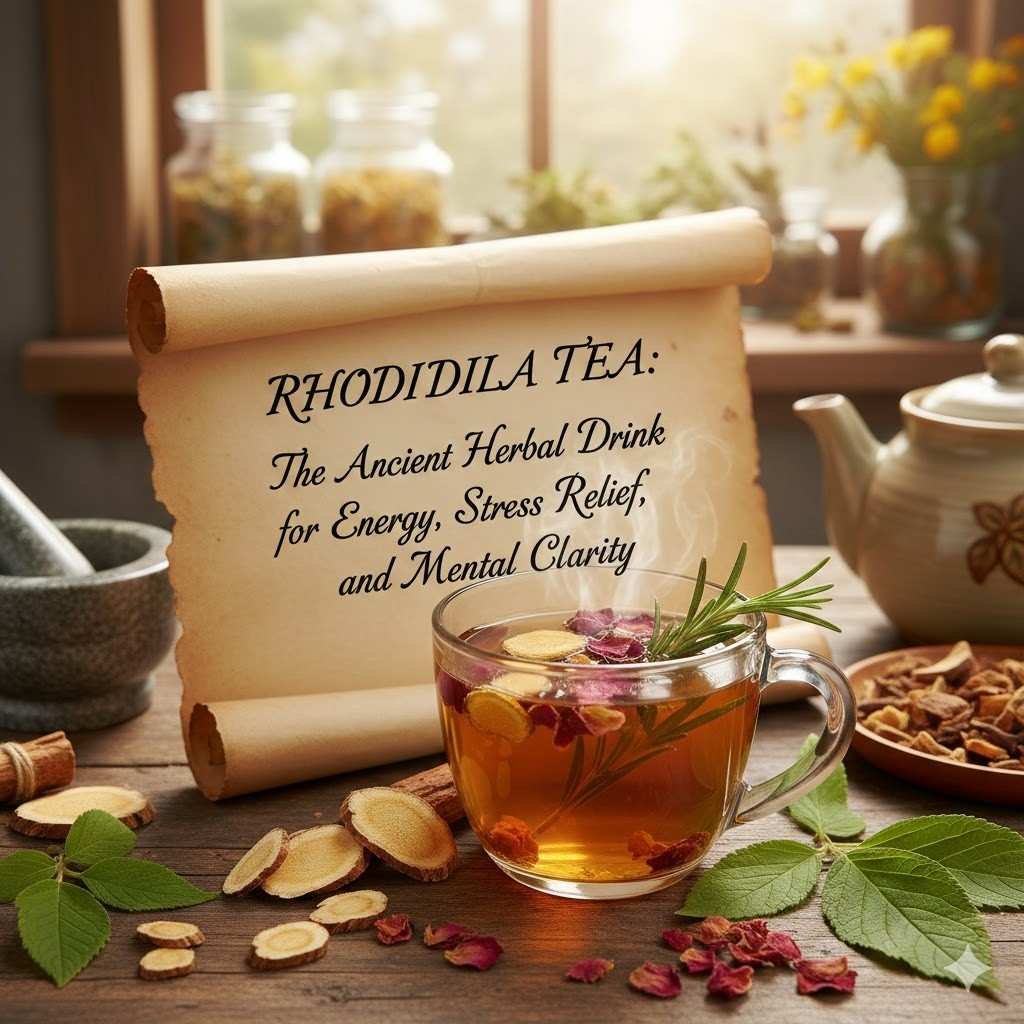
In a world where fatigue, stress, and mental overload have become everyday challenges, people are increasingly turning toward herbal remedies for natural support. Among the most fascinating botanical beverages gaining attention today is Rhodiola tea — a centuries-old herbal infusion praised for its ability to help the body adapt to stress while promoting endurance and focus.
Used traditionally in the harsh mountainous regions of Russia, China, and Mongolia, Rhodiola has long been associated with resilience. Warriors, farmers, and travelers reportedly relied on it to maintain stamina in extreme climates.
Today, Rhodiola tea is being rediscovered by wellness enthusiasts, busy professionals, athletes, and students searching for a smoother alternative to caffeine-heavy drinks.
But does this herbal tea truly live up to its reputation?
In this comprehensive guide, we’ll explore everything you need to know about Rhodiola tea — from its origins and flavor to its science-backed benefits, brewing methods, side effects, and whether it deserves a place in your daily routine.
What Is Rhodiola Tea?
Rhodiola tea is an herbal beverage made from the dried root of the Rhodiola plant, traditionally steeped in hot water to extract its beneficial compounds.
Often called the “golden root,” this plant thrives in cold, mountainous environments where few other plants survive. That resilience is part of why herbalists believe it may help the human body better cope with physical and emotional stress.
Unlike green or black tea, Rhodiola tea is:
- Naturally caffeine-free
- Earthy and slightly floral
- Mildly stimulating without jitters
- Associated with adaptogenic properties
Adaptogens are herbs believed to help the body maintain balance during stress — not by forcing stimulation, but by supporting overall physiological stability.
This makes Rhodiola tea especially appealing in modern wellness culture, where sustainable energy is valued more than quick spikes.
A Brief History of Rhodiola
The story of Rhodiola stretches back thousands of years.
Historical records suggest that people in Siberian regions of Russia used the herb to improve endurance during long winters. It was often gifted to newlyweds as a symbol of vitality and fertility.
Meanwhile, traditional practitioners in China reportedly recommended it to support stamina and recovery.
In mountainous communities across Mongolia, Rhodiola was valued for helping shepherds and travelers withstand high altitudes and physical strain.
Though ancient cultures didn’t use modern scientific terminology, their respect for the herb reflects what researchers are now exploring — its potential influence on stress response and energy regulation.
Why Rhodiola Tea Is Trending Today
Several global wellness shifts have contributed to the growing popularity of Rhodiola tea:
1. Rising Stress Levels
Modern lifestyles often include constant digital stimulation, long work hours, and sleep disruption. Many people now prefer natural tools to support resilience.
2. Reduced Reliance on Caffeine
While coffee provides quick energy, it can also cause crashes. Rhodiola tea offers a gentler experience.
3. Interest in Adaptogens
Herbal traditions are being reexamined through scientific lenses, bringing lesser-known plants into mainstream awareness.
4. Holistic Wellness Movement
Consumers increasingly prioritize prevention rather than treatment — choosing daily rituals that support long-term health.
Rhodiola fits neatly into this philosophy.
Flavor Profile: What Does Rhodiola Tea Taste Like?
If you expect something fruity or dessert-like, Rhodiola may surprise you.
Its flavor is often described as:
- Earthy
- Slightly bitter
- Lightly floral
- Mildly woody
- Occasionally rose-like
The taste varies depending on root quality and brewing strength.
How to Improve the Flavor
If the natural taste feels too intense, try:
- Adding raw honey
- Mixing with mint
- Blending with ginger
- Combining with green tea
- Adding lemon
Over time, many people grow to appreciate its grounding, herbal character.
Nutritional and Active Compounds
Rhodiola root contains several bioactive compounds that have attracted scientific interest.
Among the most discussed are:
- Rosavins
- Salidroside
- Flavonoids
- Phenolic acids
- Antioxidants
These compounds are believed to interact with stress pathways and inflammatory processes, though research is still evolving.
Rather than acting as a stimulant, Rhodiola appears to support balance — a key feature of adaptogenic herbs.
Potential Health Benefits of Rhodiola Tea
Let’s explore the benefits most often associated with this herbal drink.
(Note: Rhodiola is not a replacement for medical treatment. Always consult a healthcare professional for health concerns.)
1. May Help the Body Adapt to Stress
Perhaps the most celebrated feature of Rhodiola is its reputation as an adaptogen.
Some research suggests it may help regulate cortisol — the hormone linked to stress.
Possible outcomes include:
- Improved emotional resilience
- Reduced fatigue during stressful periods
- Better mental stamina
Instead of sedating you, Rhodiola may help your system respond more efficiently to pressure.
2. Supports Natural Energy
Unlike stimulants that force alertness, Rhodiola is believed to enhance energy production at a cellular level.
People often report:
- Less mid-day exhaustion
- Better productivity
- Improved motivation
This makes the tea appealing for professionals, students, and parents juggling multiple responsibilities.
3. May Improve Mental Clarity
Cognitive fatigue is increasingly common.
Rhodiola has been studied for its potential effects on:
- Focus
- Memory
- Processing speed
- Mental endurance
Many herbal tea drinkers describe the effect as “clear but calm” — alert without being wired.
4. Could Enhance Physical Performance
Historically used by laborers and travelers, Rhodiola has drawn interest from athletes as well.
Possible benefits include:
- Improved endurance
- Reduced perceived exertion
- Faster recovery
While not a miracle performance enhancer, it may support overall stamina when paired with healthy habits.
5. Rich in Antioxidants
Oxidative stress contributes to aging and many chronic conditions.
Antioxidants help neutralize unstable molecules that can damage cells.
Adding antioxidant-rich herbal teas like Rhodiola to your routine may support long-term wellness.
6. May Support Mood Balance
Some preliminary research suggests Rhodiola could influence neurotransmitters linked to mood.
Potential effects:
- Reduced irritability
- Greater emotional stability
- Improved sense of well-being
Think of it less as a mood booster and more as a stabilizer.
7. Might Help Combat Fatigue
Fatigue isn’t always solved by sleep alone.
Chronic tiredness can stem from stress overload.
Rhodiola is often explored for its ability to:
- Improve perceived energy
- Reduce burnout feelings
- Support mental endurance
This is one reason it has become popular among high-pressure professionals.
8. May Promote Better Work-Life Balance
While no tea can fix an overloaded schedule, rituals themselves can be powerful.
Preparing Rhodiola tea encourages:
- Mindful pauses
- Hydration
- Intentional breaks
Sometimes the habit is as beneficial as the herb.
How to Brew Rhodiola Tea Perfectly
Preparation matters — especially with roots.
Ingredients:
- 1 teaspoon dried Rhodiola root
- 1½ cups water
Instructions:
- Bring water to a gentle boil.
- Add the root.
- Simmer for 10–15 minutes (roots need longer extraction).
- Strain.
- Sweeten if desired.
Pro Tip:
Avoid over-brewing — excessive steeping can increase bitterness.
When Is the Best Time to Drink Rhodiola Tea?
Timing can influence your experience.
Morning
Ideal for sustained energy without caffeine spikes.
Early Afternoon
Helpful for preventing productivity dips.
Before Intense Work
Supports mental stamina.
Avoid Late Evening
Some people find it mildly stimulating.
Listen to your body and adjust accordingly.
Who Should Consider Drinking Rhodiola Tea?
This herbal infusion may appeal to:
- Busy professionals
- Students
- Entrepreneurs
- Athletes
- Shift workers
- Caregivers
- Wellness enthusiasts
Anyone seeking steady energy rather than dramatic highs may appreciate it.
Possible Side Effects and Precautions
Rhodiola is generally considered safe when consumed in moderate amounts, but it isn’t suitable for everyone.
Potential side effects may include:
- Dizziness
- Dry mouth
- Restlessness
- Sleep disruption (if taken late)
Use Caution If You:
- Are pregnant
- Take antidepressants
- Use blood pressure medication
- Have bipolar disorder
When in doubt, consult a healthcare provider.
Rhodiola Tea vs Coffee
| Feature | Rhodiola Tea | Coffee |
|---|---|---|
| Caffeine | None | High |
| Energy Pattern | Gradual | Immediate spike |
| Crash Risk | Low | Higher |
| Stress Impact | May support resilience | Can increase jitters |
| Hydration | Better | Mildly dehydrating |
Both have their place — but Rhodiola offers a calmer path to alertness.
Rhodiola Tea vs Green Tea
| Feature | Rhodiola | Green Tea |
|---|---|---|
| Category | Herbal | Traditional tea |
| Caffeine | No | Yes |
| Flavor | Earthy | Fresh |
| Main Appeal | Stress support | Antioxidants |
Choosing between them depends on your goals.
How Often Should You Drink It?
Moderation is key.
Many herbalists suggest:
1–2 cups per day is sufficient for most adults.
More isn’t necessarily better — consistency matters more than quantity.
Buying High-Quality Rhodiola
Not all herbal products are equal.
Look for:
- Organic sourcing
- Transparent harvesting practices
- Third-party testing
- Minimal additives
Because the plant grows in fragile ecosystems, ethical sourcing is especially important.
Sustainability Matters
As Rhodiola becomes more popular, overharvesting has raised ecological concerns.
Supporting responsible suppliers helps protect mountain biodiversity while ensuring future availability.
Consumers have more power than they realize — mindful purchasing shapes the herbal market.
Creative Ways to Enjoy Rhodiola Tea
Once you’ve tried it traditionally, experiment with variations:
Rhodiola Honey Latte
Blend brewed tea with warm oat milk and honey.
Citrus Rhodiola Cooler
Chill the tea and add orange slices.
Herbal Focus Blend
Combine with rosemary and mint.
Adaptogenic Morning Mix
Pair with ginger and lemon.
Variety keeps wellness rituals exciting.
The Psychology of Herbal Rituals
Beyond chemistry, tea offers emotional benefits.
The simple act of brewing creates:
- Structure
- Calm
- Reflection
- Pause
In a hyperconnected world, even five quiet minutes can reset your mental state.
Rhodiola tea often becomes more than a beverage — it becomes a boundary against chaos.
Is Rhodiola Tea Backed by Science?
Interest in adaptogens has grown dramatically over the past two decades.
Researchers are exploring Rhodiola’s role in:
- Stress physiology
- Cognitive function
- Fatigue
- Mood
While findings are promising, experts emphasize that herbal effects are typically subtle rather than dramatic.
Think support — not transformation.
Who Might Not Enjoy Rhodiola Tea?
Despite its benefits, it isn’t for everyone.
You might struggle with it if you prefer:
- Sweet beverages
- Strong caffeine effects
- Dessert-style drinks
Its earthy tone is closer to medicinal herbs than indulgent teas.
But tastes evolve — many people acquire appreciation over time.
The Future of Rhodiola in Wellness Culture
Rhodiola is increasingly appearing in:
- Functional beverages
- Herbal blends
- Supplement stacks
- Wellness cafés
As consumers move toward balanced energy rather than overstimulation, adaptogenic drinks are likely to grow in popularity.
Rhodiola tea sits comfortably within this shift.
Final Thoughts: Should You Try Rhodiola Tea?
If you’re searching for a natural way to support energy, resilience, and mental clarity, Rhodiola tea is certainly worth exploring.
It isn’t flashy.
It isn’t sugary.
It isn’t a miracle cure.
What it offers is something far more valuable — gentle support in a demanding world.
For many people, that’s exactly what modern wellness should look like.
Start with one cup.
Observe how you feel.
Let your body guide the decision.
Sometimes the oldest remedies are the ones best suited for today’s challenges.
Frequently Asked Questions About Rhodiola Tea
1. What is Rhodiola tea?
Rhodiola tea is an herbal infusion made from the root of Rhodiola rosea, a plant traditionally used to support energy, stress resilience, and mental clarity.
2. Is Rhodiola tea caffeine-free?
Yes. Rhodiola tea contains no caffeine, making it a good option for people seeking steady energy without the jitters often linked to coffee.
3. What does Rhodiola tea taste like?
It typically has an earthy, slightly bitter flavor with mild floral notes. Many people add honey or lemon to improve the taste.
4. What are the main benefits of Rhodiola tea?
It is commonly associated with stress support, improved focus, reduced fatigue, antioxidant protection, and enhanced physical endurance.
5. When is the best time to drink Rhodiola tea?
Morning or early afternoon is ideal because it may promote alertness. Drinking it late at night could interfere with sleep for some individuals.
6. How often can you drink Rhodiola tea?
Most experts recommend 1–2 cups per day. Moderation helps reduce the risk of unwanted side effects.
7. Are there any side effects?
Some people may experience restlessness, dizziness, or dry mouth. Starting with a small amount can help you assess tolerance.
8. Who should avoid Rhodiola tea?
Pregnant individuals, those taking antidepressants, or people with certain medical conditions should consult a healthcare professional before use.
9. Is Rhodiola considered an adaptogen?
Yes. Rhodiola is widely classified as an adaptogenic herb, meaning it may help the body adapt to physical and emotional stress.
10. Can Rhodiola tea help with fatigue?
Research suggests it may support energy levels and reduce feelings of burnout, especially during stressful periods.
11. Does Rhodiola tea help with anxiety?
Some early studies indicate it may support mood balance, though it should not replace professional mental health care.
12. Can I mix Rhodiola with other herbs?
Yes. It pairs well with ginger, mint, lemon balm, and green tea for enhanced flavor and wellness benefits.
13. How is Rhodiola tea different from green tea?
Unlike traditional teas, Rhodiola is herbal and caffeine-free, focusing more on stress adaptation than stimulation.
14. How long does it take to notice benefits?
Some people report subtle effects within days, while others may need a few weeks of consistent use.
15. Is Rhodiola tea safe for daily use?
For most healthy adults, moderate consumption is considered safe. However, periodic breaks are often recommended with adaptogenic herbs.
Also read: