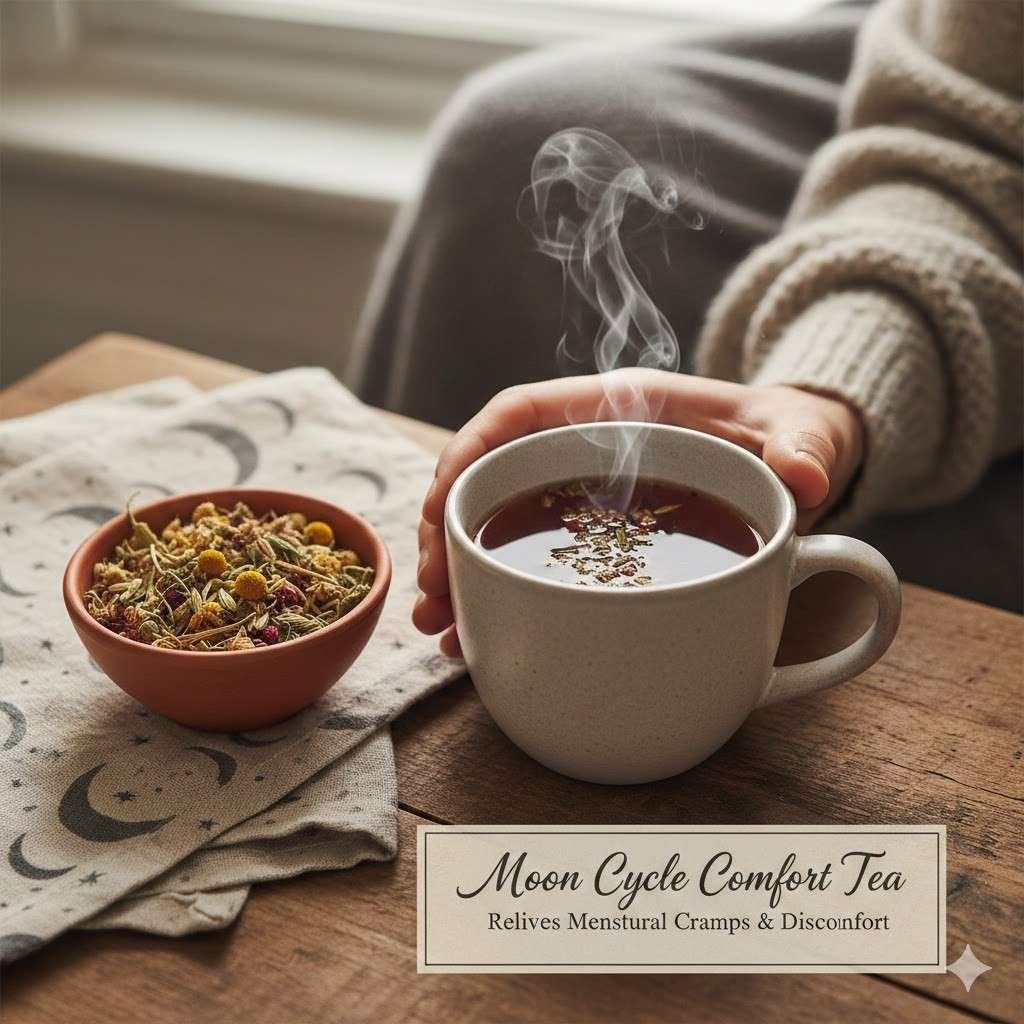
Tea That Helps with Menstrual Cramps:Menstrual cramps can range from mildly uncomfortable to completely debilitating. For many women, monthly pain interferes with work, sleep, focus, and overall well-being. While over-the-counter medications are commonly used, there is growing interest in natural, supportive remedies — especially herbal teas.
For centuries, cultures around the world have turned to warm herbal infusions to soothe discomfort, reduce inflammation, and support hormonal balance. Today, science is beginning to explore what traditional systems already practiced: certain teas may genuinely help ease menstrual cramps.
In this comprehensive guide, we’ll explore:
- Why menstrual cramps happen
- The best teas for menstrual pain relief
- How these herbs work in the body
- When to drink them
- Safety tips and precautions
- How to create a soothing period tea routine
If you’re looking for gentle, natural support during your cycle, this guide is for you.
Why Do Menstrual Cramps Happen?
Menstrual cramps, medically known as dysmenorrhea, occur when the uterus contracts to shed its lining. These contractions are triggered by hormone-like compounds called prostaglandins.
Higher levels of prostaglandins are linked to:
- Stronger uterine contractions
- Reduced blood flow to uterine tissue
- Increased pain sensitivity
- Inflammation
Common symptoms include:
- Lower abdominal pain
- Lower back ache
- Nausea
- Headache
- Fatigue
- Bloating
While cramps are common, severe pain should always be discussed with a healthcare provider.
Herbal teas may help by:
- Relaxing muscles
- Reducing inflammation
- Supporting circulation
- Calming the nervous system
- Assisting hormonal balance
Let’s explore the best options.
1. Ginger Tea — Natural Anti-Inflammatory Power
Ginger is one of the most studied natural remedies for menstrual pain.
Why it works:
- Contains anti-inflammatory compounds called gingerols
- May reduce prostaglandin production
- Supports circulation
- Helps relieve nausea
Several studies suggest ginger may be as effective as common pain relievers for mild to moderate cramps when taken early in the cycle.
How to make:
- 1 inch fresh ginger, sliced
- Simmer in water for 10 minutes
- Add honey and lemon if desired
Best time to drink:
Start 1–2 days before your period and continue through the first few days.
2. Chamomile Tea — Calming Muscle Relaxant
Chamomile is widely known for sleep support, but it may also help menstrual pain.
How it may help:
- Contains anti-inflammatory flavonoids
- May reduce muscle spasms
- Supports relaxation
- May lower prostaglandin activity
Drinking chamomile tea regularly before your cycle may reduce the intensity of cramps.
Best time:
Evening or bedtime, especially if cramps disrupt sleep.
3. Peppermint Tea — Soothing and Cooling
Peppermint is traditionally used for digestive discomfort, but its muscle-relaxing properties may benefit menstrual cramps.
Potential benefits:
- Relaxes smooth muscles
- Reduces bloating
- Soothes digestive upset
- Provides cooling comfort
Peppermint works especially well if cramps are accompanied by gas or nausea.
4. Fennel Tea — Traditional Women’s Tonic
In traditional herbal systems, fennel is used to ease menstrual discomfort.
Why it’s popular:
- May help relax uterine muscles
- Supports digestion
- Mildly anti-inflammatory
Some small studies suggest fennel may reduce pain intensity and duration.
How to brew:
- Crush 1 teaspoon fennel seeds
- Steep in hot water for 10 minutes
5. Cinnamon Tea — Warming Circulation Booster
Cinnamon is warming and may support blood flow.
Possible effects:
- May reduce inflammation
- Supports circulation
- May ease heavy flow
- Helps stabilize blood sugar
It’s especially helpful for those who experience cold sensations or fatigue during their period.
6. Turmeric Tea — Anti-Inflammatory Gold
Turmeric contains curcumin, known for powerful anti-inflammatory properties.
How it helps:
- May reduce inflammation
- Supports hormone balance
- Encourages circulation
For better absorption, combine turmeric with black pepper.
7. Red Raspberry Leaf Tea — Uterine Support Herb
Often recommended for women’s reproductive health, red raspberry leaf tea is believed to tone uterine muscles.
Traditional uses:
- Supports uterine strength
- May reduce cramp severity
- Nourishes reproductive tissues
Best used consistently throughout the month rather than only during menstruation.
8. Spearmint Tea — Hormone Balancing Support
Spearmint tea is often discussed for its potential effects on hormonal balance.
It may:
- Support androgen balance
- Reduce inflammation
- Ease tension
This tea may be particularly helpful for those with hormone-related cycle irregularities.
9. Lemon Balm Tea — Nervous System Calm
Pain perception is influenced by stress levels.
Lemon balm may:
- Calm the nervous system
- Reduce anxiety
- Relax muscles
It pairs beautifully with chamomile.
10. Green Tea — Antioxidant Support
Green tea contains polyphenols that may reduce inflammation.
While it contains caffeine, moderate amounts may:
- Improve mood
- Support circulation
- Provide gentle energy
Those sensitive to caffeine should opt for decaffeinated versions.
How to Create a Period Tea Routine
Instead of relying on one tea, consider a cycle-based approach.
3–5 Days Before Period
- Ginger tea
- Red raspberry leaf tea
- Spearmint tea
First 2 Days of Period
- Ginger tea
- Chamomile tea
- Fennel tea
- Turmeric tea
Evening Routine
- Chamomile + lemon balm blend
Hydration enhances the effectiveness of herbal support.
Lifestyle Tips to Enhance Tea Benefits
Tea works best alongside supportive habits.
Consider adding:
- Warm compress on abdomen
- Gentle stretching or yoga
- Light walking
- Magnesium-rich foods
- Proper hydration
- Reduced caffeine
When to See a Doctor
Consult a healthcare professional if you experience:
- Extremely severe pain
- Pain lasting longer than usual
- Fainting
- Very heavy bleeding
- Symptoms worsening over time
Conditions like endometriosis or fibroids require medical attention.
Safety Considerations
Though herbal teas are natural, they still have effects.
Avoid or consult a doctor if you:
- Are pregnant
- Take blood thinners
- Have hormone-sensitive conditions
- Use prescription medications
Moderation is important — 1–3 cups daily is generally sufficient.
Final Thoughts: Can Tea Really Help with Menstrual Cramps?
Tea is not a miracle cure — but it can be a powerful supportive tool.
Warmth increases circulation.
Herbs may reduce inflammation.
Ritual reduces stress.
Combined, these effects can significantly improve comfort during your cycle.
Every body is different. The best approach is gentle experimentation:
Start simple.
Track your symptoms.
Notice what works.
Over time, your personalized tea routine can become a monthly ritual of self-care rather than something you only turn to when pain begins.
Sometimes relief doesn’t come from one dramatic solution — but from consistent, nurturing habits.
A warm cup of herbal tea might be one of them.
Frequently Asked Questions (FAQs) About Tea for Menstrual Cramps
1. What is the best tea for menstrual cramps?
Ginger tea is often considered one of the best teas for menstrual cramps because of its anti-inflammatory properties. Chamomile and fennel tea are also popular natural options for easing period pain.
2. Does ginger tea really help with period pain?
Yes, research suggests ginger may help reduce prostaglandin levels, which are linked to uterine contractions and menstrual pain.
3. How often should I drink tea for menstrual cramps?
Drinking 1–3 cups per day during the days leading up to your period and the first few days of menstruation is generally recommended.
4. Can chamomile tea reduce menstrual cramps?
Chamomile contains anti-inflammatory compounds and may help relax uterine muscles, potentially reducing cramp intensity.
5. Is peppermint tea good for period cramps?
Peppermint tea may help relax smooth muscles and reduce bloating, which can ease overall menstrual discomfort.
6. What tea helps with severe menstrual cramps?
For stronger cramps, ginger tea, turmeric tea, and fennel tea are commonly used for their anti-inflammatory and muscle-relaxing properties.
7. When should I start drinking tea for period pain?
It’s often helpful to start 1–2 days before your period begins and continue through the first few days of your cycle.
8. Can tea completely stop menstrual cramps?
Tea may help reduce pain and discomfort, but it may not completely eliminate cramps. Severe or persistent pain should be evaluated by a healthcare provider.
9. Is it safe to drink herbal tea every day during my cycle?
Most herbal teas are safe in moderate amounts (1–3 cups daily). However, individuals who are pregnant, breastfeeding, or on medication should consult a doctor.
10. Does green tea help with menstrual cramps?
Green tea contains antioxidants that may reduce inflammation, but because it contains caffeine, some people prefer caffeine-free herbal options.
11. Can tea help with bloating during periods?
Yes. Peppermint, ginger, and fennel teas are especially helpful for reducing bloating and digestive discomfort.
12. Are there any side effects of drinking tea for menstrual cramps?
Side effects are rare but may include digestive upset or mild allergic reactions. Always start with small amounts if trying a new herb.
13. Can teenagers drink tea for period cramps?
In most cases, mild herbal teas like chamomile or ginger are safe in moderate amounts. However, it’s best to consult a healthcare provider for younger individuals.
14. Does turmeric tea help with period inflammation?
Turmeric contains curcumin, which may support the body’s inflammatory response and help reduce menstrual discomfort.
15. Should I choose loose leaf or tea bags?
Both can work, but high-quality loose leaf tea may offer stronger flavor and potentially higher concentrations of beneficial compounds.
Also read :