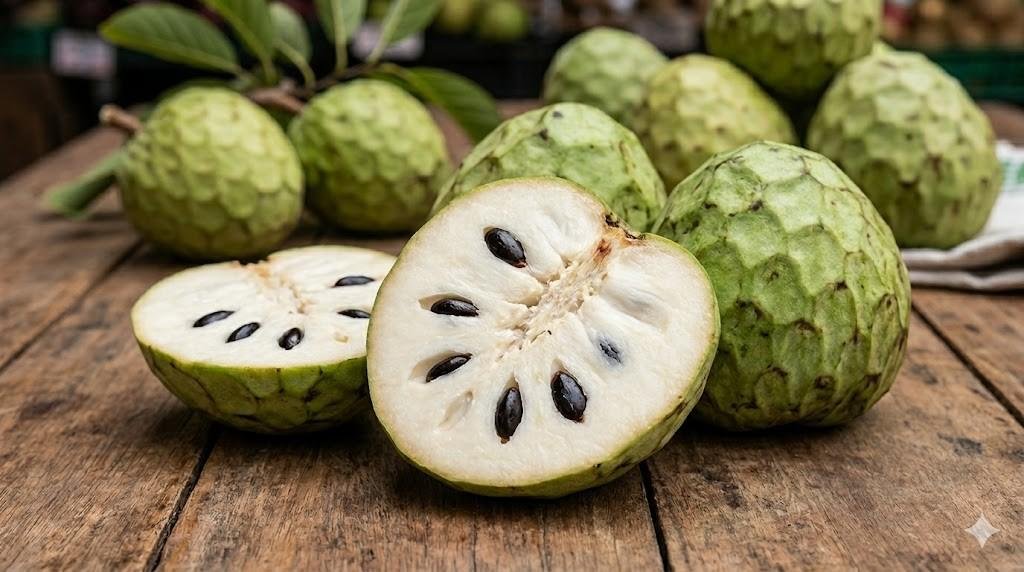
Cherimoya, often called custard apple or nature’s creamy superfruit, is one of the most unique tropical fruits in the world. Known for its soft texture, sweet fragrance, and rich nutritional value, cherimoya has gained attention among nutrition experts and fruit lovers because it combines excellent taste with important health benefits. The fruit has green scaly skin, creamy white flesh, and shiny black seeds that should not be eaten. Its flavor is often described as a delicious blend of banana, pineapple, vanilla, and pear, making it one of the most pleasant tropical fruits available.
Originally cultivated in the Andean regions of Peru and Ecuador, cherimoya is now grown in warm climates around the world, including Spain, United States, and parts of India. Although it is less common than bananas, apples, or oranges, cherimoya is increasingly being recognized as a premium fruit because of its nutrient density and natural sweetness.
The growing popularity of exotic fruits has encouraged more people to explore fruits like cherimoya for daily nutrition. This fruit contains vitamins, minerals, antioxidants, and fiber that may support digestion, immunity, heart health, and skin wellness. Because it is naturally sweet, many people also use it as a healthier alternative to processed desserts.
In this complete guide, you will discover 9 surprising benefits of cherimoya for health and wellness, along with nutritional facts, eating methods, growing tips, and important precautions.
What Is Cherimoya?
Cherimoya belongs to the Annonaceae family, which also includes related tropical fruits such as Soursop and Custard apple. Its scientific name is Annona cherimola.
The fruit is medium to large in size, usually heart-shaped or oval, with soft green skin covered in overlapping scale-like segments. Inside, the flesh is creamy white and highly aromatic.
Taste Profile
Many people describe cherimoya as tasting like:
- Banana
- Pineapple
- Pear
- Mango
- Vanilla
Its creamy consistency is why it is often called nature’s custard fruit.
Nutritional Value of Cherimoya
Cherimoya is nutrient-rich and provides a wide range of beneficial compounds.
Nutrition Per 100 Grams
| Nutrient | Amount |
|---|---|
| Calories | 75 |
| Carbohydrates | 18 g |
| Fiber | 3 g |
| Vitamin C | 20 mg |
| Potassium | 287 mg |
| Magnesium | 17 mg |
| Vitamin B6 | 0.25 mg |
| Folate | 23 mcg |
These nutrients contribute directly to many of the fruit’s health benefits.
9 Surprising Benefits of Cherimoya for Health and Wellness
1. Supports a Strong Immune System
One of the most valuable nutrients in cherimoya is vitamin C. This vitamin plays an essential role in helping the immune system defend the body against infections and environmental stress.
Vitamin C helps:
- Stimulate white blood cell production
- Protect cells from free radical damage
- Support faster healing
Regular fruit intake may help reduce seasonal illness and improve general resilience.
Because cherimoya offers vitamin C naturally, it can be a useful addition to a balanced diet during changing weather seasons.
2. Promotes Healthy Digestion
Cherimoya contains dietary fiber, which supports digestive health in several ways.
Fiber helps:
- Improve bowel movement regularity
- Feed beneficial gut bacteria
- Reduce constipation risk
- Improve satiety after meals
The soft texture of cherimoya also makes it easy to digest for many people.
People who eat enough fiber often experience better digestive comfort and improved nutrient absorption.
3. Helps Maintain Heart Health
Potassium is one of the key minerals found in cherimoya, and it plays a major role in heart function.
Potassium helps:
- Regulate fluid balance
- Reduce sodium impact
- Relax blood vessel walls
- Support healthy blood pressure
A potassium-rich fruit may help support cardiovascular health when combined with a healthy lifestyle ❤️
Cherimoya also contains antioxidants that may help protect blood vessels from oxidative stress.
4. Provides Natural Energy Without Processed Sugar
Cherimoya contains natural carbohydrates that provide quick energy.
Unlike refined sugary snacks, fruit sugars come with fiber and nutrients.
This makes cherimoya useful for:
- Morning breakfast
- Midday energy boost
- Pre-workout snack
Because of its creamy texture and sweet taste, it also satisfies sweet cravings naturally.
Many athletes and active individuals include fruits like cherimoya in energy-supporting meals.
5. Supports Brain and Nervous System Function
Vitamin B6 is essential for proper brain health, and cherimoya contains useful amounts of this nutrient.
Vitamin B6 helps the body produce neurotransmitters linked to mood and focus.
This may support:
- Mental clarity
- Mood balance
- Reduced fatigue
- Healthy nerve signaling
The brain depends on steady nutrient intake, and fruits rich in B vitamins can contribute positively.
6. Rich in Antioxidants That Fight Cellular Stress
Cherimoya contains plant antioxidants including flavonoids and polyphenols.
Antioxidants help neutralize unstable molecules called free radicals.
This may help reduce oxidative stress linked to:
- Aging
- Cell damage
- Environmental toxins
Fruits rich in antioxidants are often recommended as part of wellness-focused diets.
A varied fruit intake helps provide different antioxidant compounds.
7. Supports Healthy Skin Naturally
Skin health depends on nutrients that support collagen production and hydration.
Cherimoya provides vitamin C and antioxidants that may help:
- Support collagen formation
- Improve skin elasticity
- Protect skin cells
- Reduce dullness ✨
Many natural skincare diets emphasize fruits that provide skin-supportive nutrients.
Because cherimoya also contains water, it contributes mild hydration.
8. May Support Healthy Weight Management
Although cherimoya tastes rich and dessert-like, it can fit into a controlled diet.
Reasons include:
- Fiber increases fullness
- Natural sweetness reduces dessert cravings
- Moderate calorie content
However, portion size matters because cherimoya contains natural sugars.
A small serving can satisfy appetite without excessive calorie intake.
For people managing weight, replacing processed sweets with fruit may be helpful.
9. Supports Bone and Muscle Function
Cherimoya contains magnesium and potassium, two minerals important for muscles and bones.
These minerals help:
- Maintain muscle contraction
- Support nerve communication
- Improve mineral balance
- Assist bone maintenance
Magnesium is especially important for adults who do not consume enough mineral-rich foods.
A fruit-rich diet supports overall micronutrient intake.
Additional Wellness Benefits of Cherimoya
Beyond the nine main benefits, cherimoya offers several smaller advantages.
It Is Easy to Eat
Its spoonable texture makes it convenient for:
- Children
- Older adults
- People recovering from illness
Naturally Sweet Without Added Sugar
This makes it useful in clean eating plans.
Useful in Recovery Meals
Because it is soft and energy-rich, it is often easy to include in simple meals.
How to Eat Cherimoya Properly
Cherimoya should only be eaten when ripe.
Steps
- Let the fruit soften slightly
- Cut it in half
- Scoop flesh with a spoon
- Remove black seeds carefully
The seeds should not be eaten.
Best Ways to Include Cherimoya in Daily Diet
Fresh
Eat directly with a spoon.
Smoothies
Blend with yogurt and banana.
Fruit Bowls
Mix with mango, kiwi, or berries.
Healthy Dessert
Use in chilled fruit cream.
Cherimoya Smoothie Recipe
Ingredients
- 1 ripe cherimoya
- 1 banana
- 1 cup milk or yogurt
- Ice cubes
Method
Blend until smooth.
This creates a creamy tropical smoothie without added sugar 🥤
Cherimoya vs Custard Apple
Many people confuse cherimoya with custard apple.
| Feature | Cherimoya | Custard Apple |
|---|---|---|
| Texture | Creamier | Grainier |
| Flavor | Vanilla-like | Sweeter |
| Seeds | Fewer | More |
Both belong to the same fruit family but differ in texture.
Cherimoya vs Soursop
| Feature | Cherimoya | Soursop |
|---|---|---|
| Taste | Sweet | Sweet-tart |
| Texture | Creamy | Fibrous |
| Acidity | Mild | Higher |
Each fruit offers different culinary uses.
Can Diabetic People Eat Cherimoya?
People with diabetes can eat cherimoya in moderation.
Important tips:
- Eat small portions
- Pair with protein
- Avoid overconsumption
Medical advice is always recommended for blood sugar control.
Is Cherimoya Good for Children?
Yes, when seeds are removed.
Its soft texture makes it easy to consume.
Is Cherimoya Good for Older Adults?
Yes, because it is:
- Easy to chew
- Nutrient-rich
- Soft for digestion
Possible Side Effects of Cherimoya
Although healthy, certain precautions matter.
Avoid Seeds
Seeds are not edible.
Portion Control
Too much may increase sugar intake.
Sensitive Digestion
Some people may feel bloating if overeaten.
How to Select Good Cherimoya
Choose fruit that:
- Feels slightly soft
- Has green skin
- Smells fresh
Avoid very hard fruit or fruit with deep cracks.
How to Store Cherimoya
Unripe Fruit
Keep at room temperature.
Ripe Fruit
Refrigerate for 2–3 days.
Can You Grow Cherimoya at Home?
Yes, in warm climates.
Requirements
- Full sunlight
- Well-drained soil
- Moderate watering
Basic Steps
- Plant seeds or grafted saplings
- Water regularly
- Protect from frost
Trees may fruit after several years.
Why Cherimoya Is Becoming Popular Worldwide
Several reasons explain its rising popularity:
- Exotic fruit demand
- Superfruit trends
- Premium fruit markets
- Smoothie culture
Consumers increasingly seek nutrient-dense tropical fruits.
Conclusion
Cherimoya is far more than a delicious tropical fruit. Its creamy texture, natural sweetness, and nutrient-rich profile make it one of the most interesting fruits for health-conscious people today. From supporting immunity and digestion to helping heart health and skin wellness, cherimoya offers a wide range of benefits when eaten in moderation.
Its ability to satisfy sweet cravings naturally also makes it valuable in modern wellness diets. Whether eaten fresh, blended into smoothies, or added to fruit bowls, cherimoya is a fruit worth exploring for both flavor and nutrition
FAQs
1. What does cherimoya taste like?
Cherimoya tastes like a blend of banana, pineapple, pear, and vanilla, with a creamy custard-like texture.
2. Is cherimoya the same as Custard apple?
No, they are related fruits but not identical. Cherimoya is creamier and usually has a milder, more complex flavor.
3. Can you eat cherimoya seeds?
No. Cherimoya seeds should not be eaten because they are not edible.
4. Is cherimoya good for weight loss?
It can support weight management because it contains fiber that helps you feel full longer.
5. Is cherimoya good for digestion?
Yes, its fiber content may help improve digestion and support regular bowel movements.
6. Can people with diabetes eat cherimoya?
Yes, but in small portions because it contains natural fruit sugars.
7. When is cherimoya ripe and ready to eat?
It is ready when the fruit feels slightly soft, similar to a ripe avocado.
8. How do you eat cherimoya?
Cut it in half, scoop out the flesh with a spoon, and remove the seeds.
9. Is cherimoya rich in vitamin C?
Yes, cherimoya contains vitamin C, which supports immune health.
10. Can children eat cherimoya?
Yes, as long as all seeds are removed before serving.
11. Is cherimoya good for skin health?
Its vitamin C and antioxidants may support collagen production and skin wellness ✨
12. Can cherimoya be used in smoothies?
Yes, its creamy texture makes it excellent for smoothies and fruit desserts.
13. Where is cherimoya originally from?
Cherimoya originated in Peru and Ecuador.
14. How should cherimoya be stored?
Keep unripe fruit at room temperature and refrigerate once ripe.
15. Why is cherimoya called nature’s custard fruit?
Because its soft flesh has a naturally creamy, custard-like consistency.
Also read :
Apple: Nutrition, Health Benefits, and Best Ways to Eat It Daily