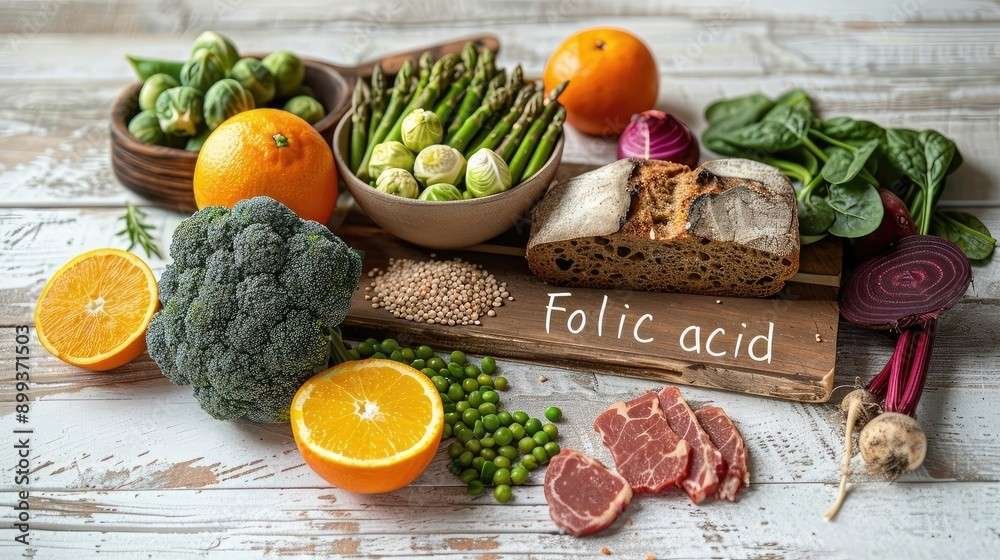
Folic acid is one of the most important—and often misunderstood—nutrients in modern nutrition. Whether you’re trying to improve hair growth, boost energy, support pregnancy, or protect your heart and brain, folic acid plays a vital role.
But here’s the catch:
👉 Many people take folic acid without actually understanding what it does
👉 Some even take the wrong form or dosage
everything you need to know about folic acid in 2026—including benefits, sources, dosage, side effects, and who should take it.
What Is Folic Acid?
Folic acid is the synthetic form of Vitamin B9, a water-soluble vitamin essential for many bodily functions. The natural form found in foods is called folate.
Key Functions:
- Helps make DNA and RNA
- Supports cell growth and division
- Produces healthy red blood cells
- Prevents certain birth defects
Because your body cannot produce folate on its own, you must get it through diet or supplements.
Folic Acid vs Folate: What’s the Difference?
Many people use these terms interchangeably—but they are not the same.
| Feature | Folate | Folic Acid |
|---|---|---|
| Source | Natural foods | Supplements & fortified foods |
| Absorption | Slower | More easily absorbed |
| Form | Active or semi-active | Needs conversion in body |
👉 In 2026, there is growing awareness that some people benefit more from methylfolate (active form) instead of folic acid, especially those with genetic variations (like MTHFR mutation).
Why Is Folic Acid Important?
Folic acid is crucial because it affects every cell in your body. Without it, basic processes like cell division and oxygen transport slow down.
Major Roles:
- Supports rapid cell growth
- Prevents anemia
- Maintains brain function
- Supports fetal development
Top Benefits of Folic Acid
1. Supports Healthy Pregnancy

Folic acid is most famous for its role in pregnancy.
Benefits:
- Prevents neural tube defects (NTDs)
- Supports baby’s brain and spine development
- Reduces risk of premature birth
👉 Doctors recommend folic-acid before and during early pregnancy.
2. Promotes Hair Growth
Folic- acid helps produce new cells—including hair cells.
Benefits for hair:
- Supports hair follicle growth
- May reduce hair thinning
- Improves hair strength
⚠️ Important: It helps mainly if your body is deficient.
3. Prevents Anemia
Folic- acid is essential for producing red blood cells.
Deficiency can cause:
- Fatigue
- Weakness
- Pale skin
This condition is called megaloblastic anemia.
4. Supports Brain Health
Folic -acid plays a role in mental and emotional well-being.
Benefits:
- Supports memory and focus
- May reduce risk of depression
- Helps regulate mood
5. May Support Heart Health
Folic -acid helps reduce homocysteine levels, an amino acid linked to heart disease.
Benefits:
- Supports healthy blood vessels
- Reduces cardiovascular risk
Signs of Folic Acid Deficiency
Many people don’t realize they’re deficient.
Common Symptoms:
- Fatigue and weakness
- Hair thinning
- Mouth ulcers
- Pale skin
- Poor concentration
High-Risk Groups:
- Pregnant women
- People with poor diet
- Alcohol users
- Individuals with digestive disorders
Best Food Sources of Folate
Getting folate from food is always the best approach.
Top Sources:
- Spinach and leafy greens
- Lentils and beans
- Avocados
- Citrus fruits
- Eggs
- Broccoli
👉 Tip: Overcooking can destroy folate, so eat fresh or lightly cooked foods.
Folic Acid Supplements: Do You Need Them?
You may need supplements if:
- You are pregnant or trying to conceive
- You have anemia
- You follow a poor diet
- You have absorption issues
Types of Supplements:
- Folic- acid (synthetic)
- Methylfolate (active form)
- Prenatal vitamins
Recommended Dosage (2026 Guidelines)
| Group | Daily Intake |
|---|---|
| Adults | 400 mcg |
| Pregnant women | 400–800 mcg |
| Breastfeeding | 500 mcg |
⚠️ Do not exceed 1000 mcg/day unless prescribed.
Side Effects and Risks
Folic- acid is generally safe—but too much can cause issues.
Possible Side Effects:
- Nausea
- Bloating
- Sleep problems
Important Risk:
High doses may mask Vitamin B12 deficiency, which can lead to nerve damage.
Folic Acid for Hair, Skin, and Beauty
Folic -acid is increasingly used in beauty supplements.
Benefits:
- Supports healthy hair growth
- Improves skin repair
- Strengthens nails
But remember:
👉 It’s not a miracle supplement—results depend on your overall nutrition.
Folic Acid and Men’s Health
Folic- acid is not just for women.
Benefits for men:
- Supports sperm health
- Improves fertility
- Supports heart health
Folic Acid vs Vitamin B12
These two vitamins work closely together.
| Folic Acid | Vitamin B12 |
|---|---|
| Cell growth | Nerve function |
| DNA synthesis | Red blood cells |
| Prevents anemia | Prevents nerve damage |
👉 Both are essential for overall health.
Who Should Avoid Folic Acid?
- People with high B12 deficiency (without supervision)
- Those taking certain medications
- Individuals advised by doctors to limit intake
Final Thoughts
Folic acid is one of the most essential nutrients for overall health in 2026. From supporting pregnancy and preventing anemia to improving hair and brain health, its benefits are wide-ranging.
Key Takeaways:
✔ Essential for cell growth and DNA
✔ Critical during pregnancy
✔ Supports hair, heart, and brain health
✔ Best obtained through food + supplements if needed
The smartest approach?
👉 Focus on a balanced diet first
👉 Use supplements only when necessary
FAQs
What is folic acid and why is it important?
Folic acid is the synthetic form of Vitamin B9, essential for DNA production, cell growth, and red blood cell formation. It plays a key role in pregnancy, brain function, and overall health.
What is the difference between folic acid and folate?
Folate is the natural form of Vitamin B9 found in foods, while folic acid is the synthetic version used in supplements and fortified foods. The body processes them differently.
What are the benefits of folic acid?
Folic acid helps prevent anemia, supports pregnancy, improves hair growth, boosts brain health, and may reduce the risk of heart disease.
How much folic acid should I take daily?
Most adults need about 400 mcg daily. Pregnant women are usually advised to take 400–800 mcg per day, depending on medical guidance.
Is folic acid good for hair growth?
Yes, folic acid supports hair growth by aiding cell production and improving scalp health, especially if you have a deficiency.
What are the symptoms of folic acid deficiency?
Common symptoms include fatigue, weakness, pale skin, mouth ulcers, irritability, and hair thinning.
Can I take folic acid every day?
Yes, folic acid can be taken daily within recommended limits. It is commonly included in multivitamins and prenatal supplements.
What happens if you take too much folic acid?
Excess folic acid may cause nausea, bloating, and can mask Vitamin B12 deficiency, which may lead to nerve damage if untreated.
Which foods are rich in folate?
Leafy greens (spinach), lentils, beans, avocados, citrus fruits, broccoli, and eggs are excellent natural sources of folate.
Who should take folic acid supplements?
Pregnant women, people with anemia, those with poor diets, and individuals with absorption issues may benefit from folic acid supplements.
Is folic acid only for pregnant women?
No, folic acid is important for everyone. It supports overall health, including heart, brain, and cell function in both men and women.
What is methylfolate and is it better than folic acid?
Methylfolate is the active form of Vitamin B9. It may be better for people who have difficulty converting folic acid into its active form.
Also read :