Introduction
In the world of superfoods, few ingredients have earned as much attention as Spirulina. Known for its intense green color and powerful nutrient profile, spirulina is often called one of the most nutrient-dense foods on the planet.
Used for centuries and now popular in modern wellness routines, spirulina is praised for its potential to boost immunity, improve energy levels, and support overall health. But like any supplement, it’s important to understand both its benefits and possible side effects before adding it to your diet.
This comprehensive guide covers everything you need to know about spirulina—nutrition, benefits, risks, dosage, and how to use it safely.
What is Spirulina?
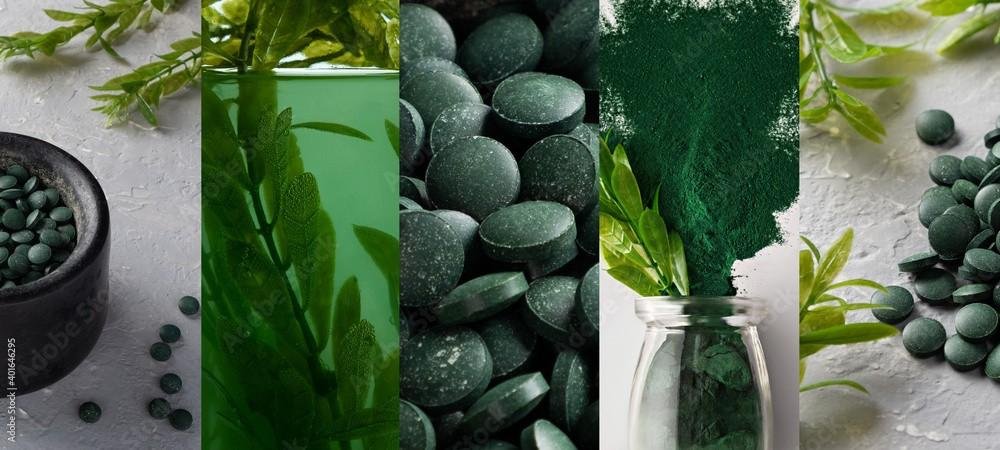
Spirulina is a type of blue-green algae (cyanobacteria) that grows in both fresh and saltwater. It has been consumed for centuries, especially by ancient civilizations like the Aztecs.
Today, spirulina is available in:
- Powder form
- Tablets or capsules
- Added to smoothies, juices, and health foods
Nutritional Value of Spirulina
Spirulina is incredibly rich in nutrients, making it a true superfood.
Nutritional Breakdown (Per 1 Tablespoon / ~7 grams)
- Calories: ~20 kcal
- Protein: ~4 grams (complete protein with essential amino acids)
- Carbohydrates: ~1.5–2 grams
- Fat: ~0.5 grams
- Fiber: ~0.3–0.5 grams
Key Nutrients in Spirulina
1. High-Quality Protein
- Contains 60–70% protein by weight
- Includes all essential amino acids
- Great for vegetarians and vegans
2. Rich in Iron
- Helps support red blood cell production
- Useful for preventing iron deficiency
3. B Vitamins
- Vitamin B1 (Thiamine)
- Vitamin B2 (Riboflavin)
- Vitamin B3 (Niacin)
👉 Supports energy production and metabolism
4. Essential Minerals
- Magnesium
- Potassium
- Calcium (small amounts)
5. Powerful Antioxidants
- Phycocyanin (gives spirulina its color)
- Helps fight oxidative stress
- Supports anti-inflammatory processes
6. Healthy Fatty Acids
- Contains gamma-linolenic acid (GLA)
- Supports heart and skin health
🧠 Why Spirulina is Nutrient-Dense
- High nutrients in very small serving size
- Easily digestible compared to many plant proteins
- Provides both macro + micronutrients together
25 Health Benefits of Spirulina
General Health Benefits
- Boosts overall nutrition
- Strengthens the immune system
- Supports detoxification
- Improves energy levels
- Reduces fatigue
Heart Health
- Helps lower cholesterol
- Supports healthy blood pressure
- Improves circulation
Brain & Mental Health
- Enhances focus and clarity
- May support brain function
- Reduces oxidative stress in the brain
Blood & Iron Support
- Rich in iron—helps prevent anemia
- Supports healthy red blood cell production
Skin & Beauty Benefits
- Promotes glowing skin
- Reduces signs of aging
- Supports hair health
Weight Management
- Helps control appetite
- Boosts metabolism
- Supports fat burning
Detox & Anti-Inflammatory
- Removes toxins from the body
- Reduces inflammation
- Protects against oxidative damage
Immune & Disease Protection
- Supports immune response
- May help fight infections
- Protects cells from damage
How Spirulina Supports Detox
Spirulina is often associated with detox because of its unique compounds:
- Chlorophyll: Helps cleanse the blood
- Phycocyanin: Powerful antioxidant
- Protein & amino acids: Support cellular repair
👉 It doesn’t “detox” your body directly but supports natural detox systems like the liver.
Side Effects of Spirulina
While spirulina is generally safe, some people may experience side effects.
Common Side Effects
These are usually mild and often occur when starting spirulina or taking high doses:
- Nausea
- Digestive discomfort (gas, bloating, diarrhea)
- Headaches
- Dizziness
👉 Tip: Start with a small dose (1–2 grams) and increase gradually.
Potential Serious Risks
1. Contamination (Major Concern)
Low-quality spirulina may contain:
- Heavy metals
- Harmful bacteria
- Microcystins (toxic compounds)
👉 Always choose lab-tested, trusted brands
2. Allergic Reactions
Some people may experience:
- Skin rashes
- Itching
- Swelling
- Breathing difficulty (rare but serious)
👉 Stop immediately if symptoms appear.
3. May Worsen Autoimmune Conditions
Spirulina can stimulate the immune system.
👉 Risky for people with:
- Lupus
- Rheumatoid arthritis
- Multiple sclerosis
4. Drug Interactions
Spirulina may interfere with:
- Blood thinners (due to vitamin K content)
- Immunosuppressants
- Diabetes medications
👉 Consult a doctor if you’re on medication.
5. Kidney & Liver Stress
High doses over long periods may:
- Increase toxin load if contaminated
- Put stress on liver and kidneys
6. Phenylketonuria (PKU) Risk
Spirulina contains phenylalanine, which can be harmful for people with PKU.
7. Pregnancy & Breastfeeding
Not enough reliable safety data.
👉 Best to avoid or consult a doctor
Who Should Be Extra Careful?
- Pregnant or breastfeeding women
- People with autoimmune diseases
- Individuals with kidney/liver issues
- Those on medications
- People with allergies to algae/seafood
How to Minimize Side Effects
- Choose high-quality, certified spirulina
- Start with low doses
- Avoid excessive intake
- Monitor your body’s response
Serious Risks (Rare but Important)
1. Contamination Risk
Poor-quality spirulina may contain toxins or heavy metals.
👉 Always choose trusted brands
2. Allergic Reactions
Some individuals may experience:
- Skin rashes
- Swelling
- Breathing difficulty
3. Kidney & Liver Stress
High doses may strain organs, especially in sensitive individuals.
4. Drug Interactions
Spirulina may interfere with:
- Blood thinners
- Immune-suppressing medications
Who Should Avoid Spirulina?
- Pregnant or breastfeeding women
- People with autoimmune diseases
- Individuals with phenylketonuria (PKU)
- Those on certain medications
👉 Always consult a healthcare professional before use.
Recommended Dosage
- Beginners: 1–2 grams per day
- Moderate use: 3–5 grams per day
- Maximum: Up to 10 grams (only under guidance)
💡 Start small and gradually increase.
How to Use Spirulina
Easy Ways to Add Spirulina:
1. Add to Smoothies (Most Popular Way)
This is the easiest and tastiest way to consume spirulina.
How to use:
- Add ½–1 teaspoon spirulina powder
- Blend with fruits like banana, mango, or pineapple
- Add a liquid base (almond milk, coconut water)
👉 Why it works: Fruits mask the earthy taste and make it delicious
2. Make Smoothie Bowls
Perfect for a filling and Instagram-worthy breakfast.
How to use:
- Blend spirulina with frozen fruits
- Keep texture thick
- Top with granola, seeds, and fruits
3. Mix with Water or Juice (Quick Method)
If you’re short on time:
How to use:
- Mix ½ teaspoon spirulina in water or fresh juice
- Stir well and drink immediately
👉 Tip: Add lemon or honey to improve taste
4. Add to Fresh Juices
Combine with:
- Orange juice
- Apple juice
- Detox green juices
👉 Boosts nutrient content instantly
5. Make Energy Balls / Snacks
How to use:
- Mix spirulina with dates, nuts, cocoa, and seeds
- Roll into bite-sized balls
👉 Great for on-the-go nutrition
6. Use in Salad Dressings
How to use:
- Mix spirulina with olive oil, lemon juice, and herbs
- Drizzle over salads
7. Take as Tablets or Capsules
If you don’t like the taste:
How to use:
- Take spirulina tablets with water
- Follow dosage instructions on the label
Spirulina vs Blue Spirulina
| Feature | Spirulina | Blue Spirulina |
|---|---|---|
| Color | Green | Bright blue |
| Taste | Strong | Mild |
| Nutrients | Full profile | Mainly phycocyanin |
| Use | Supplements | Smoothie bowls |
Tips for Safe Consumption
- Choose high-quality, tested brands
- Avoid excessive intake
- Store in a cool, dry place
- Pair with vitamin C for better absorption
FAQs
1. Can I take spirulina every day?
Yes, spirulina can be taken daily in recommended doses. Consistency helps you see better results over time.
2. How long does spirulina take to show results?
Some people notice increased energy within a few days, while benefits like improved skin or immunity may take 2–4 weeks.
3. Does spirulina help with weight loss?
It may support weight loss by reducing appetite and boosting metabolism, but it works best with a balanced diet and exercise.
4. Can spirulina improve skin health?
Yes, its antioxidants may help reduce acne, improve glow, and slow signs of aging.
5. Is spirulina safe on an empty stomach?
Yes, but beginners should start with small doses to avoid mild digestive discomfort.
6. Can I mix spirulina with hot drinks?
It’s not recommended, as heat can reduce some of its nutrients. Use it in cold or room-temperature drinks.
7. What does spirulina taste like?
It has a strong, earthy, slightly seaweed-like taste, which is why it’s often mixed with fruits.
8. Can kids take spirulina?
Yes, but in very small amounts and only after consulting a doctor.
9. Is spirulina better than protein powder?
Spirulina is nutrient-dense but usually not enough alone for high protein needs like bodybuilding.
10. Can spirulina boost immunity?
Yes, it contains antioxidants and nutrients that may help strengthen the immune system.
11. Does spirulina contain vitamin B12?
It contains B12-like compounds, but they may not be fully usable by the body—so it’s not a reliable B12 source.
12. Can spirulina cause detox symptoms?
Some people may experience mild symptoms like headaches or fatigue initially as the body adjusts.
13. How should spirulina be stored?
Store it in a cool, dry place, away from sunlight to preserve nutrients.
14. Can I take spirulina with other supplements?
Generally yes, but avoid combining with similar supplements in high doses. Consult a professional if unsure.
15. Is blue spirulina the same as spirulina?
No, blue spirulina is an extract (phycocyanin), while green spirulina is the whole algae with full nutrients.
16. Can spirulina help with anemia?
Yes, it contains iron which may help support healthy red blood cell production.
17. Is spirulina safe for long-term use?
Yes, if taken in moderation and from high-quality sources.
18. Can spirulina improve digestion?
It may support gut health due to its nutrient profile, but effects vary by individual.
19. Can I take spirulina at night?
It’s not ideal, as it may boost energy and affect sleep in some people.
20. What happens if I take too much spirulina?
Excess intake may cause:
- Nausea
- Digestive issues
- Headaches
Conclusion
Spirulina is a powerful superfood with impressive health benefits—from boosting immunity and energy to supporting detox and heart health. However, like any supplement, it should be used wisely and in moderation.
Understanding both its benefits and side effects ensures you can enjoy spirulina safely and effectively.
Also read :
Vitamin P: 9 Benefits, Food Sources, and Why Flavonoids Matter