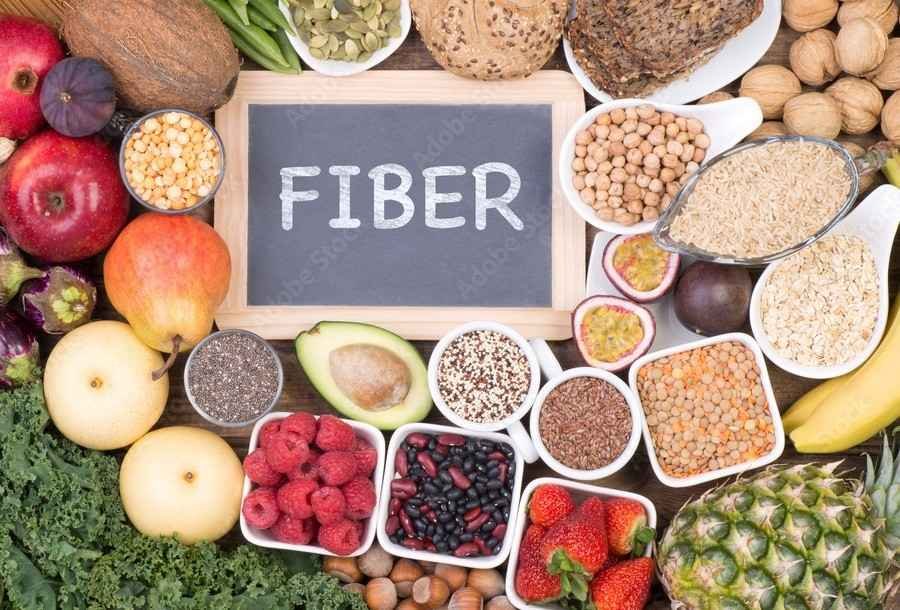
Fiber: The Essential Nutrient for Digestion and Overall Health
Fiber is one of the most important nutrients for maintaining good health, yet many people do not consume enough of it daily. Found mainly in plant-based foods such as fruits, vegetables, whole grains, nuts, seeds, and legumes, fiber plays a major role in digestion, heart health, blood sugar control, and weight management.
Unlike carbohydrates, fats, and proteins, fiber is not fully digested by the body. Instead, it moves through the digestive system while supporting gut health and helping regulate various body functions. Because of its many benefits, fiber is often linked with healthy eating and disease prevention.
In recent years, high-fiber diets have gained attention for helping with weight loss, improving digestion, and supporting a healthy gut microbiome. Whether you want better digestion, more energy, or improved long-term wellness, understanding fiber can help you make healthier food choices.
This complete guide covers everything about fiber, including its types, benefits, best food sources, side effects, daily requirements, and practical tips for increasing fiber intake naturally.
What Is Fiber?
Dietary fiber is a type of carbohydrate found in plant foods that the human body cannot fully digest. Instead of being broken down into sugar, fiber passes through the digestive tract relatively intact.
Fiber helps:
- Improve digestion
- Support healthy bowel movements
- Feed beneficial gut bacteria
- Control cholesterol and blood sugar
- Increase fullness after meals
Fiber is naturally found in:
- Fruits
- Vegetables
- Whole grains
- Beans and lentils
- Nuts and seeds
Types of Fiber
There are two main types of dietary fiber.
1. Soluble Fiber
Soluble fiber dissolves in water and forms a gel-like substance in the digestive system.
Benefits of Soluble Fiber
- Helps lower cholesterol
- Supports blood sugar control
- Increases fullness
- Supports heart health
Foods Rich in Soluble Fiber
- Oats
- Apples
- Citrus fruits
- Chia seeds
- Flaxseeds
- Beans
- Lentils
2. Insoluble Fiber
Insoluble fiber does not dissolve in water and adds bulk to stool.
Benefits of Insoluble Fiber
- Supports regular bowel movements
- Helps prevent constipation
- Supports digestive health
Foods Rich in Insoluble Fiber
- Whole wheat
- Brown rice
- Vegetables
- Nuts
- Seeds
- Wheat bran
Why Fiber Is Important
Fiber supports many important functions in the body.
Main Functions of Fiber
- Improves digestion
- Supports gut bacteria
- Reduces constipation
- Helps maintain healthy weight
- Supports heart health
- Helps regulate blood sugar
- May reduce disease risk
Top Health Benefits of Fiber
1. Improves Digestion
Fiber helps food move smoothly through the digestive tract. It supports regular bowel movements and may reduce constipation.
People who eat enough fiber often experience better digestive comfort.
2. Supports Gut Health
Fiber acts as food for beneficial bacteria living in the intestines. These healthy bacteria produce compounds that support digestion and overall wellness.
A healthy gut microbiome may influence:
- Immunity
- Mood
- Digestion
- Inflammation
3. Helps with Weight Loss
High-fiber foods tend to be more filling and satisfying.
How Fiber Supports Weight Management
- Slows digestion
- Reduces hunger
- Helps control cravings
- Supports portion control
Fiber-rich diets are often lower in processed foods and high-calorie snacks.
4. Supports Heart Health
Certain types of soluble fiber may help reduce LDL (“bad”) cholesterol levels.
Fiber-rich diets are linked with:
- Better cholesterol balance
- Improved blood pressure
- Reduced cardiovascular risk
5. Helps Control Blood Sugar
Fiber slows the absorption of sugar into the bloodstream, which may help stabilize blood sugar levels.
This is especially helpful when fiber is consumed from whole foods such as vegetables, legumes, and whole grains.
6. May Reduce Constipation
One of the most well-known benefits of fiber is supporting healthy bowel movements.
Insoluble fiber adds bulk to stool and helps waste move through the digestive system more efficiently.
7. May Lower Risk of Certain Diseases
Research suggests high-fiber diets may be associated with lower risk of:
- Heart disease
- Type 2 diabetes
- Digestive disorders
- Obesity
Fiber-rich diets are often part of healthy lifestyle patterns.
Best High-Fiber Foods
Fruits High in Fiber
- Apples
- Pears
- Guava
- Raspberries
- Bananas
- Oranges
Vegetables High in Fiber
- Broccoli
- Carrots
- Spinach
- Sweet potatoes
- Green peas
Whole Grains
- Oats
- Brown rice
- Quinoa
- Whole wheat
- Barley
Legumes
- Lentils
- Chickpeas
- Kidney beans
- Black beans
Nuts & Seeds
- Chia seeds
- Flaxseeds
- Almonds
- Sunflower seeds
Fiber Content in Popular Foods
| Food | Fiber per 100g |
|---|---|
| Chia seeds | 34 g |
| Lentils | 8 g |
| Oats | 10 g |
| Apple | 2.4 g |
| Broccoli | 2.6 g |
| Almonds | 12 g |
| Brown rice | 1.8 g |
Daily Fiber Requirements
Recommended daily fiber intake varies by age and gender.
| Group | Recommended Intake |
|---|---|
| Adult Women | 25 g |
| Adult Men | 38 g |
| Children | 14–25 g |
Many people consume far less than recommended.
Signs You May Need More Fiber
Common signs of low fiber intake include:
- Constipation
- Feeling hungry often
- Poor digestion
- Irregular bowel movements
- Low fruit and vegetable intake
How to Increase Fiber Intake Naturally
Easy Ways to Eat More Fiber
- Choose whole fruits instead of juice
- Eat more vegetables
- Replace white bread with whole grain bread
- Add chia or flaxseeds to smoothies
- Include beans and lentils in meals
- Snack on nuts and fruits
Important Tip
Increase fiber gradually and drink enough water to avoid bloating.
Fiber and Weight Loss
Fiber is commonly included in healthy weight-loss plans.
Why Fiber Helps
- Keeps you full longer
- Slows digestion
- Helps reduce overeating
- Encourages healthier food choices
Best Fiber Foods for Weight Loss
- Oats
- Chia seeds
- Vegetables
- Beans
- Apples
- Berries
Fiber and Gut Microbiome
The gut microbiome refers to trillions of bacteria living in the digestive tract.
Fiber acts as a prebiotic, feeding beneficial bacteria that support:
- Digestion
- Immune function
- Nutrient absorption
A diverse fiber-rich diet supports a healthier microbiome.
Fiber Supplements
Some people use fiber supplements if they struggle to get enough fiber from food.
Common Fiber Supplements
- Psyllium husk
- Inulin
- Methylcellulose
Are Supplements Necessary?
Whole foods are usually the best source because they also contain vitamins, minerals, and antioxidants.
Supplements may help some people under medical guidance.
Side Effects of Too Much Fiber
Although fiber is healthy, too much too quickly can cause discomfort.
Possible Side Effects
- Bloating
- Gas
- Stomach cramps
- Diarrhea
- Constipation if water intake is low
How to Avoid Problems
- Increase fiber gradually
- Drink plenty of water
- Eat a balanced diet
Fiber for Children
Children also need fiber for healthy digestion and growth.
Healthy Fiber Foods for Kids
- Fruits
- Vegetables
- Oatmeal
- Whole grain cereals
- Beans
Avoid relying heavily on processed snacks.
Fiber and Diabetes
Fiber-rich foods may help regulate blood sugar levels.
Best Fiber Foods for Blood Sugar Balance
- Lentils
- Oats
- Non-starchy vegetables
- Chia seeds
- Beans
Whole foods are usually better than refined carbohydrates.
Fiber and Heart Health
Fiber may support cardiovascular wellness in several ways:
- Helps reduce cholesterol
- Supports healthy weight
- Improves blood sugar balance
Soluble fiber is especially known for heart benefits.
High-Fiber Breakfast Ideas
Healthy Breakfast Options
- Oatmeal with berries
- Chia pudding
- Whole grain toast
- Smoothie with flaxseed
- Fruit and yogurt bowls
High-Fiber Indian Foods
India has many naturally fiber-rich foods.
Examples
- Dal
- Chana
- Rajma
- Bajra
- Jowar
- Vegetables
- Guava
- Papaya
Traditional Indian diets can provide excellent fiber when minimally processed.
Fiber Myths
Myth 1: Only Older Adults Need Fiber
People of all ages benefit from adequate fiber intake.
Myth 2: Fiber Is Only for Digestion
Fiber also supports heart health, blood sugar balance, and weight management.
Myth 3: Supplements Are Better Than Food
Whole foods usually provide more complete nutrition.
Best Time to Eat Fiber
Fiber can be included throughout the day.
Morning
High-fiber breakfasts may improve fullness.
Before Meals
Fiber-rich foods may help portion control.
Daily Consistency Matters Most
Regular intake is more important than timing.
How to Build a Balanced High-Fiber Diet
Breakfast
Oats with fruits and seeds
Lunch
Whole grains, vegetables, and lentils
Snacks
Fruits, nuts, or roasted chickpeas
Dinner
Vegetables, beans, and brown rice
Balance fiber intake with:
- Protein
- Healthy fats
- Hydration
Conclusion
Fiber is one of the most valuable nutrients for overall health. From digestion and gut health to heart wellness and weight management, fiber supports many important body functions. Eating a variety of fiber-rich foods such as fruits, vegetables, whole grains, legumes, nuts, and seeds can help improve long-term health naturally.
Most people can benefit from increasing fiber intake gradually while drinking enough water. Instead of relying only on supplements, focus on building balanced meals with natural plant-based foods.
Whether your goal is better digestion, healthy weight management, or overall wellness, fiber deserves a regular place in your daily diet.
FAQs
What is fiber?
Fiber is a type of carbohydrate found in plant foods that the body cannot fully digest.
Why is fiber important?
Fiber supports digestion, heart health, blood sugar control, and gut health.
Which foods are highest in fiber?
Chia seeds, beans, lentils, oats, fruits, vegetables, and whole grains are high in fiber.
Can fiber help with weight loss?
Fiber may increase fullness and reduce overeating, supporting healthy weight management.
How much fiber should adults consume daily?
Women generally need about 25 grams daily, while men need around 38 grams.
Can too much fiber be harmful?
Too much fiber too quickly may cause bloating, gas, or stomach discomfort.
Is fiber good for constipation?
Yes, fiber supports regular bowel movements and digestive health.
Are fiber supplements necessary?
Whole foods are usually preferred, but supplements may help some people.
Does fiber affect blood sugar?
Fiber slows sugar absorption and may support blood sugar balance.
What happens if you don’t eat enough fiber?
Low fiber intake may contribute to constipation, poor digestion, and reduced fullness after meals.
Also read:
Folate (Vitamin B9): Benefits, Foods, Pregnancy Support, Dosage & Side Effects