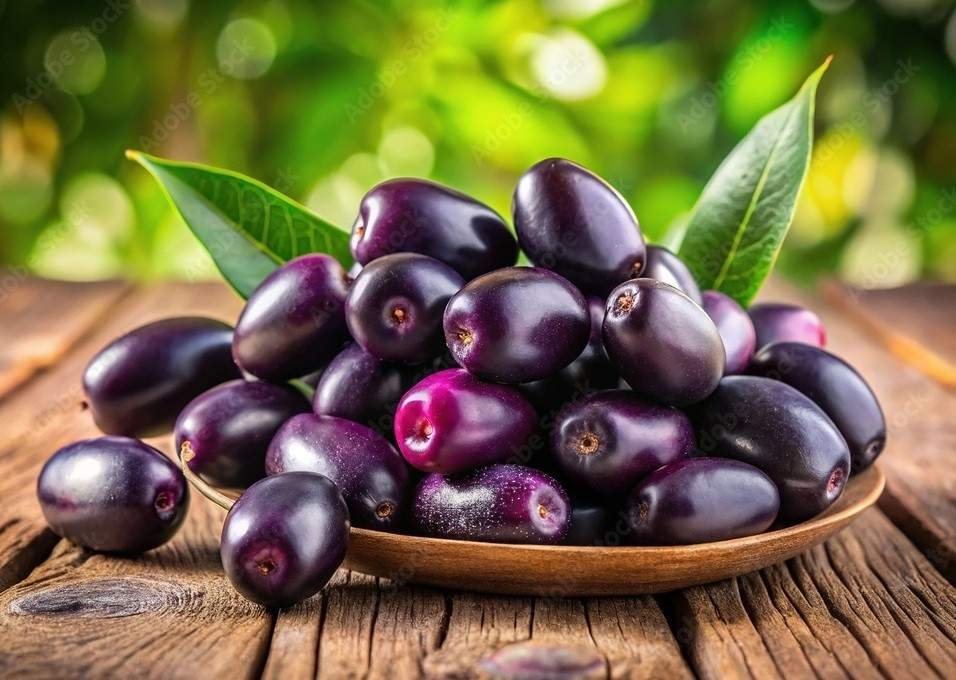
Jamun is a delicious purple tropical fruit loved for its sweet, tangy, and slightly astringent flavor. Popular across India and many Asian countries, jamun is widely consumed during the summer season and has long been valued in traditional wellness practices. Known scientifically as Syzygium cumini, jamun is also called Java plum, Indian blackberry, black plum, jambolan, and Malabar plum.
This fruit is not only flavorful but also highly nutritious. Jamun contains antioxidants, vitamin C, fiber, potassium, iron, and plant compounds that may support digestion, immunity, and blood sugar management. Jamun seeds, leaves, and bark have also been used in traditional remedies for centuries.
In recent years, jamun has become popular among health-conscious people because of its potential role in supporting blood sugar balance and overall wellness. Whether eaten fresh, juiced, dried, or powdered, jamun offers many benefits while adding unique flavor to meals and drinks.
This complete guide explores everything about jamun including nutrition facts, health benefits, recipes, uses, side effects, and frequently asked questions.
What Is Jamun?
Jamun is a small oval-shaped fruit with dark purple or nearly black skin and juicy flesh. The fruit has a distinctive sweet-sour taste with mild bitterness that leaves a purple stain on the tongue.
Jamun grows on evergreen trees commonly found in tropical and subtropical regions. The fruit is harvested mainly during late spring and summer.
Popular Names of Jamun
- Java plum
- Indian blackberry
- Black plum
- Jambolan
- Malabar plum
Jamun trees are known for their longevity and dense green leaves. Almost every part of the tree has been traditionally used in herbal preparations.
Nutritional Value of Jamun
Jamun is low in calories and rich in nutrients.
Nutrition in 100 Grams of Jamun
| Nutrient | Amount |
|---|---|
| Calories | 60 |
| Carbohydrates | 15 g |
| Fiber | 0.6–1 g |
| Protein | 0.7 g |
| Fat | 0.2 g |
| Vitamin C | 18 mg |
| Iron | 1–1.5 mg |
| Potassium | 55 mg |
| Calcium | 15 mg |
Jamun also contains:
- Anthocyanins
- Flavonoids
- Antioxidants
- Tannins
These plant compounds contribute to jamun’s deep purple color and health-supporting properties.
Top Health Benefits of Jamun
1. Rich in Antioxidants

Jamun contains powerful antioxidants such as anthocyanins and flavonoids that help protect cells from oxidative stress.
Antioxidants may support:
- Healthy aging
- Immune health
- Heart wellness
- Skin protection
The dark purple color of jamun is a sign of its antioxidant richness.
2. May Support Blood Sugar Balance
Jamun is especially famous for its traditional use in supporting healthy blood sugar levels.
Why Jamun Is Popular for Diabetes Support
- Contains fiber
- Low glycemic impact
- Jamun seed compounds are studied for glucose metabolism support
Jamun seed powder is commonly used in traditional wellness practices. However, it should not replace medical treatment.
People with diabetes should consult healthcare professionals before making major dietary changes.
3. Supports Digestion
Jamun may support digestive health because it contains fiber and natural plant compounds.
Digestive Benefits
- Supports bowel regularity
- May help reduce bloating
- Traditionally used for stomach comfort
The fruit’s astringent nature may also help support digestive balance.
4. Good for Immunity
Jamun contains vitamin C and antioxidants that help support immune function.
Vitamin C contributes to:
- Collagen production
- Skin health
- Immune defense
- Antioxidant protection
5. Supports Heart Health
The potassium and antioxidants in jamun may support cardiovascular wellness.
Potential Heart Benefits
- Supports healthy blood pressure
- Helps fight oxidative stress
- May support healthy circulation
Healthy dietary patterns that include fruits like jamun may support long-term heart health.
6. May Help with Weight Management
Jamun is relatively low in calories and contains fiber, making it a healthy fruit choice for balanced diets.
Why Jamun Fits Weight-Loss Diets
- Low calorie fruit
- Naturally sweet
- Refreshing summer snack
- May improve fullness
Replacing sugary snacks with fruits like jamun may support healthier eating habits.
7. Supports Skin Health
Jamun’s antioxidants and vitamin C may help support healthy skin.
Skin Benefits
- Supports collagen production
- Helps fight free radicals
- May contribute to healthy glow
Some skincare products also use jamun extracts because of their antioxidant properties.
8. May Support Oral Health
Traditionally, jamun leaves and bark were used in herbal oral care practices.
Some traditional uses include:
- Mouth rinses
- Gum support
- Fresh breath support
Modern scientific evidence is still developing in this area.
9. May Improve Iron Intake
Jamun contains small amounts of iron and vitamin C, which helps improve iron absorption.
This combination may support healthy blood function when included in a balanced diet.
Jamun and Ayurveda
Jamun has been used in traditional Ayurvedic practices for centuries.
Traditional Uses
- Digestive wellness
- Blood sugar support
- Cooling summer fruit
- General wellness support
Jamun seeds, bark, and leaves are commonly used in herbal preparations.
Different Ways to Eat Jamun
Jamun can be enjoyed in many forms.
Popular Ways to Consume Jamun
- Fresh fruit
- Jamun juice
- Smoothies
- Fruit salads
- Jamun powder
- Jamun vinegar
- Frozen desserts
Fresh jamun is the most popular option during summer.
Jamun Juice Benefits
Jamun juice is refreshing and nutrient-rich.
Benefits of Jamun Juice
- Hydrating summer drink
- Rich in antioxidants
- Naturally colorful
- May support digestion
Avoid adding excessive sugar to maintain its nutritional value.
Easy Jamun Recipes
1. Fresh Jamun Juice
Ingredients
- 1 cup jamun
- Water
- Black salt
- Mint leaves
Method
Blend jamun with water, strain if needed, and serve chilled.
2. Jamun Smoothie
Ingredients
- Jamun
- Yogurt
- Banana
- Honey
Blend until smooth for a creamy summer drink.
3. Jamun Chia Bowl
Mix jamun pulp with yogurt, chia seeds, and nuts for a healthy breakfast.
4. Jamun Popsicles
Freeze jamun juice with fruit pieces for a refreshing frozen snack.
Jamun Seeds: Uses & Popularity
Jamun seeds are commonly dried and powdered.
Traditional Uses of Jamun Seed Powder
- Used in herbal wellness routines
- Popular in diabetes-support discussions
- Sometimes mixed into warm water
Scientific studies continue to explore its potential properties.
Side Effects of Jamun
Although jamun is healthy, excessive intake may cause problems in some people.
Possible Side Effects
- Stomach discomfort
- Acidity
- Constipation if overeaten
- Blood sugar lowering effects in sensitive individuals
Moderation is important.
Who Should Be Careful with Jamun?
People who should consult healthcare professionals before excessive use:
- Individuals on diabetes medication
- People with low blood sugar
- Those with fruit allergies
Pregnant or breastfeeding individuals should consume jamun as part of a balanced diet unless advised otherwise by healthcare providers.
Best Time to Eat Jamun
Morning or Afternoon
Fresh jamun is often consumed as a snack during the day.
Summer Season
Jamun is especially refreshing in hot weather.
Avoid eating excessive quantities late at night if it causes stomach discomfort.
How to Select Fresh Jamun
Tips for Buying Jamun
- Choose dark purple fruits
- Avoid damaged or shriveled fruits
- Fresh jamun should feel firm
- Slight shine indicates freshness
How to Store Jamun
Refrigerator
Fresh jamun stays good for a few days when refrigerated.
Freezing
Jamun pulp can be frozen for smoothies and desserts.
Consume fresh jamun quickly because it is highly perishable.
Jamun vs Blueberries
| Feature | Jamun | Blueberries |
|---|---|---|
| Color | Deep purple | Blue-purple |
| Taste | Sweet-sour | Mild sweet |
| Popular Region | India & Asia | North America |
| Antioxidants | High | High |
Both fruits are rich in antioxidants and nutrients.
Fun Facts About Jamun
- Jamun can stain the tongue purple.
- Jamun trees may live for decades.
- The fruit is strongly associated with Indian summers.
- Jamun wood is durable and water resistant.
- Birds and animals also love jamun fruits.
Why Jamun Is Popular in India
Jamun is deeply connected with Indian summer culture and traditional wellness practices.
Reasons for Popularity
- Seasonal cooling fruit
- Traditional Ayurvedic use
- Affordable summer fruit
- Distinctive flavor
- Nutrient-rich profile
Street vendors commonly sell fresh jamun during the summer months.
Conclusion
Jamun is a delicious and nutrient-rich tropical fruit packed with antioxidants, vitamin C, and traditional wellness value. From supporting digestion and hydration to its popularity in blood sugar management discussions, jamun has earned its place as one of India’s most loved summer fruits.
Whether eaten fresh, blended into juice, or used in recipes, jamun offers a refreshing combination of taste and nutrition. While it is not a miracle cure, including jamun as part of a balanced diet may support overall health and wellness naturally.
Its deep purple color, unique flavor, and traditional importance make jamun more than just a fruit — it is a seasonal superfruit enjoyed across generations.
FAQs
What is jamun?
Jamun is a purple tropical fruit also known as Java plum or Indian blackberry.
Is jamun good for diabetes?
Jamun is traditionally used in blood sugar support practices, but it should not replace medical treatment.
What nutrients are found in jamun?
Jamun contains vitamin C, antioxidants, iron, potassium, and fiber.
Can jamun help with weight loss?
Jamun is low in calories and may fit into balanced weight-management diets.
Is jamun juice healthy?
Yes, jamun juice provides antioxidants and hydration when consumed without excessive sugar.
Can jamun stain teeth and tongue?
Yes, its dark purple pigments can temporarily stain the tongue and lips.
What does jamun taste like?
Jamun has a sweet, tangy, and slightly astringent flavor.
Can you eat jamun seeds?
Jamun seeds are often dried and powdered for traditional wellness uses.
Is jamun seasonal?
Yes, jamun is mainly available during summer.
Can children eat jamun?
Yes, children can usually enjoy jamun in moderation as part of a balanced diet.
Also read: