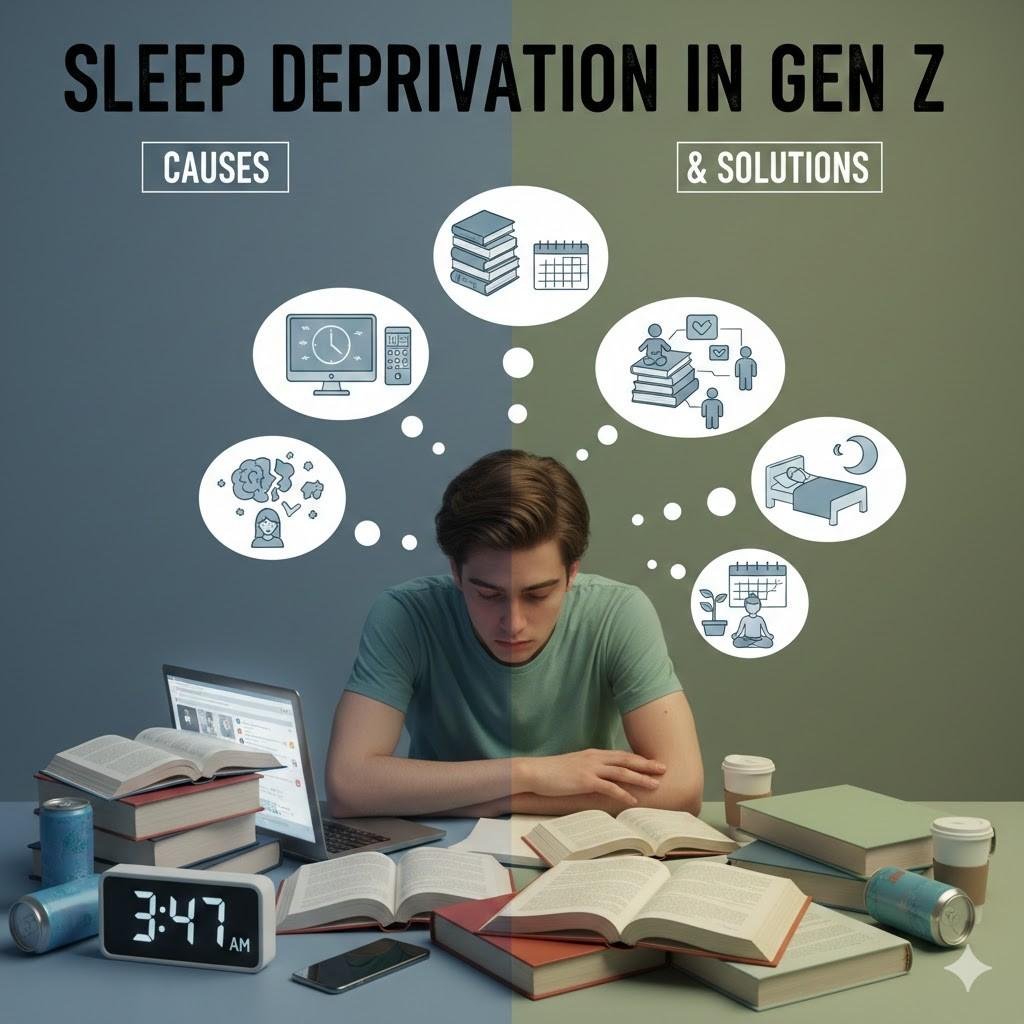
Sleep Deprivation in Gen Z: In an era defined by late-night scrolling, endless notifications, remote work, and rising mental health awareness, one fundamental human need has become paradoxically scarce: sleep. For Generation Z—typically defined as those born between 1997 and 2012—sleep deprivation isn’t just a phase; it’s a growing public health concern with real consequences.
In this deep-dive blog post, we’ll explore:
- Why Gen Z is more sleep deprived than previous generations
- How sleep deprivation impacts health and daily life
- Practical, research-backed solutions for better sleep
- How culture and technology shape Gen Z’s sleep patterns
Whether you’re a student, young professional, parent, or simply curious about modern wellness trends, this guide will help you understand and tackle one of Gen Z’s most pervasive challenges.
1. What Is Sleep Deprivation?
Sleep deprivation means not getting enough sleep to feel alert, healthy, and functional during the day. While individuals vary in their sleep needs, most adults require 7–9 hours of quality sleep per night according to health experts.
Sleep deprivation isn’t only about total hours—it also includes:
- Poor sleep quality
- Frequent nighttime awakenings
- Disrupted circadian rhythms
Gen Z consistently reports sleeping less than recommended, and the reasons go beyond simply “staying up late.”
2. Sleep Statistics: How Much Sleep Does Gen Z Really Get?
Many surveys and studies show that Gen Z sleeps less than other generations. Here’s what research consistently finds:
- Gen Z is more likely to report insufficient sleep than older generations.
- A large portion of teenagers and young adults fall well below the 7–9 hour guideline.
- College students, especially, often average 5–6 hours per night on weekdays.
These patterns aren’t isolated — they reflect broader lifestyle changes, environmental stressors, and digital habits unique to this generation.
3. The Big Causes of Sleep Deprivation in Gen Z
Let’s look at what’s fueling this trend.
a) Digital Overload & Screen Time
Smartphones, social media, streaming, and messaging apps dominate Gen Z’s evening hours.
- Blue light exposure from screens suppresses melatonin, the hormone that helps you sleep.
- Algorithms are designed to keep you engaged — often later than intended.
- Late-night watching, chatting, or doom-scrolling pushes bedtime later.
Many Gen Z individuals call this the FOMO effect — the fear of missing out keeps them alert long after their bodies want to rest.
b) Academic Pressure & Workload
Gen Z faces intense academic and career pressures:
- Homework load and competitive grades
- Internships and side hustles
- Evening part-time jobs or gigs
Long days often translate into long nights, as young people try to catch up on tasks before sleeping.
c) Mental Health Challenges
Anxiety, depression, and stress are highly correlated with sleep difficulties.
- Worry and rumination delay sleep onset
- Mood disorders disrupt sleep architecture
- Overthinking intensifies late at night when the world is quiet
Studies show that Gen Z reports higher levels of stress and mental health concerns than previous generations — and these often go hand-in-hand with poor sleep.
d) Irregular Schedules & Shift Work
Remote learning, flexible hours, gig economy shifts, and late-night jobs make routine difficult.
An irregular sleep schedule confuses the body’s internal clock (circadian rhythm), making it harder to fall asleep and wake up consistently.
e) Caffeine and Energy Drinks
Energy drinks and caffeinated beverages are widely consumed by students and young professionals.
But while they may boost short-term alertness, caffeine can:
- Delay sleep onset
- Reduce deep sleep quality
- Cause nighttime awakenings
Many people don’t realize caffeine stays in your system for up to 8 hours, meaning afternoon drinks can affect nighttime sleep.
f) Academic and Social Multitasking
Gen Z tends to multitask across screens and platforms — studying while watching videos, messaging friends while doing homework, and checking work emails at night. This constant cognitive engagement delays relaxation and sleep readiness.
4. The Science of Sleep: Why It Matters
Understanding the impact of sleep deprivation requires a quick look at what sleep does for your body and brain.
a) Memory & Learning
During sleep, especially deep sleep and REM phases:
- The brain consolidates memories
- Learning is encoded for long-term storage
Lack of sleep impairs attention, memory retention, and problem-solving.
b) Emotional Regulation
Sleep deprivation affects the amygdala — the brain’s emotional center — leading to:
- Heightened emotional responses
- Increased sensitivity
- Lower frustration tolerance
This is why tired people often feel more irritable or anxious.
c) Immune Function
Sleep supports immune system function. Chronic sleep loss:
- Weakens immunity
- Increases susceptibility to infection
- Slows recovery
d) Metabolism & Appetite
Lack of sleep alters hormones like ghrelin and leptin, which regulate hunger and fullness — contributing to:
- Increased appetite
- Cravings for high-sugar foods
- Weight fluctuations
e) Long-Term Health Risks
Chronic sleep deprivation has been linked to:
- Obesity
- Diabetes
- High blood pressure
- Heart disease
- Cognitive decline
These aren’t distant concerns — poor sleep patterns in youth can set the stage for health challenges later in life.
5. Everyday Effects of Sleep Deprivation in Gen Z
Here are some real-world consequences many young adults experience:
a) Academic/Application Performance Drops
Students with insufficient sleep:
- Struggle with focus
- Perform worse on tests
- Have difficulty staying organized
b) Workplace Productivity Declines
Sleep-deprived employees:
- Make more mistakes
- Take longer to complete tasks
- Report higher burnout
c) Mood Disturbances & Social Impact
Lack of sleep can lead to:
- Irritability
- Emotional outbursts
- Difficulty communicating effectively
Relationships — romantic, familial, or friendships — can suffer.
d) Daytime Fatigue & Microsleeps
Even brief episodes of “microsleep” (seconds of sleep while awake) can be dangerous — especially while driving or operating equipment.
e) Poor Decision Making
Sleep affects the prefrontal cortex — the part of the brain responsible for judgment and impulse control. Sleep-deprived Gen Zers may:
- Make riskier choices
- Have trouble with long-term planning
- Struggle with self-control
6. Sleep Myths That Hurt More Than Help
Let’s bust some common sleep misconceptions:
Myth: “I can function fine on 5–6 hours.”
Most people can get by, but suboptimal sleep still impairs performance and health. Myth: “Weekends can fix a week of poor sleep.”
Catching up a few hours doesn’t fully reverse the negative effects of chronic sleep loss.
Myth: “Listening to relaxing music always helps.”
Music helps some people — but if audio keeps you awake or overstimulated, it can backfire.
7. Gen Z’s Relationship with Sleep Culture
Sleep has become a cultural conversation. Trends like sleep hygiene, dopamine detox, soft life, comfort-based productivity, and self-care Sunday routines reflect a growing awareness — but awareness alone isn’t enough without consistent action.
Many Gen Z social media trends highlight how much sleep is lacking, not how to sustainably fix it. That’s where solutions matter most.
8. Solutions: How Gen Z Can Sleep Better (Backed by Science)
Here’s the heart of the matter — practical, evidence-based strategies that really work.
a) Build a Consistent Sleep Schedule
The body loves routine. Try to:
- Go to bed and wake up at the same time daily
- Even on weekends
This stabilizes your circadian rhythm and makes falling asleep easier.
b) Reduce Blue Light Before Bed
Screens emit blue light that inhibits melatonin.
Try:
- Enabling blue light filters (Night Shift / Dark Mode)
- Stopping screen use 60–90 minutes before bed
- Using apps that adjust light exposure as evening approaches
c) Create a Sleep-Friendly Environment
Make your bedroom:
- Cool (60–67°F / 15–19°C)
- Dark (use blackout curtains)
- Quiet (consider white noise or earplugs)
Your body associates this environment with sleep — like a cue.
d) Limit Caffeine & Energy Drinks
Avoid caffeine at least 6–8 hours before bedtime.
Choose alternatives like:
- Herbal tea
- Decaf coffee
- Warm milk or plant milk
e) Moderate Exercise
Regular physical activity:
- Improves sleep onset
- Increases deep sleep
But avoid vigorous workouts right before bed.
f) Relaxation Rituals Before Sleep
Try winding down with:
- Light stretching or yoga
- Reading a book (non–screen)
- Guided breathing exercises
- Meditation apps
g) Mind the Daytime Naps
Naps can restore alertness — but patchy, long naps late in the afternoon can disrupt nighttime sleep.
Aim for:
- 20–30 minute naps
- Earlier in the day
h) Manage Stress Proactively
Stress is a major enemy of sleep.
Helpful practices:
- Journaling before bed to clear your mind
- Scheduled worry time earlier in the day
- Talking to a friend or therapist
i) Limit Nighttime Multitasking
Try focusing on one task at a time and set a digital cutoff. For example:
- 10:30 PM: phone on silent, out of reach
- 11:00 PM: lights out
Even small boundaries make a big difference.
9. When to Seek Professional Help
If sleep problems persist for weeks despite lifestyle changes, consider consulting a medical professional.
You may want help if you:
- Fall asleep unintentionally during the day
- Snore loudly or have breathing pauses
- Experience restless legs
- Wake up unrefreshed despite adequate sleep time
These could be signs of sleep disorders like insomnia, sleep apnea, or circadian rhythm disorders.
10. Sleep, Technology & Gen Z: Finding Balance
Ironically, technology both disrupts and improves sleep.
Helpful innovations include:
- Sleep tracking apps
- Wearables with sleep stage monitoring
- Relaxation and meditation apps
- Blue-light filters and screen-time reminders
Use tech as a tool — not a late-night distraction.
11. Social Life & Sleep: Redefining Priorities
Gen Z is redefining wellness culture — and that includes how they view sleep.
Rather than treating sleep as optional — something you can sacrifice for productivity or social interaction — an emerging perspective frames sleep as:
- A non-negotiable performance enhancer
- A mental health strategy
- A form of self-respect
- A tool for emotional regulation
This shift is promising — but converting awareness into habits is the real challenge.
12. Conclusion: Sleep Isn’t Laziness — It’s Vital
Sleep deprivation is more than a tired feeling. For Gen Z, it’s a systemic issue, driven by cultural expectations, digital lifestyles, and mental health struggles.
Understanding the causes helps — but implementing real solutions matters most.
By creating intentional sleep habits, balancing technology use, managing stress, and respecting your body’s needs, you can reclaim the rest that powers your mind, body, and long-term wellbeing.
Frequently Asked Questions (FAQ)
1. What is sleep deprivation in Gen Z?
Sleep deprivation in Gen Z refers to consistently getting less sleep than the recommended 7–9 hours due to factors like excessive screen time, academic stress, irregular schedules, and mental health challenges.
2. Why is Gen Z more sleep deprived than other generations?
Gen Z faces unique challenges such as constant digital connectivity, social media pressure, academic competition, gig work, and rising anxiety levels—all of which disrupt healthy sleep routines.
3. How many hours of sleep does Gen Z need?
Most Gen Z adults need 7–9 hours of sleep, while teenagers require 8–10 hours per night for optimal mental and physical health.
4. How does social media affect Gen Z’s sleep?
Social media exposes users to blue light and emotional stimulation, which suppresses melatonin and delays sleep. Doom-scrolling and late-night notifications also disrupt circadian rhythms.
5. What are the common symptoms of sleep deprivation in young adults?
Common symptoms include constant fatigue, poor concentration, mood swings, irritability, weakened immunity, headaches, and reduced academic or work performance.
6. Can sleep deprivation affect mental health in Gen Z?
Yes. Chronic sleep deprivation is strongly linked to anxiety, depression, emotional instability, and increased stress levels among Gen Z individuals.
7. Do energy drinks worsen sleep problems for Gen Z?
Yes. Energy drinks contain high levels of caffeine that can stay in the body for up to 8 hours, making it harder to fall asleep and reducing sleep quality.
8. Is it okay for Gen Z to catch up on sleep during weekends?
While sleeping extra on weekends may help temporarily, it cannot fully compensate for chronic sleep deprivation. Maintaining a consistent sleep schedule is more effective.
9. What are the long-term health effects of poor sleep in Gen Z?
Long-term effects include increased risk of obesity, diabetes, heart disease, weakened immunity, cognitive decline, and persistent mental health disorders.
10. How can Gen Z improve sleep quality naturally?
Gen Z can improve sleep by limiting screen time before bed, reducing caffeine intake, maintaining a consistent sleep routine, practicing relaxation techniques, and managing stress effectively.
11. Are naps good or bad for Gen Z?
Short naps (20–30 minutes) earlier in the day can boost energy, but long or late-afternoon naps may disrupt nighttime sleep.
12. When should Gen Z seek medical help for sleep issues?
If sleep problems last for several weeks despite lifestyle changes, or if symptoms like loud snoring, breathing pauses, or excessive daytime sleepiness occur, professional help should be sought.
13. Can technology help Gen Z sleep better?
Yes, when used correctly. Sleep-tracking apps, meditation tools, blue-light filters, and screen-time limits can support better sleep habits.
14. Is sleep deprivation considered a serious health issue?
Absolutely. Sleep deprivation is a major public health concern that affects both physical and mental health, especially among Gen Z.
15. Why is sleep important for Gen Z’s future success?
Quality sleep improves focus, emotional balance, decision-making, creativity, and overall productivity—making it essential for Gen Z’s long-term success and well-being.
Also read :