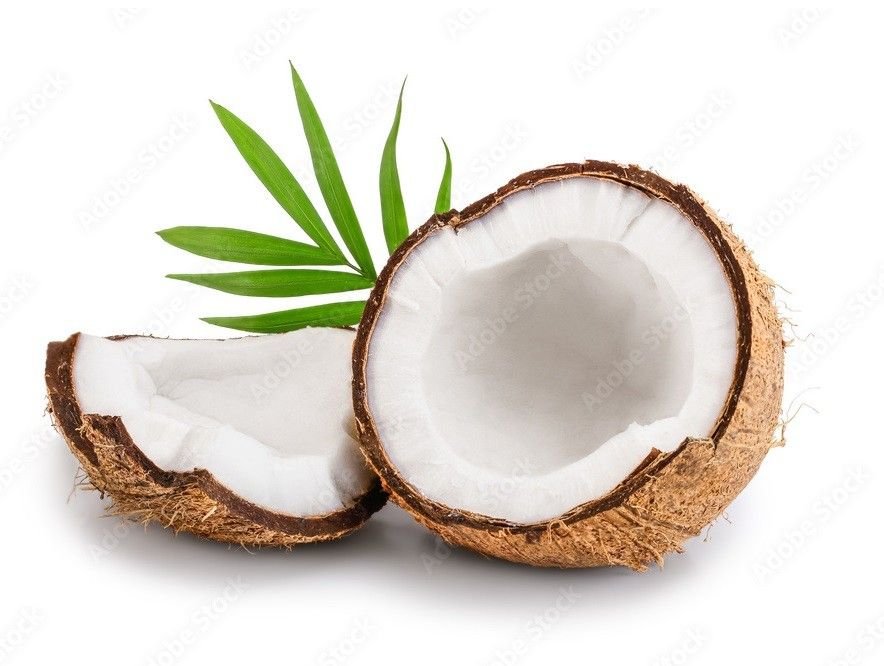
Coconut is one of the most versatile and loved tropical fruits in the world. Known for its refreshing water, creamy flesh, rich oil, and countless culinary uses, coconut has become a staple ingredient in kitchens, beauty products, and wellness routines across many cultures. From tropical islands to modern health food stores, coconut continues to gain popularity because of its nutritional value, natural flavor, and wide range of uses.
The coconut palm is often called the “Tree of Life” because nearly every part of the tree can be used. Coconut water hydrates the body, coconut meat provides healthy fats and fiber, coconut oil is widely used for cooking and skincare, and coconut milk adds richness to meals and desserts. Beyond food, coconut materials are also used for ropes, mats, utensils, and eco-friendly products.
In recent years, coconut has become especially popular among health-conscious consumers. Many people use coconut products in vegan diets, dairy-free recipes, fitness nutrition plans, and natural beauty treatments. Coconut is now found in smoothies, curries, baked goods, snacks, protein bars, plant-based milk alternatives, and skincare products worldwide.
This detailed guide explores everything you need to know about coconut, including its nutritional profile, health benefits, culinary uses, varieties, growing process, beauty applications, and tips for selecting and storing coconuts.
What Is Coconut?
Coconut is the fruit of the coconut palm tree scientifically known as Cocos nucifera. It grows mainly in tropical regions with warm temperatures and high humidity. Countries such as India, Indonesia, the Philippines, Thailand, Sri Lanka, and Brazil are among the leading producers of coconuts.
Although coconut is commonly referred to as a nut, botanically it is considered a drupe, which means it has an outer shell surrounding the seed. A mature coconut contains three layers:
- Outer husk
- Hard shell
- White edible flesh with coconut water inside
Young coconuts are usually green and contain more water. Mature brown coconuts have thicker flesh and less water.
Coconut has been used in traditional cuisines and wellness practices for centuries. In tropical cultures, it is considered both a food and a natural remedy.
Nutritional Value of Coconut
Coconut contains healthy fats, fiber, vitamins, minerals, and plant compounds that contribute to overall health.
Coconut Meat Nutrition
Fresh coconut meat provides:
- Healthy fats
- Dietary fiber
- Manganese
- Copper
- Selenium
- Iron
- Potassium
- Magnesium
- Phosphorus
It is especially rich in medium-chain triglycerides (MCTs), which are fats that the body can quickly convert into energy.
Coconut Water Nutrition
Coconut water is naturally low in calories and contains:
- Potassium
- Sodium
- Magnesium
- Calcium
- Natural sugars
- Antioxidants
Because of its electrolyte content, coconut water is commonly consumed after workouts or during hot weather.
Coconut Oil Nutrition
Coconut oil mainly contains saturated fats, particularly lauric acid, which may have antimicrobial properties.
Health Benefits of Coconut
Coconut offers numerous health benefits when consumed as part of a balanced diet.
1. Supports Hydration
Coconut water is a natural hydrating beverage rich in electrolytes. It helps replenish fluids lost through sweating and physical activity.
Many athletes and fitness enthusiasts drink coconut water after exercise because it contains potassium and magnesium that support muscle function.
2. Provides Quick Energy
The MCTs in coconut are digested differently from many other fats. They are rapidly absorbed and converted into energy.
This makes coconut products popular among people following ketogenic or high-energy diets.
3. Supports Digestive Health
Coconut meat contains dietary fiber that supports healthy digestion and promotes regular bowel movements.
Fiber also helps support beneficial gut bacteria and may contribute to improved digestive wellness.
4. Rich in Antioxidants
Coconut contains antioxidants that help protect the body from oxidative stress caused by free radicals.
Antioxidants play a role in supporting healthy aging and overall wellness.
5. May Support Heart Health
Research on coconut fat and heart health is still ongoing. Some studies suggest that certain coconut compounds may help improve HDL, often called “good” cholesterol.
Moderation remains important because coconut oil is high in saturated fat.
6. Supports Skin Health
Coconut oil is widely used as a natural moisturizer. It may help reduce dryness and support the skin barrier.
Many skincare products include coconut oil because of its hydrating properties.
7. May Have Antimicrobial Properties
Lauric acid found in coconut oil may help fight certain bacteria and microbes.
Traditional wellness systems have used coconut oil for oral care and skin care for generations.
8. Supports Weight Management
The fiber and healthy fats in coconut may help increase feelings of fullness.
Some people include coconut in balanced meals to help manage appetite.
9. Supports Bone Health
Coconut contains minerals such as manganese and phosphorus that contribute to healthy bones.
10. Natural Source of Electrolytes
Coconut water provides potassium and magnesium that help maintain electrolyte balance in the body.
Different Types of Coconut Products
Coconut is transformed into many useful products.
Coconut Water
Coconut water is the clear liquid inside young coconuts. It is refreshing, naturally sweet, and hydrating.
People commonly drink it chilled or blend it into smoothies.
Coconut Meat
The white flesh inside the coconut can be eaten fresh or dried.
Fresh coconut has a soft texture and mildly sweet flavor.
Coconut Milk
Coconut milk is made by blending coconut flesh with water.
It is widely used in:
- Curries
- Soups
- Desserts
- Smoothies
- Vegan recipes
Coconut Cream
Coconut cream is thicker and richer than coconut milk.
It is commonly used in desserts and creamy dishes.
Coconut Oil
Coconut oil is extracted from coconut flesh.
It is used for:
- Cooking
- Baking
- Hair care
- Skin care
- Massage
Desiccated Coconut
Desiccated coconut is dried grated coconut used in baking and desserts.
Coconut Flour
Coconut flour is a gluten-free flour alternative made from dried coconut pulp.
It is high in fiber and popular in low-carb baking.
Coconut Sugar
Coconut sugar is produced from coconut palm sap.
It has a caramel-like flavor and is used as a natural sweetener.
Coconut in Global Cuisine
Coconut plays an important role in cuisines around the world.
Indian Cuisine
In India, coconut is used in chutneys, curries, sweets, rice dishes, and desserts.
South Indian cuisine especially relies heavily on coconut.
Popular dishes include:
- Coconut chutney
- Coconut rice
- Coconut laddoo
- Kerala curries
Thai Cuisine
Thai dishes frequently use coconut milk for rich and creamy curries.
Examples include:
- Green curry
- Tom kha soup
- Coconut desserts
Caribbean Cuisine
Coconut is used in tropical drinks, rice dishes, seafood recipes, and desserts.
Filipino Cuisine
The Philippines uses coconut in savory dishes, sweets, sauces, and beverages.
Western Cuisine
In modern Western cooking, coconut appears in:
- Smoothie bowls
- Vegan desserts
- Protein snacks
- Dairy-free milk alternatives
- Health foods
Coconut Water vs Coconut Milk
Many people confuse coconut water and coconut milk, but they are very different.
Coconut Water
- Naturally clear liquid
- Lower in calories
- Hydrating
- Rich in electrolytes
Coconut Milk
- Made from blended coconut flesh
- Thick and creamy
- Higher in fat
- Common in cooking
Both have unique nutritional benefits and uses.
Coconut for Skin and Hair
Coconut is widely used in natural beauty care.
Benefits for Skin
Coconut oil may:
- Moisturize dry skin
- Support the skin barrier
- Improve skin softness
- Help remove makeup
Many people use coconut oil as a natural body moisturizer.
Benefits for Hair
Coconut oil is commonly applied to hair because it may:
- Reduce dryness
- Add shine
- Help reduce protein loss in hair
- Improve manageability
Traditional hair care routines in tropical countries often include coconut oil massage.
Coconut in Beauty Products
You can find coconut ingredients in:
- Soaps
- Lotions
- Shampoos
- Hair masks
- Lip balms
- Body scrubs
Coconut and Fitness Nutrition
Coconut has become popular in sports nutrition and fitness diets.
Pre-Workout Energy
MCTs in coconut may provide quick energy before exercise.
Post-Workout Hydration
Coconut water helps replenish electrolytes after workouts.
Keto and Low-Carb Diets
Coconut products are widely used in ketogenic diets because of their fat content.
Vegan Nutrition
Coconut milk and coconut yogurt are common dairy alternatives in vegan diets.
Is Coconut Good for Weight Loss?
Coconut can be included in balanced weight management plans when consumed in moderation.
How Coconut May Help
- Fiber supports fullness
- Healthy fats may reduce hunger
- Coconut products can replace processed snacks
However, coconut products can also be calorie-dense, especially coconut oil and coconut cream.
Portion control is important.
How to Select Fresh Coconut
Choosing a good coconut ensures better flavor and freshness.
Tips for Buying Coconut
1. Shake the Coconut
You should hear water sloshing inside.
2. Check the Eyes
The three dark spots should be dry and free from mold.
3. Inspect the Shell
Avoid cracked or damaged coconuts.
4. Weight Matters
A heavier coconut usually contains more water.
How to Store Coconut
Whole Coconut
Store in a cool dry place for several weeks.
Fresh Coconut Meat
Refrigerate in an airtight container.
Coconut Water
Consume soon after opening.
Coconut Milk
Refrigerate after opening and use within a few days.
Coconut Oil
Store in a cool place away from direct sunlight.
How to Open a Coconut
Opening a coconut may seem difficult, but it becomes easier with practice.
Steps to Open a Coconut
- Drain the coconut water through one of the soft eyes.
- Use a hammer or heavy knife to crack the shell.
- Pry the shell apart.
- Remove the coconut flesh.
Young coconuts are easier to open with a cleaver or specialized coconut tool.
FAQs
1. Is coconut a fruit or a nut?
Coconut is technically classified as a drupe, which is a type of fruit with a hard shell surrounding the seed. Although many people call it a nut, it is botanically considered a fruit.
2. Is coconut water healthy?
Yes, coconut water is naturally hydrating and contains electrolytes like potassium and magnesium. It is often consumed after exercise or during hot weather for hydration support.
3. Can coconut help with digestion?
Coconut meat contains dietary fiber, which may help support healthy digestion and regular bowel movements when included in a balanced diet.
4. Is coconut oil good for cooking?
Coconut oil is commonly used for cooking and baking because of its rich flavor and stability at higher temperatures. However, it should be consumed in moderation due to its saturated fat content.
5. Can people with lactose intolerance consume coconut milk?
Yes, coconut milk is naturally dairy-free and is often used as an alternative to cow’s milk by people with lactose intolerance or those following vegan diets.
6. Does coconut help with skin and hair care?
Coconut oil is widely used in skincare and haircare routines because it may help moisturize dry skin and improve hair softness and shine.
7. Is coconut good for weight loss?
Coconut may support fullness because of its fiber and healthy fat content. However, some coconut products are calorie-dense, so portion control is important.
8. Can diabetics consume coconut?
Unsweetened coconut products can generally be included in balanced diets, but individuals with diabetes should monitor portion sizes and avoid heavily sweetened coconut snacks or drinks.
9. How should fresh coconut be stored?
Whole coconuts can be stored in a cool dry place, while fresh coconut meat and coconut milk should be refrigerated in airtight containers.
10. What are the most popular coconut products?
Popular coconut products include:
- Coconut water
- Coconut milk
- Coconut oil
- Coconut flour
- Coconut sugar
- Coconut cream
- Desiccated coconut
Conclusion
Coconut is one of the world’s most versatile and valuable tropical foods. From its refreshing water and creamy milk to its nutrient-rich flesh and nourishing oil, coconut offers countless culinary, wellness, and lifestyle benefits. It has been used for generations in traditional cuisines, natural beauty routines, and cultural practices across tropical regions.
Today, coconut continues to grow in popularity because it fits perfectly into modern health trends such as plant-based eating, dairy-free cooking, fitness nutrition, and sustainable living. Whether enjoyed in smoothies, curries, desserts, snacks, or skincare products, coconut brings flavor, nutrition, and natural goodness to everyday life.
When consumed in moderation as part of a balanced lifestyle, coconut can support hydration, energy, digestion, and overall wellness. Its versatility, tropical taste, and wide range of uses make coconut a timeless superfood loved around the globe.
Also read: