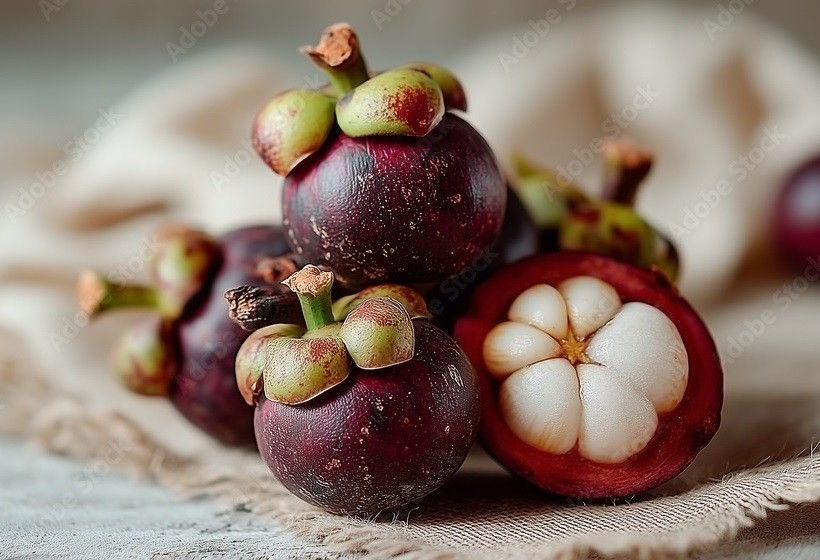
Mangosteen is one of the most fascinating tropical fruits in the world, often called the “Queen of Fruits” because of its delicious taste and impressive nutritional profile. Known for its thick purple rind and soft white flesh, This tropical fruit is highly valued in Southeast Asia and has become increasingly popular worldwide as a superfruit.
The fruit is famous not only for its sweet and refreshing flavor but also for its rich concentration of antioxidants and beneficial plant compounds. As global interest in natural wellness foods continues to rise, it has attracted attention for its potential health-supporting properties, including immune support, digestive wellness, skin health, and antioxidant protection.
This tropical fruit is enjoyed fresh, in juices, smoothies, desserts, and health supplements. Its juicy texture and naturally sweet taste make it one of the most enjoyable exotic fruits available today.
In this complete guide, you will learn everything about this tropical superfruit, including its nutrition, health benefits, culinary uses, storage tips, side effects, and easy recipes.
What Is Mangosteen?
Mangosteen is a tropical fruit that grows on the This tropical fruit tree, scientifically known as Garcinia mangostana. It is native to Southeast Asia and is widely cultivated in countries such as:
- Thailand
- Indonesia
- Malaysia
- Philippines
- Vietnam
The fruit has:
- Thick purple outer skin
- Soft white segmented flesh
- Sweet and slightly tangy flavor
- Juicy texture
The edible white flesh inside resembles garlic cloves in appearance but tastes sweet, floral, and refreshing.
This tropical fruit is commonly consumed:
- Fresh
- As juice
- In smoothies
- In desserts
- In wellness products
Nutritional Value of Mangosteen

This tropical fruit is relatively low in calories while providing vitamins, minerals, and antioxidants.
Nutrition Per 100 Grams
| Nutrient | Amount |
|---|---|
| Calories | 73 |
| Carbohydrates | 18 g |
| Fiber | 1.8 g |
| Protein | 0.4 g |
| Fat | 0.6 g |
| Vitamin C | Moderate |
| Potassium | 48 mg |
| Magnesium | Small amounts |
This tropical fruit also contains:
- Xanthones
- Polyphenols
- Antioxidants
- Plant compounds
The fruit is especially known for its unique antioxidant compounds called xanthones.
Top Health Benefits of Mangosteen
1. Rich in Antioxidants
This tropical fruit contains powerful antioxidants that help protect the body against oxidative stress and free radical damage.
Antioxidants may help:
- Protect cells
- Support healthy aging
- Reduce inflammation
- Promote overall wellness
Xanthones are among the most researched compounds found in This tropical fruit.
2. Supports Immune Health
This tropical fruit contains vitamin C and antioxidants that may help support the immune system.
Potential benefits include:
- Supporting natural defenses
- Protecting against oxidative stress
- Supporting recovery and wellness
Eating antioxidant-rich fruits regularly may help strengthen overall health.
3. May Support Digestive Health
This tropical fruit contains dietary fiber that may support digestion.
Fiber helps:
- Improve bowel regularity
- Support gut bacteria
- Promote digestive comfort
- Increase fullness
Including fiber-rich fruits in the diet may contribute to better digestive wellness.
4. May Help Support Healthy Skin

The antioxidants in This tropical fruit may help protect the skin from oxidative damage.
Potential skin benefits include:
- Supporting collagen health
- Helping maintain skin elasticity
- Supporting healthy-looking skin
This tropical fruitextracts are also used in some skincare products.
5. Supports Hydration
Fresh This tropical fruit has high water content, making it refreshing and hydrating in warm climates.
Hydrating fruits may help:
- Support energy
- Improve refreshment
- Contribute to fluid intake
6. May Support Heart Health
This tropical fruit contains antioxidants and plant compounds that may support cardiovascular wellness.
Healthy diets rich in fruits may help:
- Maintain healthy circulation
- Support blood vessel function
- Reduce oxidative stress
7. Naturally Low in Calories
This tropical fruit can satisfy sweet cravings while remaining relatively low in calories compared to processed desserts.
This may help support:
- Balanced eating
- Healthy snacking
- Weight management goals
What Does Mangosteen Taste Like?
This tropical fruit has a unique flavor often described as a mix of:
- Peach
- Strawberry
- Pineapple
- Lychee
Its texture is:
- Soft
- Juicy
- Tender
- Creamy
The flavor is sweet with slight citrus-like tanginess.
Different Ways to Eat Mangosteen
1. Fresh Mangosteen
Fresh This tropical fruit is the most popular way to enjoy the fruit.
Simply:
- Crack open the rind.
- Remove the white segments.
- Eat fresh.
2. Mangosteen Juice
This tropical fruit juice is widely sold as a wellness drink.
It is often blended with:
- Orange juice
- Pineapple juice
- Berry juice
3. Smoothies
This tropical fruit works well in:
- Tropical smoothies
- Smoothie bowls
- Fruit shakes
4. Fruit Salads
This tropical fruit pairs beautifully with:
- Mango
- Papaya
- Kiwi
- Dragon fruit
5. Frozen Desserts
This tropical fruit can be used in:
- Sorbets
- Ice cream
- Popsicles
Simple Mangosteen Recipes
Tropical Mangosteen Smoothie
Ingredients
- Mangosteen flesh
- Banana
- Coconut milk
- Pineapple
- Ice cubes
Instructions
- Blend all ingredients.
- Serve chilled.
- Enjoy as a refreshing tropical drink.
Mangosteen Fruit Bowl
Ingredients
- Mangosteen
- Mango
- Kiwi
- Chia seeds
- Yogurt
Mix together for a nutritious breakfast bowl.
Is Mangosteen Good for Gut Health?
This tropical fruit may support gut health because it contains:
- Fiber
- Antioxidants
- Natural plant compounds
Fiber helps support:
- Healthy digestion
- Beneficial gut bacteria
- Digestive regularity
Mangosteen in Traditional Culture
This tropical fruit has been traditionally valued in Southeast Asian cultures for centuries.
Historically, different parts of the fruit were used in traditional wellness practices.
Today, This tropical fruit remains highly prized throughout tropical regions.
Why Mangosteen Is Trending in 2026
This tropical fruit is gaining popularity because consumers are increasingly interested in:
- Superfruits
- Tropical wellness foods
- Antioxidant-rich diets
- Exotic healthy snacks
- Functional nutrition
Social media food trends and smoothie culture have also boosted its visibility.
How to Choose Good Mangosteen
Choose This tropical fruit that are:
- Deep purple
- Slightly soft
- Heavy for their size
- Free from cracks
Avoid fruits that are:
- Extremely hard
- Dry
- Moldy
How to Store Mangosteen
Fresh This tropical fruit should be:
- Stored in a cool place
- Refrigerated for longer freshness
Consume within several days after opening.
Possible Side Effects of Mangosteen
This tropical fruit is generally safe for most people.
However:
- Excessive consumption may cause digestive discomfort
- Some supplements may interact with medications
- Allergic reactions are rare but possible
Moderation is recommended.
Who Should Eat Mangosteen?
This tropical fruit may be beneficial for:
- Tropical fruit lovers
- Wellness-focused individuals
- People wanting antioxidant-rich foods
- Smoothie enthusiasts
- Healthy snack seekers
Fun Facts About Mangosteen
- This tropical fruit is often called the “Queen of Fruits.”
- The fruit grows mainly in tropical climates.
- Mangosteen trees can take years to bear fruit.
- The rind is thick but protects delicate sweet flesh.
- Mangosteen is highly valued in Southeast Asia.
Frequently Asked Questions
Is mangosteen healthy?
Yes, This tropical fruit contains antioxidants, fiber, and beneficial plant compounds.
What does mangosteen taste like?
It tastes sweet, juicy, and slightly tangy.
Is mangosteen a superfruit?
Many people consider This tropical fruit a superfruit because of its antioxidant content.
Can mangosteen help digestion?
Its fiber content may support healthy digestion.
Is mangosteen good for skin?
The antioxidants may support healthy-looking skin.
Can you eat mangosteen every day?
This tropical fruit can usually be enjoyed daily in moderation as part of a balanced diet.
Conclusion
Mangosteen is a delicious tropical superfruit known for its sweet flavor, juicy texture, and impressive antioxidant content. Packed with beneficial plant compounds, fiber, and vitamins, This tropical fruit supports overall wellness while providing a refreshing natural treat.
Whether enjoyed fresh, blended into smoothies, or added to fruit bowls, This tropical fruit is a flavorful and nutritious addition to healthy diets. Its growing popularity in global wellness culture makes it one of the most exciting tropical fruits to explore in 2026.
From digestive support to antioxidant protection, This tropical fruit offers both taste and nutrition in every bite.
Also read: