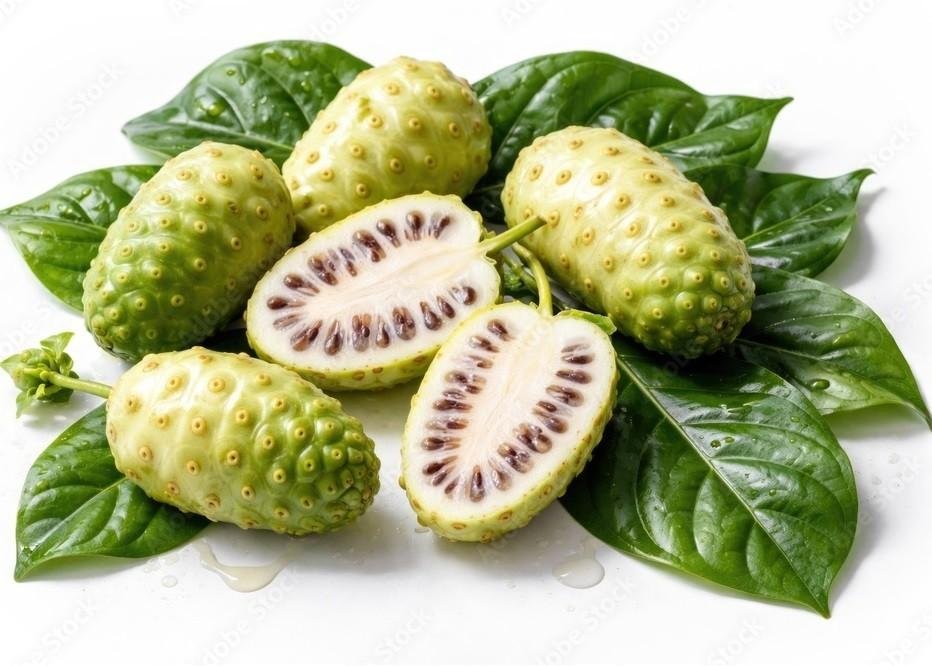
Noni fruit has become one of the most talked-about tropical superfruits in the world of natural wellness and nutrition. Known scientifically as Morinda citrifolia, noni is a small, bumpy fruit that grows in tropical regions across Southeast Asia, the Pacific Islands, India, and Australia. Although its strong smell and bitter taste may not appeal to everyone, noni fruit has earned global recognition because of its impressive nutritional profile and long history in traditional medicine.
For centuries, people in Polynesia and other tropical cultures used noni fruit as a natural remedy for improving immunity, boosting energy, supporting digestion, and promoting overall wellness. Today, modern health enthusiasts consume noni in the form of juices, powders, capsules, teas, and supplements. The fruit is packed with antioxidants, vitamins, minerals, and plant compounds that may support many aspects of health.
As interest in natural foods and holistic wellness continues to grow, noni fruit is becoming increasingly popular among health-conscious consumers worldwide. Researchers are also studying the fruit for its potential role in immune support, inflammation management, skin health, heart wellness, and digestive balance.
In this detailed guide, you will learn everything about noni fruit, including its history, nutrition, health benefits, uses, side effects, and why it is considered one of the most unique tropical superfruits available today.
What Is Noni Fruit?
Noni fruit comes from the evergreen noni tree, which belongs to the coffee family (Rubiaceae). The fruit is oval-shaped, green when immature, and turns yellowish-white as it ripens. It has a soft texture and a strong smell often compared to aged cheese because of its natural compounds.
Despite its unusual aroma, noni has been valued for thousands of years in traditional healing systems. Different parts of the plant, including the fruit, leaves, bark, and roots, have been used in herbal medicine.
Noni grows best in warm tropical climates and can survive in harsh conditions such as volcanic soils, salty coastal environments, and drought-prone areas. This resilience contributes to its reputation as a hardy medicinal plant.
History of Noni Fruit
Noni fruit has a rich cultural and medicinal history. Ancient Polynesian healers considered it one of the most important medicinal plants. Traditional communities used noni for:
- Digestive problems
- Skin infections
- Fatigue
- Fever
- Joint pain
- Immune support
- Wound healing
The fruit spread across tropical regions through migration and trade. In Ayurveda and traditional Southeast Asian medicine, noni was also recognized for its therapeutic properties.
During the late 20th century, noni juice became commercially popular as a health drink. Today, noni products are sold globally and marketed as natural wellness supplements.
Nutritional Value of Noni Fruit
Noni fruit contains many essential nutrients and beneficial plant compounds. While the exact nutritional composition varies depending on ripeness and processing methods, noni generally provides:
- Vitamin C
- Vitamin A
- Potassium
- Calcium
- Iron
- Magnesium
- Fiber
- Amino acids
- Antioxidants
- Phytonutrients
The fruit is especially valued for its antioxidant compounds, including:
- Flavonoids
- Iridoids
- Scopoletin
- Beta-carotene
- Polyphenols
These compounds help protect the body from oxidative stress caused by free radicals.
Health Benefits of Noni Fruit
1. Rich in Antioxidants
One of the biggest reasons people consume noni fruit is its high antioxidant content. Antioxidants help protect cells from damage caused by oxidative stress.
Oxidative stress is associated with aging and many chronic diseases. The antioxidants in noni may help:
- Support healthy aging
- Protect cells
- Reduce free radical damage
- Promote overall wellness
Noni contains powerful plant compounds such as iridoids and flavonoids that contribute to its antioxidant properties.
2. Supports Immune Health
Noni fruit is often consumed to strengthen the immune system. Its vitamin C content and antioxidant compounds may help the body defend itself against infections and environmental stressors.
Regular consumption of noni juice may support:
- Healthy immune responses
- White blood cell function
- Natural defense mechanisms
Traditional healers frequently used noni during periods of illness or fatigue to help restore energy and wellness.
3. May Help Reduce Inflammation
Inflammation is the body’s natural response to injury and infection. However, chronic inflammation may contribute to health problems over time.
Noni fruit contains anti-inflammatory plant compounds that may help support a balanced inflammatory response. Some people use noni for:
- Joint discomfort
- Muscle soreness
- Physical recovery
- General wellness support
Researchers continue studying noni’s potential anti-inflammatory properties.
4. Supports Digestive Health
Noni fruit has traditionally been used to support digestion. The fiber and natural compounds in the fruit may help promote gut health and digestive comfort.
Potential digestive benefits include:
- Supporting regular bowel movements
- Promoting healthy digestion
- Supporting beneficial gut bacteria
- Reducing occasional bloating
Some cultures also used noni as a natural remedy for stomach discomfort.
5. May Support Heart Health
Noni fruit may contribute to cardiovascular wellness because of its antioxidant and anti-inflammatory properties.
Potential heart-supporting benefits include:
- Supporting healthy blood circulation
- Helping manage oxidative stress
- Supporting healthy cholesterol levels
- Promoting blood vessel health
Healthy lifestyle habits combined with nutrient-rich foods like noni may contribute to better heart wellness.
6. Promotes Skin Health
Noni fruit is increasingly used in skincare products because of its antioxidant and vitamin content.
Potential skin benefits include:
- Supporting collagen production
- Promoting skin hydration
- Helping protect against environmental damage
- Supporting healthy-looking skin
Some traditional remedies used crushed noni fruit or leaves directly on the skin.
7. May Improve Energy Levels
Many people drink noni juice as a natural energy booster. Traditional users believed noni helped reduce fatigue and improve physical endurance.
While research is ongoing, noni’s nutrient profile and plant compounds may help support:
- Natural energy production
- Physical stamina
- Recovery after exercise
- Overall vitality
Unlike caffeinated drinks, noni does not typically contain stimulants.
8. Supports Joint and Muscle Health
Noni fruit has long been used in traditional medicine for joint comfort and mobility support.
Its anti-inflammatory compounds may help:
- Support joint flexibility
- Reduce exercise-related soreness
- Promote physical recovery
Some athletes and active individuals include noni juice in their wellness routines.
9. May Support Brain Health
The antioxidants in noni may help protect brain cells from oxidative damage.
Some studies suggest antioxidant-rich foods may support:
- Memory
- Cognitive function
- Mental clarity
- Healthy aging
Although more research is needed, noni remains popular among people seeking natural brain-supportive foods.
10. Supports Overall Wellness
Noni fruit is considered a holistic wellness food because it contains multiple nutrients and bioactive compounds that support the body in many ways.
Many people use noni as part of a healthy lifestyle focused on:
- Balanced nutrition
- Natural wellness
- Preventive health
- Daily vitality
Different Forms of Noni Fruit
Fresh Noni Fruit
Fresh noni fruit is available in tropical regions where the plant grows naturally. The fruit has a pungent smell and bitter flavor.
Some people consume it raw, while others blend it into juices or smoothies.
Noni Juice
Noni juice is the most popular commercial form of the fruit. It is often mixed with grape juice or other fruit juices to improve taste.
Benefits of noni juice include:
- Easy consumption
- Convenient storage
- Popular wellness drink format
Noni Powder
Noni powder is made by drying and grinding the fruit.
People add it to:
- Smoothies
- Protein shakes
- Herbal drinks
- Yogurt
- Health recipes
Noni Capsules
Capsules are a convenient supplement option for people who dislike the taste of noni.
They provide concentrated noni extracts in measured doses.
Noni Tea
Some people brew dried noni leaves or fruit into herbal teas.
Noni tea is often consumed for relaxation and wellness support.
How to Eat Noni Fruit
Because of its strong flavor and smell, many people prefer consuming noni in mixed recipes.
Popular ways to enjoy noni include:
- Blending noni juice with pineapple or orange juice
- Adding noni powder to smoothies
- Mixing noni into yogurt bowls
- Drinking herbal noni tea
- Combining noni with tropical fruits
Noni Fruit in Traditional Medicine
Polynesian Medicine
Polynesian communities considered noni a sacred healing plant. Traditional healers used it for:
- Fever
- Infections
- Fatigue
- Skin conditions
- Pain relief
Ayurveda
In Ayurveda, noni has been used to balance the body and promote vitality.
It was traditionally consumed to support:
- Digestion
- Immunity
- Energy
- Internal balance
Southeast Asian Practices
In Southeast Asia, noni leaves and fruits were often used in folk remedies and herbal preparations.
Scientific Research on Noni Fruit
Modern researchers continue studying noni fruit and its bioactive compounds.
Areas of scientific interest include:
- Antioxidant effects
- Immune support
- Inflammation management
- Cellular protection
- Skin health
- Physical endurance
While many findings are promising, researchers note that more large-scale human studies are needed.
Potential Side Effects of Noni Fruit
Although noni fruit is generally considered safe for many people when consumed in moderation, excessive intake may cause side effects in some individuals.
Possible side effects include:
- Digestive discomfort
- Nausea
- Diarrhea
- Allergic reactions
Noni contains potassium, so individuals with kidney problems should consult healthcare professionals before consuming large amounts.
People taking medications or managing medical conditions should also seek professional guidance before using concentrated noni supplements.
Who Should Avoid Excessive Noni Consumption?
Certain individuals should be cautious with noni products, including:
- People with kidney disease
- Individuals on potassium-restricted diets
- Pregnant or breastfeeding women without medical guidance
- People taking certain medications
Moderation is important with all herbal and natural supplements.
Noni Fruit vs Other Superfruits
Noni vs Acai
- Acai has a sweeter taste
- Noni has stronger traditional medicinal use
- Both are rich in antioxidants
Noni vs Goji Berry
- Goji berries are easier to snack on
- Noni is often consumed as juice
- Both contain beneficial antioxidants
Noni vs Mangosteen
- Mangosteen is sweeter and more refreshing
- Noni has a more pungent flavor
- Both are valued for wellness support
Growing Noni Fruit
Noni trees are relatively easy to grow in tropical climates.
They thrive in:
- Warm temperatures
- Coastal areas
- Well-drained soil
- Full sunlight
The trees can produce fruit throughout the year under favorable conditions.
Global Popularity of Noni Fruit
The global wellness industry has contributed to the growing popularity of noni products.
Noni is now commonly found in:
- Health food stores
- Wellness supplements
- Herbal beverages
- Natural skincare products
- Organic markets
Consumers interested in plant-based nutrition and traditional remedies continue driving demand.
Noni Fruit for Fitness and Active Lifestyles
Fitness enthusiasts sometimes use noni juice as part of their nutrition plans because of its antioxidant and recovery-supporting properties.
Potential fitness-related benefits include:
- Supporting recovery
- Helping combat oxidative stress after exercise
- Supporting hydration routines
- Promoting energy and endurance
Noni is often included in holistic wellness approaches alongside healthy eating and regular physical activity.
Noni Fruit in Beauty Products
The beauty industry has embraced noni because of its antioxidant-rich profile.
Noni extracts are found in:
- Face creams
- Serums
- Hair products
- Body lotions
- Anti-aging skincare
Manufacturers promote noni-based products for supporting healthy skin appearance and hydration.
Sustainability and Noni Farming
Noni trees are environmentally resilient and can grow in challenging tropical conditions.
Benefits of noni cultivation include:
- Drought resistance
- Adaptability to coastal environments
- Reduced need for intensive farming inputs
Sustainable farming practices help protect ecosystems while supporting local economies.
Tips for Buying Quality Noni Products
When purchasing noni products, look for:
- Organic certification
- Minimal added sugar
- Reputable brands
- Pure ingredient lists
- Third-party testing
High-quality products typically avoid excessive artificial additives.
How to Store Noni Fruit
Fresh Fruit
- Refrigerate ripe fruit
- Consume within a few days
Noni Juice
- Keep refrigerated after opening
- Follow storage instructions on the label
Powder and Capsules
- Store in a cool, dry place
- Keep away from moisture
Proper storage helps preserve freshness and nutritional quality.
Fun Facts About Noni Fruit
- Noni belongs to the coffee family
- The fruit has been used for over 2,000 years
- It can grow in volcanic soils
- Noni trees produce fruit year-round
- The fruit is sometimes called “cheese fruit” because of its smell
Frequently Asked Questions
Is noni fruit safe to eat daily?
Many people consume noni in moderation as part of a balanced diet. However, excessive intake may not be suitable for everyone.
What does noni fruit taste like?
Noni has a bitter and pungent taste with a strong smell. Many people prefer it mixed with other fruits or juices.
Can noni help with immunity?
Noni contains vitamin C and antioxidants that may support healthy immune function.
Is noni juice better than fresh noni fruit?
Both forms offer benefits. Juice is more convenient, while fresh fruit provides a less processed option.
Can noni fruit help with skin health?
Its antioxidants and vitamins may support healthy-looking skin and protect against oxidative stress.
Does noni fruit contain antioxidants?
Yes, noni is rich in antioxidants such as flavonoids, iridoids, and polyphenols.
Can diabetics consume noni juice?
People with diabetes should check product labels carefully because some commercial noni juices may contain added sugars.
Is noni fruit a superfood?
Many people consider noni a superfood because of its nutrient density and traditional wellness uses.
Conclusion
Noni fruit is one of the world’s most unique tropical superfruits. Despite its unusual smell and flavor, it has earned widespread attention because of its long history in traditional medicine and its impressive nutritional profile. Rich in antioxidants, vitamins, minerals, and beneficial plant compounds, noni may support immunity, digestion, skin health, energy, and overall wellness.
From ancient Polynesian healing traditions to modern wellness products, noni continues to hold an important place in natural health culture. Whether consumed as juice, powder, tea, or supplements, noni offers a fascinating example of how traditional foods remain relevant in today’s health-conscious world.
As with any natural supplement or functional food, moderation and balance are important. When combined with a healthy lifestyle and nutritious diet, noni fruit can become a valuable addition to overall wellness routines.
Also read:
Tamarind: 8 Benefits, Nutrition, Uses, Recipes, and Tropical Guide