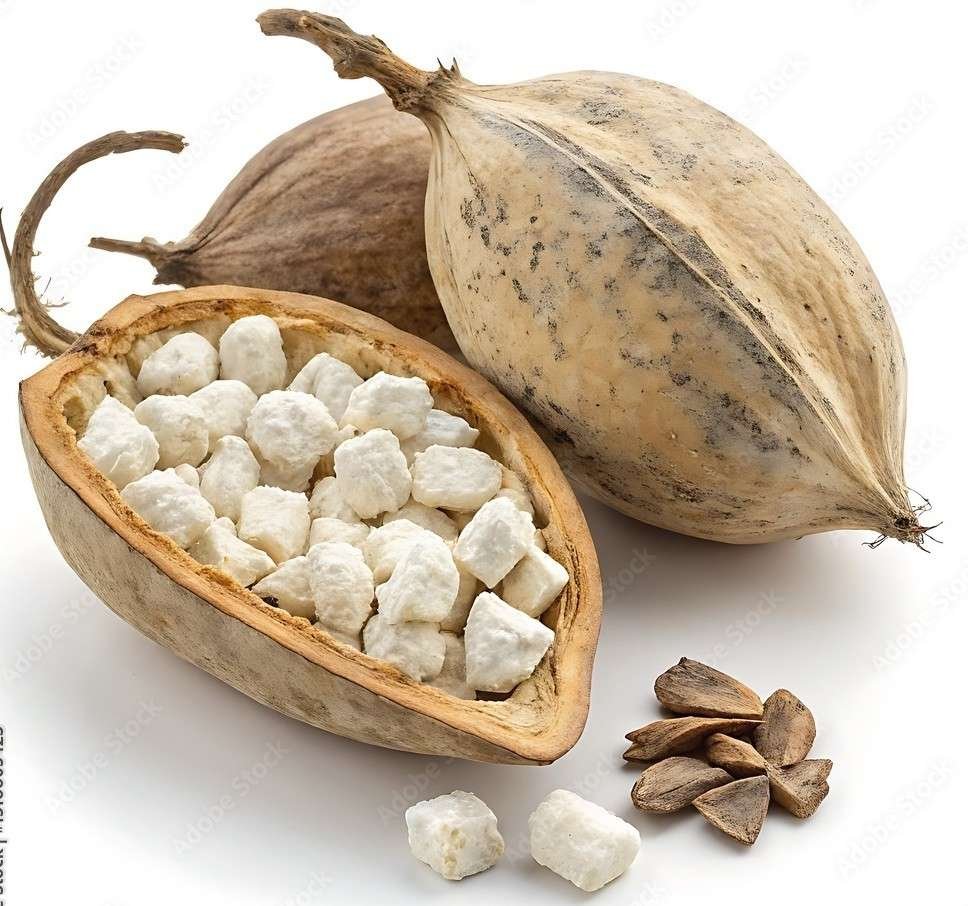
Baobab fruit is one of the world’s most fascinating and nutrient-rich superfruits. Harvested from the iconic baobab tree, often called the “Tree of Life,” this fruit has been consumed for centuries across Africa for its impressive nutritional value and traditional medicinal uses. In recent years, baobab fruit has gained global attention as a modern superfood because of its high vitamin C content, antioxidants, fiber, and natural wellness benefits.
Unlike many fruits, baobab naturally dries inside its hard shell while still hanging on the tree. This unique drying process helps preserve nutrients without requiring artificial processing. The fruit pulp has a tangy citrus-like flavor that blends well into smoothies, juices, snacks, desserts, and health supplements.
As more people seek plant-based nutrition and natural wellness foods, baobab fruit has become increasingly popular in health-conscious communities worldwide. From digestive support to immune health and energy enhancement, baobab offers numerous potential benefits that make it one of the most exciting fruits in the global superfood market.
In this comprehensive guide, you will learn everything about baobab fruit, including its history, nutrition, health benefits, uses, side effects, sustainability, and why it is considered one of nature’s most powerful superfruits.
What Is Baobab Fruit?
Baobab fruit grows on the baobab tree, scientifically known as Adansonia. These massive trees are native to Africa and are famous for their enormous trunks, long lifespan, and ability to store water.
The fruit itself is oval-shaped with a hard outer shell and dry powdery pulp inside. The pulp naturally dehydrates while still on the tree, making baobab unique compared to most fresh fruits.
Baobab fruit has a mildly sweet and tangy flavor often compared to citrus, pear, or caramel. Its naturally dry texture allows it to be easily turned into powder, which is the most common commercial form sold globally today.
The baobab tree is deeply respected in African culture and is often associated with wisdom, resilience, and community life.
History of Baobab Fruit
Baobab fruit has been part of African diets and traditional medicine for thousands of years. Indigenous communities have long relied on the fruit, leaves, seeds, and bark of the baobab tree for food, hydration, and wellness support.
Historically, baobab was used for:
- Supporting digestion
- Boosting energy
- Hydration during hot climates
- Traditional healing remedies
- Nutritional supplementation
The tree itself is considered sacred in many African cultures because of its remarkable ability to survive droughts and harsh environmental conditions.
Over time, baobab fruit spread to international markets as scientists and nutrition experts recognized its exceptional nutrient density. Today, baobab powder is widely used in health foods, smoothies, sports nutrition products, and wellness supplements.
Nutritional Value of Baobab Fruit
Baobab fruit is highly nutritious and contains an impressive range of vitamins, minerals, antioxidants, and dietary fiber.
Key nutrients found in baobab include:
- Vitamin C
- Calcium
- Potassium
- Magnesium
- Iron
- Fiber
- Polyphenols
- Antioxidants
Baobab is especially famous for its exceptionally high vitamin C content, which may exceed that of oranges depending on the variety and preparation.
The fruit also contains soluble and insoluble fiber, making it highly valued for digestive health and gut wellness.
Health Benefits of Baobab Fruit
1. Rich in Vitamin C
One of the biggest advantages of baobab fruit is its high vitamin C content. Vitamin C is essential for many functions in the body, including immune support and collagen production.
Potential benefits of vitamin C include:
- Supporting immunity
- Promoting healthy skin
- Supporting wound healing
- Helping the body absorb iron
- Protecting cells from oxidative stress
Because of its natural vitamin C richness, baobab is often used in wellness drinks and nutritional supplements.
2. Excellent Source of Antioxidants
Baobab fruit contains powerful antioxidants that help protect the body from oxidative stress caused by free radicals.
Antioxidants may help support:
- Healthy aging
- Cellular protection
- Skin wellness
- Heart health
- Overall vitality
The polyphenols and plant compounds in baobab contribute significantly to its antioxidant properties.
3. Supports Digestive Health
Baobab is one of the best natural sources of dietary fiber among fruits. Fiber is essential for maintaining a healthy digestive system.
Potential digestive benefits include:
- Supporting regular bowel movements
- Promoting gut health
- Supporting beneficial gut bacteria
- Helping maintain digestive comfort
The fiber in baobab may also help people feel fuller for longer periods.
4. May Support Immune Function
The combination of vitamin C and antioxidants makes baobab beneficial for immune health.
Regular consumption may support:
- Natural defense systems
- Healthy immune responses
- Recovery from physical stress
- Overall wellness
Traditional communities often consumed baobab during periods of fatigue or seasonal illness.
5. Supports Skin Health
Baobab fruit is increasingly used in beauty and skincare products because of its nutrient profile.
Potential skin-supportive benefits include:
- Supporting collagen production
- Promoting skin elasticity
- Helping protect against environmental damage
- Supporting healthy-looking skin
Baobab oil extracted from seeds is also popular in natural skincare formulations.
6. May Help Support Energy Levels
Baobab fruit provides natural carbohydrates, vitamins, and minerals that may help support daily energy.
Unlike highly processed sugary snacks, baobab offers a nutrient-dense source of natural nourishment.
People often add baobab powder to:
- Smoothies
- Energy drinks
- Sports nutrition products
- Breakfast bowls
7. Supports Heart Health
Baobab’s antioxidants, potassium, and fiber may contribute to cardiovascular wellness.
Potential heart-related benefits include:
- Supporting healthy circulation
- Helping manage oxidative stress
- Supporting balanced cholesterol levels
- Promoting blood vessel health
A balanced diet rich in fruits and fiber may contribute to long-term heart wellness.
8. May Support Blood Sugar Balance
The fiber content in baobab may help slow the digestion of carbohydrates, which may support balanced blood sugar responses.
Some studies suggest baobab may help:
- Slow glucose absorption
- Support steady energy release
- Promote fullness after meals
However, individuals with diabetes should still monitor overall dietary intake carefully.
9. Supports Bone Health
Baobab contains important minerals such as calcium and magnesium that are essential for maintaining healthy bones.
Potential benefits include:
- Supporting bone strength
- Supporting muscle function
- Contributing to overall mineral balance
10. May Support Weight Management
Fiber-rich foods can help support satiety and appetite control.
Baobab may help with:
- Feeling full longer
- Reducing unnecessary snacking
- Supporting healthy eating habits
When combined with a balanced diet and physical activity, baobab may fit well into healthy weight management routines.
Different Forms of Baobab Fruit
Baobab Powder
Baobab powder is the most common commercial form of the fruit. The dry pulp is naturally powdered without major processing.
People use baobab powder in:
- Smoothies
- Yogurt
- Juices
- Protein shakes
- Baking recipes
Fresh Baobab Fruit
Fresh baobab fruit is available in some African regions where the tree naturally grows.
The fruit pulp can be eaten directly or mixed into beverages.
Baobab Juice
Baobab juice is a traditional African drink made by mixing the fruit pulp with water and natural sweeteners.
It is refreshing and rich in nutrients.
Baobab Supplements
Capsules and wellness supplements containing baobab powder are increasingly popular in the global health market.
Baobab Oil
Baobab seed oil is widely used in skincare and cosmetic products because of its moisturizing properties.
How to Use Baobab Fruit
Baobab’s tangy flavor makes it easy to include in many recipes.
Popular ways to consume baobab include:
- Mixing powder into smoothies
- Adding to oatmeal
- Stirring into yogurt
- Blending into juices
- Using in desserts
- Mixing into protein shakes
Its citrus-like taste pairs well with tropical fruits and berries.
Baobab Fruit in Traditional African Culture
Baobab has deep cultural significance across Africa.
Communities have historically used the tree for:
- Food
- Shelter
- Water storage
- Traditional medicine
- Community gathering spaces
The fruit itself has been valued as a survival food during dry seasons because of its nutrient density and long shelf life.
Scientific Research on Baobab Fruit
Modern scientific research has increased interest in baobab as a functional food.
Researchers are studying baobab for its potential effects on:
- Antioxidant activity
- Digestive health
- Blood sugar balance
- Inflammation
- Nutritional support
Although more research is needed, early findings are promising and support many traditional uses of the fruit.
Baobab Fruit for Athletes and Active Lifestyles
Athletes and fitness enthusiasts are increasingly adding baobab to sports nutrition routines.
Potential benefits for active individuals include:
- Natural vitamin C support
- Antioxidant recovery support
- Hydration assistance
- Energy support
- Digestive wellness
Baobab is commonly included in plant-based energy products and recovery drinks.
Baobab Fruit in Beauty and Skincare
Baobab is becoming a popular ingredient in natural beauty products.
Common uses include:
- Face creams
- Hair oils
- Serums
- Body lotions
- Lip balms
Baobab oil is especially valued for its moisturizing and nourishing properties.
Environmental Importance of Baobab Trees
Baobab trees are ecologically important in African ecosystems.
Benefits include:
- Supporting biodiversity
- Providing shelter for animals
- Helping communities during droughts
- Preventing soil erosion
The trees can live for hundreds or even thousands of years.
Sustainability and Ethical Harvesting
Baobab harvesting is considered environmentally sustainable because the fruit naturally falls or is collected without damaging the tree.
Ethical baobab farming can support:
- Rural African communities
- Women-led cooperatives
- Sustainable agriculture
- Local economies
The growing international demand for baobab products has created economic opportunities for many African producers.
Baobab Fruit vs Other Superfruits
Baobab vs Acai
- Baobab is higher in vitamin C
- Acai is richer in healthy fats
- Both are antioxidant-rich superfoods
Baobab vs Goji Berry
- Goji berries are sweeter
- Baobab has more citrus flavor
- Both provide antioxidants and nutrients
Baobab vs Camu Camu
- Both are rich in vitamin C
- Camu camu is more tart
- Baobab offers higher fiber content
Potential Side Effects of Baobab Fruit
Baobab fruit is generally considered safe when consumed in moderation.
Possible side effects may include:
- Digestive discomfort if consumed excessively
- Bloating due to high fiber intake
- Mild allergic reactions in sensitive individuals
People trying baobab for the first time should begin with small amounts.
Who Should Use Caution?
Certain individuals should consult healthcare professionals before consuming large amounts of baobab supplements, especially:
- Pregnant or breastfeeding women
- People with digestive sensitivities
- Individuals taking medications
- Those with food allergies
Moderation is important with all dietary supplements and superfoods.
How to Choose High-Quality Baobab Products
When shopping for baobab products, look for:
- Organic certification
- Pure ingredient labels
- No excessive added sugars
- Ethical sourcing information
- Reputable brands
High-quality baobab powder should have a light beige color and fresh tangy aroma.
Storage Tips for Baobab Products
Powder
- Store in a cool, dry place
- Keep sealed away from moisture
Fresh Fruit
- Store in a dry area
- Consume after opening
Baobab Oil
- Keep away from direct sunlight
- Store tightly sealed
Proper storage helps preserve nutrients and freshness.
Fun Facts About Baobab Fruit
- Baobab trees are known as the “Tree of Life”
- Some baobab trees can live for over 1,000 years
- The fruit naturally dries inside its shell
- Baobab trees can store large amounts of water
- The tree appears upside down because of its unusual branches
Frequently Asked Questions
What does baobab fruit taste like?
Baobab has a tangy citrus-like flavor with mild sweetness.
Is baobab fruit healthy?
Yes, baobab is highly nutritious and rich in vitamin C, fiber, and antioxidants.
Can baobab help digestion?
Its high fiber content may support healthy digestion and gut wellness.
Is baobab good for immunity?
The vitamin C and antioxidants in baobab may support immune health.
How do you consume baobab powder?
You can mix baobab powder into smoothies, juices, yogurt, oatmeal, or baked recipes.
Is baobab a superfood?
Many nutrition experts consider baobab a superfood because of its dense nutrient profile.
Can baobab help with skin health?
Its nutrients and antioxidants may support collagen production and healthy-looking skin.
Is baobab safe for daily use?
Moderate daily consumption is generally considered safe for most healthy individuals.
Conclusion
Baobab fruit is one of the most remarkable superfruits in the world. Deeply rooted in African culture and traditional wellness practices, this ancient fruit is now gaining international recognition for its impressive nutritional profile and natural health benefits.
Rich in vitamin C, antioxidants, fiber, and essential minerals, baobab may support digestion, immunity, skin health, energy, heart wellness, and overall vitality. Its tangy flavor and versatile powder form make it easy to incorporate into modern diets and wellness routines.
Beyond nutrition, baobab also represents sustainability, resilience, and community support. Ethical harvesting practices help protect ecosystems while creating economic opportunities for rural communities across Africa.
Whether added to smoothies, juices, supplements, or beauty products, baobab fruit continues to prove why it deserves its place among the world’s top superfoods.
Also read: