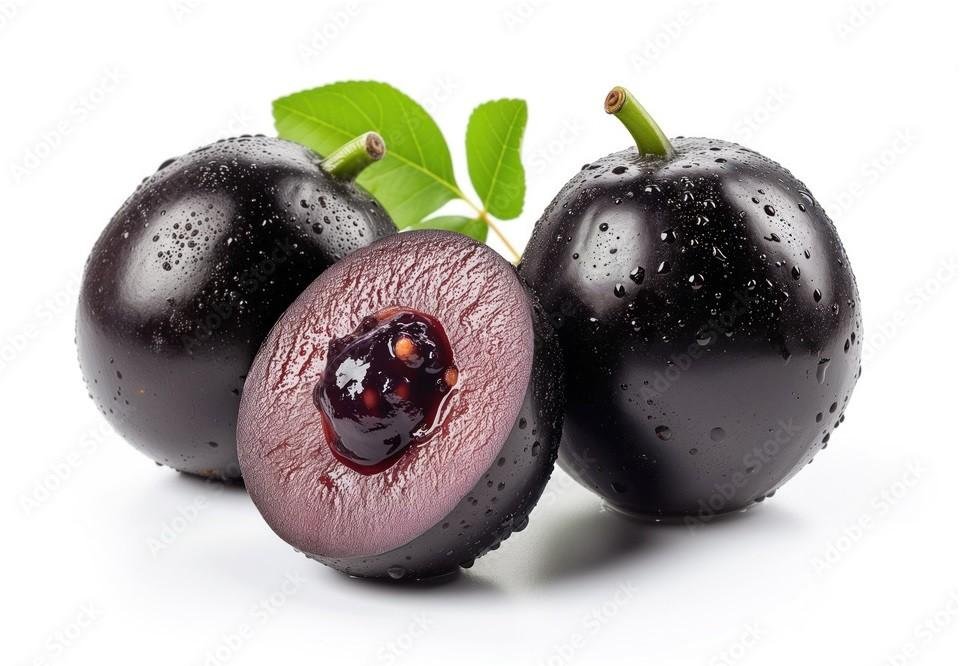
Jabuticaba Fruit: Among the world’s most fascinating tropical fruits, Jabuticaba stands out as one of the most unique and visually striking. Often called the “Brazilian Tree Grape,” Jabuticaba grows directly on the trunk and branches of its tree, creating a magical appearance unlike almost any other fruit-bearing plant. Native to Brazil and other parts of South America, this exotic fruit has captured the attention of gardeners, health enthusiasts, chefs, and fruit lovers worldwide.
Jabuticaba is admired for its sweet, juicy flavor that resembles a blend of grapes, berries, and tropical fruit. Beyond its delicious taste, the fruit is packed with antioxidants, vitamins, minerals, and beneficial plant compounds that contribute to overall wellness. As interest in natural superfoods continues to grow globally, Jabuticaba is increasingly recognized for both its nutritional value and ornamental beauty.
The fruit is commonly eaten fresh, but it is also used to make jams, wines, juices, smoothies, desserts, and traditional Brazilian delicacies. Its deep purple skin contains powerful antioxidants, while the juicy translucent pulp provides refreshing sweetness and hydration.
In this detailed guide, you will discover everything about Jabuticaba, including its origin, nutritional profile, health benefits, culinary uses, cultivation methods, environmental importance, and why this remarkable fruit is becoming popular around the world.
What is Jabuticaba?
Jabuticaba is a tropical fruit native to Brazil and belongs to the Myrtaceae family, the same botanical family as guava and eucalyptus. The fruit grows on trees from the genus Plinia, especially Plinia cauliflora.
One of the most unusual characteristics of Jabuticaba is its growth pattern. Instead of growing on stems or vines, the fruits develop directly on the trunk and large branches of the tree, a botanical phenomenon known as cauliflory.
The fruit itself is round, dark purple to black in color, and about the size of a grape. Inside is soft white or translucent pulp with a sweet and slightly tart flavor.
Jabuticaba trees are slow-growing evergreen trees that thrive in tropical and subtropical climates. They are highly valued not only for their fruit but also for their ornamental beauty.
Origin and History of Jabuticaba Fruit
Jabuticaba has deep cultural roots in Brazil and has been cultivated for centuries. Indigenous communities in South America consumed the fruit long before European colonization.
The name “Jabuticaba” comes from the Tupi language spoken by indigenous Brazilian peoples. Although interpretations vary, the name is often associated with “place of turtles” or “turtle fat,” possibly referring to the fruit’s appearance.
Historically, Jabuticaba trees were commonly planted in family gardens, farms, and village landscapes. The fruit became an important part of Brazilian culinary traditions, especially in homemade wines, liqueurs, and preserves.
Today, Jabuticaba is cultivated throughout Brazil and in smaller quantities in countries such as Argentina, Paraguay, Bolivia, the United States, and Australia.
Nutritional Value of Jabuticaba
Jabuticaba is highly nutritious and contains numerous beneficial compounds that support health and wellness.
Key Nutrients in Jabuticaba Fruit
1. Vitamin C
Jabuticaba contains vitamin C, which helps support immune function, collagen production, and antioxidant protection.
2. Antioxidants
The dark purple skin is rich in anthocyanins and polyphenols, powerful antioxidants that help fight oxidative stress.
3. Dietary Fiber
Fiber supports digestion, gut health, and healthy bowel function.
4. Calcium
Calcium contributes to strong bones and teeth.
5. Potassium
Potassium supports healthy blood pressure and muscle function.
6. Iron
Iron is essential for oxygen transport and healthy red blood cell production.
7. Natural Plant Compounds
Jabuticaba contains flavonoids and other phytochemicals associated with overall wellness.
Health Benefits of Jabuticaba Fruit
1. Rich in Powerful Antioxidants
Jabuticaba is especially valued for its high antioxidant content. The dark skin contains anthocyanins similar to those found in blueberries and blackberries.
Antioxidants help:
- Protect cells from free radical damage
- Reduce oxidative stress
- Support healthy aging
- Promote heart health
- Assist in reducing inflammation
Foods rich in antioxidants are often associated with long-term wellness and disease prevention.
2. Supports Immune System Health
Vitamin C plays a key role in strengthening the body’s immune defenses.
Regular consumption of vitamin C-rich fruits may help:
- Support immune response
- Improve wound healing
- Protect cells
- Enhance skin health
- Support collagen formation
Jabuticaba provides a refreshing way to include vitamin C in the diet.
3. Promotes Digestive Health
The dietary fiber in Jabuticaba supports healthy digestion.
Fiber can help:
- Improve bowel regularity
- Support beneficial gut bacteria
- Promote fullness
- Aid nutrient absorption
- Support digestive comfort
A balanced diet containing fiber-rich fruits contributes to better digestive wellness.
4. May Support Heart Health
Jabuticaba contains antioxidants, potassium, and beneficial plant compounds that may contribute to cardiovascular wellness.
Potential heart-supportive effects include:
- Supporting healthy blood pressure
- Protecting blood vessels
- Reducing oxidative stress
- Promoting healthy circulation
A fruit-rich diet is widely associated with improved heart health.
5. Helps Maintain Healthy Skin
Vitamin C and antioxidants help support healthy skin by assisting collagen production and protecting against oxidative damage.
Possible skin benefits include:
- Improved elasticity
- Better hydration
- Reduced environmental damage
- Healthy appearance
- Support against premature aging
6. Provides Natural Energy
Jabuticaba contains natural sugars and carbohydrates that provide quick energy while also supplying hydration and nutrients.
The fruit is refreshing and often enjoyed during warm weather.
7. Supports Bone Health
The calcium and minerals present in Jabuticaba contribute to bone maintenance and overall skeletal health.
Taste and Texture of Jabuticaba
Jabuticaba has a sweet and slightly tart flavor that resembles grapes with hints of berries and tropical fruit.
Flavor Profile
The fruit is often described as:
- Sweet
- Juicy
- Mildly tangy
- Grape-like
- Refreshing
The balance of sweetness and acidity makes Jabuticaba highly enjoyable.
Texture
The outer skin is slightly thick and chewy, while the inner pulp is soft, juicy, and translucent.
Most fruits contain one to four seeds inside.
How to Eat Jabuticaba Fruit
Eating Jabuticaba is simple and enjoyable.
Fresh Consumption
- Wash the fruit thoroughly.
- Bite gently into the skin.
- Squeeze the pulp into your mouth.
- Discard the seeds and thick skin if desired.
Some people eat the skin, while others prefer only the pulp.
Fresh Jabuticaba is highly perishable and tastes best shortly after harvesting.
Culinary Uses of Jabuticaba Fruit
Jabuticaba is extremely versatile in the kitchen and used in many traditional recipes.
1. Fresh Fruit
The fruit is commonly eaten fresh as a snack.
2. Juices and Smoothies
Jabuticaba blends well into beverages and tropical smoothies.
3. Jams and Jellies
The fruit’s natural sweetness makes it ideal for preserves.
4. Wine and Liqueurs
In Brazil, Jabuticaba is often fermented into homemade wine and liqueurs.
5. Desserts
It can be used in:
- Ice cream
- Cakes
- Sorbets
- Pies
- Fruit syrups
6. Sauces
Jabuticaba sauces pair well with desserts and even savory dishes.
Jabuticaba Fruit as an Ornamental Tree

Jabuticaba trees are prized for their beauty and are popular ornamental plants.
Ornamental Features
- Glossy evergreen leaves
- Attractive bark
- Unique trunk fruiting
- Dense canopy
- Compact growth habit
The dramatic appearance of fruit covering the trunk makes the tree highly decorative.
Growing Jabuticaba Fruit
Climate Requirements
Jabuticaba grows best in:
- Tropical climates
- Subtropical regions
- Warm temperatures
- High humidity
The tree can tolerate mild frost but prefers warm environments.
Soil Conditions
The plant thrives in:
- Rich organic soil
- Slightly acidic pH
- Well-drained conditions
- Moist environments
Water Needs
Regular watering is important, especially during fruit production.
Growth Rate
Jabuticaba trees grow slowly and may take several years to begin fruiting.
Grafted trees often produce fruit faster than seed-grown trees.
Jabuticaba and Sustainable Agriculture
Jabuticaba contributes to sustainable agriculture in several ways.
Environmental Benefits
- Supports biodiversity
- Encourages mixed-crop farming
- Provides habitat for pollinators
- Helps maintain soil health
- Promotes sustainable orchards
Growing diverse fruit trees can help reduce the environmental impact of monoculture farming.
Economic Importance of Jabuticaba Fruit
Jabuticaba plays a role in local economies, especially in Brazil.
Economic Contributions
- Fruit sales
- Specialty beverages
- Eco-tourism
- Ornamental plant trade
- Local food production
As interest in exotic fruits increases, Jabuticaba may gain greater commercial value globally.
Jabuticaba Fruit in Traditional Brazilian Culture
Jabuticaba is deeply connected to Brazilian food culture and rural traditions.
Families often gather during harvest seasons to prepare homemade products such as:
- Jams
- Wines
- Vinegars
- Syrups
- Desserts
The tree is commonly found in home gardens and community spaces.
Why Jabuticaba Fruit is Considered a Superfruit

Jabuticaba is increasingly described as a superfruit due to its combination of nutrition and antioxidants.
Reasons for Growing Popularity
- Rich anthocyanin content
- High antioxidant levels
- Unique appearance
- Delicious taste
- Culinary versatility
- Natural health benefits
Health-conscious consumers continue exploring fruits with functional nutritional properties.
Challenges in Commercial Production
Despite its potential, Jabuticaba faces several commercial challenges.
1. Short Shelf Life
The fruit spoils quickly after harvesting.
2. Slow Tree Growth
Trees often require years before fruiting.
3. Limited International Awareness
Many consumers outside South America are unfamiliar with the fruit.
4. Transportation Difficulties
The fruit’s delicate nature complicates long-distance shipping.
Future of Jabuticaba Fruit in Global Markets
Interest in exotic fruits, plant-based nutrition, and sustainable foods continues to rise worldwide.
Jabuticaba may become more popular because of trends such as:
- Functional foods
- Organic farming
- Antioxidant-rich diets
- Tropical fruit markets
- Specialty beverages
As more consumers discover its flavor and health benefits, Jabuticaba could achieve wider international recognition.
Fun Facts About Jabuticaba Fruit
1. It Grows Directly on the Tree Trunk
Few fruits display this remarkable growth pattern.
2. It is Called the Brazilian Tree Grape
The fruit resembles grapes in size and flavor.
3. Jabuticaba Trees Can Live for Decades
Healthy trees remain productive for many years.
4. The Fruit Ferments Quickly
Because of its natural sugars, Jabuticaba ferments rapidly after harvest.
5. It is Popular in Bonsai Cultivation
Its compact growth makes it suitable for bonsai enthusiasts.
Tips for Buying and Storing Jabuticaba Fruit
Choosing Fresh Fruit
Select fruits that are:
- Deep purple or black
- Firm and glossy
- Free from wrinkles
- Fresh-smelling
Storage Tips
- Refrigerate immediately after harvesting.
- Consume within a few days.
- Freeze for longer storage if needed.
Fresh Jabuticaba tastes best when eaten quickly.
FAQs About Jabuticaba Fruit
What does Jabuticaba taste like?
Jabuticaba tastes similar to sweet grapes with berry-like and tropical notes.
Is Jabuticaba Fruit healthy?
Yes, Jabuticaba contains antioxidants, vitamin C, fiber, and beneficial plant compounds.
Can you eat Jabuticaba Fruit skin?
Yes, the skin is edible, though some people prefer eating only the pulp.
Why does Jabuticaba grow on the trunk?
This growth pattern is called cauliflory, which allows easier access for pollinators and animals.
Is Jabuticaba a grape?
No, but it is commonly called the Brazilian Tree Grape because of its appearance and flavor.
Can Jabuticaba grow in containers?
Yes, Jabuticaba can be grown in large containers with proper care.
How long does Jabuticaba take to fruit?
Seed-grown trees may take several years, while grafted trees fruit sooner.
Is Jabuticaba a superfruit?
Many people consider it a superfruit due to its antioxidant content and nutritional profile.
Conclusion Jabuticaba Fruit
Jabuticaba Fruit is one of nature’s most extraordinary tropical fruits. From its unusual trunk-growing habit to its sweet grape-like flavor and impressive nutritional benefits, this Brazilian treasure offers a unique experience for fruit lovers worldwide.
Rich in antioxidants, vitamin C, fiber, and beneficial plant compounds, Jabuticaba supports wellness while delivering refreshing taste and culinary versatility. Whether enjoyed fresh, turned into juice, fermented into wine, or used in desserts, the fruit continues to gain attention as an exotic superfruit.
Its beauty as an ornamental tree, importance in Brazilian culture, and growing international appeal make Jabuticaba a remarkable example of tropical biodiversity and sustainable agriculture.
As global interest in healthy natural foods continues to rise, Jabuticaba Fruit may soon become one of the world’s most celebrated exotic fruits.
Also read:
Pulasan Fruit: 7 Benefits, Nutrition, Uses, and Growing Guide