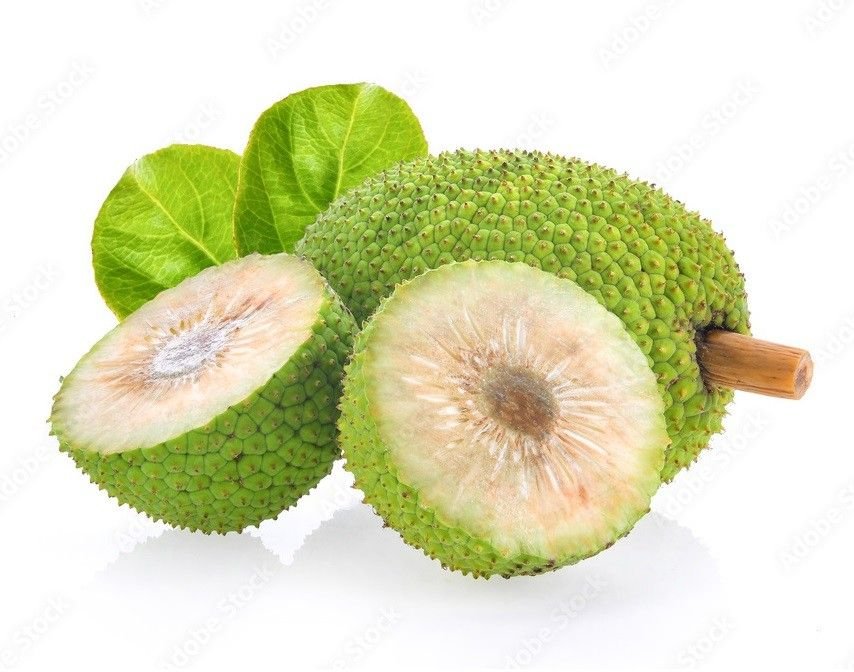
Breadfruit is one of the world’s most fascinating and valuable tropical foods. Known for its large green fruit, rich nutritional profile, and remarkable versatility, Breadfruit has been a staple food in tropical regions for centuries. Today, this ancient crop is gaining global attention as a sustainable superfood that may help improve food security, support healthy diets, and promote environmentally friendly agriculture.
Native to the Pacific Islands and widely cultivated across the Caribbean, Southeast Asia, Africa, and tropical America, Breadfruit is celebrated for its potato-like texture and bread-like aroma when cooked. The fruit can be roasted, baked, fried, steamed, boiled, or processed into flour, making it one of the most versatile tropical crops in the world.
Breadfruit is not only filling and delicious but also rich in fiber, vitamins, minerals, antioxidants, and complex carbohydrates. Because of its high productivity and adaptability, many agricultural experts consider Breadfruit a future food crop capable of helping feed growing populations sustainably.
This comprehensive guide explores everything about Breadfruit, including its history, nutrition, health benefits, culinary uses, cultivation, environmental impact, and global importance.
What is Breadfruit?
Breadfruit is a tropical fruit that comes from the tree Artocarpus altilis, a member of the Moraceae family, which also includes jackfruit, figs, and mulberries.
The fruit is large, round, or oval with green textured skin and creamy white or yellow flesh inside. Depending on the variety and ripeness, Artocarpus altilis may contain seeds or be seedless.
When cooked, Breadfruit develops a soft texture similar to potatoes or freshly baked bread, which inspired its common name.
Artocarpus altilis trees are fast-growing evergreen trees that thrive in warm tropical climates and can produce hundreds of fruits annually.
Origin and History of Breadfruit
Artocarpus altilis originated in the Pacific Islands, particularly in regions of New Guinea and the Malay Archipelago. For thousands of years, it has served as a major food source for island communities.
Ancient Polynesian voyagers transported Artocarpus altilis across the Pacific Ocean during migrations, spreading the crop to Hawaii, Tahiti, Samoa, and other islands.
Breadfruit later reached the Caribbean during the late 18th century. The British introduced it as a low-cost food source for plantation workers. One of the most famous historical events connected to Artocarpus altilis was the voyage of the HMS Bounty led by Captain William Bligh.
Today, Artocarpus altilis is cultivated throughout tropical regions worldwide and is increasingly recognized as an important climate-resilient crop.
Nutritional Value of Breadfruit
Artocarpus altilis is highly nutritious and provides energy along with essential vitamins and minerals.
Major Nutrients Found in Breadfruit
1. Complex Carbohydrates
Artocarpus altilis is rich in healthy carbohydrates that provide long-lasting energy.
2. Dietary Fiber
Fiber supports digestion, gut health, and satiety.
3. Vitamin C
Vitamin C helps support immunity and antioxidant protection.
4. Potassium
Potassium contributes to heart health and healthy blood pressure.
5. Magnesium
Magnesium supports muscles, nerves, and bone health.
6. Calcium
Artocarpus altilis contains calcium for strong bones and teeth.
7. Antioxidants
The fruit contains beneficial plant compounds that help protect cells from oxidative stress.
8. Protein
Artocarpus altilis contains more protein than many other tropical fruits.
Health Benefits of Breadfruit
1. Excellent Source of Energy
Artocarpus altilis provides healthy carbohydrates that release energy steadily throughout the day.
Unlike highly processed foods, Artocarpus altilis supplies nutrients alongside energy, making it a wholesome staple food.
It is especially valuable for:
- Active lifestyles
- Physical labor
- Athletes
- Daily nutrition
- Sustainable diets
2. Supports Digestive Health
The fiber in Artocarpus altilis helps maintain healthy digestion.
Fiber may help:
- Improve bowel regularity
- Support beneficial gut bacteria
- Promote fullness
- Reduce digestive discomfort
- Support nutrient absorption
A fiber-rich diet contributes to long-term digestive wellness.
3. Supports Heart Health
Artocarpus altilis contains potassium and fiber, nutrients associated with cardiovascular wellness.
Potential heart-related benefits include:
- Supporting healthy blood pressure
- Promoting healthy circulation
- Supporting cholesterol balance
- Reducing sodium effects
Eating potassium-rich foods is often recommended as part of a heart-healthy diet.
4. Rich in Antioxidants
Artocarpus altilis contains antioxidants that help protect cells from free radical damage.
Antioxidants may help:
- Reduce oxidative stress
- Support healthy aging
- Promote immune function
- Support skin health
- Protect cellular health
5. Supports Immune System Function
Vitamin C in Artocarpus altilis contributes to immune defense and collagen production.
Vitamin C supports:
- White blood cell function
- Wound healing
- Skin repair
- Antioxidant protection
- Overall wellness
6. May Support Bone Health
Artocarpus altilis contains minerals such as calcium and magnesium that help maintain strong bones and teeth.
These nutrients are important for:
- Bone density
- Muscle function
- Nerve signaling
- Skeletal health
7. Naturally Gluten-Free
Artocarpus altilis is naturally gluten-free, making it an excellent alternative carbohydrate source for people avoiding gluten.
Artocarpus altilis flour is becoming increasingly popular in gluten-free cooking and baking.
Taste and Texture of Breadfruit
The flavor and texture of Artocarpus altilis vary depending on ripeness and cooking method.
Unripe Breadfruit
When cooked while unripe, the flesh is:
- Starchy
- Mild
- Potato-like
- Bread-like
- Dense and filling
Ripe Breadfruit
Ripe Artocarpus altilis becomes sweeter and softer, sometimes developing custard-like flavors.
How to Eat Breadfruit
Breadfruit is usually cooked before eating.
Common Preparation Methods
Roasting
Traditional roasting over fire creates a smoky flavor.
Boiling
Boiled Artocarpus altilis resembles potatoes.
Frying
Fried Artocarpus altilis can be used for chips or fries.
Baking
Baked Artocarpus altilis works well in casseroles and side dishes.
Steaming
Steaming preserves moisture and nutrients.
Culinary Uses of Breadfruit
Artocarpus altilis is one of the most versatile tropical foods.
1. Breadfruit Chips
Thin slices can be fried or baked into crispy chips.
2. Breadfruit Flour
Dried Artocarpus altilis is ground into flour used in:
- Gluten-free baking
- Pancakes
- Bread
- Pasta
- Cookies
3. Curries and Stews
Artocarpus altilis absorbs flavors well and works perfectly in savory dishes.
4. Roasted Breadfruit
Roasted Artocarpus altilis is a traditional dish in many tropical cultures.
5. Desserts
Ripe Artocarpus altilis can be used in puddings and sweet recipes.
6. Mashed Breadfruit
Mashed Artocarpus altilis is often compared to mashed potatoes.
Breadfruit Around the World
Pacific Islands
Artocarpus altilis has been a traditional staple food for centuries.
Caribbean
The fruit is widely used in Jamaican and Caribbean cuisine.
Southeast Asia
Artocarpus altilis appears in curries, snacks, and fried dishes.
Africa
Artocarpus altilis contributes to local food systems in tropical areas.
United States and Europe
Interest in Artocarpus altilis flour and exotic tropical foods is increasing.
Breadfruit as a Sustainable Superfood
Artocarpus altilis is increasingly recognized for its environmental benefits.
Why Breadfruit is Sustainable
High Productivity
A single tree can produce hundreds of fruits annually.
Long Lifespan
Artocarpus altilis trees can remain productive for decades.
Low Maintenance
The trees require relatively little care once established.
Carbon Storage
Trees help absorb carbon dioxide from the atmosphere.
Agroforestry Benefits
Artocarpus altilis works well in mixed farming systems.
Breadfruit and Food Security
Artocarpus altilis is considered a promising crop for improving global food security.
Reasons It Matters
- High yields
- Nutritional density
- Climate resilience
- Drought tolerance
- Sustainable production
- Reduced dependence on imported foods
Organizations worldwide are researching Artocarpus altilis as a future staple crop.
Growing Breadfruit
Climate Requirements
Artocarpus altilis grows best in:
- Tropical climates
- Warm temperatures
- Humid environments
- Frost-free regions
Soil Requirements
The tree prefers:
- Well-drained soil
- Rich organic matter
- Moderate moisture
Propagation
Artocarpus altilis can be propagated through:
- Root cuttings
- Tissue culture
- Shoots
- Seeds in seeded varieties
Tree Characteristics
Artocarpus altilis trees can grow up to 20 meters tall and develop large glossy leaves.
Breadfruit Flour: A Growing Trend
Artocarpus altilis flour has become increasingly popular in health-conscious markets.
Benefits of Breadfruit Flour
- Gluten-free
- Nutritious
- Sustainable
- Versatile
- Mild flavor
It is used in:
- Bread
- Cakes
- Pasta
- Smoothies
- Energy bars
Economic Importance of Breadfruit
Artocarpus altilis supports local economies through:
- Farming
- Food production
- Export opportunities
- Flour manufacturing
- Eco-tourism
- Sustainable agriculture projects
As demand grows, Artocarpus altilis may become a more important commercial crop globally.
Breadfruit in Traditional Culture
Artocarpus altilis has deep cultural significance in many tropical societies.
It often symbolizes:
- Abundance
- Community
- Survival
- Hospitality
- Traditional knowledge
In many Pacific cultures, Artocarpus altilis trees are passed down through generations.
Challenges Facing Breadfruit Expansion
Despite its advantages, Artocarpus altilis cultivation faces challenges.
1. Limited Awareness
Many consumers are unfamiliar with the fruit.
2. Short Fresh Shelf Life
Fresh Artocarpus altilis ripens quickly after harvesting.
3. Climate Dependence
The tree requires tropical or subtropical conditions.
4. Distribution Infrastructure
Exporting fresh Artocarpus altilis can be difficult.
Future of Breadfruit
Artocarpus altilis is increasingly viewed as a future food crop because of its sustainability and nutritional value.
Global trends supporting Artocarpus altilis include:
- Climate-smart agriculture
- Plant-based diets
- Gluten-free foods
- Sustainable farming
- Food security initiatives
- Functional nutrition
Researchers and agricultural organizations continue promoting Artocarpus altilis worldwide.
Fun Facts
1. Artocarpus altilis Belongs to the Same Family as Jackfruit
Both are members of the Moraceae family.
2. One Tree Produces Huge Quantities
A mature tree may produce hundreds of fruits yearly.
3. Artocarpus altilis Was Carried Across Oceans
Ancient Polynesians transported it during voyages.
4. The Fruit Inspired Historical Expeditions
The HMS Bounty voyage was connected to Artocarpus altilis transport.
5. Artocarpus altilis Trees Can Live for Decades
Healthy trees remain productive for many years.
Tips for Buying and Storing Breadfruit
Choosing Artocarpus altilis
Look for fruits that are:
- Firm
- Green or yellow-green
- Free from deep bruises
- Heavy for their size
Storage Tips
- Store at room temperature until ripe.
- Refrigerate cut portions.
- Freeze cooked Artocarpus altilis for longer storage.
FAQs
What does Artocarpus altilis taste like?
Cooked Artocarpus altilis tastes similar to potatoes and freshly baked bread.
Is Artocarpus altilis healthy?
Yes, Breadfruit contains fiber, vitamins, minerals, and complex carbohydrates.
Can Breadfruit be eaten raw?
Artocarpus altilis is usually cooked before consumption.
Is Breadfruit gluten-free?
Yes, Artocarpus altilis is naturally gluten-free.
What is Breadfruit flour used for?
Artocarpus altilis flour is used in baking, pasta, snacks, and gluten-free recipes.
Can Breadfruit help food security?
Many experts believe Artocarpus altilis may help improve sustainable food systems.
Is Artocarpus altilis a fruit or vegetable?
Botanically it is a fruit, but it is often cooked like a vegetable.
Where is Breadfruit grown?
Artocarpus altilis grows in tropical regions worldwide.
Conclusion
Breadfruit is far more than just a tropical fruit. It is a sustainable superfood with the potential to support healthier diets, environmentally friendly farming, and global food security. Rich in nutrients, versatile in cooking, and highly productive in tropical climates, Artocarpus altilis represents an important agricultural resource for the future.
From traditional Pacific Island cultures to modern gluten-free food markets, Artocarpus altilis continues to gain recognition for its nutritional value and sustainability. Whether roasted, fried, boiled, or processed into flour, this remarkable fruit offers endless culinary possibilities.
As interest in climate-smart agriculture and plant-based nutrition grows, Artocarpus altilis may become one of the world’s most valuable tropical crops in the years ahead.
Also read:
Jabuticaba Fruit: 7 Benefits, Nutrition, Uses, and Growing Guide