Pulasan Fruit: Tropical fruits have always fascinated people with their exotic appearance, unique flavors, and impressive health benefits. Among the many rare fruits found in Southeast Asia, Pulasan stands out as one of the most delicious yet lesser-known tropical treasures. Often compared to rambutan and lychee, Pulasan offers a sweeter taste, juicier flesh, and a rich nutritional profile that makes it increasingly popular among fruit lovers around the world.
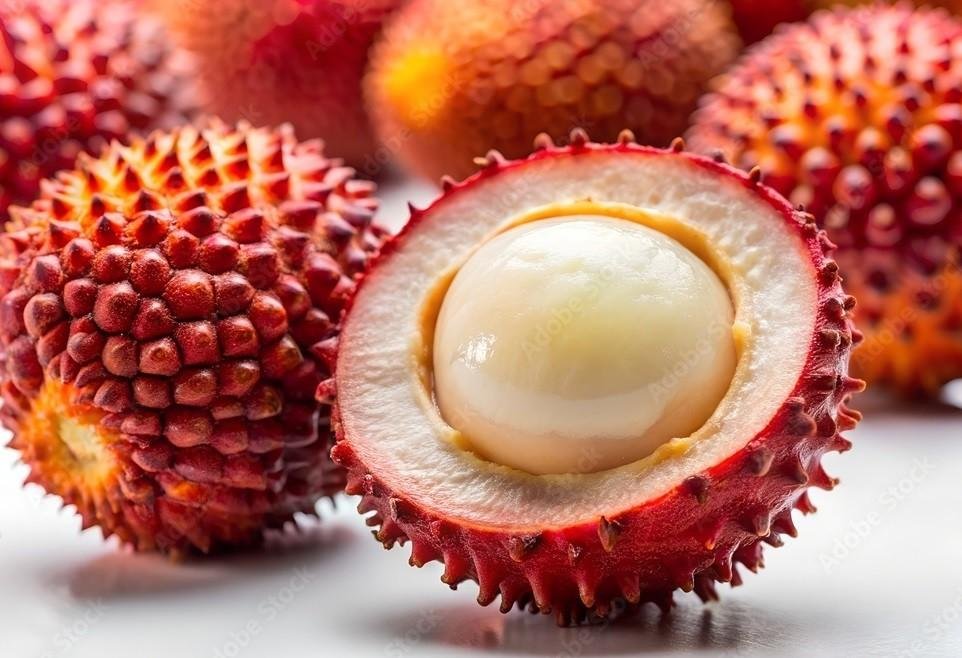
Pulasan is native to Malaysia and thrives in warm tropical climates. The fruit grows on evergreen trees and features a thick, leathery rind covered with short soft spines. Inside, the translucent flesh is sweet, aromatic, and incredibly refreshing. Unlike rambutan, Pulasan’s peel is easier to open by hand, making it convenient to enjoy fresh.
In recent years, interest in exotic superfruits has grown rapidly due to increased awareness of healthy eating and natural nutrition. Pulasan fits perfectly into this trend because it contains vitamins, minerals, antioxidants, and dietary fiber that support overall health and wellness. Whether eaten fresh, blended into smoothies, or used in desserts, Pulasan is a fruit worth discovering.
This comprehensive guide explores everything about Pulasan, including its origin, nutritional value, health benefits, culinary uses, cultivation, economic importance, and much more.
What is Pulasan Fruit?
Pulasan is a tropical fruit scientifically known as Nephelium mutabile. It belongs to the Sapindaceae family, which also includes lychee, longan, and rambutan. The fruit is mainly cultivated in Malaysia, Thailand, Indonesia, and parts of the Philippines.
The name “Pulasan” comes from the Malay word pulas, meaning “to twist,” referring to the method used to open the fruit by twisting the rind with both hands.
Pulasan fruits are usually round or oval and measure about 5–7 centimeters in diameter. Their outer skin ranges from dark red to deep maroon and is covered with thick soft spines. Inside lies juicy white or cream-colored flesh that surrounds a single seed.
The flesh has a sweet flavor with subtle floral notes and less acidity than rambutan. Many people consider Pulasan superior in taste because of its rich sweetness and smooth texture.
Origin and History of Pulasan
Pulasan has been cultivated in Southeast Asia for centuries. Historians believe the fruit originated in the tropical rainforests of Malaysia before spreading to neighboring countries through trade and agricultural exchange.
Traditionally, Pulasan was grown in village gardens and small orchards. Local communities valued the fruit not only for its delicious taste but also for its medicinal uses. Over time, Pulasan became an important seasonal fruit in regional markets.
Although rambutan gained wider international popularity, Pulasan remained relatively rare outside Southeast Asia. However, with growing interest in exotic fruits and sustainable agriculture, Pulasan has recently attracted attention from international fruit enthusiasts and specialty growers.
Today, small-scale cultivation exists in tropical regions worldwide, including Hawaii, Costa Rica, and northern Australia.
Nutritional Value of Pulasan Fruit
Pulasan is not only tasty but also highly nutritious. It contains a variety of essential vitamins, minerals, and beneficial plant compounds.
Nutritional Components Found in Pulasan Fruit
1. Vitamin C
Pulasan is rich in vitamin C, which supports immune health, collagen production, and antioxidant protection.
2. Dietary Fiber
The fruit contains dietary fiber that helps digestion and supports gut health.
3. Iron
Pulasan provides iron, an important mineral involved in red blood cell production and oxygen transport.
4. Potassium
Potassium helps regulate blood pressure and supports heart and muscle function.
5. Antioxidants
The fruit contains antioxidants such as flavonoids and polyphenols that help protect cells from oxidative stress.
6. Natural Sugars
Pulasan provides natural energy through healthy carbohydrates and fruit sugars.
7. Water Content
Its high water content makes the fruit hydrating and refreshing in hot climates.
Health Benefits of Pulasan Fruit
1. Supports Immune System Health
The high vitamin C content in Pulasan helps strengthen the immune system. Vitamin C enhances the body’s natural defense mechanisms and may help reduce the severity of common infections.
Regular consumption of vitamin C-rich fruits supports faster wound healing and protects cells from damage caused by free radicals.
2. Rich Source of Antioxidants
Pulasan contains antioxidants that combat oxidative stress in the body. Oxidative stress is linked to aging and various chronic diseases.
Antioxidants may help:
- Reduce inflammation
- Support skin health
- Protect heart health
- Improve overall wellness
- Lower cellular damage
Eating antioxidant-rich fruits regularly contributes to long-term health maintenance.
3. Aids Digestion
Dietary fiber found in Pulasan promotes healthy digestion by supporting regular bowel movements and feeding beneficial gut bacteria.
Fiber-rich foods can help:
- Prevent constipation
- Improve digestive efficiency
- Support gut microbiome balance
- Enhance nutrient absorption
Including tropical fruits like Pulasan in a balanced diet can contribute to digestive wellness.
4. Supports Heart Health
Pulasan contains potassium and antioxidants that may help support cardiovascular health.
Potassium assists in regulating blood pressure levels, while antioxidants help reduce oxidative damage to blood vessels.
A heart-friendly diet rich in fruits and vegetables may contribute to:
- Healthy circulation
- Balanced blood pressure
- Reduced inflammation
- Improved cardiovascular function
5. Provides Natural Energy
Pulasan contains natural carbohydrates and sugars that provide quick energy. The fruit is often enjoyed as a refreshing snack during hot weather or after physical activity.
Unlike processed sugary snacks, fresh fruits provide additional nutrients and hydration alongside energy.
6. Helps Maintain Healthy Skin
Vitamin C and antioxidants in Pulasan support collagen production and skin protection.
Potential skin benefits include:
- Improved skin elasticity
- Reduced oxidative damage
- Better hydration
- Healthy complexion
- Support against premature aging
A nutrient-rich diet combined with hydration contributes to healthier-looking skin.
7. May Support Blood Health
The iron content in Pulasan may contribute to healthy red blood cell production. Iron plays a key role in transporting oxygen throughout the body.
Consuming iron-containing fruits along with vitamin C-rich foods may improve iron absorption.
Taste and Texture of Pulasan
Pulasan is widely admired for its sweet and juicy flavor. The flesh is typically sweeter than rambutan and less acidic.
Flavor Profile
The taste of Pulasan can be described as:
- Sweet
- Floral
- Juicy
- Mildly aromatic
- Smooth and rich
The fruit has a pleasant balance of sweetness without being overpowering.
Texture
The flesh is firm yet juicy and usually separates easily from the seed. This makes Pulasan enjoyable to eat fresh.
How to Eat Pulasan Fruit
Eating Pulasan is simple and enjoyable.
Steps to Open Pulasan
- Hold the fruit with both hands.
- Twist the rind gently.
- Pull apart the shell.
- Remove the translucent flesh.
- Avoid biting the seed.
The fruit is best eaten fresh when fully ripe.
Culinary Uses of Pulasan Fruit
Although Pulasan is commonly eaten fresh, it can also be used in various recipes and beverages.
1. Fruit Salads
Pulasan adds sweetness and texture to tropical fruit salads alongside mangoes, pineapples, papayas, and bananas.
2. Smoothies
Pulasan blends well into smoothies with yogurt, coconut milk, or other tropical fruits.
3. Desserts
The fruit can be used in:
- Ice creams
- Sorbets
- Fruit puddings
- Cakes
- Jellies
4. Fresh Juice
Pulasan juice is refreshing and hydrating, especially during summer.
5. Tropical Cocktails and Mocktails
Its sweet flavor pairs well with citrus juices and tropical beverages.
Pulasan vs Rambutan
Pulasan and rambutan are closely related and often confused.
| Feature | Pulasan | Rambutan |
|---|---|---|
| Skin Texture | Thick soft spines | Hair-like spines |
| Taste | Sweeter | Slightly acidic |
| Flesh | Firmer and juicy | Softer |
| Peel Opening | Easy twisting | Usually cut with knife |
| Popularity | Less common | More widely available |
Many fruit lovers consider Pulasan superior in flavor.
Growing Pulasan Fruit
Pulasan trees thrive in tropical climates with high humidity and warm temperatures.
Climate Requirements
The tree grows best in:
- Temperatures between 25–35°C
- High rainfall areas
- Humid environments
- Well-drained soil
Propagation
Pulasan can be propagated through:
- Seeds
- Grafting
- Budding
Grafted trees generally produce fruit faster.
Tree Characteristics
Pulasan trees are evergreen and may grow up to 15–25 meters tall.
The trees produce clusters of colorful fruits during the fruiting season.
Economic Importance of Pulasan Fruit
Pulasan contributes to local agriculture and rural economies in Southeast Asia.
Economic Benefits
- Supports tropical fruit farmers
- Promotes biodiversity
- Encourages eco-tourism
- Expands exotic fruit markets
- Creates export opportunities
As global demand for exotic fruits increases, Pulasan may become more commercially valuable.
Pulasan in Traditional Medicine
In some Southeast Asian communities, different parts of the Pulasan plant have traditionally been used in folk remedies.
Traditional uses include:
- Leaf applications
- Seed preparations
- Bark extracts
However, scientific research on these traditional uses remains limited, and medical claims should be approached cautiously.
Environmental Benefits of Tropical Fruit Cultivation
Growing diverse tropical fruits like Pulasan supports sustainable agriculture.
Benefits include:
- Increased biodiversity
- Reduced monoculture farming
- Improved ecosystem balance
- Enhanced soil protection
- Support for pollinators
Sustainable tropical farming practices can help protect natural environments while supporting local livelihoods.
Why Pulasan is Considered an Exotic Superfruit
Pulasan fits the modern definition of a superfruit because it combines excellent taste with nutritional value.
Reasons for Its Growing Popularity
- Rich antioxidant content
- Unique tropical flavor
- Attractive appearance
- Hydrating qualities
- Nutrient density
- Culinary versatility
Health-conscious consumers are increasingly seeking natural foods with functional benefits, making Pulasan highly appealing.
Challenges in Commercializing Pulasan Fruit
Despite its potential, Pulasan faces several challenges.
1. Limited Awareness
Many consumers outside Southeast Asia are unfamiliar with the fruit.
2. Short Shelf Life
Like many tropical fruits, Pulasan is highly perishable.
3. Transportation Difficulties
Its delicate skin and soft flesh can complicate shipping.
4. Limited Large-Scale Farming
Commercial plantations are still relatively rare.
Future of Pulasan in Global Markets
Interest in exotic fruits continues to rise worldwide. Consumers increasingly seek nutritious, unique, and natural foods.
Pulasan may benefit from trends such as:
- Tropical fruit exports
- Organic farming
- Plant-based diets
- Functional foods
- Sustainable agriculture
As awareness grows, Pulasan could become more common in international fruit markets and specialty grocery stores.
Fun Facts About Pulasan Fruit
1. Pulasan is Closely Related to Lychee
All three fruits—Pulasan, rambutan, and lychee—belong to the same botanical family.
2. The Fruit Changes Color as it Ripens
Pulasan turns darker red when fully ripe.
3. It is Easier to Open Than Rambutan
The thick rind twists open by hand.
4. Pulasan Trees Can Live for Many Years
Healthy trees can remain productive for decades.
5. The Fruit is Highly Seasonal
Fresh Pulasan is usually available only during certain months.
Tips for Buying and Storing Pulasan Fruit
How to Choose Fresh Pulasan
Look for fruits that are:
- Deep red or maroon
- Firm but slightly soft
- Free from mold
- Fresh-looking and vibrant
Storage Tips
- Store at cool room temperature for short periods.
- Refrigerate for longer freshness.
- Consume within a few days for best flavor.
FAQs About Pulasan Fruit
Is Pulasan healthier than rambutan?
Both fruits are nutritious, but Pulasan is often considered sweeter and richer in flavor. Nutritional values may vary slightly depending on growing conditions.
Can Pulasan be eaten daily?
Yes, Pulasan can be enjoyed as part of a balanced diet. Moderation is recommended due to its natural sugar content.
What does Pulasan Fruit taste like?
Pulasan tastes sweet, juicy, and mildly floral with a rich tropical flavor.
Is Pulasan good for hydration?
Yes, its high water content helps support hydration.
Where is Pulasan Fruit grown?
Pulasan is mainly grown in Malaysia, Thailand, Indonesia, and other tropical regions.
Can Pulasan be grown at home?
Yes, Pulasan can grow in tropical climates with proper warmth, humidity, and care.
Is Pulasan a superfruit?
Many people consider Pulasan a superfruit because of its antioxidants, vitamins, and nutritional value.
How is Pulasan different from lychee?
Pulasan has thicker skin, larger size, and a sweeter flavor compared to lychee.
Conclusion Pulasan Fruit
Pulasan Fruit is one of the hidden gems of the tropical fruit world. With its sweet flavor, juicy texture, vibrant appearance, and impressive nutritional profile, it deserves far more recognition internationally. Rich in vitamin C, antioxidants, fiber, and minerals, Pulasan Fruit supports overall wellness while providing a delicious eating experience.
As consumers continue exploring healthy and exotic foods, Pulasan has strong potential to become a favorite among tropical fruit enthusiasts. Whether enjoyed fresh, blended into smoothies, or added to desserts, this remarkable fruit offers both taste and nutrition in every bite.
From its roots in Southeast Asian rainforests to its growing global appeal, Pulasan Fruit represents the beauty and diversity of tropical agriculture. Exploring fruits like Pulasan Fruit not only expands culinary experiences but also encourages appreciation for the rich biodiversity found around the world.
Also read :