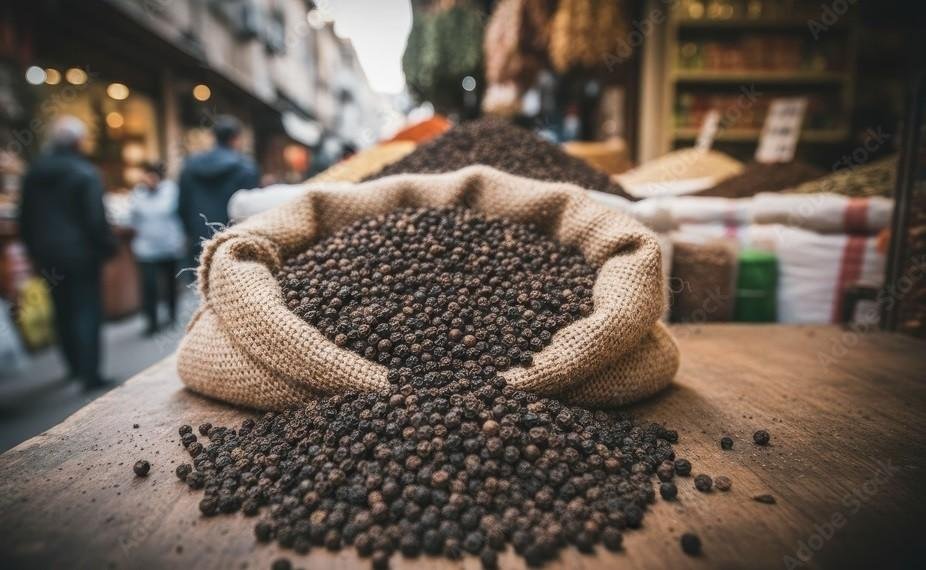
Black pepper is one of the most widely used and recognizable spices in the world. Found in kitchens across nearly every culture, this flavorful spice has been valued for centuries for its bold taste, versatility, and potential wellness benefits. Commonly called the “King of Spices,” This spice has played an important role in global trade, culinary traditions, and natural wellness systems throughout history.
Scientifically known as Piper nigrum, this popular spice comes from the dried berries of a tropical flowering vine native to South India. These berries, known as peppercorns, are harvested before fully ripening and then dried until they become wrinkled and dark. The result is the aromatic seasoning commonly sprinkled on foods around the world.
This spice is appreciated not only for its pungent flavor but also for its nutritional and functional properties. It contains a natural compound called piperine, which contributes to its distinctive sharpness and has attracted scientific attention for its antioxidant and absorption-enhancing potential.
For thousands of years, this flavorful ingredient has been used in traditional wellness practices such as Ayurveda for digestion, circulation, and overall vitality. Today, it remains an essential ingredient in savory dishes, spice blends, marinades, snacks, soups, and wellness beverages.
As consumers continue exploring natural ingredients, functional foods, and flavorful cooking, this ancient spice remains one of the most important seasonings globally. This complete guide explores everything you need to know about the spice, including its history, nutrition, health benefits, culinary uses, growing process, varieties, recipes, and future popularity.
What Is Black Pepper?

Black pepper is a spice made from the dried fruit of the Piper nigrum plant. The fruits are called peppercorns and grow in clusters on climbing vines.
The pepper plant thrives in tropical climates with warmth and humidity. After harvesting, the green peppercorns are dried under sunlight or mechanical heat until they turn black and wrinkled.
This spice is commonly available in several forms:
- Whole peppercorns
- Ground pepper
- Cracked pepper
- Pepper extracts
- Pepper seasoning blends
Its warm, pungent flavor makes it one of the world’s most versatile spices.
History and Origin of Black Pepper
Black pepper has a rich history stretching back more than 2,000 years.
The spice originated along the Malabar Coast of India, especially in present-day Kerala. Ancient traders transported This spice through Asia, the Middle East, and Europe, making it one of the earliest globally traded spices.
In ancient times, This spice was considered highly valuable and was sometimes even used as currency. Wealthy households stored pepper as a luxury item, and the spice became a major reason for international exploration and maritime trade.
Historically, This spice was prized for:
- Enhancing flavor
- Preserving food
- Traditional medicinal use
- High economic value
Today, This spice is cultivated in tropical countries including:
- India
- Vietnam
- Indonesia
- Brazil
- Sri Lanka
Vietnam is currently one of the largest producers and exporters of This spice globally.
Nutritional Profile of Black Pepper
This spice contains beneficial nutrients and plant compounds despite being used in small quantities.
Key Nutrients Found in Black Pepper
Piperine
Piperine is the main active compound responsible for This spice’s pungent taste and many of its potential wellness properties.
Antioxidants
This spice contains antioxidants that help protect the body against oxidative stress.
Dietary Fiber
Pepper provides small amounts of fiber that may support digestion.
Iron
Iron contributes to oxygen transport and energy production.
Potassium
Potassium supports fluid balance and muscle function.
Calcium
Calcium contributes to bone and muscle health.
Vitamin K
This spice contains small amounts of vitamin K for bone support.
Health Benefits of Black Pepper
1. Rich in Antioxidants
This spice contains antioxidants that help neutralize free radicals in the body.
Free radicals can contribute to oxidative stress and cellular damage. Antioxidants support:
- Healthy aging
- Cellular protection
- Skin wellness
- Overall health
Piperine is particularly recognized for its antioxidant activity.
2. May Improve Nutrient Absorption

One of black pepper’s most famous properties is its potential ability to improve nutrient absorption.
Piperine may help increase the bioavailability of compounds such as curcumin from turmeric.
Because of this, black pepper is often paired with turmeric in:
- Golden milk
- Wellness shots
- Herbal supplements
- Smoothies
3. Supports Digestive Health
Black pepper has traditionally been used to support digestion.
Potential digestive-supportive properties include:
- Encouraging digestive enzyme activity
- Supporting stomach comfort
- Stimulating appetite
- Supporting healthy digestion
Many cuisines include black pepper in rich foods partly because of its digestive role.
4. May Support Healthy Inflammation Response
Piperine has attracted scientific interest for its potential anti-inflammatory properties.
Maintaining balanced inflammatory responses is important for overall wellness.
5. Supports Respiratory Comfort
In traditional wellness systems, black pepper has often been used in warm herbal preparations aimed at supporting respiratory comfort.
Black pepper teas and spice infusions are popular during colder seasons.
6. May Support Brain Health
Some early research suggests piperine may support cognitive wellness because of its antioxidant properties.
Although research is still ongoing, black pepper continues to be studied in this area.
7. May Support Metabolism
Black pepper is commonly included in wellness-focused diets because of its potential role in metabolism and digestion.
Combined with healthy habits, spices can contribute to balanced nutrition and flavorful eating.
8. Supports Skin Wellness
The antioxidants found in This spice may help support healthy skin by reducing oxidative stress.
This spice extracts are also used in certain cosmetic and skincare products.
Culinary Uses of Black Pepper
Everyday Cooking
Black pepper is one of the world’s most commonly used seasonings.
It is added to:
- Soups
- Curries
- Pasta
- Salads
- Eggs
- Grilled vegetables
- Rice dishes
- Meat recipes
Its strong aroma enhances both simple and gourmet dishes.
Spice Blends
Black pepper is an essential ingredient in many seasoning mixes such as:
- Garam masala
- Curry powder
- Cajun seasoning
- Steak seasoning
Marinades and Sauces
Black pepper enhances flavor in:
- Marinades
- Cream sauces
- Stir-fries
- Barbecue sauces
Beverages
Black pepper is sometimes added to:
- Herbal teas
- Golden milk
- Wellness drinks
- Spice-infused beverages
Snacks
Pepper seasoning is commonly used in:
- Chips
- Popcorn
- Roasted nuts
- Savory snacks
Types of Peppercorns
Black Peppercorns
The most common type with bold flavor and pungent aroma.
White Peppercorns
Made from ripe berries with outer skin removed. Flavor is smoother and milder.
Green Peppercorns
Harvested early and preserved fresh or dried.
Red Peppercorns
Fully ripe pepper berries with a sweeter and fruitier flavor.
Black Pepper in Traditional Wellness Practices
Black pepper has long been used in traditional systems such as Ayurveda.
Historically, it was used for:
- Digestion
- Circulation
- Warmth during cold weather
- General vitality
It was often combined with ginger, turmeric, and herbal preparations.
How Black Pepper Is Grown
Black pepper grows on tropical flowering vines.
Climate Requirements
The plant grows best in:
- Warm temperatures
- Humid environments
- Partial shade
- Tropical rainfall conditions
Soil Preferences
Black pepper prefers:
- Fertile soil
- Moist conditions
- Well-drained soil
Harvesting Process
Peppercorns are harvested while still green and then processed according to the desired pepper type.
Drying transforms green peppercorns into black pepper.
Economic Importance of Black Pepper
This spice remains one of the world’s most important spice crops.
Global Spice Trade
Pepper is widely traded internationally for culinary and industrial use.
Culinary Industry
Restaurants, packaged foods, and home kitchens rely heavily on This spice.
Wellness Industry
This spice extracts and supplements continue growing in popularity.
Sustainability and Environmental Benefits
When cultivated responsibly, This spice farming can support sustainable agriculture.
Potential benefits include:
- Supporting biodiversity
- Agroforestry integration
- Soil protection
- Long-term productivity
Many pepper farms are integrated with tropical tree systems.
Potential Side Effects and Precautions
This spice is generally safe in culinary amounts.
However:
- Excessive intake may irritate the stomach in sensitive individuals.
- Concentrated supplements should be used carefully.
- Piperine may interact with some medications.
Moderation is recommended.
Delicious Black Pepper Recipe Ideas
Black Pepper Lemon Tea
Ingredients
- Hot water
- Lemon juice
- Honey
- Freshly cracked pepper
Instructions
Mix ingredients together and serve warm.
Pepper Roasted Vegetables
Ingredients
- Mixed vegetables
- Olive oil
- Salt
- Cracked pepper
Instructions
Roast until tender and flavorful.
Creamy Pepper Pasta
This spice pairs beautifully with creamy sauces and cheese-based pasta dishes.
Modern Food Trends Featuring Black Pepper
This spice continues evolving in modern food culture.
Popular uses include:
- Functional beverages
- Wellness products
- Gourmet seasoning blends
- Fusion cuisine
- Plant-based recipes
- Healthy snack flavoring
Its versatility ensures long-term popularity worldwide.
Frequently Asked Questions
What is black pepper made from?
It is made from dried peppercorn berries of the Piper nigrum plant.
Why is black pepper called the King of Spices?
Because of its historical importance, global popularity, and major role in trade.
Is black pepper healthy?
Yes. It contains antioxidants and piperine that may support overall wellness.
What does piperine do?
Piperine contributes to pepper’s sharp flavor and may help improve nutrient absorption.
Does black pepper help digestion?
Traditionally, it has been used to support digestive wellness.
Can black pepper be consumed daily?
Yes. Culinary amounts are commonly consumed daily worldwide.
Is freshly ground pepper better?
Freshly ground pepper often provides stronger flavor and aroma.
Does black pepper contain caffeine?
No. This spice is naturally caffeine-free.
Conclusion
Black pepper is far more than a basic table seasoning. With its bold flavor, fascinating history, nutritional properties, and worldwide culinary importance, This spice has earned its reputation as the “King of Spices.”
From ancient trade routes and traditional wellness systems to modern gourmet cuisine and functional foods, This spice continues to influence kitchens and cultures around the globe. Its active compound piperine, antioxidant potential, and flavor-enhancing versatility make it one of the world’s most valuable spices.
Whether sprinkled over savory dishes, blended into spice mixes, or added to wellness beverages, This spice offers warmth, aroma, and culinary richness that have stood the test of time.
Also read:
Turmeric 101: Benefits, Nutrition, Uses, Recipes, and Complete Guide