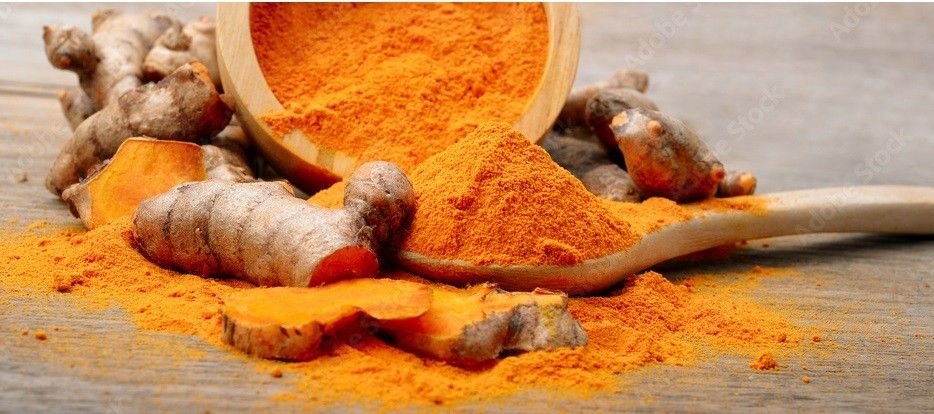
Turmeric is one of the world’s most famous and widely used spices. Known for its vibrant golden-yellow color and earthy flavor, This spice has been an important part of traditional cooking, herbal practices, and wellness culture for thousands of years. From Indian curries and golden milk to modern smoothies and supplements, This spice continues to grow in popularity worldwide.
Scientifically known as Curcuma longa, this golden spice belongs to the ginger family and is primarily grown in tropical regions of Asia. The spice comes from the underground stem, or rhizome, of the plant. After harvesting, the rhizomes are boiled, dried, and ground into the bright yellow powder commonly found in kitchens around the world.
This spice is valued not only for its flavor and color but also for its impressive nutritional and medicinal properties. It contains a natural compound called curcumin, which is widely studied for its antioxidant and anti-inflammatory effects. Along with curcumin, it contains vitamins, minerals, fiber, and beneficial plant compounds that may support overall wellness.
For centuries, this ancient spice has played a major role in traditional systems such as Ayurveda and traditional Chinese practices. It has historically been used for digestion, skin care, immune support, and general wellness. Today, it is considered one of the most popular super spices globally.
As consumers increasingly seek natural ingredients and plant-based wellness foods, this golden ingredient has become a staple in health-conscious diets and modern culinary trends. This complete guide explores everything you need to know about the spice, including its history, nutrition, health benefits, culinary uses, growing process, recipes, side effects, and future popularity.
What Is Turmeric?

This spice is a flowering plant native to South Asia and closely related to ginger. The edible part of the plant is its underground rhizome, which has a deep orange-yellow interior and a slightly rough brown skin.
Fresh This spice has a warm, earthy, slightly bitter flavor with hints of pepper and ginger. When dried and powdered, it becomes the bright golden spice widely used in cooking.
This spice is commonly available in several forms:
- Fresh roots
- Dried powder
- Capsules and supplements
- Herbal teas
- Pastes
- Extracts
The spice is widely used in Indian, Southeast Asian, Middle Eastern, and modern fusion cuisines.
History and Origin of Turmeric
This spice has been cultivated for more than 4,000 years and holds deep cultural significance in many Asian countries.
Historically, This spice was used in:
- Ayurvedic practices
- Religious ceremonies
- Traditional medicine
- Food preservation
- Textile dyeing
India remains the largest producer and exporter of This spice in the world. The spice has also spread throughout Southeast Asia, Africa, and other tropical regions.
Ancient traders introduced This spice to the Middle East, Europe, and eventually the Americas. Today, turmeric is used globally in cooking, cosmetics, beverages, and wellness products.
Nutritional Profile of Turmeric
This spice contains numerous beneficial nutrients and plant compounds.
Key Nutrients Found in Turmeric
Curcumin
Curcumin is the primary active compound responsible for many of This spice’s potential health benefits.
Antioxidants
This spice contains antioxidants that help protect cells against oxidative stress.
Fiber
The spice contains dietary fiber that may support digestive health.
Iron
This spice provides small amounts of iron, which supports oxygen transport in the body.
Potassium
Potassium contributes to healthy muscle and nerve function.
Manganese
This mineral supports metabolism and bone health.
Vitamin C
Fresh This spice contains vitamin C, which supports immunity and skin health.
Health Benefits of Turmeric
1. Rich in Powerful Antioxidants
This spice contains antioxidants that help neutralize harmful free radicals.
Oxidative stress is associated with aging and various chronic conditions. Antioxidants may support:
- Healthy aging
- Cellular protection
- Skin health
- Overall wellness
Curcumin is particularly recognized for its antioxidant potential.
2. May Help Support Healthy Inflammation Response
This spice is widely known for its potential anti-inflammatory properties.
Chronic inflammation has been linked to various health concerns. Curcumin may help support the body’s natural inflammatory response.
Many people include This spice in wellness routines for this reason.
3. Supports Digestive Health
This spice has traditionally been used to support digestion.
Potential digestive benefits include:
- Supporting gut comfort
- Promoting healthy digestion
- Encouraging bile production
- Supporting balanced eating habits
This spice is commonly included in digestive teas and spice blends.
4. May Support Immune Function
The antioxidants and plant compounds in This spice may help support the immune system.
Warm This spice beverages are especially popular during seasonal changes and colder months.
5. Supports Skin Health
This spice has long been used in traditional beauty rituals.
Potential skin-supportive properties include:
- Supporting a healthy glow
- Helping protect against oxidative stress
- Supporting skin balance
- Promoting overall skin wellness
Turmeric is commonly found in natural skincare products.
6. May Support Brain Health
Some studies suggest curcumin may support cognitive wellness due to its antioxidant properties.
Research is still ongoing, but turmeric continues to attract scientific interest in this area.
7. Supports Heart Health
This spice may support cardiovascular wellness through its antioxidant and anti-inflammatory properties.
A balanced diet rich in spices, fruits, and vegetables may contribute to overall heart health.
8. May Support Joint Comfort
This spice supplements and beverages are commonly used by individuals seeking natural joint support.
Curcumin’s anti-inflammatory properties may contribute to joint wellness.
Culinary Uses of Turmeric
Curries and Savory Dishes
This spice is a key ingredient in many savory dishes.
It is commonly used in:
- Curries
- Rice dishes
- Lentil soups
- Stews
- Vegetable recipes
- Marinades
The spice adds both flavor and vibrant color.
Golden Milk
Golden milk is a popular This spice beverage made with milk or plant-based alternatives.
Common ingredients include:
- Turmeric
- Cinnamon
- Ginger
- Black pepper
- Honey
Smoothies
This spice blends well into smoothies with fruits such as:
- Mango
- Pineapple
- Banana
- Orange
Herbal Teas
This spice tea is commonly enjoyed warm with lemon and honey.
Spice Blends
This spice is used in spice mixtures such as:
- Curry powder
- Garam masala
- Middle Eastern blends
Turmeric and Black Pepper Combination
One of the most popular wellness combinations is This spice with black pepper.
Black pepper contains piperine, which may help improve curcumin absorption.
This is why many This spice recipes and supplements include black pepper.
Fresh Turmeric vs Powdered Turmeric
Fresh Turmeric
- Stronger aroma
- Juicier texture
- Slightly citrus-like flavor
- Used in juices and fresh cooking
Powdered Turmeric
- More convenient
- Longer shelf life
- Common in spice blends
- Widely available
Both forms provide culinary and nutritional value.
How to Grow Turmeric
This spice grows best in warm tropical climates.
Climate Requirements
The plant prefers:
- Warm temperatures
- High humidity
- Partial sunlight
- Long growing seasons
Soil Conditions
This spice grows best in:
- Fertile soil
- Moist conditions
- Well-drained soil
Planting
This spice is grown from rhizomes rather than seeds.
Small rhizome pieces are planted directly into soil.
Harvesting
The plant is usually harvested several months after planting once leaves begin drying.
Rhizomes are then cleaned, boiled, dried, and processed.
Traditional Uses of Turmeric
This spice has played a major role in traditional wellness systems.
Ayurveda
In Ayurveda, turmeric has historically been used for:
- Digestion
- Skin care
- General wellness
- Cleansing practices
Religious Ceremonies
This spice has cultural and ceremonial importance in many South Asian traditions.
Natural Dye
The spice has also been used as a natural yellow dye for fabrics and foods.
Turmeric in Modern Food Trends
This spice has become a major ingredient in wellness-focused foods.
Popular modern uses include:
- Golden lattes
- Wellness shots
- Functional beverages
- Smoothie bowls
- Plant-based recipes
- Herbal supplements
Its vibrant color and wellness reputation have boosted its popularity globally.
Potential Side Effects and Precautions
This spice is generally safe when used in normal culinary amounts.
However:
- Excessive intake may cause digestive discomfort in some individuals.
- Supplements may interact with certain medications.
- People with medical conditions should consult healthcare professionals before high-dose supplementation.
Moderation is important.
Delicious Turmeric Recipe Ideas
Golden Turmeric Milk
Ingredients
- 1 cup milk or plant milk
- 1 teaspoon turmeric powder
- Honey
- Cinnamon
- Pinch of black pepper
Instructions
Warm ingredients together and serve hot.
Turmeric Smoothie
Ingredients
- Banana
- Mango
- Turmeric
- Ginger
- Coconut water
Instructions
Blend until smooth and enjoy chilled.
Turmeric Rice
Add This spice powder while cooking rice for vibrant color and earthy flavor.
Turmeric in Beauty and Skincare
This spice is widely used in natural skincare routines.
Common applications include:
- Face masks
- Herbal scrubs
- Beauty pastes
- Skin-supportive products
Its antioxidant properties contribute to its popularity in beauty care.
Economic Importance of Turmeric
This spice is a major agricultural commodity in several countries.
India’s Leadership
India produces most of the world’s This spicesupply.
Export Market
Turmeric is exported globally for:
- Food production
- Cosmetics
- Supplements
- Wellness products
Growing Consumer Demand
Demand continues rising because of interest in natural wellness products.
Sustainability and Environmental Benefits
Turmeric farming can support sustainable agriculture when managed responsibly.
Benefits include:
- Crop diversity
- Soil enrichment
- Reduced chemical dependency in some systems
- Integration into organic farming
Frequently Asked Questions
What is turmeric used for?
This spice is used in cooking, beverages, traditional wellness practices, and skincare.
What does turmeric taste like?
It has a warm, earthy, slightly bitter flavor with peppery notes.
Is turmeric healthy?
Yes. It contains antioxidants and curcumin, which may support overall wellness.
Can turmeric be consumed daily?
Many people use small culinary amounts daily as part of balanced diets.
Why is black pepper added to turmeric?
Black pepper may help improve curcumin absorption.
Is fresh turmeric better than powder?
Both forms offer benefits. Fresh This spice has stronger aroma, while powder is more convenient.
Can turmeric stain?
Yes. This spice’s strong yellow pigment can stain fabrics and surfaces.
Is turmeric caffeine-free?
Yes. This spice naturally contains no caffeine.
Conclusion
Turmeric is far more than a simple kitchen spice. With its rich history, vibrant color, unique flavor, and impressive wellness potential, This spice has earned its reputation as one of the world’s most valuable super spices.
From traditional Ayurvedic practices to modern wellness beverages and culinary innovation, This spicecontinues to influence food culture around the globe. Its antioxidant-rich composition, versatility, and natural appeal make it a staple ingredient in healthy lifestyles.
Whether added to curries, teas, smoothies, soups, or beauty rituals, This spice offers a flavorful and functional way to support balanced living. As global demand for natural ingredients continues to rise, turmeric’s popularity is likely to remain strong for generations to come.
Also read:
Black Pepper 101: Benefits, Nutrition, Uses, Recipes, and Complete Guide