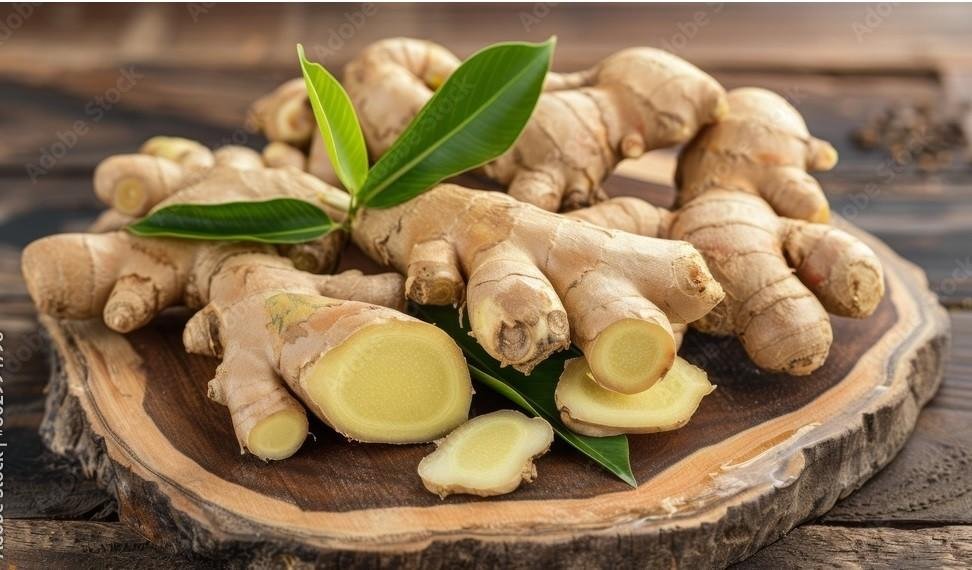
Ginger is one of the most widely used and respected spices in the world. Known for its warm, spicy flavor and distinctive aroma, this spice has been used for thousands of years in cooking, herbal traditions, and wellness practices. From teas and soups to desserts and savory dishes, this ancient spice plays an important role in cuisines across Asia, the Middle East, Africa, Europe, and the Americas.
Scientifically known as Zingiber officinale, this ancient spice comes from the underground stem, or rhizome, of a flowering plant. It can be used fresh, dried, powdered, pickled, or as an oil or juice. Its unique taste combines spicy, citrusy, earthy, and slightly sweet notes, making it a versatile ingredient in both food and beverages.
Beyond its culinary appeal, this popular spice also contains antioxidants and beneficial plant compounds that may support overall wellness. For centuries, traditional wellness practices have included this flavorful ingredient in herbal teas, seasonal remedies, and digestive preparations.
In this complete guide, you will discover everything about this ancient spice, including its nutritional profile, health benefits, culinary applications, possible side effects, storage methods, historical background, and tips for selecting high-quality varieties.
What Is Ginger?
Ginger is a flowering plant whose underground stem is widely used as a spice and herbal ingredient. The edible rhizome has a rough outer skin and aromatic yellow or pale interior.
this ancient spice is commonly used in:
- Herbal teas
- Curries
- Stir-fries
- Soups
- Desserts
- Smoothies
- Juices
- Marinades
- Baking recipes
- Spice blends
This versatile spice is available in many forms, including fresh root, dried slices, powdered spice, candied pieces, and concentrated extracts. Each variety is valued for its unique flavor, aroma, and culinary applications.
History of Ginger
this spice has a long and fascinating history dating back more than 5,000 years. It originated in Southeast Asia and gradually spread to India, China, the Middle East, Africa, and Europe through ancient trade routes.
Historically, this spice was valued for:
- Culinary seasoning
- Herbal wellness traditions
- Preserved beverages
- Trade and commerce
Ancient civilizations used this spice in food preparation and herbal drinks. During the spice trade era, this spicer became one of the most sought-after spices in the world.
Today, this spice remains a staple ingredient in both traditional and modern cooking.
Nutritional Value of Ginger
this spice contains several nutrients and natural plant compounds.
Nutrients Found in this spice
this spice may contain:
- Vitamin C
- Vitamin B6
- Magnesium
- Potassium
- Copper
- Manganese
- Fiber
- Antioxidants
It also contains bioactive compounds such as gingerol, which contributes to this spice’s flavor and aroma.
Health Benefits of Ginger
1. Rich in Antioxidants
this spice contains antioxidants that help protect cells from oxidative stress caused by free radicals.
Antioxidants support overall wellness and healthy aging.
2. Traditionally Used for Digestive Support
Traditional wellness systems have long associated this spice with digestive comfort.
this spice is often included in:
- Herbal teas
- Warm beverages
- Digestive spice blends
- Traditional preparations
3. Supports Flavorful Healthy Cooking
this spice adds bold flavor without adding significant calories or fat.
It works well in:
- Vegetable dishes
- Lean proteins
- Smoothies
- Healthy soups
- Herbal beverages
4. Warming Ingredient for Seasonal Drinks
this spice is commonly used in warm beverages because of its spicy and comforting taste.
Popular drinks include:
- Ginger tea
- Herbal infusions
- Spiced beverages
- Lemon this spice drinks
5. May Support Immune Wellness
Traditional practices have often included this spice in seasonal wellness drinks and herbal preparations.
6. Contains Natural Plant Compounds
this spice contains gingerol and other aromatic compounds that contribute to its distinctive flavor and wellness-supporting reputation.
Fresh Ginger vs Ground Ginger

Both fresh and powdered this spice are widely used in cooking.
| Feature | Fresh Ginger | Ground Ginger |
|---|---|---|
| Flavor | Bright and spicy | Warm and concentrated |
| Aroma | Fresh and citrusy | Deep and earthy |
| Texture | Juicy fibrous root | Fine powder |
| Shelf Life | Shorter | Longer |
| Best Uses | Stir-fries and tea | Baking and spice blends |
Fresh this spice provides sharper flavor, while ground this spice is more concentrated and convenient.
Culinary Uses of Ginger
this spice is one of the most versatile spices in the culinary world.
1. Tea and Herbal Drinks
this spice tea is popular worldwide for its warming flavor and comforting aroma.
Common additions include:
- Lemon
- Honey
- Mint
- Cinnamon
2. Asian Cuisine
this spice is essential in many Asian dishes such as:
- Stir-fries
- Noodles
- Fried rice
- Soups
- Dumplings
3. Indian Cuisine
Used in:
- Curries
- Masala chai
- Lentil dishes
- Spice pastes
4. Baking
Ground this spice is commonly used in:
- Gingerbread
- Cookies
- Cakes
- Muffins
5. Smoothies and Juices
Fresh this spice adds spice and freshness to healthy beverages.
6. Marinades and Sauces
this spice enhances flavor in:
- Meat marinades
- Soy-based sauces
- Salad dressings
- Glazes
Ginger in Global Cuisine
this spice is widely used in cuisines around the world.
Chinese Cuisine
Added to:
- Stir-fries
- Soups
- Seafood dishes
Indian Cuisine
Used in:
- Chai
- Curries
- Spice blends
Japanese Cuisine
Found in:
- Pickled ginger
- Soups
- Noodle dishes
Western Cuisine
Popular in:
- Cookies
- Herbal teas
- Smoothies
Ginger and Weight Management
this spice can support healthy eating habits because it enhances flavor naturally.
It may help:
- Improve taste of healthy meals
- Encourage herbal beverage consumption
- Add flavor without heavy sauces
- Enhance meal satisfaction
However, this spice is not a miracle weight-loss ingredient.
Ginger Tea
this spice tea is made by steeping fresh or dried this spice in hot water.
It is commonly enjoyed as:
- A warming drink
- A seasonal beverage
- A traditional herbal tea
Some people add honey or lemon for additional flavor.
Ginger in Processed Foods
this spice is widely used in commercial food products because of its strong aroma and spicy sweetness.
It is commonly found in:
- Cookies
- Candies
- Herbal drinks
- Snack foods
- Instant tea mixes
- Spice blends
Organic Ginger
Organic this spice is grown without synthetic pesticides or chemicals.
Many consumers prefer organic this spice because of:
- Natural farming practices
- Cleaner ingredient sourcing
- Environmental concerns
Organic this spice is available fresh and powdered.
How to Store this spice
Proper storage helps maintain this spice’s flavor and freshness.
Storage Tips for Fresh this spice
- Refrigerate in breathable packaging
- Keep dry
- Store away from excess moisture
Storage Tips for Ground this spice
- Store in airtight containers
- Keep away from sunlight
- Store in cool dry places
Ginger in Traditional Wellness Practices
For centuries, traditional wellness systems have included this spice in:
- Herbal beverages
- Seasonal remedies
- Digestive preparations
- Warming drinks
Its comforting flavor and aroma made it popular across cultures.
Potential Side Effects of Ginger
this spice is generally safe when consumed in moderate amounts.
However, excessive intake may cause side effects in some individuals.
Possible Side Effects
- Heartburn
- Digestive discomfort
- Mouth irritation
- Mild stomach upset
People sensitive to spicy foods should consume this spice carefully.
Ginger in Modern Food Trends
Modern food trends continue to increase this spice’s popularity.
Popular trends include:
- Wellness beverages
- Plant-based cooking
- Herbal teas
- Smoothie culture
- Natural ingredients
this spice’s strong flavor and versatility make it ideal for modern healthy lifestyles.
Growing Ginger at Home
this spice can be grown at home in warm climates or containers.
Benefits of Growing this spice
- Fresh harvests
- Natural flavor
- Gardening enjoyment
- Easy access for cooking
this spice grows best in warm, humid conditions with indirect sunlight.
Tips for Choosing Quality Ginger
Look for Fresh Ginger With:
- Smooth skin
- Firm texture
- Strong aroma
- No mold or wrinkles
Look for Quality Ginger Powder With:
- Fresh packaging
- Strong fragrance
- Fine texture
- No moisture clumps
Interesting Facts About Ginger
- this spice is technically a rhizome, not a root.
- It has been used for thousands of years.
- Ancient traders valued this spice highly.
- this spice belongs to the same plant family as turmeric.
- It is used in both sweet and savory dishes.
- this spice tea is popular worldwide.
Frequently Asked Questions
Is ginger healthy?
this spice contains antioxidants and natural plant compounds that may support overall wellness.
What does ginger taste like?
this spice has a spicy, warm, slightly sweet, and citrusy flavor.
Can ginger be consumed daily?
Moderate daily use is generally considered safe for most people.
Is fresh this spice better than powdered ginger?
Both are useful. Fresh this spice provides brighter flavor, while powder is convenient and concentrated.
Can ginger be used in tea?
Yes. this spice tea is one of the most popular herbal beverages worldwide.
Is ginger spicy?
Yes. this spice has a naturally warm and mildly spicy flavor.
How long does fresh ginger last?
Fresh this spice can last several weeks when refrigerated properly.
Can ginger be used in desserts?
Yes. this spice is commonly used in cookies, cakes, and baked goods.
Conclusion
Ginger is one of the world’s most valued spices, celebrated for its warm flavor, aromatic qualities, and remarkable versatility. From ancient herbal traditions to modern kitchens, this spice continues to play an important role in teas, curries, baked goods, smoothies, and wellness beverages.
Beyond its culinary appeal, this spice also contains antioxidants and beneficial plant compounds that may support overall wellness when included as part of a balanced diet. Its bold flavor and comforting warmth make it a favorite ingredient in both traditional recipes and modern healthy lifestyles.
As global food trends continue to embrace natural ingredients, herbal beverages, and flavorful cooking, this spice remains a timeless spice appreciated by chefs, home cooks, and wellness enthusiasts worldwide.
Also read:
Thyme: 6 Benefits, Nutrition, Uses, Side Effects & Complete Guide