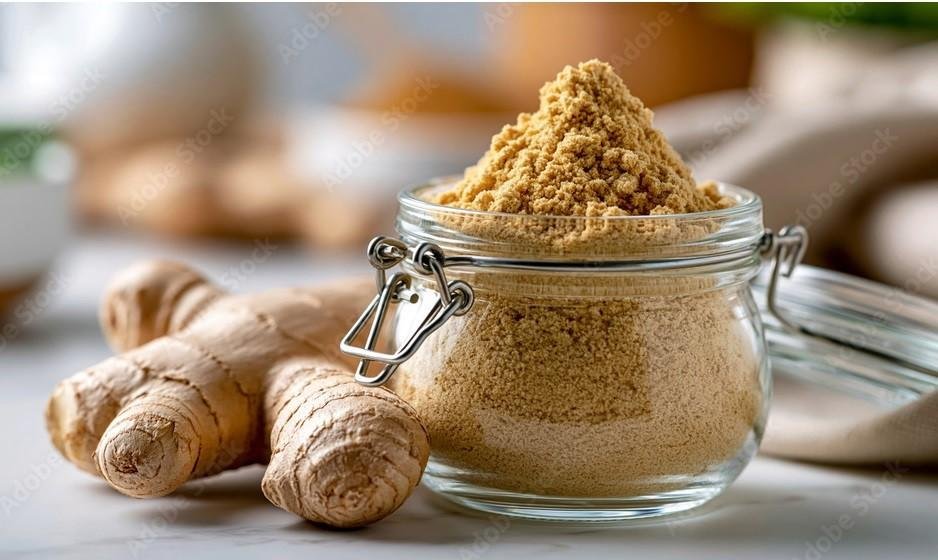
Ginger powder is one of the most widely used natural spices in the world. Known for its warm aroma, slightly spicy flavor, and impressive health-supporting properties, ginger powder has been valued for centuries in traditional wellness systems and global cuisines. From herbal teas and curries to baked goods and wellness drinks, this versatile ingredient plays an important role in both cooking and natural health practices.
Derived from the dried root of the ginger plant, Powdered ginger contains concentrated natural compounds that contribute to its unique taste and wellness benefits. It is commonly used to support digestion, boost warmth in the body, enhance recipes, and add flavor to beverages and desserts.
Modern nutrition experts and wellness enthusiasts continue to appreciate Powdered ginger because it is easy to store, simple to use, and rich in beneficial plant compounds. It can be added to smoothies, soups, spice blends, herbal drinks, and even skincare remedies.
In this complete guide, you will learn everything about Powdered ginger, including its nutritional value, health benefits, culinary uses, preparation methods, side effects, storage tips, and frequently asked questions.
What Is Ginger Powder?
Ginger powder is made by drying fresh ginger root and grinding it into a fine powder. The ginger plant, scientifically known as Zingiber officinale, belongs to the same family as turmeric and cardamom. Native to Southeast Asia, ginger has been cultivated for thousands of years and remains one of the most popular spices worldwide.
Fresh ginger root contains natural oils and compounds that give it a spicy and warming flavor. Once dried and powdered, the spice becomes more concentrated and develops a slightly different taste profile compared to fresh ginger.
Powdered ginger is commonly known by different names around the world:
- Dry Powdered ginger
- Ground ginger
- Sonth or Saunth in India
- Ginger spice powder
It is available in grocery stores, spice markets, organic food shops, and online wellness stores.
Nutritional Value of Ginger Powder
Powdered ginger contains several nutrients and beneficial plant compounds. Although it is usually consumed in small amounts, it still contributes valuable antioxidants and natural substances to the diet.
Nutrients Found in Ginger Powder
Powdered ginger may contain:
- Carbohydrates
- Dietary fiber
- Small amounts of protein
- Potassium
- Magnesium
- Iron
- Calcium
- Vitamin B6
- Manganese
- Antioxidants
The most important natural compounds in Powdered ginger include:
- Gingerol
- Shogaol
- Zingerone
- Essential oils
These compounds are responsible for the characteristic aroma, flavor, and many of the wellness-supporting properties associated with ginger.
Health Benefits of Ginger Powder
1. Supports Healthy Digestion
One of the most well-known uses of Powdered ginger is digestive support. Traditional wellness systems have used ginger for centuries to ease digestive discomfort and promote smoother digestion.
Powdered ginger may help:
- Reduce bloating
- Support stomach comfort
- Promote healthy digestion
- Improve digestive movement
- Support appetite balance
Many people consume ginger tea after meals for digestive relaxation.
2. May Help Reduce Nausea
Ginger powder is widely recognized for its ability to help with occasional nausea. It has traditionally been used during travel, pregnancy-related nausea, and stomach uneasiness.
People often use ginger powder in:
- Herbal teas
- Warm water drinks
- Ginger candies
- Wellness tonics
Its natural warming effect may help calm the stomach.
3. Rich in Antioxidants
Ginger powder contains antioxidants that help protect the body from oxidative stress caused by unstable molecules known as free radicals.
Antioxidants are important because they may support:
- Healthy aging
- Cellular protection
- Skin wellness
- Immune balance
- Overall vitality
Including antioxidant-rich spices in a balanced diet may contribute to long-term wellness.
4. Supports Immune Function
Ginger powder is often included in traditional wellness drinks during seasonal changes.
Its warming and comforting properties make it popular in:
- Ginger tea
- Herbal kadha
- Lemon-ginger drinks
- Honey-ginger mixtures
Many people consume ginger powder during cold weather to support overall immune wellness.
5. May Support Joint Comfort
Some wellness traditions use ginger powder to support joint flexibility and comfort.
The natural compounds found in ginger may help support:
- Healthy movement
- Joint mobility
- Muscle relaxation
- Physical recovery after activity
Warm ginger drinks are commonly consumed after exercise or during winter seasons.
6. Helps Warm the Body
Ginger powder is considered a warming spice in many traditional systems.
It is especially popular during colder months because it may help:
- Increase feelings of warmth
- Improve seasonal comfort
- Support circulation
- Enhance comfort during cold weather
This is one reason ginger tea remains popular worldwide.
7. May Support Weight Management Goals
Ginger powder is often included in balanced wellness routines focused on healthy weight management.
It may support:
- Fullness after meals
- Healthy digestion
- Metabolic activity
- Reduced cravings for sugary foods
However, ginger powder alone is not a miracle solution. It works best as part of a healthy lifestyle including balanced nutrition and regular exercise.
8. Supports Respiratory Comfort
Traditional home remedies frequently use ginger powder for seasonal respiratory support.
It is commonly mixed with:
- Honey
- Tulsi
- Black pepper
- Warm water
- Herbal teas
Many people find warm ginger beverages soothing during seasonal discomfort.
9. May Support Heart Wellness
Some studies suggest that ginger may contribute to overall cardiovascular wellness when included as part of a balanced diet.
Potential supportive roles include:
- Supporting healthy circulation
- Supporting balanced cholesterol levels
- Promoting overall wellness
More research continues in this area, but ginger remains a valued part of many heart-friendly diets.
10. May Help Balance Blood Sugar
Research continues to explore ginger’s potential role in supporting balanced blood sugar levels.
Some studies suggest ginger compounds may support:
- Glucose metabolism
- Insulin sensitivity
- Healthy energy balance
People with medical conditions should always consult healthcare professionals before making major dietary changes.
Culinary Uses of Ginger Powder
Ginger powder is extremely versatile in cooking and baking.
In Beverages
Ginger powder is commonly added to:
- Ginger tea
- Herbal teas
- Smoothies
- Detox drinks
- Golden milk
- Lemon water
- Spiced coffee
A small amount can provide warmth and flavor.
In Baking
Ginger powder is widely used in baked goods such as:
- Ginger cookies
- Cakes
- Muffins
- Bread
- Gingerbread
- Biscuits
It pairs well with cinnamon, nutmeg, and cloves.
In Savory Dishes
It can enhance flavor in:
- Curries
- Soups
- Stir-fries
- Marinades
- Sauces
- Rice dishes
- Lentils
Ginger powder adds depth and mild heat to recipes.
In Spice Blends
Ginger powder is often included in:
- Curry powder
- Chai spice mix
- Garam masala
- Herbal spice blends
- Wellness powders
Its warm flavor complements many spices.
How Ginger Powder Is Made
The process of making ginger powder is relatively simple.
Step 1: Harvesting
Fresh ginger roots are harvested from mature plants.
Step 2: Cleaning
The roots are washed thoroughly to remove dirt and impurities.
Step 3: Peeling
Some producers peel the outer skin before drying.
Step 4: Drying
The ginger slices are dried using sunlight or dehydrators.
Step 5: Grinding
Once fully dried, the ginger is ground into a fine powder.
Step 6: Packaging
The powder is packed into airtight containers to maintain freshness.
Difference Between Fresh Ginger and Ginger Powder
Although both come from the same root, fresh ginger and ginger powder differ in texture, flavor, and culinary use.
Fresh Ginger
- Juicy texture
- Strong spicy flavor
- Common in savory dishes
- Shorter shelf life
- Contains more moisture
Ginger Powder
- Dry texture
- More concentrated flavor
- Easy to store
- Longer shelf life
- Convenient for baking and spice mixes
Both forms offer valuable culinary and wellness benefits.
Popular Ways to Consume Ginger Powder
Ginger Tea
One of the most common uses is ginger tea.
Simple Ginger Tea Recipe
Ingredients:
- 1 cup hot water
- 1/2 teaspoon ginger powder
- Honey or lemon optional
Method:
- Add ginger powder to hot water.
- Stir thoroughly.
- Add honey or lemon if desired.
- Drink warm.
Ginger and Honey Mixture
Many people mix ginger powder with honey for a soothing wellness remedy.
Ginger Smoothie
Add a small amount of ginger powder to fruit smoothies for extra flavor.
Ginger Milk
Warm milk mixed with ginger powder is popular during winter.
Ginger Detox Drink
Mix Powdered ginger with warm water, lemon, and honey.
Ginger Powder in Traditional Wellness Systems
Ayurveda
In Ayurveda, dry ginger is known as “Sonth.”
It has traditionally been used to support:
- Digestion
- Warmth in the body
- Seasonal wellness
- Energy balance
Dry ginger is considered warming and stimulating.
Traditional Chinese Practices
Ginger has also been used in traditional Chinese wellness practices for centuries.
It is commonly associated with:
- Warm energy
- Digestive support
- Seasonal balance
- Comfort during cold weather
Beauty Benefits of Ginger Powder
Powdered ginger is also used in natural beauty routines.
1. Supports Skin Glow
The antioxidants in ginger may help support healthier-looking skin.
2. DIY Face Masks
Some homemade masks include:
- Ginger powder
- Honey
- Yogurt
- Turmeric
These are often used for temporary skin freshness.
3. Scalp Care
Some people include Powdered ginger in hair masks for scalp wellness.
Always perform a patch test before applying ginger-based products to the skin.
Side Effects of Ginger Powder
Although ginger powder is generally safe when consumed in moderate amounts, excessive intake may cause certain side effects in some individuals. The intensity of these effects depends on the quantity consumed, individual sensitivity, and overall health condition.
1. Heartburn and Acid Reflux
Consuming too much Powdered ginger may cause a burning sensation in the chest or throat. People who already suffer from acid reflux or acidity may experience worsening symptoms after excessive ginger intake.
2. Stomach Irritation
Large amounts of ginger powder can sometimes irritate the stomach lining, leading to discomfort, bloating, gas, or mild stomach pain.
3. Mouth and Throat Irritation
Because Powdered ginger is concentrated and spicy, it may cause irritation or a burning feeling in the mouth and throat when consumed in excess or without proper dilution.
4. Digestive Discomfort
While ginger often supports digestion, overconsumption may have the opposite effect and lead to:
- Loose stools
- Diarrhea
- Abdominal discomfort
- Increased stomach sensitivity
5. Increased Body Warmth
Ginger is considered a warming spice. Excessive intake may create feelings of excess heat in the body, especially during hot weather or in people sensitive to warming foods.
6. Possible Blood-Thinning Effects
Ginger may naturally influence blood circulation. People taking blood-thinning medications should consult a healthcare professional before consuming large amounts of Powdered ginger regularly.
7. Pregnancy Precautions
Small amounts of ginger are commonly used for occasional nausea during pregnancy, but excessive consumption should be avoided unless recommended by a healthcare provider.
8. Allergic Reactions
Although rare, some individuals may experience allergic reactions such as:
- Skin irritation
- Rash
- Itching
- Swelling
Discontinue use if any allergic symptoms appear.
9. Interaction With Certain Medications
Powdered ginger may interact with some medications related to:
- Blood pressure
- Blood sugar
- Blood clotting
People with chronic health conditions should seek medical advice before regular use.
Tips for Safe Consumption
- Use Powdered ginger in moderation
- Start with small amounts
- Avoid excessive daily intake
- Drink plenty of water
- Consult a healthcare professional if you have existing medical conditions
For most healthy individuals, moderate use of Powdered ginger in food and beverages is generally considered safe and beneficial.
FAQs
1. What is ginger powder made from?
Powdered ginger is made by drying fresh ginger root and grinding it into a fine powder.
2. Is ginger powder healthy?
Yes, Powdered ginger contains antioxidants and natural plant compounds that may support digestion, immunity, and overall wellness when consumed in moderation.
3. Can ginger powder be consumed daily?
Most people can safely consume small amounts of Powdered ginger daily as part of a balanced diet.
4. What are the benefits of ginger powder?
Powdered ginger may support digestion, seasonal wellness, body warmth, antioxidant protection, and overall health.
5. Is ginger powder good for digestion?
Yes, Powdered ginger has traditionally been used to support healthy digestion and reduce occasional bloating or stomach discomfort.
6. Can ginger powder help with nausea?
Many people use Powdered ginger in teas and herbal drinks to help manage occasional nausea and travel discomfort.
7. How can ginger powder be used?
Powdered ginger can be added to tea, smoothies, soups, curries, baked goods, spice blends, and wellness drinks.
8. What is the difference between fresh ginger and ginger powder?
Fresh ginger has a juicy texture and sharper flavor, while Powdered ginger is dry, more concentrated, and easier to store.
9. Does ginger powder have side effects?
Excessive intake may cause heartburn, stomach irritation, or digestive discomfort in some individuals.
10. How should ginger powder be stored?
Store Powdered ginger in an airtight container in a cool, dry place away from moisture and sunlight.
Conclusion
Ginger powder is a versatile and flavorful spice that has been valued for centuries in traditional wellness systems and global cuisines. Made from dried ginger root, it offers convenience, long shelf life, and concentrated flavor, making it easy to include in daily meals and beverages.
From supporting digestion and seasonal wellness to enhancing teas, curries, smoothies, and baked goods, Powdered ginger remains one of the most popular natural spices worldwide. Its rich antioxidant content and warming properties continue to make it a favorite ingredient in both culinary and wellness traditions.
Although ginger powder is generally safe for most people when used in moderation, excessive consumption may cause side effects such as heartburn or stomach irritation. Choosing high-quality Powdered ginger and using it responsibly can help maximize its benefits.
Whether you enjoy it in herbal tea, cooking, or wellness drinks, Powdered ginger is a simple and effective way to add flavor and natural wellness support to your lifestyle.
Also read: