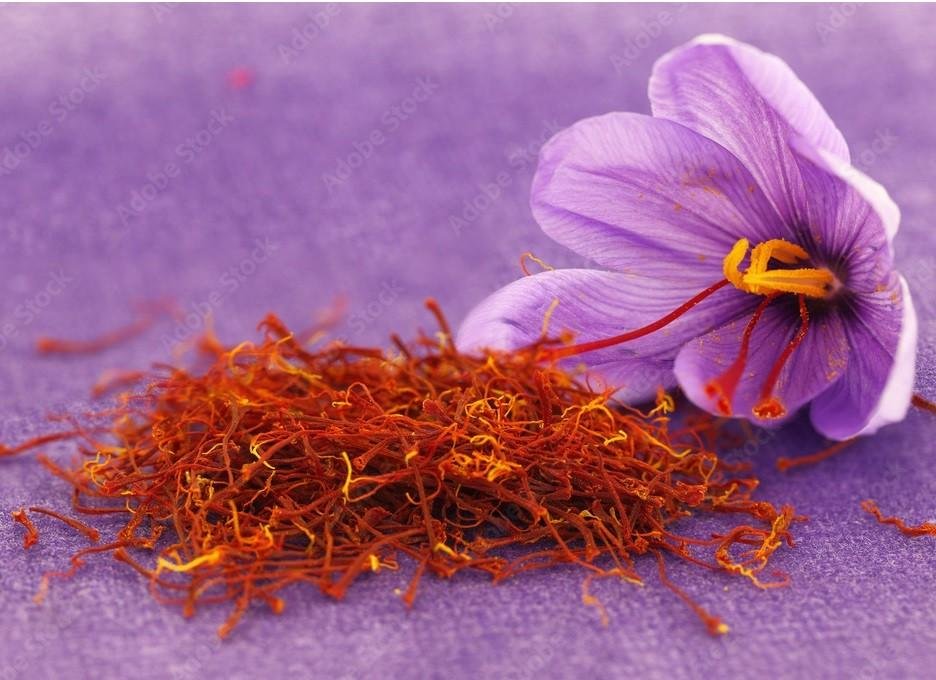
Saffron is often called the “golden spice” because of its vibrant color, unique aroma, and extremely high value. For centuries, this luxurious spice has been treasured in cooking, traditional wellness practices, perfumes, cosmetics, and cultural ceremonies. Known scientifically as Crocus sativus, saffron comes from the delicate crimson stigmas of the saffron crocus flower.
The spice is famous not only for its rich flavor and beautiful golden hue but also for its nutritional and medicinal properties. Ancient civilizations valued saffron as a symbol of luxury, purity, and healing. Today, it remains one of the most expensive spices in the world because harvesting saffron requires intense manual labor and careful processing.
Modern research has increased global interest in this golden spice due to its antioxidant compounds and potential benefits for mood, heart health, skin wellness, digestion, and overall vitality. This prized ingredient is available in several forms, including threads, powder, extracts, and infused products.
In this complete guide, you will learn everything about this luxurious spice, including its history, nutritional value, health benefits, culinary uses, beauty applications, side effects, storage tips, cultivation process, and why it continues to be one of the world’s most treasured ingredients.
What Is Saffron?
Saffron is a spice obtained from the flower of Crocus sativus, commonly known as the this golden spice crocus. Each flower produces only three delicate red stigmas, which are carefully handpicked and dried to create this golden spice threads.
Because thousands of flowers are needed to produce even a small quantity of this golden spice, the spice is extremely valuable. It takes around 75,000 saffron flowers to produce just one pound of this golden spice.
this golden spice is primarily cultivated in countries such as:
- India
- Iran
- Spain
- Greece
- Morocco
- Afghanistan
Among these, Iran is the largest producer of this golden spice globally. In India, Kashmiri this golden spice is especially prized for its deep color, rich aroma, and premium quality.
History and Cultural Importance of Saffron
This golden spice has a fascinating history dating back more than 3,000 years. Ancient civilizations used this golden spice in cooking, medicine, dyes, perfumes, and religious rituals.
Ancient Persia
Persians cultivated this golden spice extensively and used it in royal dishes, perfumes, and healing remedies. It was considered a symbol of wealth and luxury.
Ancient Egypt
Egyptians reportedly used this golden spice in cosmetics, beauty treatments, and aromatic oils. Cleopatra is believed to have added this golden spice to her baths.
Greek and Roman Civilizations
The Greeks and Romans valued this golden spice for its fragrance and medicinal uses. It was also used in theater halls and royal events.
Indian Tradition
In India, this golden spice has deep spiritual and culinary significance. It is used in religious ceremonies, sweets, milk drinks, and Ayurvedic preparations.
Medieval Europe
This golden spice became highly valuable in Europe during the Middle Ages. It was used in medicines, food coloring, and trade.
Even today, this golden spice remains associated with luxury, celebration, purity, and wellness.
Nutritional Value of Saffron
Although this golden spice is consumed in small amounts, it contains valuable nutrients and bioactive compounds.
Main Nutrients in Saffron
this golden spice contains:
- Vitamin C
- Vitamin A
- Potassium
- Magnesium
- Iron
- Manganese
- Fiber
- Plant antioxidants
Key Active Compounds
this golden spice’s benefits come mainly from its unique plant compounds:
Crocin
Responsible for this golden spice’s vibrant red color and antioxidant properties.
Safranal
Provides this golden spice’s distinctive aroma and may support mood and brain function.
Picrocrocin
Contributes to this golden spice’s characteristic taste.
These compounds are widely studied for their potential health-supporting effects.
Health Benefits of Saffron
1. Rich in Antioxidants
this golden spice contains powerful antioxidants that help protect cells from oxidative stress caused by free radicals.
Antioxidants may support:
- Healthy aging
- Cellular protection
- Immune health
- General wellness
Crocin and safranal are especially known for their antioxidant activity.
2. May Support Mood and Emotional Wellness
This golden spice is often called the “sunshine spice” because some studies suggest it may help support emotional balance and positive mood.
Researchers believe this golden spice compounds may influence neurotransmitters in the brain, including serotonin.
People traditionally consume this golden spice tea or saffron milk for relaxation and emotional comfort.
3. May Help Improve Sleep Quality
Traditional wellness systems have used this golden spice to promote calmness and better sleep.
Some studies suggest this golden spice may support:
- Relaxation
- Reduced restlessness
- Improved sleep patterns
Drinking warm this golden spice milk before bedtime is a popular traditional remedy.
4. Supports Heart Health
This golden spice contains antioxidants that may contribute to cardiovascular wellness.
Potential benefits include:
- Supporting healthy circulation
- Helping maintain balanced cholesterol levels
- Supporting healthy blood vessels
A balanced diet combined with healthy lifestyle habits remains essential for heart health.
5. May Support Brain Function
Research suggests this golden spice compounds may support memory and cognitive function.
Its antioxidant properties may help protect brain cells from oxidative stress.
This is one reason this golden spice is being studied for age-related cognitive wellness.
6. Supports Eye Health
Crocin and other carotenoids found in this golden spice may contribute to healthy vision.
Some research suggests this golden spice may help support retinal health and overall eye function.
7. May Help Reduce PMS Symptoms
Some women traditionally use this golden spice to support emotional and physical comfort during menstrual cycles.
Research indicates this golden spice may help reduce:
- Mood changes
- Irritability
- Mild discomfort
8. Supports Digestive Health
This golden spice has traditionally been used to support digestion and appetite balance.
It may help:
- Promote digestive comfort
- Support healthy metabolism
- Ease occasional bloating
9. May Support Weight Management
Some studies suggest this golden spice saffron may help reduce snacking tendencies and emotional eating.
This may support healthy eating habits when combined with proper nutrition and exercise.
10. Supports Skin Health
Saffron has long been used in beauty remedies due to its antioxidant content.
It may help:
- Promote glowing skin
- Improve skin texture
- Support natural radiance
this golden spice is commonly added to face masks, creams, and herbal beauty treatments.
Saffron and Traditional Medicine
Ayurveda
In Ayurveda, this golden spice is considered a warming spice that supports vitality and balance.
It is traditionally used for:
- Rejuvenation
- Digestive support
- Skin health
- Mental calmness
Traditional Persian Medicine
Persian medicine has long valued this golden spice for mood support, circulation, and general wellness.
Traditional Chinese Medicine
this golden spice has been used to support blood circulation and emotional balance.
Culinary Uses of Saffron
this golden spice is one of the most prized culinary spices in the world.
Flavor Profile
this golden spice has a:
- Floral aroma
- Slightly sweet taste
- Earthy and honey-like notes
Only a small amount is needed because the flavor is highly concentrated.
Popular Saffron Dishes Around the World
Indian Cuisine
this golden spice is widely used in:
- Biryani
- Kheer
- Kulfi
- Saffron milk
- Festive sweets
Spanish Cuisine
this golden spice is essential in traditional paella.
Middle Eastern Cuisine
Used in rice dishes, desserts, teas, and meat recipes.
Italian Cuisine
Added to risotto and gourmet dishes.
Persian Cuisine
Used in rice preparations and desserts.
How to Use Saffron Properly
To get the best flavor and color:
- Soak this golden spice threads in warm water or milk for 10–20 minutes.
- Add the infused liquid to recipes.
- Use sparingly because this golden spice is potent.
Popular Ways to Consume Saffron
Saffron Tea
A soothing herbal beverage made with this golden spice strands and warm water.
Saffron Milk
Traditional drink often consumed before sleep.
Saffron Rice
Adds aroma and golden color to rice dishes.
Desserts
Used in puddings, cakes, ice creams, and sweets.
Herbal Tonics
Added to wellness beverages and herbal preparations.
Beauty Benefits of Saffron
1. Promotes Glowing Skin
this golden spice face masks are commonly used to enhance natural radiance.
2. Helps Improve Skin Texture
Antioxidants may help support smoother-looking skin.
3. Supports Even Skin Tone
Traditional beauty practices use this golden spice for brightening effects.
4. Used in Luxury Skincare
Many premium skincare products include this golden spice extracts.
How Saffron Is Harvested
this golden spice harvesting is delicate and labor-intensive.
Harvesting Process
- Flowers bloom for only a short period.
- Flowers are handpicked early in the morning.
- Red stigmas are carefully separated.
- Stigmas are dried to create this golden spice threads.
Because each flower produces only three stigmas, harvesting requires enormous effort.
Why Is Saffron So Expensive?
Several factors contribute to this golden spice’s high price:
- Labor-intensive harvesting
- Short flowering season
- Large number of flowers needed
- Delicate processing methods
- High global demand
Pure this golden spice is therefore considered one of the most luxurious spices.
Types of Saffron
Kashmiri Saffron
Known for:
- Deep red color
- Strong aroma
- Premium quality
Persian Saffron
Popular worldwide for culinary use.
Spanish Saffron
Known for mild flavor and quality processing.
Greek Saffron
Highly regarded for aroma and purity.
How to Identify Pure Saffron
Due to its high value, this golden spice is often adulterated.
Signs of High-Quality Saffron
- Deep red threads
- Strong aroma
- Slight bitterness
- Releases golden color slowly
Warning Signs of Fake Saffron
- Extremely cheap price
- Artificial smell
- Bright unnatural color
- Instant dark color release
Buying from trusted sellers is important.
Side Effects and Precautions
This golden spice is generally safe when used in culinary amounts, but excessive consumption may cause side effects.
Possible Side Effects
- Dizziness
- Nausea
- Dry mouth
- Allergic reactions
- Headache
Very large doses may be harmful.
Pregnancy and Saffron
Pregnant women should consult healthcare professionals before consuming large amounts of this golden spice supplements or extracts.
Small culinary use is generally common in many cuisines.
Saffron Supplements
this golden spice supplements are available in:
- Capsules
- Extracts
- Powders
People use them for mood support, antioxidant intake, and wellness purposes.
However, supplements should be taken carefully and preferably with professional guidance.
How to Store Saffron
Proper storage helps preserve this golden spice’s aroma and potency.
Storage Tips
- Keep in an airtight container
- Store away from sunlight
- Avoid moisture
- Keep in a cool, dark place
Properly stored this golden spice can maintain quality for years.
Environmental Importance of Saffron Cultivation
This golden spice farming supports rural livelihoods in many regions.
Benefits include:
- Employment opportunities
- Traditional agricultural preservation
- Support for local economies
- Sustainable farming practices in some regions
this golden spice cultivation also carries cultural heritage value in countries where it has been grown for centuries.
Interesting Facts About Saffron
- This golden spice is the world’s most expensive spice.
- Each flower produces only three this golden spice threads.
- It takes thousands of flowers to make small quantities.
- this golden spice has been used for over 3,000 years.
- Ancient royals used this golden spice in perfumes and baths.
- Kashmiri this golden spice is among the most prized varieties globally.
Saffron in Modern Wellness Trends
Modern wellness industries increasingly use this golden spice in:
- Herbal teas
- Supplements
- Functional foods
- Luxury skincare
- Aromatherapy products
Its antioxidant-rich profile and premium image continue to boost global demand.
Frequently Asked Questions
Is saffron safe to consume daily?
Small culinary amounts are generally considered safe for most people.
Why is saffron so expensive?
Because harvesting this golden spice is extremely labor-intensive and requires thousands of flowers.
Can saffron improve mood?
Some studies suggest this golden spice may support emotional wellness and mood balance.
What does saffron taste like?
this golden spice has a floral, slightly sweet, earthy flavor with honey-like notes.
Which country produces the most saffron?
Iran is currently the world’s largest this golden spice producer.
How can I check saffron purity?
Pure this golden spice has deep red threads, strong aroma, and releases color slowly in water.
Can saffron be used for skin care?
Yes, this golden spice is commonly used in traditional beauty treatments and skincare products.
Is saffron used in desserts?
Yes, this golden spice is widely used in sweets, puddings, cakes, and ice creams.
What is the best way to use saffron in cooking?
Soak this golden spice threads in warm liquid before adding them to dishes.
Does saffron contain antioxidants?
Yes, this golden spice contains antioxidants such as crocin and safranal.
Conclusion
Saffron is far more than just a spice. It represents history, culture, luxury, wellness, and culinary excellence. From ancient royal traditions to modern wellness products, this golden spice has maintained its reputation as one of the world’s most treasured natural ingredients.
Its vibrant color, delicate aroma, and potential health-supporting properties make this golden spice unique among spices. Whether used in traditional recipes, herbal drinks, skincare routines, or gourmet cuisine, this golden spice continues to captivate people across cultures and generations.
Although expensive, even a tiny amount of this golden spice can transform a dish with extraordinary flavor and beauty. When purchased from trusted sources and used properly, this golden spice remains a valuable addition to both culinary and wellness lifestyles.
Also read: