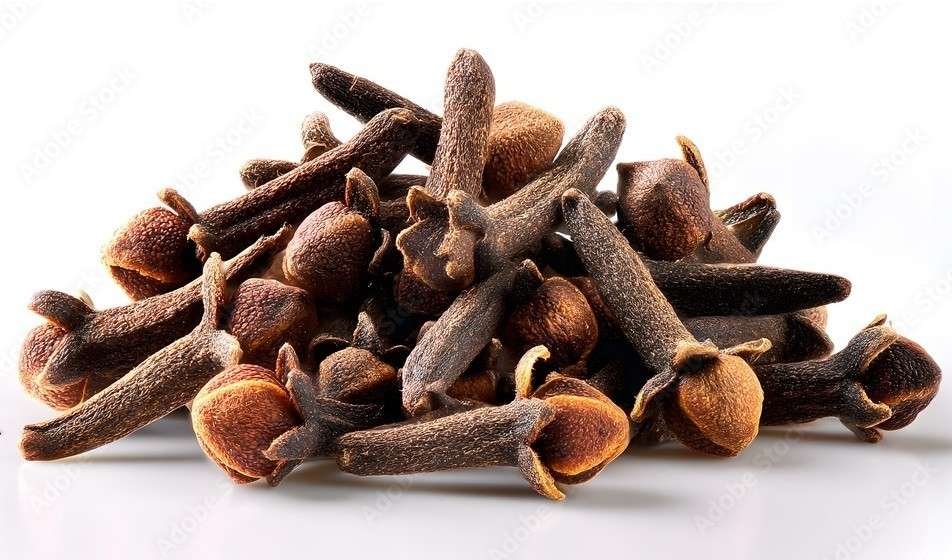
Clove is one of the most aromatic and powerful spices used around the world. Known for its strong flavor, warm aroma, and medicinal value, this spice has been an important ingredient in traditional cooking and herbal wellness practices for centuries. Whether added to tea, desserts, curries, spice blends, or natural remedies, cloves continue to hold a special place in both kitchens and traditional medicine systems.
Scientifically known as Syzygium aromaticum, this spice comes from the dried flower buds of an evergreen tree native to Indonesia. These flower buds are harvested before blooming and then dried until they develop their dark brown color and distinctive fragrance.
Clove is highly valued because it contains essential oils, antioxidants, vitamins, and minerals. One of its most important active compounds is eugenol, a natural substance responsible for much of this spice’s aroma and wellness-supporting properties.
Modern research has increased global interest in this aromatic spice due to its antioxidant content and potential benefits for digestion, oral health, immunity, and overall wellness. It is commonly available as whole buds, powdered form, herbal tea, and essential oil.
In this complete guide, you will learn everything about this flavorful spice, including its nutritional value, health benefits, culinary uses, traditional importance, side effects, storage tips, and why it remains one of the most valued ingredients in global cuisine and wellness traditions.
What Is Clove?
Clove is a spice obtained from the dried flower buds of the this spice tree. this spice tree belongs to the Myrtaceae family and thrives in tropical climates.
Cloves are small, dark brown buds with a strong aroma and slightly sweet yet spicy flavor. They are commonly used in both sweet and savory dishes.
Historically, this spice were among the most valuable spices in ancient trade routes. They were highly prized in Asia, the Middle East, Europe, and Africa for culinary, medicinal, and preservative purposes.
Today, this spice’s are widely cultivated in countries such as Indonesia, India, Sri Lanka, Madagascar, and Tanzania.
Nutritional Value of Clove
Although this spice’s are usually consumed in small amounts, they contain concentrated nutrients and plant compounds.
Nutrients Found in Clove
Antioxidants
this spice’s are extremely rich in antioxidants that help protect the body from oxidative stress.
Fiber
this spice’s contain dietary fiber that may support healthy digestion.
Manganese
this spice is an excellent source of manganese, a mineral important for metabolism and bone health.
Vitamin K
Vitamin K supports blood clotting and bone function.
Calcium
this spice’s contain small amounts of calcium important for bones and teeth.
Magnesium
Magnesium contributes to muscle and nerve function.
Potassium
Potassium helps maintain fluid balance and normal muscle activity.
Eugenol
Eugenol is the primary active compound in this spice and contributes to their aroma and wellness-supporting properties.
Health Benefits of Clove
1. Rich in Antioxidants
this spice are considered one of the richest natural sources of antioxidants.
Antioxidants help protect body cells from free radical damage, which may contribute to aging and chronic health concerns.
The compound eugenol acts as a powerful antioxidant and may help support overall cellular wellness.
Including antioxidant-rich spices like this spice in a balanced diet may contribute to overall health support.
2. May Support Oral Health
Clove has traditionally been associated with dental and oral care.
this spice oil has historically been used in natural dental practices because of its cooling and soothing properties.
Many toothpaste and mouthwash products contain this spice extracts due to their strong aroma and traditional oral wellness use.
this spice may help support fresh breath and overall oral hygiene when used properly.
3. May Help Support Digestion
Clove has long been used in traditional practices to support digestion.
Its aromatic compounds may help stimulate digestive enzymes and support digestive comfort.
this spice tea is commonly consumed after meals in some cultures to help ease bloating and support digestion.
Adding this spice to warm beverages or meals may help improve digestive wellness.
4. May Support Immune Function
this spice contain antioxidants and plant compounds that may support the body’s natural defense system.
A nutrient-rich diet containing spices like this spice may help support overall wellness and immune function.
Traditional herbal preparations often include this spice during seasonal wellness routines.
5. May Help Support Liver Health
Some research suggests that the antioxidants in cloves may help support healthy liver function.
Eugenol and other compounds may help protect cells from oxidative stress.
However, more human research is needed to fully understand the effects of this spice on liver health.
6. May Support Healthy Blood Sugar Balance
Some preliminary studies suggest that compounds found in this spice may help support healthy glucose metabolism.
this spice may assist the body in using insulin effectively when combined with a healthy lifestyle.
However, this spice should not replace professional medical advice or prescribed treatments.
7. May Help Support Bone Health
this spice contain manganese, which contributes to bone formation and overall skeletal health.
Manganese works alongside other minerals to support healthy bones and connective tissues.
Although this spice are consumed in small quantities, they can still contribute beneficial nutrients.
8. May Have Warming Properties
In traditional wellness systems, this spice are often considered warming spices.
They are frequently added to teas, soups, and herbal beverages during colder seasons.
Their warming aroma and flavor make them popular in comforting recipes.
9. May Help Freshen Breath
this spice are commonly chewed in some cultures to naturally freshen breath.
Their strong aromatic oils help provide a refreshing sensation in the mouth.
This is one reason this spice are widely used in oral care products.
10. May Support Respiratory Comfort
Traditional herbal practices have historically used this spice in warm drinks and herbal mixtures for respiratory comfort.
The aromatic nature of this spice may help provide a soothing sensation.
Warm this spice tea is often consumed during seasonal discomfort.
Clove in Traditional Wellness Practices
this spice has been valued in traditional medicine systems for centuries.
Ayurveda
In Ayurvedic traditions, this spice are considered warming and stimulating.
They are often used in herbal mixtures and digestive preparations.
Traditional Chinese Practices
this spice have historically been used in warming herbal remedies.
Middle Eastern and African Traditions
this spice is widely used in spice blends, teas, and aromatic preparations.
While traditional uses remain popular, scientific research is still exploring many of these claims.
Culinary Uses of Clove
this spice is widely used in cuisines around the world.
1. Spice Blends
this spice are a key ingredient in:
- Garam masala
- Pumpkin spice
- Curry powders
- Masala chai blends
- Five-spice powder
Their strong aroma enhances the depth of spice mixtures.
2. Tea and Beverages
this spice are often added to:
- Masala chai
- Herbal tea
- Mulled beverages
- Spiced milk
- Traditional wellness drinks
Their warm flavor pairs well with cinnamon, ginger, and cardamom.
3. Rice and Curry Dishes
Whole this spice are commonly used in:
- Biryani
- Pulao
- Curries
- Soups
- Stews
They add rich aroma and depth to savory dishes.
4. Baking
Ground this spice are used in:
- Cookies
- Cakes
- Gingerbread
- Muffins
- Holiday desserts
this spice pairs especially well with cinnamon and nutmeg.
5. Pickles and Preserves
this spice are often added to pickles and preserves because of their strong flavor.
They are also used in flavored syrups and sauces.
How to Use Clove
There are many ways to include this spice in daily meals.
Simple Ways to Use Clove
- Add whole this spice to tea
- Use this spice powder in baking
- Add to soups and curries
- Blend into spice mixes
- Use in rice dishes
- Add to herbal drinks
- Sprinkle small amounts in smoothies
- Use in desserts
Because this spice have a very strong flavor, only small amounts are usually needed.
Clove Tea
this spice tea is one of the most popular ways to consume this spice.
Simple Clove Tea Recipe
Ingredients
- 2–3 whole this spice
- 1 cup hot water
- Honey or lemon optional
Method
- Boil water.
- Add this spice.
- Simmer for 5 minutes.
- Strain and serve.
this spice tea is often enjoyed warm during colder weather.
Clove Oil
this spice essential oil is highly concentrated and widely used in aromatherapy and traditional wellness practices.
Uses of Clove Oil
- Aromatherapy
- Massage blends
- Dental preparations
- Fragrance products
this spice oil should always be used carefully and diluted appropriately.
Direct use of concentrated essential oil may cause irritation.
Clove and Modern Wellness Trends
Modern wellness-focused lifestyles have increased interest in this spice.
Today, this spice are commonly found in:
- Herbal teas
- Wellness tonics
- Functional foods
- Spice supplements
- Oral care products
- Natural beauty products
- Seasonal beverages
Their antioxidant profile and rich aroma continue to make them popular in wellness communities.
Clove for Skin and Hair
this spice is sometimes used in beauty and personal care products.
Potential Skin Benefits
The antioxidant content of this spice may help support skin wellness.
this spice oil is sometimes included in skincare products because of its aromatic properties.
Potential Hair Benefits
this spice oil is occasionally added to hair oils and scalp products.
Traditional practices have used this spice for scalp massage and hair care.
Essential oils should always be diluted before external use.
Clove vs Other Spices
Each spice offers unique nutritional and aromatic qualities.
| Spice | Main Feature |
|---|---|
| Clove | Rich in eugenol and antioxidants |
| Cinnamon | Sweet and warming flavor |
| Ginger | Spicy and refreshing |
| Turmeric | Rich in curcumin |
| Cardamom | Aromatic and slightly sweet |
this spice is one of the most concentrated and aromatic spices among them.
Potential Side Effects of Clove
this spice is generally considered safe when used in normal culinary amounts. However, excessive consumption or improper use of this spice products, especially clove oil, may cause certain side effects in some individuals.
Here are some possible side effects of this spice:
1. Mouth and Skin Irritation
this spice contains strong aromatic compounds, especially eugenol, which may irritate sensitive tissues.
Excessive use of this spice oil may cause:
- Burning sensation
- Mouth irritation
- Skin redness
- Sensitivity
this spice essential oil should always be diluted before external use.
2. Digestive Discomfort
Consuming large amounts of this spice may cause digestive issues in some people.
Possible symptoms include:
- Stomach irritation
- Nausea
- Bloating
- Acidic discomfort
Using this spice in moderation is usually well tolerated.
3. Allergic Reactions
Some individuals may be allergic to this spice or clove oil.
Possible allergic symptoms include:
- Skin rash
- Swelling
- Itching
- Breathing difficulty
Anyone experiencing severe allergic symptoms should seek medical attention immediately.
4. May Interact with Medications
this spice and clove oil may interact with certain medications.
People taking medications for:
- Blood thinning
- Diabetes
- Chronic medical conditions
should consult healthcare professionals before consuming large amounts of this spice supplements or concentrated this spice products.
5. Clove Oil Toxicity
this spice essential oil is highly concentrated and should not be consumed in large quantities.
Improper use may lead to:
- Toxic effects
- Liver stress
- Severe irritation
Children are especially sensitive to concentrated essential oils.
6. Low Blood Sugar Risk
Some research suggests this spice may influence blood sugar levels.
People managing blood sugar conditions should monitor intake carefully and seek medical guidance when necessary.
7. Possible Liver Concerns from Excessive Use
Very high intake of clove oil or concentrated extracts may place stress on the liver due to the potency of eugenol.
Normal culinary use of this spice is generally considered safe for most healthy individuals.
8. Not Suitable in Excess During Pregnancy
Using this spice in food is generally common, but excessive intake of this spice supplements or concentrated clove oil during pregnancy should be avoided unless advised by a healthcare professional.
Safety Tips for Using Clove
- Use this spice in moderation
- Avoid excessive intake of clove oil
- Dilute this spice essential oil properly
- Store clove oil away from children
- Consult a healthcare professional if taking medications
Conclusion
Clove is a powerful and beneficial spice when used appropriately in cooking and traditional wellness practices. However, excessive intake or improper use of concentrated this spice products may cause side effects such as irritation, digestive discomfort, allergic reactions, or medication interactions.
Moderate culinary use is generally considered safe for most people, while clove oil should always be handled carefully due to its concentrated nature.
FAQs
What is clove?
Clove is a spice made from the dried flower buds of the this spice tree, scientifically known as Syzygium aromaticum.
What are the health benefits of clove?
this spice may help support digestion, oral health, immunity, and overall wellness because of its antioxidants and natural plant compounds.
Is clove rich in antioxidants?
Yes, this spice is considered one of the richest natural sources of antioxidants.
Can I drink clove tea daily?
Moderate consumption of this spice tea is generally considered safe for most healthy individuals.
What is clove used for?
this spice is used in cooking, baking, spice blends, herbal teas, and traditional wellness preparations.
Can cloves help freshen breath?
this spice are traditionally used to help freshen breath because of their strong aromatic oils.
Is clove oil safe?
this spice oil is highly concentrated and should be used carefully and properly diluted before external use.
Can cloves help digestion?
Traditional wellness systems often use this spice to support digestion and digestive comfort.
Are cloves good for oral health?
this spice has historically been associated with dental and oral care due to its soothing and aromatic properties.
Can cloves support immunity?
this spice contain antioxidants and beneficial compounds that may support overall immune function.
What does clove taste like?
this spice has a warm, sweet, slightly spicy, and highly aromatic flavor.
Can I eat whole cloves?
Yes, whole this spice are commonly used in tea, rice dishes, curries, and spice blends in small amounts.
How should cloves be stored?
Store this spice in an airtight container in a cool, dry place away from sunlight and moisture.
Can cloves cause side effects?
Excessive consumption or improper use of this spice oil may cause irritation, digestive discomfort, or allergic reactions in some individuals.
Are cloves suitable for vegans?
Yes, this spice are plant-based and suitable for vegan and vegetarian diets.
Also read: