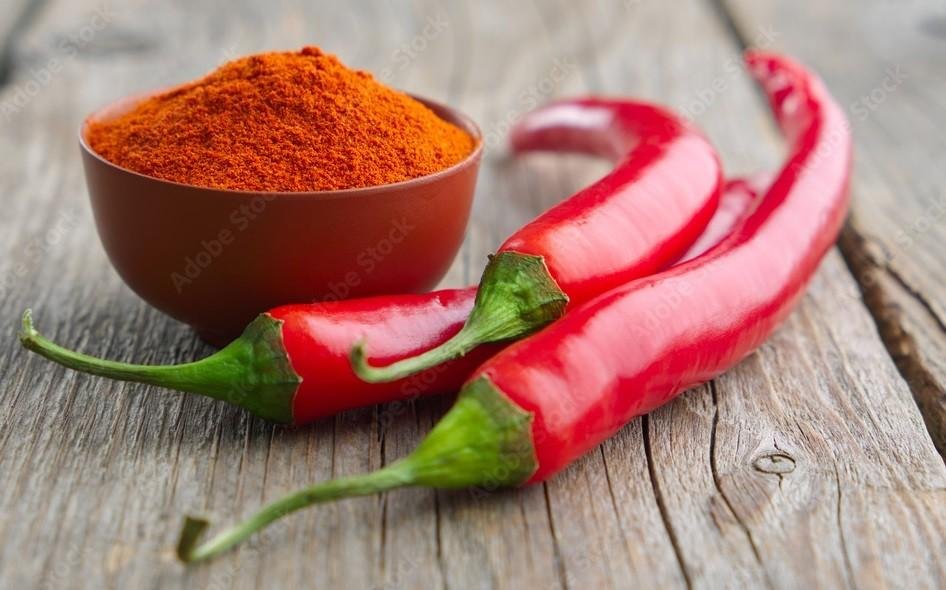
Cayenne pepper is one of the most popular and powerful spices used around the world. Known for its fiery heat, vibrant red color, and bold flavor, cayenne pepper has been valued for centuries in cooking, traditional wellness practices, and natural remedies. From spicy curries and soups to sauces and herbal preparations, this pepper has become an essential ingredient in many cuisines.
Scientifically, cayenne pepper belongs to the Capsicum annuum species, a group of chili peppers cultivated in warm climates across the globe. The spice is usually made by drying and grinding red chili peppers into a fine powder. The heat of this chili spice comes from a natural compound called capsaicin, which is responsible for its pungent taste and many of its wellness-related properties.
Historically, this chili spice originated in Central and South America, where indigenous communities used it for both culinary and medicinal purposes. After global trade expanded, the spice spread throughout Europe, Asia, and Africa, eventually becoming a staple ingredient in countless regional dishes.
Today, this chili spice is appreciated not only for adding heat to meals but also for its nutritional value. It contains vitamins, minerals, antioxidants, and plant compounds that may support metabolism, circulation, digestion, and overall wellness when consumed in moderation.
In this complete guide, you will learn everything about this fiery chili spice, including its nutritional value, health benefits, culinary uses, traditional importance, side effects, storage methods, cultivation process, and why it remains one of the world’s most widely used seasonings.
What Is Cayenne Pepper?
Cayenne pepper is a moderately hot chili pepper commonly used in powdered form as a seasoning and spice. It is typically long, thin, and bright red when fully mature. The peppers are harvested, dried, and ground into powder to create the familiar spice found in kitchens worldwide.
The heat level of cayenne pepper usually ranges between 30,000 and 50,000 Scoville Heat Units (SHU), making it much hotter than jalapeños but milder than some extremely hot chili varieties.
The spice is named after the city of Cayenne in French Guiana, although it is now cultivated in many countries including India, China, Mexico, the United States, and parts of Africa.
Cayenne pepper is available in several forms including:
- Fresh cayenne peppers
- Dried whole peppers
- Cayenne pepper powder
- Crushed pepper flakes
- Cayenne capsules
- Cayenne extracts
- Hot sauces
Because of its versatility, cayenne pepper is used in culinary traditions ranging from Mexican and Indian cuisines to Thai, Korean, Cajun, and Caribbean dishes.
Nutritional Value of Cayenne Pepper
Cayenne pepper contains a variety of nutrients despite being consumed in relatively small amounts. It is especially rich in vitamin A and also provides vitamin C, vitamin E, antioxidants, and minerals.
Nutrients Found in Cayenne Pepper
1. Capsaicin
Capsaicin is the active compound responsible for the spicy heat of cayenne pepper. It is widely studied for its potential role in metabolism, pain relief, and circulation.
2. Vitamin A
Cayenne pepper contains beta-carotene and other carotenoids that the body converts into vitamin A, an important nutrient for eye health, skin maintenance, and immune function.
3. Vitamin C
Vitamin C acts as an antioxidant and supports immune health, collagen production, and cellular protection.
4. Vitamin E
Vitamin E contributes to skin health and helps protect cells from oxidative stress.
5. Potassium
Potassium supports muscle function, hydration balance, and normal nerve activity.
6. Antioxidants
Cayenne pepper contains antioxidants such as carotenoids and flavonoids that help protect the body from free radical damage.
7. Fiber
Small amounts of dietary fiber in cayenne pepper may support digestion and gut health.
Health Benefits of Cayenne Pepper
Cayenne pepper has long been used in traditional wellness systems. Modern research continues to explore its possible benefits for metabolism, circulation, digestion, and overall health.
1. May Support Metabolism
Capsaicin is often associated with thermogenesis, a process in which the body generates heat and burns energy. Some studies suggest that spicy foods containing capsaicin may temporarily increase calorie burning and fat oxidation.
While cayenne pepper alone is not a magic solution for weight loss, it may support an active lifestyle and balanced diet.
2. May Help Appetite Control
Spicy foods can increase feelings of fullness for some individuals. Cayenne pepper may help reduce appetite temporarily, which could support mindful eating habits.
3. Supports Digestion
In moderate amounts, cayenne pepper may stimulate digestive secretions and support the digestive process. It is commonly used in spicy cuisines that encourage appetite and flavor enhancement.
Traditional practices have also used cayenne pepper in herbal digestive preparations.
4. Rich in Antioxidants
The antioxidants in cayenne pepper help combat oxidative stress caused by free radicals. Oxidative stress is linked to aging and various chronic conditions.
Carotenoids such as beta-carotene contribute to the pepper’s bright red color and antioxidant properties.
5. May Support Circulation
Cayenne pepper has traditionally been associated with healthy blood circulation. The warming sensation created by capsaicin may temporarily increase blood flow.
Many traditional herbal systems included cayenne pepper in tonics intended to support circulation and warmth.
6. May Help Maintain Healthy Skin
Vitamin A and antioxidants contribute to skin health. These nutrients support skin cell maintenance and may help protect the skin from environmental stress.
7. Supports Immune Function
The vitamin C content in cayenne pepper supports normal immune system activity and helps protect cells from oxidative damage.
8. May Help Relieve Nasal Congestion
Spicy foods can temporarily open nasal passages and encourage mucus drainage. Many people consume cayenne pepper during cold seasons for this reason.
9. May Support Heart Health
Some studies suggest that capsaicin may support cardiovascular wellness by influencing circulation and inflammation.
A balanced diet containing spices, vegetables, fruits, and whole foods contributes to overall heart health.
10. May Have Pain-Relief Properties
Capsaicin is commonly used in topical creams and patches intended for temporary relief of muscle and joint discomfort. It works by interacting with nerve receptors.
Topical capsaicin products are widely available in many countries.
Culinary Uses of Cayenne Pepper
Cayenne pepper is one of the most versatile spices in global cuisine. Its heat and color make it ideal for seasoning and flavor enhancement.
Common Culinary Uses
1. Soups and Stews
A pinch of cayenne pepper can add warmth and depth to soups, broths, and stews.
2. Curries
Indian and Southeast Asian cuisines often use cayenne pepper in curries and masala blends.
3. Sauces
Hot sauces, barbecue sauces, and marinades commonly contain cayenne pepper.
4. Meat Seasoning
It is widely used to season chicken, beef, seafood, and grilled foods.
5. Egg Dishes
Many people sprinkle cayenne pepper on scrambled eggs, omelets, and breakfast dishes.
6. Snacks
Spicy nuts, popcorn, chips, and roasted chickpeas frequently use cayenne seasoning.
7. Pickles
Cayenne pepper adds heat to pickled vegetables and fermented foods.
8. Beverages
Some wellness drinks combine cayenne pepper with lemon, ginger, and honey.
9. Spice Blends
Cajun seasoning, chili powder, taco seasoning, and spice rubs often include cayenne pepper.
10. Vegan and Vegetarian Dishes
Plant-based recipes use cayenne pepper to add bold flavor without relying on heavy sauces.
Popular Dishes That Use Cayenne Pepper
Many famous dishes around the world include this chili spice as a key ingredient.
Examples Include:
- Spicy chili
- Buffalo wings
- Cajun shrimp
- Thai curry
- Mexican salsa
- Kimchi
- Jerk chicken
- Spicy ramen
- Hot barbecue sauce
- Spiced roasted vegetables
Its versatility allows chefs and home cooks to customize heat levels according to preference.
Traditional Importance of Cayenne Pepper
This chili spice has a long history in traditional food and wellness systems.
Indigenous American Traditions
Native communities in Central and South America cultivated chili peppers for thousands of years. They used them in cooking, preservation, and herbal preparations.
Ayurvedic Practices
In Ayurveda, spicy foods are sometimes associated with stimulating digestion and increasing warmth in the body.
Traditional Chinese Practices
Certain spicy ingredients have traditionally been used to promote circulation and internal warmth.
Folk Remedies
Many cultures prepared spicy tonics, teas, and herbal mixtures using this chili spice during cold seasons.
Cayenne Pepper and Weight Management
This chili spice is frequently discussed in relation to metabolism and weight management.
How It May Help
Thermogenesis
Capsaicin may slightly increase heat production in the body.
Appetite Awareness
Some individuals feel fuller after consuming spicy meals.
Flavor Enhancement
Strong flavors can make healthy foods more enjoyable, encouraging balanced eating habits.
However, this chili spice should not be viewed as a standalone weight-loss solution. Sustainable wellness depends on balanced nutrition, exercise, sleep, and healthy habits.
Cayenne Pepper in Modern Wellness Products
The popularity of this chili spice has led to its inclusion in many products.
Common Products Include:
- Cayenne capsules
- Detox drinks
- Herbal teas
- Metabolism supplements
- Topical creams
- Pain-relief patches
- Spice extracts
- Wellness tonics
Consumers should choose reputable brands and use products according to instructions.
Side Effects of Cayenne Pepper
This chili spice offers many health and culinary benefits, but consuming excessive amounts may cause side effects in some individuals. Its active compound, capsaicin, is responsible for the pepper’s intense heat and can irritate sensitive tissues when overused.
1. Digestive Irritation
One of the most common side effects of this chili spice is digestive discomfort. Eating large quantities may lead to:
- Stomach pain
- Heartburn
- Acid reflux
- Burning sensation in the stomach
- Nausea
People with sensitive digestive systems may experience irritation more easily.
2. Mouth and Throat Burning
This chili spice can create a strong burning sensation in the mouth, tongue, and throat due to its high capsaicin content. Consuming very spicy foods may cause temporary discomfort, especially for individuals who are not used to spicy foods.
3. Skin and Eye Irritation
Direct contact with this chili spice powder or fresh peppers may irritate the skin and eyes.
Possible symptoms include:
- Redness
- Burning sensation
- Watering eyes
- Skin irritation
It is important to wash hands thoroughly after handling this chili spices and avoid touching the eyes.
4. Allergic Reactions
Although uncommon, some individuals may have allergic reactions to chili peppers.
Symptoms may include:
- Itching
- Swelling
- Skin rash
- Difficulty breathing
Anyone experiencing severe allergic symptoms should seek medical attention immediately.
5. Increased Sensitivity in Certain Conditions
People with the following conditions may need to limit spicy foods:
- Stomach ulcers
- Gastritis
- Irritable bowel syndrome (IBS)
- Acid reflux disease
- Hemorrhoids
this chili spice may worsen irritation or discomfort in these cases.
6. Interaction With Medications
Large amounts of cayenne supplements may interact with certain medications, including:
- Blood-thinning medications
- Blood pressure medications
- Diabetes medications
Individuals taking prescription medicines should consult healthcare professionals before using concentrated cayenne supplements.
7. Excessive Sweating and Heat Sensation
Capsaicin can increase body heat and sweating temporarily. Some individuals may experience:
- Facial flushing
- Sweating
- Warm sensation
- Runny nose
These effects are usually temporary.
8. Respiratory Irritation
Inhaling this chili spice powder may irritate the nose, throat, and lungs, leading to:
- Sneezing
- Coughing
- Throat irritation
This is especially common when handling powdered cayenne in large amounts.
9. Possible Discomfort From Supplements
Highly concentrated cayenne capsules or extracts may cause stronger side effects than normal culinary use. Excessive supplementation can increase the risk of digestive irritation and discomfort.
Tips to Reduce Side Effects
- Use this chili spice in moderation
- Start with small amounts if unfamiliar with spicy foods
- Drink milk or eat yogurt to reduce burning sensations
- Wear gloves when handling fresh peppers
- Avoid touching eyes after handling peppers
- Follow dosage instructions for supplements
FAQs About Cayenne Pepper
What is cayenne pepper?
this chili spice is a hot chili pepper commonly dried and ground into powder for use as a spice in cooking and wellness products.
Is cayenne pepper healthy?
Yes, this chili spice contains vitamins, antioxidants, and capsaicin, which may support metabolism, digestion, circulation, and overall wellness when consumed in moderation.
What makes cayenne pepper spicy?
The spicy heat comes from a natural compound called capsaicin.
Can cayenne pepper help with weight management?
Capsaicin may slightly increase thermogenesis and support appetite awareness, but this chili spice is not a standalone weight-loss solution.
Is cayenne pepper good for digestion?
In moderate amounts, this chili spice may stimulate digestive activity, although excessive intake can irritate sensitive stomachs.
Can cayenne pepper cause side effects?
Yes, consuming too much this chili spice may cause heartburn, stomach irritation, mouth burning, or digestive discomfort.
How hot is cayenne pepper?
this chili spice typically ranges between 30,000 and 50,000 Scoville Heat Units (SHU), making it moderately hot.
What is the difference between cayenne pepper and paprika?
this chili spice is much hotter, while paprika is usually milder and sweeter.
How should cayenne pepper be stored?
Store this chili spice in an airtight container in a cool, dry place away from sunlight and moisture.
Can cayenne pepper be used daily?
Many people consume small amounts daily in meals, but tolerance to spicy foods varies between individuals.
Conclusion
Cayenne pepper is one of the world’s most popular and versatile spices, valued for its intense heat, vibrant color, and wide range of culinary uses. For centuries, it has been an important ingredient in traditional cuisines and wellness practices across many cultures.
Rich in capsaicin, antioxidants, vitamins, and plant compounds, this chili spice may support metabolism, digestion, circulation, and overall wellness when consumed in moderation. From soups and curries to sauces, spice blends, and wellness drinks, it enhances both flavor and nutritional value in countless recipes.
Despite its benefits, moderation remains essential because excessive consumption may cause irritation or digestive discomfort in sensitive individuals. Proper storage and responsible use help maintain both quality and safety.
Whether enjoyed for its fiery taste, traditional significance, or potential health-supporting properties, this chili spice continues to hold an important place in kitchens and food cultures around the globe.
Also read:
Paprika: 10 Benefits, Nutrition, Uses, Types & Culinary Guide