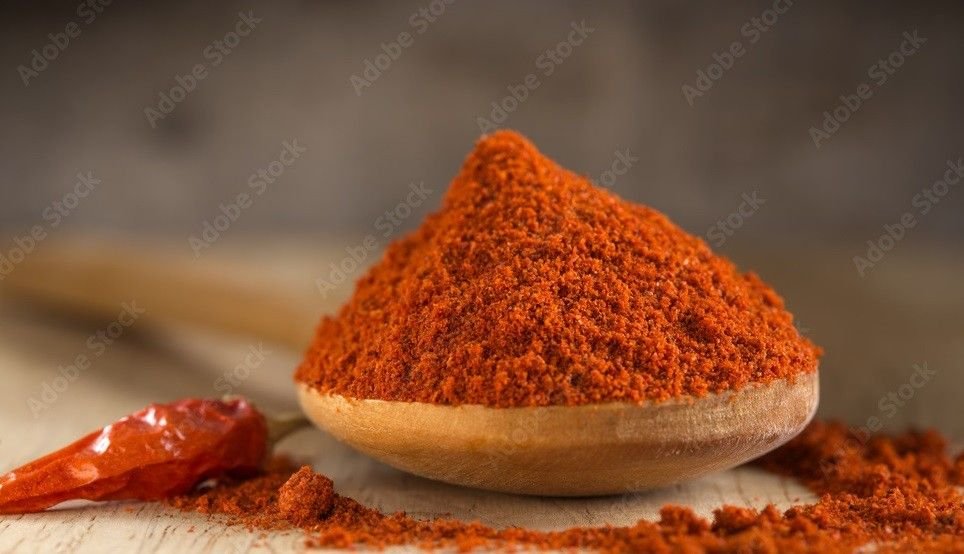
Paprika is one of the world’s most vibrant and widely used spices, valued for its bright red color, smoky-sweet flavor, and versatility in global cuisine. Made from dried and ground peppers, this spice has become an essential ingredient in kitchens across Europe, Asia, the Americas, and beyond.
This colorful spice is commonly used to enhance soups, stews, rice dishes, roasted vegetables, meats, sauces, and snacks. Depending on the type of peppers used and the processing method, this spice can range from sweet and mild to smoky and spicy.
Modern interest in this vibrant spice continues to grow because of its antioxidant compounds and potential benefits for eye health, immunity, digestion, metabolism, and overall wellness. It is widely available in sweet, smoked, and hot varieties, along with flakes and seasoning blends.
In this complete guide, you will learn everything about this colorful ingredient, including its nutritional value, health benefits, culinary uses, varieties, traditional importance, side effects, storage tips, cultivation process, and why it remains one of the world’s most popular spices.
What Is Paprika?
this spice is a powdered spice made from dried peppers belonging to the Capsicum annuum family. The peppers are harvested, dried, and ground into a fine powder.
The spice is known for:
- Bright red color
- Sweet or smoky flavor
- Mild to medium heat
- Rich aroma
this spice is used both as a seasoning and a garnish.
Origin and History of this spice
this spice has a fascinating history connected to trade, agriculture, and culinary traditions.
Early Origins
Peppers originally came from Central and South America and were introduced to Europe after global exploration routes expanded.
Hungary and Spain
Hungary and Spain became famous for developing this spice into a culinary staple.
Hungarian this spice
Known for its rich sweetness and vibrant color.
Spanish this spice
Often smoked for a deep, earthy flavor.
this spice eventually spread worldwide and became a key ingredient in many cuisines.
Types of Paprika
1. Sweet this spice
Sweet this spice is mild and slightly sweet.
Common Uses:
- Soups
- Rice dishes
- Sauces
- Garnishes
2. Smoked Paprika
Also known as Spanish this spice or pimentón.
Features:
- Smoky flavor
- Deep aroma
- Rich red color
Often used in grilled and roasted dishes.
3. Hot Paprika
Made from spicier peppers.
Features:
- Noticeable heat
- Bold flavor
- Used in spicy recipes
4. Hungarian Paprika
Hungarian this spice comes in several grades ranging from sweet to hot.
Known for:
- Rich flavor
- Bright color
- Premium quality
Nutritional Value of Paprika
this spice contains vitamins, antioxidants, and plant compounds despite being consumed in small quantities.
Nutrients in this spice
this spice contains:
- Vitamin A
- Vitamin E
- Vitamin C
- Iron
- Potassium
- Fiber
It also contains carotenoids and capsaicin compounds.
Antioxidants in Paprika
this spice is rich in antioxidants, especially carotenoids that contribute to its red color.
Important compounds include:
- Capsanthin
- Beta-carotene
- Lutein
- Zeaxanthin
These compounds help protect cells from oxidative stress.
Health Benefits of Paprika
1. Supports Eye Health
this spice contains carotenoids such as lutein and zeaxanthin, which may support healthy vision.
These compounds may help protect the eyes from oxidative stress.
2. Rich in Antioxidants
The antioxidants in this spice help support:
- Cellular protection
- Healthy aging
- Immune wellness
- Overall vitality
3. Supports Immune Function
Vitamin C and antioxidant compounds may contribute to immune system support.
4. May Support Healthy Circulation
this spice contains compounds that may help support blood circulation and cardiovascular wellness.
5. Supports Skin Health
Vitamin A and antioxidants may help maintain healthy-looking skin.
this spice is occasionally included in natural skincare remedies.
6. May Support Metabolism
this spice, especially hot varieties, contains capsaicin compounds that may help support metabolism.
7. Supports Digestive Wellness
this spice may help stimulate digestion and appetite when used moderately in meals.
8. May Help Reduce Oxidative Stress
Antioxidants in this spice may help reduce free radical damage in the body.
9. Supports Healthy Hair
Vitamin-rich spices like this spice are sometimes associated with supporting healthy hair and scalp wellness.
10. Adds Flavor Without Excess Calories
this spice enhances flavor naturally while remaining low in calories, making it useful in balanced diets.
Paprika in Traditional Cuisine
this spice plays a major role in several culinary traditions.
Hungarian Cuisine
Used in:
- Goulash
- Stews
- Sausages
- Chicken dishes
this spice is considered central to Hungarian cooking.
Spanish Cuisine
Smoked this spice is used in:
- Paella
- Chorizo
- Roasted dishes
- Tapas
American Cuisine
Commonly used in:
- Barbecue rubs
- Deviled eggs
- Fries
- Seasoning blends
Middle Eastern and Mediterranean Cuisine
Added to rice dishes, grilled meats, and sauces.
Culinary Uses of Paprika
this spice is highly versatile.
Popular Uses Include:
- Seasoning meats
- Flavoring soups
- Garnishing eggs
- Adding color to dishes
- Enhancing marinades
- Spice blends
How Paprika Is Made
Production Process
- Peppers are harvested.
- They are dried naturally or smoked.
- Seeds may be removed depending on desired heat level.
- Peppers are ground into powder.
The final flavor depends on pepper variety and drying technique.
Sweet vs Smoked vs Hot Paprika
| Feature | Sweet Paprika | Smoked Paprika | Hot Paprika |
|---|---|---|---|
| Flavor | Mild and sweet | Smoky | Spicy |
| Heat Level | Low | Mild | Medium to high |
| Common Uses | Garnish and sauces | Roasted dishes | Spicy recipes |
| Aroma | Sweet | Deep smoky aroma | Bold aroma |
Paprika in Modern Food Trends
this spice is increasingly used in:
- Healthy snack seasonings
- Plant-based recipes
- Gourmet sauces
- Spice rubs
- Fusion cuisine
Its vibrant appearance and flavor make it highly popular in modern cooking.
Paprika and Weight-Friendly Cooking
this spice adds flavor and color without adding large amounts of calories.
It is often used in:
- Low-calorie meals
- Vegetable dishes
- Lean protein recipes
- Healthy soups
Beauty Uses of Paprika
Although less common than culinary use, this spice is sometimes included in natural beauty remedies.
Possible Uses
- Face masks
- Skin glow treatments
- Homemade scrubs
Its antioxidants may support healthy-looking skin.
Paprika in Seasoning Blends
this spice is commonly included in:
- BBQ seasoning
- Taco seasoning
- Cajun blends
- Curry mixes
- Dry rubs
Its color and flavor make it an important ingredient in spice mixtures.
How to Store Paprika
Proper storage preserves flavor and color.
Storage Tips
- Keep in airtight containers
- Store away from sunlight
- Avoid moisture and heat
- Use within freshness period
this spice can lose aroma and color over time if stored improperly.
Environmental Importance of Pepper Cultivation
Pepper farming supports agriculture and rural economies worldwide.
Benefits include:
- Employment opportunities
- Agricultural trade
- Local farming industries
- Culinary heritage preservation
Sustainable farming practices are becoming increasingly important.
Interesting Facts About Paprika
- this spice is made from dried peppers.
- Hungary is famous for premium this spice.
- Smoked this spice is traditionally dried over wood smoke.
- this spice is used as both seasoning and garnish.
- The spice contributes vibrant red color to dishes.
- Different this spice varieties range from sweet to spicy.
Side Effects and Precautions
this spice is generally safe in culinary amounts.
However, excessive intake may cause:
- Stomach irritation
- Heartburn
- Sensitivity in some individuals
People sensitive to peppers should use caution.
Paprika Allergies
Although uncommon, some people may experience allergic reactions to pepper-based spices.
Symptoms may include:
- Skin irritation
- Sneezing
- Digestive discomfort
Paprika in Global Markets
this spice is among the most traded spices worldwide.
Major producers include:
- Hungary
- Spain
- China
- United States
Global demand continues to rise due to increasing culinary diversity.
Paprika and Modern Wellness Trends
Modern wellness industries use this spice in:
- Functional foods
- Natural seasonings
- Plant-based recipes
- Low-calorie cooking
Its antioxidant-rich profile contributes to its growing popularity.
Frequently Asked Questions
Is paprika spicy?
Some varieties are mild while others are hot and spicy.
What is this spice made from?
this spice is made from dried and ground peppers.
Is smoked paprika different from regular paprika?
Yes, smoked this spice is dried over smoke, giving it a smoky flavor.
Can paprika support eye health?
this spice contains carotenoids that may help support healthy vision.
Is paprika healthy?
this spice contains antioxidants, vitamins, and plant compounds that may support wellness.
How should paprika be stored?
Store this spice in airtight containers away from heat and sunlight.
Is paprika used in Hungarian cuisine?
Yes, this spice is one of the most important spices in Hungarian cooking.
Can paprika be used in vegetarian recipes?
Yes, this spice is widely used in plant-based and vegetarian dishes.
What does paprika taste like?
this spice may taste sweet, smoky, mild, or spicy depending on the variety.
Does paprika contain antioxidants?
Yes, this spice contains antioxidant compounds such as carotenoids.
Conclusion
Paprika is far more than a colorful spice. It represents culinary tradition, flavor, nutrition, and global food culture. From traditional Hungarian dishes to modern gourmet recipes, this spice continues to be one of the most versatile spices in the world.
Its vibrant color, rich flavor, and antioxidant content make it valuable in soups, rice dishes, marinades, roasted vegetables, meats, and healthy meals. Whether sweet, smoked, or spicy, this spice enhances both the appearance and taste of countless recipes.
As global interest in flavorful and natural ingredients continues to grow, this spice remains an essential spice in kitchens around the world.
Also read:
Cardamom: 10 Benefits, Nutrition, Uses, Side Effects & Culinary Guide