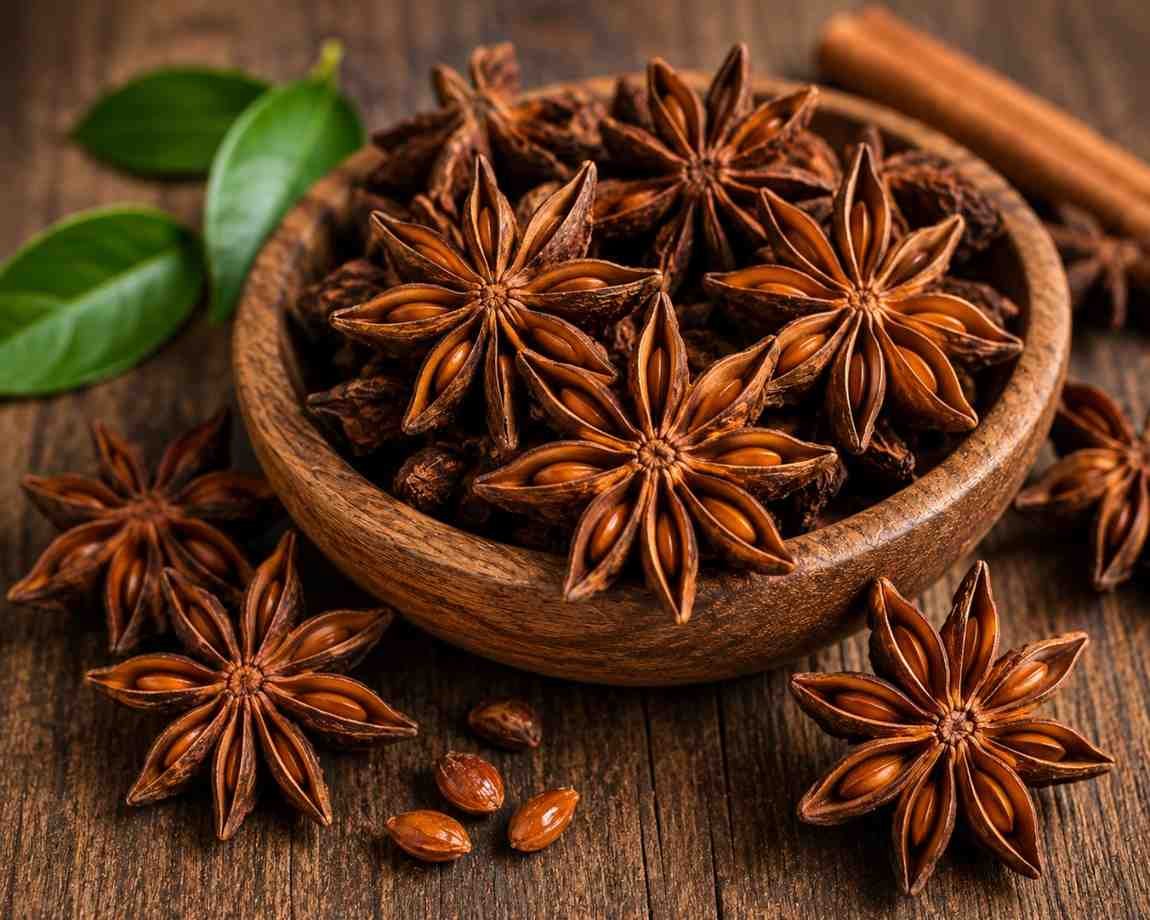
Star anise is one of the world’s most visually distinctive and aromatic spices, recognized for its star-shaped appearance and sweet licorice-like flavor. Widely used in Asian, Middle Eastern, and global cuisine, this spice has become popular not only for its culinary value but also for its traditional importance and rich fragrance.
Scientifically known as Illicium verum, this spice comes from the fruit of an evergreen tree native to parts of China and Vietnam. The spice consists of star-shaped pods that usually contain glossy brown seeds. Both the pods and seeds are valued for their aroma and flavor.
For centuries, this spice has been used in traditional cooking, herbal preparations, and spice blends. It became especially important in Chinese cuisine and traditional wellness systems because of its warming qualities and distinctive taste.
Modern interest in this spice continues to grow because it contains antioxidants, aromatic compounds, essential oils, and natural plant substances that may support digestion, immunity, and overall wellness when consumed in moderation.
Today, this spice is available in many forms including whole pods, ground powder, star anise oil, herbal teas, spice blends, syrups, and flavored beverages. It is commonly used in soups, curries, desserts, baked goods, teas, spice mixes, sauces, and traditional recipes around the world.
In this complete guide, you will learn everything about this spice, including its nutritional value, health benefits, culinary uses, traditional importance, side effects, storage methods, cultivation process, and why it remains one of the world’s most valued spices.
What Is Star Anise?
Star anise is a spice made from the dried fruit of the Illicium verum tree. The fruit forms a star-like structure with multiple pointed sections, each containing a seed.
The spice has a naturally sweet, warm, and licorice-like flavor similar to anise seed and fennel. Its aroma comes from a compound called anethole, which contributes to its signature fragrance.
this spice is widely used in both sweet and savory dishes and is an important ingredient in several famous spice blends.
The spice is available in several forms including:
- Whole star anise pods
- Ground star anise powder
- Star anise essential oil
- Herbal teas
- Spice blends
- Flavored syrups
- Seasoning mixes
Star anise is especially popular in Chinese, Vietnamese, Indian, Middle Eastern, and Southeast Asian cuisine.
Nutritional Value of Star Anise
Although this spice is usually consumed in small amounts, it contains beneficial nutrients and aromatic plant compounds.
Nutrients Found in Star Anise
1. Antioxidants
Star anise contains antioxidants that help protect cells from oxidative stress.
2. Essential Oils
The spice contains aromatic oils including anethole, which contributes to flavor and fragrance.
3. Dietary Fiber
Small amounts of fiber may support digestive health.
4. Calcium
Calcium supports strong bones and teeth.
5. Iron
Iron contributes to oxygen transport in the body.
6. Magnesium
Magnesium supports muscle and nerve function.
7. Potassium
Potassium supports hydration balance and muscle activity.
8. Vitamin A Compounds
Natural plant compounds may contribute to antioxidant support.
9. Plant Polyphenols
Polyphenols are associated with antioxidant and wellness-supporting properties.
10. Aromatic Compounds
The spice contains natural compounds responsible for its unique taste and fragrance.
Health Benefits of Star Anise
Star anise has been used in traditional wellness systems for centuries. Modern research continues to study its potential health-supporting properties.
1. Rich in Antioxidants
Star anise contains antioxidants that may help protect the body from oxidative stress.
Antioxidants support overall cellular wellness and protection.
2. Supports Digestion
Traditional practices often used this spice in herbal drinks and meals intended to support digestion.
Its warm and aromatic qualities are commonly associated with comforting foods.
3. Supports Flavorful Low-Sugar Recipes
The naturally sweet aroma of this spice may help add flavor to foods and beverages without excessive sugar.
4. May Support Immune Function
The spice contains natural plant compounds traditionally associated with wellness-supporting properties.
5. Traditionally Used in Herbal Teas
this spice tea has long been consumed in various cultures as a warming beverage.
6. May Support Respiratory Comfort
Traditional preparations sometimes included this spice in warming drinks intended to support respiratory comfort.
7. Supports Culinary Variety
The spice adds depth and complexity to a wide range of dishes.
8. Aromatic Properties
Its distinctive fragrance makes this spice popular in culinary and aromatic products.
9. May Have Antimicrobial Properties
Some studies have explored the antimicrobial properties of compounds found in this spice
10. Supports Traditional Wellness Practices
Star anise continues to play a role in traditional herbal and culinary systems.
Culinary Uses of Star Anise
this spice is one of the most versatile aromatic spices used in international cuisine.
Common Culinary Uses
1. Soups and Broths
this spice is widely used in rich soups and broths, especially in Asian cuisine.
2. Curries
It adds warmth and aroma to curries and stews.
3. Spice Blends
Star anise is a key ingredient in Chinese five-spice powder.
4. Tea and Herbal Drinks
The spice is commonly brewed into aromatic teas.
5. Desserts
Star anise enhances cakes, puddings, syrups, and fruit desserts.
6. Rice Dishes
Many rice recipes use this spice for fragrance.
7. Sauces
It adds depth to savory sauces and marinades.
8. Pickling
Star anise is sometimes added to pickling spice mixtures.
9. Baked Goods
The spice works well in cookies, breads, and festive desserts.
10. Beverages
this spice is used in warm beverages, flavored syrups, and festive drinks.
Popular Dishes That Use Star Anise
Many famous dishes around the world use this spice.
Examples Include:
- Pho
- Chinese braised dishes
- Five-spice recipes
- Masala chai
- Spiced tea
- Mulled beverages
- Curries
- Rice pilaf
- Sweet syrups
- Roasted meats
Its warm licorice-like flavor adds complexity to both sweet and savory recipes.
Traditional Importance of Star Anise
this spice has played an important role in traditional cuisine and wellness systems for centuries.
Traditional Chinese Practices
this spice has long been used in Chinese cooking and herbal preparations.
Ayurvedic Traditions
Some traditional warming spice mixtures include aromatic spices similar to this spice.
Southeast Asian Cuisine
The spice remains essential in many soups, broths, and curries.
Historical Spice Trade
this spice became an important trade spice because of its unique aroma and culinary value.
Star Anise in Modern Wellness Products
The popularity of natural wellness products has increased interest in this spice.
Common Products Include:
- Herbal teas
- Essential oils
- Aromatic blends
- Wellness beverages
- Spice supplements
- Natural skincare products
Consumers should use concentrated products responsibly.
Side Effects of Star Anise
this spice is generally considered safe in normal culinary amounts, but some precautions are important.
Possible Side Effects
1. Allergic Reactions
Some individuals may experience allergic reactions.
Symptoms may include:
- Rash
- Itching
- Swelling
- Breathing discomfort
2. Digestive Discomfort
Excessive consumption may cause mild stomach irritation in sensitive individuals.
3. Interaction With Certain Medications
Concentrated supplements or oils may interact with some medications.
4. Essential Oil Sensitivity
Star anise essential oil may irritate sensitive skin if not diluted properly.
5. Confusion With Japanese Star Anise
Japanese this spice is toxic and should never be consumed.
Only culinary Chinese this spice from reliable suppliers should be used for cooking.
Moderation and proper sourcing are extremely important.
How to Store Star Anise
Proper storage helps preserve aroma and flavor.
Storage Tips
Whole Pods
- Store in airtight containers
- Keep away from sunlight and moisture
- Store in a cool, dry place
Ground Powder
- Use airtight spice jars
- Avoid heat exposure
- Use within several months for best flavor
Whole pods generally retain aroma longer than ground powder.
How Star Anise Is Cultivated
Star anise trees grow best in warm and humid climates.
Cultivation Process
1. Planting
Trees are grown from seeds in fertile soil.
2. Growth
The evergreen trees develop glossy leaves and aromatic fruits.
3. Fruit Development
The star-shaped fruits mature over time.
4. Harvesting
Fruits are harvested before fully ripening.
5. Drying
The pods are dried until they become hard and reddish-brown.
6. Packaging
The dried pods are sorted and packaged for culinary use.
China and Vietnam remain major producers of this spice.
Difference Between Star Anise and Anise Seed
Although they share similar flavors, this spice and anise seed are different plants.
Star Anise
Comes from the fruit of the Illicium verum tree.
Anise Seed
Comes from the Pimpinella anisum plant.
Both contain anethole, which gives them a similar licorice-like flavor.
Interesting Facts About Star Anise
- this spice naturally forms a star shape.
- The spice is a key ingredient in Chinese five-spice powder.
- It has a naturally sweet aroma.
- this spice has been used for centuries in Asian cuisine.
- Whole pods are often used to flavor soups and teas.
- Culinary star anise should never be confused with toxic Japanese this spice.
FAQs
What is star anise?
this spice is an aromatic spice made from the dried fruit of the Illicium verum tree, known for its star-shaped appearance and sweet licorice-like flavor.
What does star anise taste like?
this spice has a warm, sweet, slightly spicy flavor similar to licorice and fennel.
Is star anise healthy?
In moderate culinary amounts, this spice contains antioxidants and aromatic compounds that may support overall wellness.
Is star anise the same as anise seed?
No, they come from different plants, although both have similar flavors because they contain the compound anethole.
Which cuisines commonly use star anise?
this spice is widely used in Chinese, Vietnamese, Indian, Middle Eastern, and Southeast Asian cuisine.
Can star anise be used in tea?
Yes, this spice is commonly brewed into herbal teas and warming beverages.
Is Japanese star anise edible?
No, Japanese this spice is toxic and should never be consumed.
How should star anise be stored?
Store this spice in airtight containers away from moisture, heat, and direct sunlight.
Can star anise be used in desserts?
Yes, this spice is often used in baked goods, syrups, puddings, and festive desserts.
Can star anise be consumed daily?
Many people safely consume small culinary amounts regularly as part of balanced diets.
Conclusion
Star anise is one of the world’s most distinctive and aromatic spices, appreciated for its star-shaped appearance, sweet licorice-like flavor, and rich culinary history. For centuries, it has remained an essential ingredient in Asian and global cuisine, adding warmth and fragrance to soups, curries, desserts, beverages, and spice blends.
Rich in aromatic compounds, antioxidants, and essential oils, this spice contributes both flavor and traditional wellness value when consumed in moderation. Its versatility in sweet and savory recipes continues to make it increasingly popular around the world.
Although generally safe in normal culinary amounts, proper sourcing is extremely important because edible Chinese this spice should never be confused with toxic Japanese star anise.
Whether brewed into tea, simmered in broth, or added to festive desserts, this spice remains a timeless spice celebrated across cultures and cuisines.
Also read: