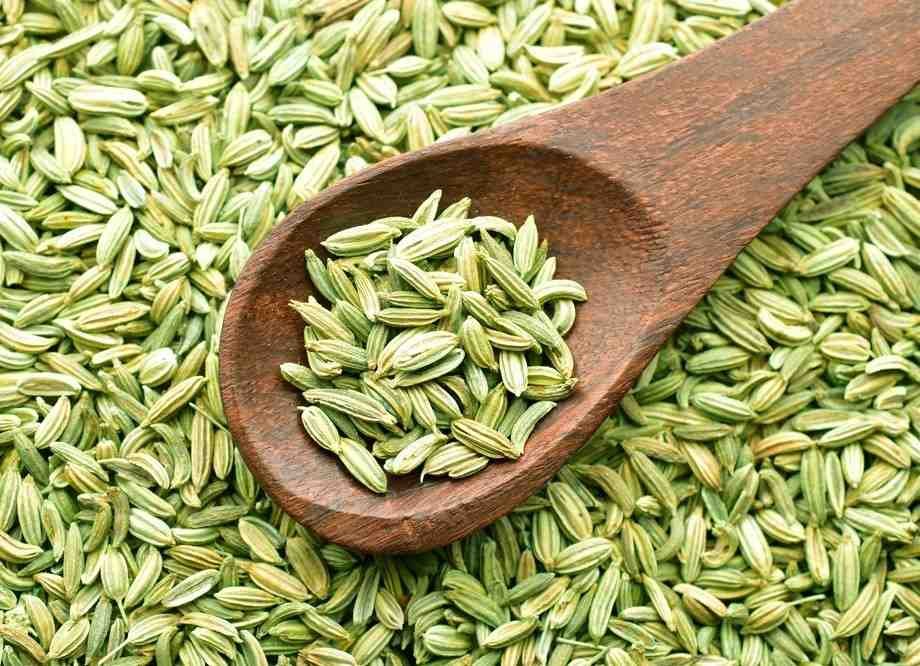
Fennel seeds are one of the oldest and most widely used spices in the world. Known for their sweet aroma, refreshing taste, and digestive properties, this seeds have been valued in culinary traditions, herbal practices, and wellness systems for centuries. These small greenish seeds are commonly used in Indian, Middle Eastern, Mediterranean, Chinese, and European cuisines.
Scientifically known as Foeniculum vulgare, fennel belongs to the carrot family and is appreciated for both its culinary and medicinal value. The seeds have a mild licorice-like flavor that adds freshness and sweetness to food, beverages, and spice blends.
Fennel seeds are one of the oldest and most widely used spices in the world. Known for their sweet aroma, refreshing taste, and digestive properties, this seeds have been valued in culinary traditions, herbal practices, and wellness systems for centuries. These small greenish seeds are commonly used in Indian, Middle Eastern, Mediterranean, Chinese, and European cuisines.
seeds are one of the oldest and most widely used spices in the world. Known for their sweet aroma, refreshing taste, and digestive properties, this seeds have been valued in culinary traditions, herbal practices, and wellness systems for centuries. These small greenish seeds are commonly used in Indian, Middle Eastern, Mediterranean, Chinese, and European cuisines.
seeds are commonly consumed after meals as a mouth freshener and digestive aid in many cultures. They are also widely used in teas, baked goods, curries, pickles, sausages, soups, desserts, and herbal preparations.
Modern interest in Fennel seeds are one of the oldest and most widely used spices in the world. Known for their sweet aroma, refreshing taste, and digestive properties, this seeds have been valued in culinary traditions, herbal practices, and wellness systems for centuries. These small greenish seeds are commonly used in Indian, Middle Eastern, Mediterranean, Chinese, and European cuisines.
seeds continues to grow because they contain antioxidants, essential oils, dietary fiber, vitamins, and minerals that may support overall wellness. The spice is now commonly available as whole fennel seeds, fennel powder, fennel tea, fennel oil, and herbal supplements.
In this complete guide, you will learn everything about Fennel seeds are one of the oldest and most widely used spices in the world. Known for their sweet aroma, refreshing taste, and digestive properties, this seeds have been valued in culinary traditions, herbal practices, and wellness systems for centuries. These small greenish seeds are commonly used in Indian, Middle Eastern, Mediterranean, Chinese, and European cuisines.
seeds, including their origin, nutritional value, health benefits, culinary uses, varieties, cultivation process, side effects, storage methods, global demand, and why these aromatic seeds remain important in cuisines and traditional wellness practices around the world.
What Are Fennel Seeds?
Fennel seeds are the dried seeds of the fennel plant, a flowering herb native to the Mediterranean region. Although commonly called seeds, they are technically fruits of the fennel plant.
The seeds are:
- Greenish or yellowish-brown
- Oval-shaped
- Aromatic
- Slightly sweet
- Mildly licorice-flavored
Fennel seeds are one of the oldest and most widely used spices in the world. Known for their sweet aroma, refreshing taste, and digestive properties, this seeds have been valued in culinary traditions, herbal practices, and wellness systems for centuries. These small greenish seeds are commonly used in Indian, Middle Eastern, Mediterranean, Chinese, and European cuisines.
seeds are widely used in:
- Spice blends
- Herbal teas
- Mouth fresheners
- Curries
- Bread
- Pickles
- Desserts
- Digestive preparations
The seeds are valued for both flavor and traditional wellness applications.
History and Origin of Fennel Seeds
Fennel has a long history dating back thousands of years. Ancient civilizations including the Egyptians, Greeks, Romans, Indians, and Chinese used fennel for culinary, medicinal, and ceremonial purposes.
In ancient Rome, fennel symbolized strength and longevity. Greek athletes reportedly consumed fennel for stamina and vitality. In India, fennel seeds became an important part of Ayurvedic traditions and digestive preparations.
Fennel spread across Europe, Asia, and the Middle East through trade routes and cultivation.
Today, major fennel-producing countries include:
- India
- China
- Egypt
- Turkey
- Iran
- Italy
India is one of the world’s leading producers and exporters of fennel seeds.
Nutritional Value of Fennel Seeds
Fennel seeds contain several nutrients and plant compounds that contribute to their flavor and wellness properties.
Nutrients Found in Fennel Seeds
Fennel seeds may contain:
- Dietary fiber
- Calcium
- Iron
- Potassium
- Magnesium
- Manganese
- Vitamin C
- Antioxidants
- Essential oils
- Flavonoids
The seeds also contain aromatic compounds such as anethole, which contributes to their sweet aroma and flavor.
Health Benefits of Fennel Seeds
1. May Support Digestion
Fennel seeds are traditionally associated with digestive wellness. Many cultures consume fennel after meals because it may help support digestion and reduce feelings of heaviness.
Fennel tea and roasted fennel seeds are commonly used for digestive comfort.
2. Rich in Antioxidants
Fennel seeds contain antioxidants that may help protect the body from oxidative stress caused by free radicals.
Antioxidants support:
- Cellular protection
- Healthy aging
- Immune function
- Overall wellness
3. May Help Freshen Breath
Fennel seeds are widely used as a natural mouth freshener because of their refreshing aroma and essential oils.
Many restaurants in India traditionally serve this seeds after meals.
4. Contains Essential Oils
Fennel seeds contain essential oils including:
- Anethole
- Fenchone
- Estragole
These compounds contribute to the spice’s aroma and functional properties.
5. May Support Metabolism
Traditional wellness systems sometimes associate this seeds with metabolism and digestive stimulation.
Although more research is needed, fennel remains popular in wellness beverages and herbal teas.
6. Source of Dietary Fiber
Fennel seeds contain dietary fiber that may support healthy digestion and balanced eating habits.
7. May Support Hydration Drinks
this seeds are often infused into cooling beverages and herbal drinks in warm climates.
Culinary Uses of Fennel Seeds
this seeds are extremely versatile in cooking.
1. Indian Cuisine
this seeds are widely used in:
- Curries
- Masalas
- Pickles
- Biryani
- Chai blends
- Mouth fresheners
They are an important ingredient in many spice blends.
2. Bread and Baking
this seeds add aroma and sweetness to:
- Bread
- Biscuits
- Crackers
- Cakes
- Savory pastries
3. Herbal Tea
Fennel tea is one of the most common herbal preparations made using this seeds.
The tea is valued for:
- Refreshing flavor
- Warm aroma
- Digestive support
4. Pickles and Preserves
this seeds are often added to:
- Pickles
- Preserved vegetables
- Chutneys
- Fermented foods
5. Meat and Sausage Recipes
Mediterranean and European cuisines frequently use this seeds in:
- Sausages
- Pork dishes
- Meat rubs
- Marinades
6. Desserts and Sweets
this seeds may be used in:
- Candies
- Sweet breads
- Traditional desserts
- Sugar-coated mouth fresheners
7. Soups and Stews
this seeds add subtle sweetness and aroma to soups and slow-cooked dishes.
Flavor Profile of Fennel Seeds
this seeds have a unique flavor profile.
Taste Characteristics
Their flavor is commonly described as:
- Sweet
- Mildly licorice-like
- Fresh
- Herbal
- Aromatic
- Warm
The seeds provide gentle sweetness rather than strong heat.
Types of Fennel Seeds
1. Indian Fennel Seeds
These are:
- Sweeter
- More aromatic
- Greenish in color
Commonly used as mouth fresheners and in spice blends.
2. Mediterranean Fennel Seeds
These may be:
- Slightly larger
- Less sweet
- More herbal in flavor
3. Wild Fennel Seeds
Wild fennel varieties often have stronger aroma and more intense flavor.
How Fennel Seeds Are Cultivated
Step 1: Planting
Fennel grows best in warm climates with well-drained soil.
Step 2: Growth
The plant develops feathery leaves and yellow flowers.
Step 3: Seed Formation
After flowering, the seeds develop and mature on the plant.
Step 4: Harvesting
The seed heads are harvested once they dry and mature.
Step 5: Drying and Processing
Seeds are dried, cleaned, and sorted before packaging.
Fennel Seeds vs Anise Seeds
Although similar, fennel and anise are different spices.
| Feature | Fennel Seeds | Anise Seeds |
|---|---|---|
| Flavor | Mild and sweet | Strong licorice |
| Size | Larger | Smaller |
| Color | Greenish | Brown |
| Aroma | Fresh and herbal | Intense sweet aroma |
| Culinary Use | Savory and sweet dishes | Mostly sweet dishes |
How to Use Fennel Seeds in Cooking
Use Whole
Whole this seeds work well in:
- Curries
- Pickles
- Bread
- Rice dishes
Roast for Stronger Flavor
Dry roasting enhances aroma and sweetness.
Grind into Powder
Ground this seeds can be added to:
- Spice blends
- Sauces
- Marinades
- Baking recipes
Brew as Tea
Fennel tea is made by steeping crushed seeds in hot water.
Storage Tips for Fennel Seeds
Proper storage helps preserve freshness and aroma.
Best Storage Practices
- Store in airtight containers
- Keep away from sunlight
- Avoid moisture exposure
- Store in cool environments
Whole seeds generally stay fresh longer than ground fennel powder.
Side Effects and Precautions
this seeds are generally safe when consumed in culinary amounts.
1. Excess Consumption
Very large quantities may cause digestive discomfort in sensitive individuals.
2. Allergic Reactions
Some individuals may experience allergic sensitivity to fennel.
3. Essential Oil Concentration
Highly concentrated fennel oil products should be used carefully.
4. Medical Conditions
Individuals with specific medical concerns should consult healthcare professionals before excessive herbal use.
Fennel Seeds in Traditional Practices
Traditional wellness systems historically used this seeds in:
- Herbal teas
- Digestive tonics
- Cooling drinks
- Mouth fresheners
- Aromatic remedies
The seeds remain highly important in Ayurvedic and herbal traditions.
Global Demand for Fennel Seeds
this seeds remain highly valuable in international spice markets.
Reasons for Growing Demand
- Popularity of herbal teas
- Digestive wellness trends
- Global cuisine expansion
- Natural mouth fresheners
- Organic spice demand
- Functional foods
Fennel is increasingly used in health-conscious food products.
Environmental Importance of Fennel Cultivation
Fennel farming contributes to:
- Agricultural diversity
- Pollinator support
- Rural economies
- Sustainable spice production
The flowering plant also attracts beneficial insects.
Fennel Seeds in Modern Food Trends
this seeds fit well into modern culinary and wellness trends because of:
- Natural flavor
- Herbal tea popularity
- Digestive wellness interest
- Plant-based foods
- Functional ingredients
Many gourmet and wellness products now include fennel.
Interesting Facts About Fennel Seeds
- Fennel belongs to the carrot family.
- Ancient Romans valued fennel highly.
- Fennel seeds are commonly eaten after meals in India.
- The spice has a natural licorice-like flavor.
- Fennel tea is popular worldwide.
- this seedsare used in both sweet and savory recipes.
- The fennel plant produces yellow flowers.
- Fennel is widely used in Mediterranean cuisine.
Frequently Asked Questions (FAQs)
What do fennel seeds taste like?
Fennel seeds have a sweet, mild licorice-like flavor with herbal and refreshing notes.
Are fennel seeds healthy?
this seeds contain antioxidants, dietary fiber, essential oils, and minerals that may support overall wellness.
Can fennel seeds help digestion?
Traditionally, this seeds have been used to support digestion and freshen breath after meals.
How are fennel seeds used in cooking?
They are used in curries, teas, bread, pickles, desserts, spice blends, and meat recipes.
Can fennel seeds be eaten raw?
Yes. Many people chew this seeds raw as a mouth freshener after meals.
What is fennel tea?
Fennel tea is an herbal beverage made by steeping this seeds in hot water.
Are fennel seeds spicy?
No. this seeds are sweet and aromatic rather than spicy.
How should fennel seeds be stored?
Store this seeds in airtight containers away from moisture, sunlight, and heat.
Which countries produce fennel seeds?
Major producers include India, China, Egypt, Turkey, and Iran.
Can fennel seeds be used in desserts?
Yes. this seeds are often used in candies, pastries, cakes, and traditional sweets.
Conclusion
Fennel seeds are one of the world’s most versatile and aromatic spices. Their sweet flavor, refreshing aroma, culinary flexibility, and traditional wellness uses have made them important in global cuisines and herbal traditions for centuries.
From curries and teas to bread, desserts, pickles, and digestive preparations, this seeds enhance countless recipes with gentle sweetness and herbal freshness. Their popularity continues to grow because consumers increasingly appreciate natural ingredients, herbal beverages, and flavorful spices.
Beyond their culinary importance, this seeds also contain antioxidants, dietary fiber, essential oils, and plant compounds that contribute to their long-standing reputation in wellness-focused food culture.
As global demand for functional foods and traditional spices continues to rise, this seeds remain a valuable ingredient in kitchens, herbal teas, spice blends, and gourmet products around the world.
Whether consumed as tea, seasoning, or mouth freshener, this seeds continue to bring flavor, aroma, and tradition to modern lifestyles and culinary creativity.
Also read: