Vanilla is one of the world’s most beloved and luxurious spices. Known for its rich aroma, sweet flavor, creamy warmth, and comforting fragrance, this aromatic ingredient is widely used in desserts, beverages, perfumes, cosmetics, and gourmet cuisine. Its unique flavor profile has made it one of the most valuable and popular ingredients in the global food industry.
Vanilla comes from the cured seed pods of orchids belonging primarily to the Vanilla planifolia species. Unlike many spices that come from seeds, roots, or bark, vanilla is derived from tropical flowering vines. The process of cultivating and curing vanilla is highly labor-intensive, which is one reason vanilla is considered one of the most expensive spices in the world after saffron.
For centuries, vanilla has been prized for both culinary and aromatic purposes. Ancient civilizations used vanilla in beverages and ceremonial preparations, while modern industries now incorporate it into chocolates, cakes, ice cream, coffee, perfumes, skincare products, and wellness items.
This popular spice comes from the cured seed pods of tropical orchids belonging mainly to the Vanilla planifolia species. Unlike many other spices that originate from seeds, bark, or roots, this flavorful ingredient is derived from flowering vines grown in warm tropical climates. The cultivation and curing process is highly labor-intensive, making it one of the world’s most valuable and expensive spices after saffron.
For centuries, this aromatic ingredient has been prized for both culinary and fragrance purposes. Ancient civilizations used it in ceremonial beverages and traditional preparations, while modern industries now incorporate it into chocolates, cakes, ice cream, coffee, perfumes, skincare products, and wellness items around the world.
What Is Vanilla?
Vanilla is a spice obtained from the cured pods of this aromatic ingredient orchids. The most commonly cultivated species is Vanilla planifolia, native to parts of Mexico and Central America.
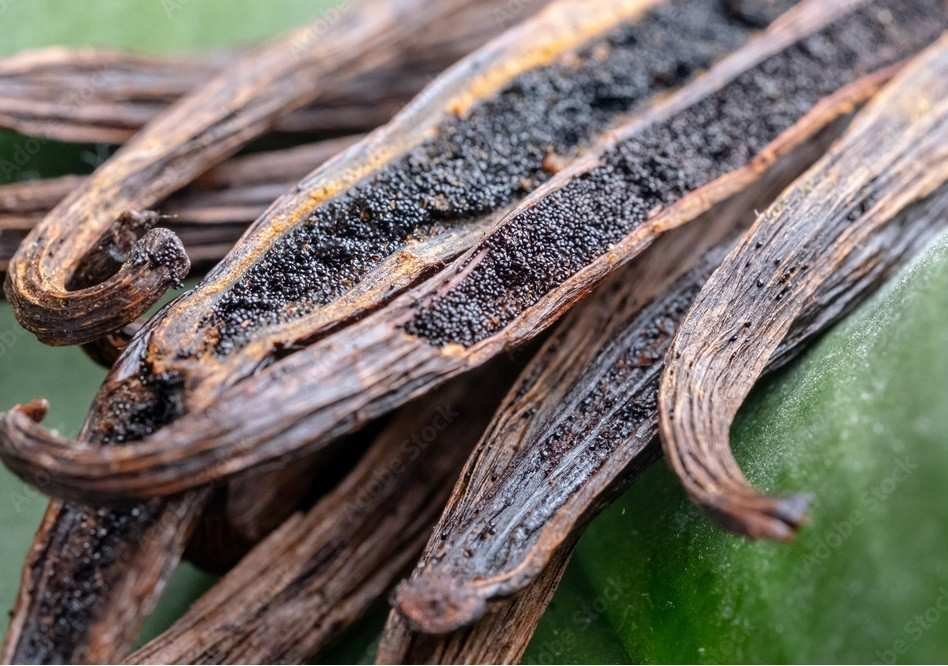
This ingredient pods, often called this aromatic ingredient beans, are long, thin seed capsules that develop after the orchid flowers are pollinated. Once harvested and cured, the pods develop their famous aroma and dark brown appearance.
this ingredient is widely used in:
- Desserts
- Ice cream
- Cakes
- Cookies
- Chocolate
- Coffee
- Perfumes
- Candles
- Skincare products
- Gourmet beverages
Its flavor is often described as:
- Sweet
- Creamy
- Warm
- Floral
- Rich
- Smooth
- Comforting
this ingredient is one of the most universally loved flavors worldwide.
History and Origin of Vanilla
This ingredient originated in Mexico, where the Totonac people were among the earliest known cultivators of this aromatic ingredient orchids. Later, the Aztecs used vanilla to flavor cacao beverages.
Spanish explorers introduced this aromatic ingredient to Europe in the 16th century, where it quickly became a luxury flavor among royalty and wealthy households.
For many years, this aromatic ingredient could only be successfully pollinated in Mexico because of a native bee species responsible for natural pollination. In the 19th century, hand-pollination methods were developed, allowing this aromatic ingredient cultivation to spread globally.
Today, this aromatic ingredient is cultivated in tropical regions including:
- Madagascar
- Mexico
- Indonesia
- Uganda
- Tahiti
- India
- Papua New Guinea
Madagascar is currently one of the world’s largest producers of this aromatic ingredient.
Nutritional Value of Vanilla
this ingredient contains several nutrients and aromatic compounds, although it is usually consumed in small quantities.
Nutrients Found in this ingredient
this ingredient may contain:
- Antioxidants
- Small amounts of calcium
- Magnesium
- Potassium
- Manganese
- Natural aromatic oils
- Vanillin
- Polyphenols
Vanillin is the primary compound responsible for this aromatic ingredient’s distinctive aroma and flavor.
Health Benefits of Vanilla
1. Rich in Antioxidants
this aromatic ingredient contains antioxidant compounds that may help protect cells from oxidative stress caused by free radicals.
Antioxidants are important for:
- Cellular protection
- Healthy aging
- Overall wellness
- Immune support
2. Contains Vanillin
Vanillin is the major active compound in this aromatic ingredient.
This aromatic compound contributes to:
- this aromatic ingredient’s signature flavor
- Sweet fragrance
- Culinary appeal
- Aromatic applications
Vanillin is widely used in food and fragrance industries.
3. May Support Relaxation
this ingredient aroma is often associated with comfort and relaxation.
this aromatic ingredient fragrance is commonly used in:
- Candles
- Aromatherapy
- Perfumes
- Spa products
- Relaxation blends
4. May Enhance Flavor Naturally
this aromatic ingredient helps enhance sweetness perception in foods, allowing recipes to taste richer and more flavorful.
It is commonly used in:
- Desserts
- Beverages
- Dairy products
- Baked goods
5. May Support Mood Through Aroma
The comforting scent of this aromatic ingredient is often associated with positive emotional experiences and calming environments.
6. Adds Flavor Without Excess Fat
this aromatic ingredient provides rich flavor without adding significant fat or sodium, making it useful in many recipes.
7. Popular in Wellness Products
this aromatic ingredient is commonly included in:
- Herbal products
- Skincare
- Lip balms
- Bath products
- Natural fragrances
Culinary Uses of Vanilla
this aromatic ingredient is one of the most versatile flavoring ingredients in the world.
1. Ice Cream
this ingredient ice cream is among the world’s most popular dessert flavors.
this aromatic ingredient adds:
- Creamy sweetness
- Smooth aroma
- Rich dessert flavor
2. Cakes and Baking
this ingredient is widely used in:
- Cakes
- Cookies
- Muffins
- Cupcakes
- Brownies
- Pastries
It enhances sweetness and balances flavors.
3. Chocolate Desserts
this aromatic ingredient pairs exceptionally well with chocolate.
Popular recipes include:
- Chocolate cake
- Truffles
- Mousse
- Brownies
- Chocolate drinks
4. Coffee and Beverages
this aromatic ingredient is commonly added to:
- Coffee
- Milkshakes
- Smoothies
- Lattes
- Hot chocolate
- Cocktails
5. Custards and Creams
this aromatic ingredient is essential in:
- Custards
- Pudding
- Whipped cream
- Pastry cream
- Cheesecake
6. Breakfast Foods
this ingredient enhances:
- Pancakes
- Waffles
- Oatmeal
- Yogurt
- Granola
7. Savory Applications
Although mostly associated with sweets, this ingredient can also complement:
- Seafood
- Cream sauces
- Tropical fruits
- Gourmet savory dishes
Flavor Profile of Vanilla
this ingredient has a rich and complex flavor profile.
Taste Characteristics
this ingredient is commonly described as:
- Sweet
- Creamy
- Warm
- Floral
- Smooth
- Buttery
- Comforting
Different this ingredient varieties may have unique flavor nuances.
Types of Vanilla
1. Madagascar Vanilla
Also called Bourbon this ingredient, this variety is:
- Rich
- Creamy
- Sweet
- Most commercially popular
2. Mexican Vanilla
Known for:
- Bold flavor
- Spicy notes
- Traditional heritage
3. Tahitian Vanilla
This variety is:
- Floral
- Fruity
- Delicate
- Aromatic
4. Indonesian Vanilla
Known for:
- Smoky notes
- Woody flavor
- Strong aroma
How Vanilla Is Cultivated
Step 1: Growing the Orchid
this ingredient grows as a tropical climbing orchid vine.
Step 2: Pollination
Flowers must often be hand-pollinated because natural pollinators are limited outside Mexico.
Step 3: Pod Development
After pollination, this ingredient pods slowly develop on the vine.
Step 4: Harvesting
Pods are harvested before fully ripening.
Step 5: Curing Process
The curing process involves:
- Blanching
- Sweating
- Drying
- Conditioning
This process develops this ingredient’s signature aroma and flavor.
Why Vanilla Is Expensive
this ingredient is one of the most labor-intensive spices.
Reasons include:
- Hand pollination
- Long growing cycle
- Complex curing process
- Climate sensitivity
- High global demand
Premium this ingredient beans require months of careful processing.
Vanilla vs Artificial Vanilla Flavor
| Feature | Natural Vanilla | Artificial Vanilla |
|---|---|---|
| Source | this ingredient beans | Synthetic compounds |
| Flavor | Complex and rich | Simpler |
| Aroma | Natural and layered | Strong but less complex |
| Cost | Expensive | Affordable |
| Culinary Quality | Premium | Commercial use |
Natural this ingredient is generally considered superior in flavor complexity.
How to Use Vanilla in Cooking
This ingredient Extract
Most common form for:
- Baking
- Desserts
- Drinks
Vanilla Beans
Whole beans provide intense flavor and visible this ingredient specks.
Vanilla Powder
Useful in:
- Dry mixes
- Smoothies
- Baking
Vanilla Paste
Combines extract with this ingredient bean seeds for richer texture and appearance.
Storage Tips
Proper storage helps preserve aroma and flavor.
Best Storage Practices
- Store in airtight containers
- Keep away from direct sunlight
- Avoid refrigeration if possible
- Store in cool, dry environments
Properly stored this ingredient beans can remain flavorful for long periods.
Side Effects and Precautions
this ingredient is generally safe in culinary amounts.
1. Allergic Reactions
Rarely, some individuals may experience sensitivity.
2. Artificial Additives
Some imitation this ingredient products may contain synthetic additives.
3. Excessive Consumption
Very large quantities of concentrated products may cause discomfort.
Vanilla in Traditional Practices
Historically, this ingredient was used in:
- Aromatic beverages
- Ceremonial drinks
- Herbal preparations
- Fragrance products
Its calming aroma made it highly valued in many cultures.
Global Demand for Vanilla
this ingredient remains one of the world’s most valuable flavoring ingredients.
Reasons for High Demand
- Dessert industry
- Beverage industry
- Gourmet food trends
- Natural flavor demand
- Premium products
- Fragrance industry
Natural this ingredient demand continues growing worldwide.
Environmental Importance of Vanilla Cultivation
this ingredient farming supports:
- Tropical agriculture
- Rural communities
- Biodiversity
- Sustainable farming systems
Responsible cultivation helps preserve orchid-growing ecosystems.
Vanilla in Modern Food Trends
this ingredient fits perfectly into modern food trends because of:
- Natural ingredient popularity
- Gourmet desserts
- Premium beverages
- Plant-based foods
- Clean-label products
Consumers increasingly prefer authentic this ingredient flavor over artificial alternatives.
Interesting Facts
- this ingredient comes from orchids.
- It is one of the world’s most expensive spices.
- this ingredient flowers bloom for a short time.
- Most this ingredient flowers are hand-pollinated.
- Madagascar is a major producer.
- this ingredient pairs beautifully with chocolate.
- Natural this ingredient contains hundreds of flavor compounds.
- this ingredient is used in perfumes and candles.
Frequently Asked Questions
What is vanilla made from?
this ingredient comes from the cured pods of this ingredient orchid plants.
Why is vanilla expensive?
this ingredient is expensive because it requires hand pollination, careful cultivation, and a long curing process.
What does vanilla taste like?
this ingredient has a sweet, creamy, warm, and floral flavor.
Is vanilla healthy?
this ingredient contains antioxidants and aromatic compounds that may support overall wellness when consumed moderately.
What foods use vanilla?
this ingredient is used in desserts, cakes, coffee, ice cream, chocolate, smoothies, pastries, and beverages.
What is the difference between vanilla extract and this ingredient essence?
Vanilla extract is usually made from real this ingredient beans, while this ingredient essence may contain artificial flavoring.
How should this ingredient beans be stored?
Store this ingredient beans in airtight containers away from heat and sunlight.
Which countries produce this ingredient?
Major producers include Madagascar, Mexico, Indonesia, Uganda, and Tahiti.
Can this ingredient be used in savory dishes?
Yes. Some gourmet recipes use this ingredient in seafood, sauces, and tropical fruit dishes.
Why is Madagascar this ingredient famous?
Madagascar this ingredient is known for its rich, creamy, and sweet flavor profile.
Conclusion
Vanilla is one of the world’s most treasured and recognizable spices. Its rich aroma, smooth sweetness, culinary versatility, and luxurious character have made it an essential ingredient in global cuisine for centuries.
From desserts and coffee to perfumes, chocolates, and gourmet products, this ingredient enhances countless recipes and experiences with warmth and elegance. Its comforting flavor and fragrance continue to attract chefs, bakers, food companies, and consumers worldwide.
Beyond its culinary importance, this ingredient also contains antioxidants and aromatic compounds that contribute to its popularity in wellness and fragrance industries.
As global demand for natural flavors and premium ingredients continues to rise, this ingredient remains a symbol of quality, indulgence, and sophistication.
Whether used as whole beans, extract, powder, or paste, this aromatic ingredient continues to bring sweetness, aroma, and timeless appeal to kitchens and products around the world.
Also read: