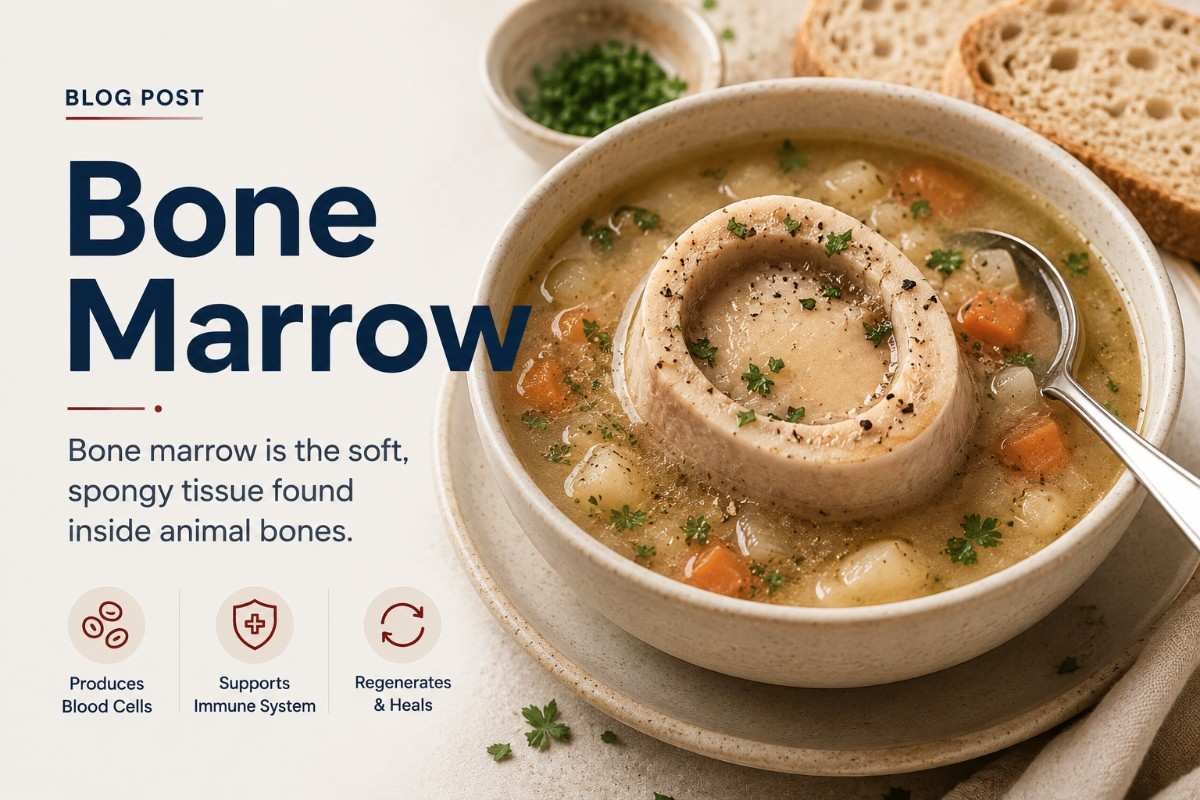
Bone marrow has been consumed for centuries in cultures around the world. Once considered a traditional delicacy, it has recently gained popularity among health-conscious individuals, paleo diet followers, and food enthusiasts. Rich in healthy fats, essential nutrients, and unique compounds that support overall health, bone marrow is often called a nutrient-dense superfood.
Whether served roasted on toast, added to soups, or used in bone broth, bone marrow offers both flavor and nutrition. Many people are curious about its health benefits, nutritional profile, and whether it deserves a place in a balanced diet.
In this comprehensive guide, we’ll explore everything you need to know about bone marrow, including its nutrition, benefits, uses, potential side effects, and how to incorporate it into your meals. Bone marrow is a nutrient-dense food rich in healthy fats and beneficial compounds like Hemp Seeds vs Chia Seeds .
What Is Bone Marrow?
Bone marrow is the soft, spongy tissue found inside animal bones. It plays an essential role in producing blood cells and storing nutrients. When people talk about eating bone marrow, they usually refer to the edible marrow found inside the bones of animals such as:
- Beef
- Lamb
- Bison
- Venison
- Goat
Bone marrow has a rich, buttery texture and a mildly sweet, savory flavor. It is commonly roasted, spread on bread, or used to make nutrient-rich broths.
For thousands of years, traditional cultures valued bone marrow as one of the most nutritious parts of an animal. Modern nutrition research suggests that bone marrow contains several compounds that may support overall health.
Bone Marrow Nutrition
The exact nutritional content varies depending on the animal source, but bone marrow is generally rich in:
- Healthy fats
- Protein
- Calories
- Vitamin A
- Vitamin E
- Vitamin K
- Iron
- Zinc
- Selenium
- Phosphorus
- Collagen-building compounds
Nutritional Highlights
Bone marrow contains:
| Nutrient | Benefit |
|---|---|
| Healthy fats | Energy production |
| Collagen compounds | Joint and skin support |
| Iron | Red blood cell production |
| Zinc | Immune health |
| Selenium | Antioxidant protection |
| Vitamin A | Eye and immune health |
| Vitamin E | Cellular protection |
Bone marrow is particularly valued for its concentration of beneficial fatty acids and bioactive compounds.
Top Health Benefits of Bone Marrow
1. Rich Source of Healthy Fats
Bone marrow contains monounsaturated fats, similar to those found in olive oil and avocados.
These healthy fats may help:
- Support heart health
- Improve energy levels
- Promote satiety
- Aid nutrient absorption
Healthy fats are essential for hormone production and overall cellular function.
2. Supports Joint Health
One of the most popular reasons people consume this traditional delicacy is its potential role in supporting joint health.
Bone marrow contains compounds associated with connective tissue support, including:
- Collagen precursors
- Glucosamine
- Glycosaminoglycans
These compounds are often included in supplements designed to support healthy joints and cartilage. If you’re interested in other foods that support recovery and muscle maintenance, check out our guide on What Is Protein Pudding?
3. May Promote Gut Health
Bone marrow and bone broth are often recommended as part of gut-friendly diets.
The gelatin and collagen-related compounds found in marrow-rich broths may help:
- Support the intestinal lining
- Promote digestive comfort
- Improve nutrient absorption
- Support overall digestive wellness
Many people include bone broth in wellness routines for this reason. You may also enjoy our article on Best Morning Drinks for Gut Health for additional gut-supporting beverage ideas.
4. Helps Support Immune Function
Bone marrow contains nutrients involved in immune health, including:
- Zinc
- Selenium
- Vitamin A
- Healthy fats
These nutrients contribute to normal immune system function and help the body respond to everyday stressors.
5. Provides Long-Lasting Energy
Because this traditional delicacy is rich in fat, it serves as a concentrated source of energy.
Unlike refined carbohydrates that may cause rapid spikes and crashes, fats provide sustained energy throughout the day.
This makes this traditional delicacy particularly appealing to people following:
- Keto diets
- Paleo diets
- Carnivore diets
- Low-carb lifestyles
6. Contains Beneficial Adiponectin
Bone marrow contains adiponectin, a hormone involved in several metabolic processes.
Research suggests adiponectin may help support:
- Insulin sensitivity
- Metabolic health
- Inflammation regulation
Although more research is needed, this compound contributes to the growing interest in this traditional delicacy as a functional food.
7. Supports Skin Health
Bone marrow contains nutrients that help support healthy skin.
These include:
- Collagen-building compounds
- Vitamin E
- Healthy fats
Potential skin benefits include:
- Improved hydration
- Better elasticity
- Reduced appearance of dryness
- Support for healthy aging
For another nutrient-rich food with antioxidant benefits, explore our guide to Tiger Nuts Benefits.
8. May Help Maintain Healthy Bones
Although the marrow itself is not a major source of calcium, it contains nutrients that support overall bone health, including:
- Phosphorus
- Healthy fats
- Trace minerals
This traditional delicacy is often consumed alongside bone broth, which may provide additional minerals beneficial for skeletal health.
9. Supports Brain Function
Healthy fats are crucial for optimal brain function.
this traditional delicacy provides:
- Fatty acids
- Energy-rich nutrients
- Fat-soluble vitamins
These nutrients contribute to:
- Cognitive performance
- Nervous system health
- Mental clarity
10. Nutrient-Dense Whole Food
One of the greatest benefits of this traditional delicacy is its nutrient density.
A small serving delivers:
- Energy
- Essential vitamins
- Minerals
- Bioactive compounds
This makes it an attractive addition to a nutrient-focused diet.
Bone Marrow and Bone Broth
This traditional delicacy is one of the primary ingredients used to make bone broth.
Bone broth is prepared by simmering bones for several hours to extract nutrients and beneficial compounds.
Benefits of Bone Broth
- Hydration support
- Joint support
- Digestive health
- Easy-to-digest nutrients
- Rich flavor
Bone broth has become increasingly popular among wellness enthusiasts and athletes. If you’re interested in other wellness beverages that may complement a healthy lifestyle, check out Sorghum Water Benefits.
How to Eat Bone Marrow
There are many delicious ways to enjoy this traditional delicacy.
Roasted Bone Marrow
The most popular method is roasting marrow bones in the oven.
Steps:
- Place marrow bones on a baking tray.
- Roast at 450°F (230°C) for about 15–20 minutes.
- Remove when the marrow becomes soft.
- Scoop out and enjoy.
Spread on Toast
Roasted marrow can be spread on:
- Sourdough bread
- Whole-grain toast
- Crackers
Add:
- Sea salt
- Herbs
- Lemon juice
for extra flavor.
Added to Soups
This traditional delicacy adds richness and nutrition to:
- Vegetable soups
- Beef soups
- Stews
- Traditional broths
Bone Broth
Simmer marrow bones with:
- Water
- Vegetables
- Herbs
- Vinegar
for several hours to create a nutrient-rich broth.
Used in Sauces
Professional chefs often use this traditional delicacy to create rich sauces for:
- Steak
- Lamb
- Roasted vegetables
Bone Marrow in Traditional Diets
Many cultures have valued this traditional delicacy for centuries.
Examples include:
- French cuisine
- Italian cuisine
- Middle Eastern dishes
- African traditional diets
- Indigenous ancestral diets
Historically, marrow was considered one of the most prized parts of an animal because of its high nutritional value.
Bone Marrow for Athletes
Athletes often seek nutrient-dense foods to support recovery and performance.
Bone marrow may provide:
- Calories for energy
- Healthy fats
- Trace minerals
- Collagen-related compounds
While it should not replace balanced meals, it can be part of a performance-focused diet.
Potential Side Effects of Bone Marrow
Although generally safe when consumed in moderation, there are some considerations.
High in Calories
this traditional delicacy is calorie-dense.
Excessive consumption may contribute to unwanted weight gain if total calorie intake exceeds energy needs.
High Fat Content
Individuals following low-fat diets may need to limit portion sizes.
Moderation is important.
Source Quality Matters
Choose marrow bones from:
- Grass-fed animals
- Reputable suppliers
- Properly inspected sources
High-quality sourcing helps ensure food safety.
Allergic Reactions
Although uncommon, some people may experience food sensitivities.
Stop consumption and consult a healthcare professional if unusual symptoms occur.
Bone Marrow vs Bone Broth
| Feature | Bone Marrow | Bone Broth |
|---|---|---|
| Texture | Rich and creamy | Liquid |
| Calories | Higher | Lower |
| Fat Content | High | Moderate |
| Preparation | Roasted or cooked | Simmered for hours |
| Uses | Spread, soups, sauces | Drinking, cooking |
Both can be part of a healthy diet.
Who Should Eat Bone Marrow?
This traditional delicacy may be suitable for:
- Healthy adults
- Paleo diet followers
- Keto diet followers
- Athletes
- Individuals seeking nutrient-dense foods
Those with specific medical conditions should seek professional dietary advice before making major dietary changes.
Conclusion
Bone marrow is a traditional nutrient-rich food that has stood the test of time. Packed with healthy fats, vitamins, minerals, and collagen-supporting compounds, it offers a variety of potential health benefits. From supporting joint health and energy levels to contributing to skin and digestive wellness, this traditional delicacy can be a valuable addition to a balanced diet.
Whether enjoyed roasted, spread on toast, or incorporated into bone broth, bone marrow provides a unique combination of flavor and nutrition. As with any food, moderation and quality sourcing are key to maximizing its benefits while minimizing potential drawbacks.
This traditional delicacy is a traditional nutrient-rich food packed with healthy fats, vitamins, and beneficial compounds. Combined with other wholesome foods and healthy habits such as the Japanese Walking Method .
FAQs
What is bone marrow?
Bone marrow is the soft, fatty tissue found inside animal bones. It is rich in healthy fats, vitamins, minerals, and collagen-supporting compounds. this traditional delicacy is commonly eaten roasted, added to soups, or used to make bone broth.
Is bone marrow healthy to eat?
Yes, This traditional delicacy can be a healthy addition to a balanced diet when consumed in moderation. It provides healthy fats, essential nutrients, and compounds that may support joint, skin, and overall wellness.
What does bone marrow taste like?
This traditional delicacy has a rich, buttery texture with a mild, slightly sweet, and savory flavor. Many people compare its taste to a combination of butter and beef.
Can bone marrow help with joint health?
This traditional delicacy contains collagen-building compounds, glucosamine, and other nutrients that may support healthy joints and connective tissues. However, it should be part of an overall healthy diet rather than a standalone solution.
Is bone marrow high in protein?
This traditional delicacy contains some protein, but it is primarily valued for its healthy fat content and beneficial compounds. Other foods, such as those discussed in our What Is Protein Pudding? guide, are generally better sources of protein.
Can I eat bone marrow every day?
Most healthy adults can enjoy this traditional delicacy in moderation. Because it is calorie-dense and high in fat, portion control is important as part of a balanced eating plan.
Is bone marrow good for gut health?
Bone marrow and bone broth contain gelatin and collagen-related compounds that may support digestive wellness and gut health. Pairing this traditional delicacy with other gut-friendly foods and drinks can be beneficial.
What is the best way to eat bone marrow?
The most popular method is roasting marrow bones and spreading the softened marrow on toast. It can also be added to soups, stews, sauces, and homemade bone broth.
Does bone marrow contain collagen?
This traditional delicacy contains compounds that support collagen production and connective tissue health. It is often consumed alongside bone broth, which is also known for its collagen content.
Can bone marrow help with weight gain?
Because this traditional delicacy is high in calories and healthy fats, it may contribute to weight gain if consumed in excess. Individuals trying to gain weight may find it a useful addition to their diet.
Is bone marrow suitable for keto and paleo diets?
Yes, this traditional delicacy is popular among people following keto, paleo, and low-carb diets because it is rich in healthy fats and contains very few carbohydrates.
What animals provide edible bone marrow?
Edible this traditional delicacy commonly comes from beef, lamb, bison, goat, and venison. Beef marrow bones are the most widely available and commonly used for cooking.
Can bone marrow be used to make bone broth?
Yes, this traditional delicacy is one of the key ingredients used in traditional bone broth recipes. Marrow-rich bones add flavor, nutrients, and richness to the broth.
Are there any side effects of eating bone marrow?
Bone marrow is generally safe when consumed in moderation. However, it is high in calories and fat, so excessive intake may not be suitable for everyone. Always choose high-quality, properly sourced bones for food safety.
Who should avoid eating bone marrow?
People with specific dietary restrictions, certain medical conditions, or those advised to limit fat intake should consult a healthcare professional before regularly consuming this traditional delicacy.
Sources & References
- USDA FoodData Central
- Harvard T.H. Chan School of Public Health – Nutrition Source
- Mayo Clinic – Healthy Lifestyle Nutrition
- Cleveland Clinic – Bone Broth Benefits
- National Institutes of Health (NIH)
About the Author
Hitasha is a health and wellness content writer passionate about nutrition, healthy living, and evidence-based wellness topics. Through well-researched articles, Hitasha aims to help readers make informed decisions about food, fitness, hydration, and overall health.
Disclaimer
The information provided in this article is for educational and informational purposes only and should not be considered medical advice. Always consult a qualified healthcare professional before making significant changes to your diet, lifestyle, or health routine. Individual results may vary, and neither the author nor the website is responsible for any outcomes resulting from the use of the information presented in this article.