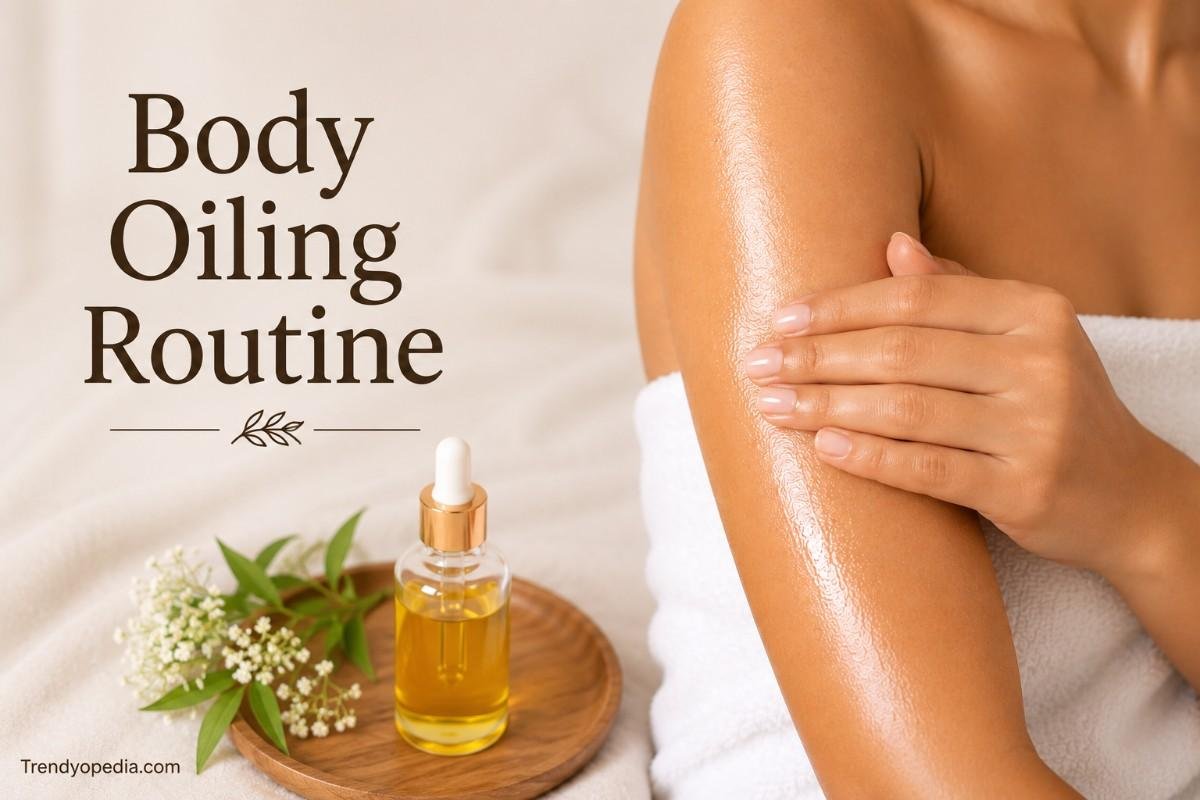
Body oiling is making a major comeback in 2026 as more people embrace simple, nourishing skincare routines. While body lotions remain popular, many skincare enthusiasts are discovering that natural oils can help lock in moisture, improve skin texture, and leave the skin with a healthy glow.
Whether you have dry, oily, sensitive, or combination skin, a well-planned body oiling routine can become one of the most relaxing and effective parts of your self-care ritual. From ancient Ayurvedic traditions to modern dermatology-inspired skincare, body oils have been used for centuries to support healthy skin.
Unlike heavy creams, many plant-based oils contain vitamins, antioxidants, and essential fatty acids that nourish the skin while strengthening its natural moisture barrier.
If you’re wondering how to start body oiling, which oils are best, or whether it’s suitable for your skin type, this guide covers everything you need to know. Body oiling pairs perfectly with a Glass Skin Routine, helping create hydrated, healthy-looking skin from head to toe.
What Is a Body Oiling Routine?
A body oiling routine is the practice of applying nourishing oils to the skin after bathing or showering to seal in moisture and improve skin health.
The routine may include:
- Applying oil immediately after a shower
- Massaging the skin using gentle circular motions
- Using oils before bed
- Dry brushing before oiling
- Weekly full-body oil massage
- Seasonal adjustments based on weather
Many people also combine body oiling with exfoliation to keep the skin soft, smooth, and hydrated throughout the year.
Why Is Body Oiling Trending in 2026?
Body Oiling Routine :Several beauty trends have made body oiling increasingly popular:
- Skin barrier repair
- Minimalist skincare (Skinimalism)
- Clean beauty products
- Natural skincare routines
- Self-care rituals
- Ayurvedic wellness
- Social media beauty routines
- Glass skin body care
- Dermatologist-approved hydration methods
Instead of using multiple products, many people now prefer one nourishing oil that delivers hydration, softness, and a natural glow. If you prefer a minimalist beauty routine, you’ll also enjoy our guide to the Skinimalism Trend, which focuses on fewer but more effective skincare products.
Benefits of a Body Oiling Routine
1. Deeply Hydrates the Skin
Body Oiling Routine: One of the biggest benefits of body oiling is moisture retention.
Oils help create a protective layer that prevents water loss from the skin. This keeps your skin soft for longer compared to applying lotion alone.
2. Strengthens the Skin Barrier
The skin barrier protects against:
- Pollution
- Bacteria
- Irritants
- Dry weather
- Excessive water loss
Healthy oils contain essential fatty acids that support this protective barrier.
3. Gives Skin a Natural Glow
Body Oiling Routine: Body oils reflect light naturally, making your skin appear healthier and more radiant.
Unlike glitter-based body products, oils provide a subtle, natural-looking shine. After nourishing your skin, complete your beauty routine with our Cloud Skin Makeup Trend guide for a naturally soft, radiant finish.
4. Helps Reduce Dryness
Body Oiling Routine: People with:
- Dry skin
- Mature skin
- Winter skin
- Rough elbows
- Dry knees
- Cracked heels
often notice smoother skin after consistent body oiling.
5. Improves Skin Softness
Body Oiling Routine: Regular massage with body oil can help rough skin feel smoother over time.
Many oils contain:
- Vitamin E
- Linoleic acid
- Oleic acid
- Natural antioxidants
These nutrients help nourish the outer layer of the skin.
6. Supports Relaxation
Body Oiling Routine: Body oiling isn’t only about skincare.
Massaging oil into your skin encourages relaxation and can become a calming evening ritual after a busy day.
7. May Improve Skin Elasticity
Hydrated skin often appears firmer and more supple.
While oils won’t eliminate stretch marks or wrinkles, keeping the skin moisturized may improve its overall appearance.
8. Helps Reduce Ashy Skin
This is especially beneficial for:
- Medium skin tones
- Deep skin tones
- Extremely dry skin
Body oil restores a healthy-looking finish without leaving a chalky appearance.
9. Works Well with Other Skincare Products
Body Oiling Routine: Body oils pair well with:
- Body lotions
- Hyaluronic acid body serums
- Body creams
- Overnight treatments
Many people layer lotion first and then apply oil to lock in hydration.
10. Suitable for Most Skin Types
Body Oiling Routine: There are oils available for nearly every skin type:
- Dry skin
- Sensitive skin
- Oily skin
- Combination skin
- Mature skin
Choosing the right oil is the key. Looking to improve your overall skincare routine? Our Korean Skincare Routine explains how layering hydration can support healthier-looking skin.
Best Oils for Body Oiling
Coconut Oil
Best for:
- Very dry skin
- Winter
- Rough patches
Benefits:
- Deep hydration
- Softens skin
- Rich in fatty acids
Avoid using coconut oil if you’re prone to body acne, as it may clog pores for some people.
Jojoba Oil
Best for:
- Sensitive skin
- Combination skin
- Oily skin
Benefits:
- Lightweight
- Absorbs quickly
- Mimics the skin’s natural oils
- Non-greasy finish
Sweet Almond Oil
Best for:
- Everyday moisturizing
- Dry skin
- Massage
Benefits:
- Vitamin E
- Softens skin
- Lightweight texture
Argan Oil
Best for:
- Mature skin
- Fine lines
- Dry skin
Benefits:
- Rich in antioxidants
- Fast absorbing
- Improves skin texture
Rosehip Oil
Best for:
- Uneven skin tone
- Dull skin
- Mature skin
Benefits:
- Vitamin A
- Vitamin C
- Essential fatty acids
Grapeseed Oil
Best for:
- Oily skin
- Acne-prone body skin
Benefits:
- Lightweight
- Fast absorbing
- Doesn’t leave heavy residue
Avocado Oil
Best for:
- Extra dry skin
- Winter care
Benefits:
- Rich in vitamins
- Deep nourishment
- Excellent for flaky skin
Sunflower Seed Oil
Best for:
- Daily use
- Sensitive skin
Benefits:
- Gentle
- Affordable
- Supports skin barrier function
How to Start a Body Oiling Routine
Step 1: Take a Warm Shower
Warm water helps soften the outer layer of your skin.
Avoid very hot water because it can strip away natural oils.
Step 2: Pat Your Skin Dry
Do not completely dry your body.
Leave your skin slightly damp.
This helps trap moisture when you apply body oil.
Step 3: Warm the Oil in Your Hands
Pour a small amount of oil into your palms.
Rub your hands together for a few seconds.
Warm oil spreads more evenly across the skin.
Step 4: Massage the Oil Into Your Body
Use long, gentle strokes on:
- Arms
- Legs
- Back
- Chest
Use circular motions around joints such as:
- Knees
- Elbows
- Ankles
Spend extra time on dry areas.
Step 5: Allow the Oil to Absorb
Wait 5–10 minutes before getting dressed.
Loose clothing helps prevent the oil from rubbing off.
Step 6: Repeat Regularly
For best results:
- Daily for dry skin
- 3–5 times per week for normal skin
- As needed during warmer months
Consistency is more important than using a large amount of oil.
Should You Apply Body Oil Before or After Lotion?
Body Oiling Routine: Dermatologists often recommend applying body oil after a moisturizer if your skin is very dry. Lotion provides water-based hydration, while oil helps seal that moisture into the skin.
For normal or slightly dry skin, body oil alone applied to damp skin may be enough to keep your skin soft and hydrated.
How Much Body Oil Should You Use?
Body Oiling Routine: Using too much oil can leave your skin feeling greasy without providing additional benefits.
A general guideline is:
| Body Area | Recommended Amount |
|---|---|
| Arms | 3–4 drops each |
| Legs | 5–8 drops each |
| Chest | 3–5 drops |
| Back | 5–8 drops |
| Entire Body | 1–2 teaspoons |
Start with a small amount and add more only if needed.
Body Oiling Routine for Different Skin Types
Body Oiling Routine: Choosing the right body oil for your skin type can make all the difference. While body oils are generally beneficial, selecting one that suits your skin’s needs helps maximize hydration without causing irritation or clogged pores.
Body Oiling for Dry Skin
Dry skin lacks moisture and often feels rough, flaky, or tight.
Best oils:
- Avocado oil
- Sweet almond oil
- Coconut oil
- Argan oil
Tips:
- Apply immediately after showering.
- Use twice daily during winter if needed.
- Layer body oil over a fragrance-free moisturizer for extra hydration.
Body Oiling for Oily Skin
Oily skin still needs hydration. Using a lightweight oil may actually help maintain the skin’s natural balance.
Best oils:
- Jojoba oil
- Grapeseed oil
- Sunflower seed oil
Tips:
- Apply a thin layer.
- Avoid heavy oils if you’re prone to body acne.
- Focus on dry areas instead of applying generously all over.
Body Oiling for Sensitive Skin
Body Oiling Routine: Sensitive skin benefits from gentle, fragrance-free oils.
Best oils:
- Jojoba oil
- Sunflower seed oil
- Oat oil
Tips:
- Perform a patch test before using a new oil.
- Avoid products containing synthetic fragrances or essential oils if they irritate your skin.
- Choose cold-pressed, high-quality oils whenever possible.
Body Oiling for Combination Skin
Combination skin may have dry legs but oilier shoulders or back.
Best approach:
- Use lightweight oils on oilier areas.
- Apply richer oils only where skin feels dry.
- Adjust your routine seasonally.
Morning vs. Night Body Oiling
Morning Body Oiling
Morning oiling gives your skin a healthy glow throughout the day.
Benefits
- Locks in moisture after your shower
- Creates smoother-looking skin
- Helps reduce dryness
- Leaves skin looking radiant
Choose lightweight oils that absorb quickly if you’re dressing immediately afterward.
A body oiling routine works even better when combined with a consistent Morning vs Night Skincare Routine. During the day, your skincare should focus on hydration, antioxidant protection, and sunscreen to defend against environmental damage. At night, your skin enters its natural repair cycle, making it the ideal time to apply nourishing body oils and richer moisturizers. Following both routines can help maintain soft, healthy-looking, and well-hydrated skin all year round.
Night Body Oiling
Nighttime is often the best time for deeper hydration.
Benefits
- Skin has several uninterrupted hours to absorb the oil.
- Less friction from clothing.
- Complements your nighttime skincare routine.
- Can become a relaxing self-care ritual before bed.
Weekly Body Oiling Routine
Body Oiling Routine: For long-lasting results, consistency matters more than using large amounts of oil.
| Day | Routine |
|---|---|
| Monday | Apply body oil after shower |
| Tuesday | Light oil massage |
| Wednesday | Gentle exfoliation followed by body oil |
| Thursday | Body oil after shower |
| Friday | Focus on elbows, knees, and heels |
| Saturday | Full-body massage with nourishing oil |
| Sunday | Hydration treatment before bedtime |
Seasonal Body Oiling Guide
Summer
Hot weather calls for lighter oils.
Recommended oils:
- Jojoba oil
- Grapeseed oil
- Sunflower oil
These absorb quickly without leaving the skin feeling heavy.
Winter
Body Oiling Routine: Cold air and indoor heating can dry out your skin.
Best oils:
- Avocado oil
- Sweet almond oil
- Coconut oil
Pair body oil with a rich moisturizer for maximum hydration.
Monsoon
Humidity can make heavy oils feel uncomfortable.
Choose:
- Jojoba oil
- Argan oil
Apply a smaller amount than usual.
Spring
Spring is an excellent time to simplify your skincare routine.
Lightweight botanical oils help maintain hydration while supporting the skin barrier.
Common Body Oiling Mistakes to Avoid
1. Applying Oil to Completely Dry Skin
Body oils work best on slightly damp skin because they help seal in existing moisture.
2. Using Too Much Oil
More isn’t always better.
Excess oil may transfer to clothing and leave your skin feeling greasy.
3. Skipping Exfoliation
Dead skin cells can reduce how smooth your skin feels.
Exfoliating once or twice a week can help body oils absorb more evenly.
4. Choosing the Wrong Oil
Not every oil suits every skin type.
If one oil feels too heavy or causes irritation, try a lighter alternative.
5. Forgetting Sunscreen
Most body oils do not protect against UV rays.
Always apply a broad-spectrum sunscreen on exposed skin during the day.
6. Ignoring Patch Testing
Natural doesn’t always mean irritation-free.
Test a new oil on a small area of skin before applying it to your entire body.
FAQs
Is body oil better than body lotion?
Neither is universally better. Body lotions provide water-based hydration, while body oils help lock that moisture into the skin. Many people benefit from using both together.
Can I use body oil every day?
Yes. Daily use is generally suitable for most skin types, especially when applied to damp skin after bathing.
What is the best time to apply body oil?
Immediately after a shower or bath when your skin is still slightly damp.
Should I use body oil before bed?
Yes. Applying body oil at night gives it more time to absorb and can leave your skin feeling soft by morning.
Can body oil clog pores?
Some oils, such as coconut oil, may clog pores for certain people. If you’re prone to body acne, choose lightweight oils like jojoba or grapeseed oil.
Is body oil good for aging skin?
Yes. Keeping the skin moisturized can improve its appearance and softness. Oils rich in antioxidants and essential fatty acids may help support healthy-looking skin.
Can I mix essential oils with body oils?
Essential oils should always be diluted in a carrier oil and used according to safety guidelines. Some essential oils may irritate sensitive skin.
How long does it take to see results?
Many people notice softer skin after the first few uses. Improvements in overall hydration and texture often become more noticeable with consistent use over several weeks.
Conclusion
A body oiling routine is one of the easiest ways to elevate your skincare regimen while promoting soft, healthy-looking skin. Whether you choose jojoba, almond, argan, or another nourishing oil, applying it consistently to damp skin can help maintain hydration and support your skin’s natural barrier.
Remember that skincare isn’t one-size-fits-all. Experiment with different oils, adjust your routine based on the season and your skin’s needs, and focus on consistency rather than perfection.
Healthy, glowing skin starts with consistency rather than complicated routines. A regular body oiling routine, combined with healthy lifestyle habits and the right skincare products, can help keep your skin hydrated and comfortable throughout the year. To build a complete skincare regimen, explore our guides on Peptides in Skincare, Fermented Skincare, for more expert beauty tips and evidence-based skincare advice.
Sources & References
Author Bio
Author: Hitasha
Hitasha is a beauty and wellness writer at Trendyopedia, where she creates evidence-based skincare, makeup, and lifestyle content. Her goal is to simplify beauty trends with practical tips backed by trusted medical and dermatology resources, helping readers make informed skincare decisions.
Disclaimer
This article is for educational purposes only and should not be considered medical advice. Individual skin types and sensitivities vary. Consult a dermatologist or qualified healthcare professional before trying new skincare products if you have allergies, eczema, psoriasis, or other skin conditions.