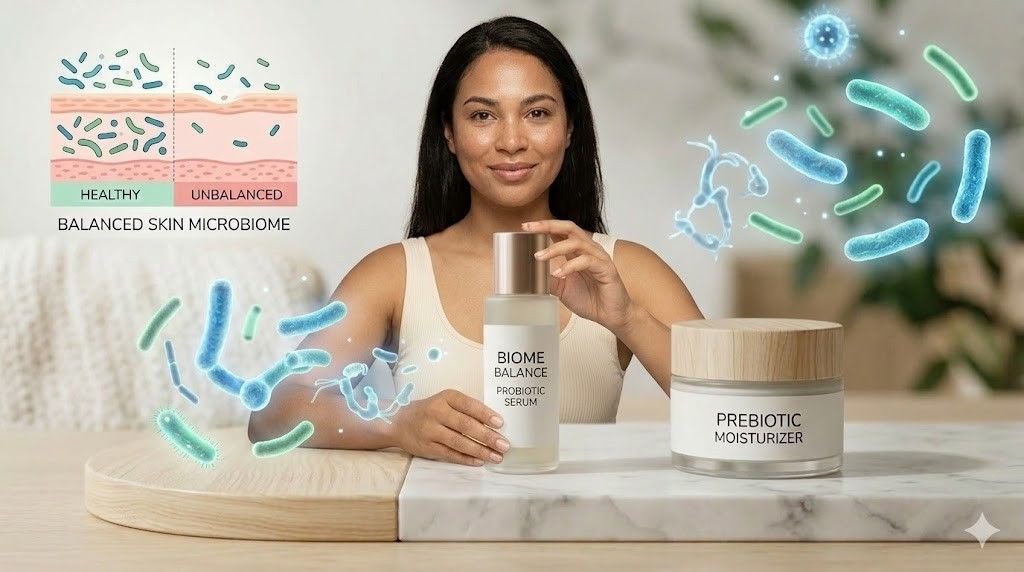
In recent years, skincare has moved far beyond simple cleansing and moisturizing. Instead of focusing only on visible symptoms like dryness, acne, or irritation, modern skincare science is now paying close attention to something invisible but incredibly powerful: the skin microbiome. This microscopic ecosystem—made up of bacteria, fungi, and other microorganisms living on the skin’s surface—plays a major role in how healthy, resilient, and balanced your skin remains every day. New scientific reviews published in 2025 and 2026 describe the skin microbiome as a foundational part of barrier protection, immune regulation, and inflammation control, which is why microbiome skincare is increasingly seen as one of the most important future directions in cosmetic science.
Microbiome skincare is not about adding random bacteria to your face. Instead, it focuses on protecting beneficial microorganisms, supporting barrier recovery, reducing irritation, and helping skin defend itself naturally. As more consumers struggle with sensitivity, over-exfoliation, pollution damage, and barrier disruption, microbiome-focused products are becoming highly relevant.
This guide explains everything you need to know about microbiome skincare: what it is, why it matters, how it works, best ingredients, who needs it, and how to build a microbiome-friendly routine.
What Is the Skin Microbiome?
The skin microbiome is a community of trillions of microorganisms naturally living on your skin. These include:
- Beneficial bacteria
- Yeasts
- Fungi
- Viruses
- Other microscopic organisms
Although the word “bacteria” often sounds negative, many skin bacteria are essential for healthy skin.
These microbes help:
- Prevent harmful bacteria from growing
- Maintain ideal skin pH
- Support moisture retention
- Reduce inflammation
- Strengthen skin defense mechanisms
Healthy skin is not sterile. It thrives because of microbial balance. Scientific reviews now show that when this balance is disrupted—called dysbiosis—common skin problems increase, including acne, eczema, rosacea, and premature aging.
Why the Skin Microbiome Matters More Than Ever
Modern lifestyles constantly damage microbial balance.
Common disruptors include:
- Over-cleansing
- Strong exfoliants
- Alcohol-heavy products
- Pollution
- UV exposure
- Stress
- Poor sleep
- Excessive antibacterial ingredients
When beneficial microbes decrease, harmful organisms can dominate.
This often leads to:
- Tight skin
- Redness
- Dry patches
- Breakouts
- Sensitivity
- Inflammation
Recent dermatology research highlights that microbiome imbalance also accelerates barrier weakness and skin aging because inflammation remains active for longer periods.
Why Microbiome Skincare Is Called the Future of Skin Health
Traditional skincare often focuses on removing oil, fighting acne aggressively, or forcing rapid exfoliation.
Microbiome skincare follows a different philosophy:
Protect first, correct second.
Instead of attacking skin aggressively, it aims to help skin regulate itself naturally.
This approach is becoming popular because many people now experience:
- Sensitive skin
- Barrier damage
- Retinol irritation
- Acid overuse
- Climate-related dryness
A growing number of consumers also report better long-term results with gentler barrier-focused routines rather than aggressive treatments, especially in online skincare communities.
How Microbiome Skincare Works
Microbiome skincare usually supports skin through three major categories:
1. Prebiotics
Prebiotics feed beneficial bacteria already living on your skin.
They help good microbes grow stronger.
Common prebiotic ingredients:
- Inulin
- Alpha-glucan oligosaccharide
- Oat extract
- Fermented sugars
2. Probiotics
Probiotics contain bacterial extracts or lysates.
In skincare, live bacteria are rare because stability is difficult.
Instead, brands use probiotic-derived ingredients.
Examples:
- Lactobacillus ferment
- Bifida ferment lysate
- Streptococcus thermophilus ferment
3. Postbiotics
Postbiotics are beneficial compounds produced by bacteria.
These are now considered especially promising because they are stable and effective.
Recent research identifies postbiotics as highly important for barrier repair and inflammation reduction.
Examples:
- Peptides
- Organic acids
- Fermented metabolites
Signs Your Skin Needs Microbiome Support
Your skin may benefit from microbiome-focused care if you notice:
- Sudden sensitivity
- Burning after skincare
- Frequent redness
- Tightness after washing
- Random breakouts
- Flaking
- Difficulty tolerating active ingredients
Many people unknowingly damage their microbiome through overuse of exfoliants.
The Connection Between Skin Barrier and Microbiome
The skin barrier and microbiome work together constantly.
A healthy barrier:
- Holds moisture
- Blocks irritants
- Maintains ideal pH
A healthy microbiome:
- Protects barrier proteins
- Prevents inflammation
- Supports healing
If one weakens, the other suffers.
That is why microbiome skincare almost always overlaps with barrier repair skincare.
Best Ingredients in Microbiome Skincare
Fermented Ingredients
Fermented skincare is rich in microbiome-supportive compounds.
Popular options:
- Bifida ferment lysate
- Galactomyces ferment filtrate
- Lactobacillus ferment
These can improve hydration and calm skin.
Ceramides
Ceramides help reinforce barrier lipids.
They indirectly support microbial balance by preventing water loss.
Colloidal Oatmeal
Excellent for sensitive skin.
It acts as a natural prebiotic.
Niacinamide
Supports barrier repair and reduces inflammation.
Thermal Water Minerals
Minerals may support microbial diversity.
Ingredients That Can Harm the Skin Microbiome
Some ingredients are useful in moderation but harmful when overused.
Harsh Sulfates
Can strip beneficial oils.
Strong Alcohols
May dry skin excessively.
Frequent High-Acid Exfoliation
Too many acids can disturb skin flora.
Overuse of Antibacterial Products
Kills beneficial organisms too.
Microbiome Skincare for Acne
Acne is often linked to microbial imbalance, not just oil production.
Certain bacteria naturally exist on acne-prone skin, but imbalance matters more than presence alone.
Microbiome-friendly acne care means:
- Gentle cleansing
- Controlled actives
- Barrier support
- Reduced inflammation
Instead of aggressively drying skin, newer acne strategies aim for balance.
Microbiome Skincare for Sensitive Skin
Sensitive skin often improves when routines become simpler.
Microbiome support helps reduce:
- Burning
- Redness
- Reactivity
A damaged microbiome often explains why products suddenly start stinging.
Microbiome Skincare for Aging Skin
Emerging research in 2025 shows aging skin loses microbial diversity. This contributes to:
- Slower repair
- Increased dryness
- More inflammation
- Reduced elasticity
That is why microbiome skincare is now entering anti-aging formulas.
Microbiome and the Gut-Skin Axis
Skin health is connected to gut health too.
Internal factors affecting skin microbes include:
- Diet
- Stress
- Antibiotics
- Sleep quality
A poor gut environment may influence skin inflammation.
Helpful foods include:
- Yogurt
- Kefir
- Fermented vegetables
- Fiber-rich fruits
- Green vegetables
How to Build a Microbiome-Friendly Skincare Routine
Morning Routine
Gentle Cleanser
Choose sulfate-free cleanser.
Hydrating Serum
Use fermented or barrier-support ingredients.
Moisturizer
Look for ceramides and prebiotics.
Sunscreen
UV exposure disrupts microbiome balance.
Night Routine
Mild Cleanser
Avoid over-cleansing.
Repair Serum
Use probiotics or postbiotics.
Barrier Cream
Seal hydration overnight.
Minimal Routine for Damaged Microbiome
If skin feels irritated:
- Gentle cleanser
- Simple moisturizer
- Sunscreen
Pause strong actives for several days.
Can You Use Retinol with Microbiome Skincare?
Yes, but carefully.
Best strategy:
- Use retinol on alternate nights
- Add barrier-support moisturizer
- Avoid strong acids same night
Microbiome-support products reduce retinol irritation.
Can Exfoliation Damage Microbiome?
Too much exfoliation can absolutely disrupt microbial balance.
Safe frequency:
- 1–2 times weekly for most skin types
Avoid:
- Daily acids
- Multiple exfoliants together
Why Fermented Skincare Is Growing Fast
Fermented skincare naturally supports microbiome science.
Benefits include:
- Smaller molecules
- Better absorption
- More soothing compounds
This is why many Korean skincare products use fermented ingredients.
Common Myths About Microbiome Skincare
Myth 1: More bacteria is always better
Wrong—balance matters most.
Myth 2: Probiotic skincare contains live yogurt bacteria
Usually false.
Most formulas use extracts or lysates.
Myth 3: Results are instant
Microbiome repair takes consistency.
How Long Does Microbiome Repair Take?
Visible improvement often takes:
- 2 weeks for mild irritation
- 4–8 weeks for barrier recovery
Patience matters.
Is Microbiome Skincare Worth It?
For many people, yes.
Especially if you have:
- Sensitive skin
- Barrier damage
- Over-exfoliation
- Chronic redness
However, not every product labeled “microbiome” has strong science behind it. Recent scientific reviews also warn that some marketing claims currently exceed available clinical evidence, so ingredient quality matters more than trendy labeling.
The Future of Personalized Microbiome Skincare
Future skincare may include:
- Skin microbiome testing
- Customized formulas
- Personalized bacterial support
Researchers and skincare communities increasingly expect personalized microbiome products to grow significantly over the next decade.
Final Thoughts
Microbiome skincare represents a major shift in how we think about skin health.
Instead of forcing quick results through harsh treatment, it respects skin as a living ecosystem.
Healthy skin is not achieved by removing everything—it is achieved by supporting what already protects you naturally.
As science advances, microbiome skincare will likely become one of the most important pillars of modern skincare, alongside sun protection, barrier repair, and targeted actives.
The future of skin health is not stronger products.
It is smarter balance.
FAQs: Microbiome Skincare – The Future of Skin Health
1. What is microbiome skincare?
Microbiome skincare refers to products designed to support the natural balance of beneficial microorganisms living on the skin. It helps strengthen the skin barrier, reduce irritation, and maintain healthy skin.
2. Why is the skin microbiome important?
The skin microbiome protects against harmful bacteria, supports hydration, regulates inflammation, and helps maintain overall skin health.
3. Who should use microbiome skincare?
Microbiome skincare is especially useful for people with sensitive skin, dryness, redness, acne-prone skin, or a damaged skin barrier.
4. Can microbiome skincare help acne?
Yes, microbiome skincare may help acne by supporting bacterial balance and reducing inflammation without over-drying the skin.
5. What ingredients are common in microbiome skincare?
Popular ingredients include probiotics, prebiotics, postbiotics, fermented extracts, ceramides, niacinamide, and colloidal oatmeal.
6. Are probiotics in skincare live bacteria?
Most probiotic skincare products use bacterial lysates or fermented extracts rather than live bacteria because they are more stable in cosmetic formulas.
7. Can microbiome skincare repair a damaged skin barrier?
Yes, many microbiome-supporting products also contain barrier-repair ingredients that help restore moisture and reduce sensitivity.
8. Is microbiome skincare good for sensitive skin?
Yes, it is often ideal for sensitive skin because it focuses on gentle support rather than harsh active ingredients.
9. How long does microbiome skincare take to work?
Visible improvement may take 2 to 8 weeks depending on skin condition and routine consistency.
10. Can I use retinol with microbiome skincare?
Yes, microbiome-friendly moisturizers and serums can help reduce irritation when using retinol.
11. Does over-cleansing damage the skin microbiome?
Yes, frequent washing with harsh cleansers can strip beneficial bacteria and weaken the skin barrier.
12. Is fermented skincare part of microbiome skincare?
Yes, fermented ingredients often support microbiome health and provide soothing, hydrating benefits.
13. Can microbiome skincare help eczema or redness?
It may help reduce flare-ups by strengthening barrier function and calming inflammation, though medical treatment may still be needed for severe cases.
14. Is microbiome skincare safe for daily use?
Yes, most microbiome-focused products are designed for everyday use.
15. Why is microbiome skincare called the future of skin health?
Because modern skincare science increasingly recognizes that balanced skin bacteria are essential for long-term skin resilience, hydration, and protection.
Also read :