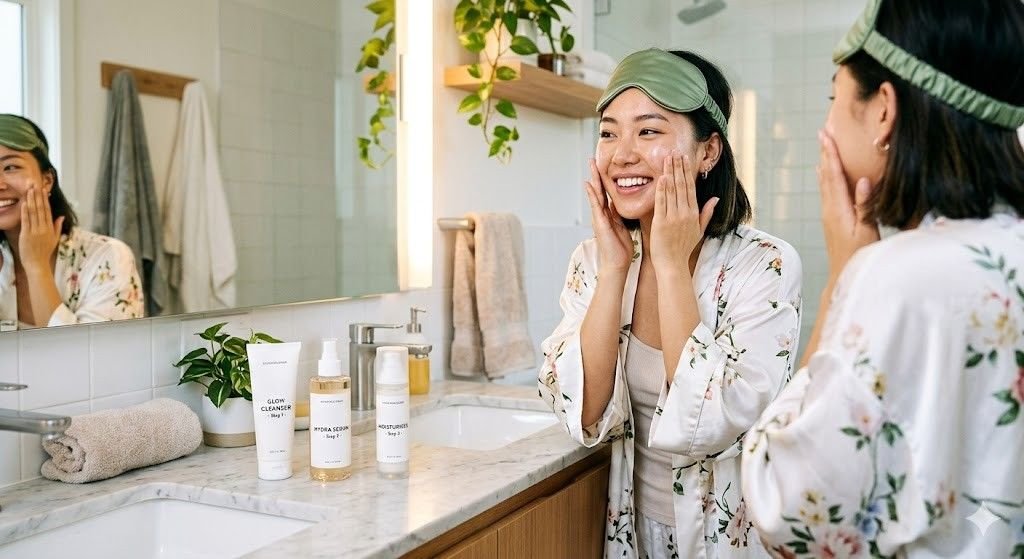
Gen Z Skincare Routine : Gen Z is redefining the way people approach skincare. Unlike previous generations that often relied heavily on makeup to cover skin concerns, Gen Z prioritizes healthy, natural skin. With the influence of social media, dermatology awareness, and ingredient-focused products, young consumers are building smarter and more effective skincare routines.
From sunscreen awareness to minimalist routines, Gen Z skincare is all about prevention, skin barrier health, and simplicity. Instead of complicated multi-step routines, many Gen Z users prefer products that are gentle, effective, and backed by science.
In this comprehensive guide, you’ll learn what makes Gen Z skincare unique, the best simple skincare routine for healthy skin, key ingredients Gen Z loves, and common skincare mistakes to avoid.
Why Gen Z Is Obsessed With Skincare
Skincare has become a major lifestyle trend for Gen Z. Several factors explain why younger consumers care more about skincare than ever before.
1. Social Media Influence
Platforms like TikTok, Instagram, and YouTube have made skincare education widely accessible. Dermatologists, skincare influencers, and beauty creators regularly share tips, product reviews, and routines.
This has made Gen Z more informed about skincare ingredients and skin health.
2. Prevention Over Correction
Unlike older generations that focused on anti-aging later in life, Gen Z emphasizes preventative skincare.
This means:
- Using sunscreen daily
- Protecting the skin barrier
- Avoiding harsh products
Starting early can help prevent long-term skin damage.
3. Ingredient Awareness
Gen Z consumers are highly knowledgeable about skincare ingredients.
They frequently research ingredients like:
- Hyaluronic acid
- Niacinamide
- Retinol
- Vitamin C
Many Gen Z users even check ingredient lists before buying skincare products.
4. Preference for Minimalism
Many Gen Z skincare enthusiasts prefer simple routines with fewer products.
This approach reduces irritation and supports healthy skin.
Minimalist skincare focuses on essential steps rather than complicated 10-step routines.
Understanding Your Skin Type
Before building a skincare routine, it’s important to understand your skin type.
Oily Skin
Produces excess oil and may experience frequent breakouts.
Signs:
- Shiny appearance
- Enlarged pores
- Acne or blackheads
Dry Skin
Lacks moisture and may feel tight or flaky.
Signs:
- Rough texture
- Flaking skin
- Dull appearance
Combination Skin
A mix of oily and dry areas.
Signs:
- Oily T-zone (forehead, nose, chin)
- Dry cheeks
Sensitive Skin
Reacts easily to skincare products.
Signs:
- Redness
- Burning sensation
- Irritation
Knowing your skin type helps you choose the right products.
The Ideal Gen Z Skincare Routine
A simple skincare routine typically includes five essential steps.
Step 1: Gentle Cleanser
Cleansing removes dirt, oil, sweat, and pollution from the skin.
A gentle cleanser helps maintain the skin’s natural balance without stripping moisture.
Tips:
- Wash your face twice daily
- Use lukewarm water
- Avoid harsh scrubs
For acne-prone skin, look for ingredients like salicylic acid or tea tree extract.
Step 2: Toner (Optional but Helpful)
Toners help balance the skin’s pH and prepare it for other products.
Hydrating toners can also provide extra moisture.
Good toner ingredients:
- Aloe vera
- Green tea
- Hyaluronic acid
Avoid alcohol-based toners that may dry out the skin.
Step 3: Serum or Treatment
Serums deliver concentrated ingredients that target specific skin concerns.
Gen Z often chooses lightweight serums that address issues such as acne, dullness, or dehydration.
Popular serum ingredients
Niacinamide
- Controls oil production
- Reduces redness
- Improves skin texture
Vitamin C
- Brightens skin
- Fights free radicals
- Helps fade dark spots
Hyaluronic Acid
- Deeply hydrates skin
- Plumps fine lines
- Improves skin softness
Step 4: Moisturizer
Moisturizers are essential for all skin types—even oily skin.
They help maintain hydration and protect the skin barrier.
Moisturizer types
Gel moisturizers
Best for oily or acne-prone skin.
Cream moisturizers
Best for dry skin.
Light lotions
Suitable for combination skin.
Step 5: Sunscreen (Most Important Step)
Sunscreen is the most important skincare product for preventing premature aging and sun damage.
Daily sun protection helps prevent:
- Wrinkles
- Dark spots
- Skin cancer
- Hyperpigmentation
Sunscreen tips
- Use SPF 30 or higher
- Apply every morning
- Reapply every 2–3 hours if outdoors
Gen Z has become one of the most sunscreen-conscious generations.
Weekly Skincare Additions
Gen Z Skincare: In addition to daily routines, Gen Z often incorporates weekly skincare treatments.
Exfoliation
Exfoliation removes dead skin cells and improves skin texture.
However, over-exfoliating can damage the skin barrier.
Safe exfoliation frequency
1–2 times per week.
Types of exfoliants
Chemical exfoliants
- AHAs (glycolic acid, lactic acid)
- BHAs (salicylic acid)
Physical exfoliants
Gentle scrubs.
Chemical exfoliants are generally recommended for better results.
Face Masks
Face masks provide targeted skincare benefits.
Popular options
Clay masks
Help absorb excess oil.
Sheet masks
Provide intense hydration.
Hydrating masks
Restore moisture.
Using masks once or twice weekly can enhance your routine.
Skincare Ingredients Gen Z Loves
Gen Z is highly ingredient-focused when selecting skincare products.
Here are some popular ingredients.
Niacinamide
Niacinamide is one of the most popular skincare ingredients among Gen Z.
Benefits include:
- Reducing redness
- Minimizing pores
- Controlling oil
- Strengthening the skin barrier
Hyaluronic Acid
This ingredient is known for its powerful hydrating properties.
It helps the skin retain moisture and maintain a plump appearance.
Retinol
Retinol is a vitamin A derivative that promotes skin cell turnover.
Benefits include:
- Acne treatment
- Anti-aging effects
- Improved skin texture
Gen Z typically uses low concentrations to avoid irritation.
Centella Asiatica
Often called “cica,” this ingredient is popular in Korean skincare.
Benefits include:
- Calming irritation
- Healing damaged skin
- Reducing redness
Snail Mucin
Snail mucin has become a trending ingredient due to its ability to:
- Hydrate skin
- Improve skin repair
- Support a healthy skin barrier
Gen Z Skincare Trends
Gen Z continues to drive new beauty trends.
Skin Cycling
Skin cycling involves rotating active ingredients over several days to avoid irritation.
Example routine:
Day 1 – Exfoliation
Day 2 – Retinol
Day 3–4 – Recovery and hydration
Skin Flooding
Skin flooding focuses on layering hydrating products to deeply moisturize the skin.
Steps include:
- Applying toner
- Using hydrating serum
- Sealing with moisturizer
Minimalist Skincare
Many Gen Z users prefer fewer but more effective products.
A simple routine reduces the risk of irritation and supports skin health.
Sustainable Skincare
Gen Z is highly conscious about environmental impact.
Popular choices include:
- Cruelty-free brands
- Refillable packaging
- Eco-friendly ingredients
Common Skincare Mistakes Gen Z Should Avoid
Even with growing skincare knowledge, mistakes can still happen.
Overusing Active Ingredients
Using too many strong ingredients at once can irritate the skin.
Examples include:
- Retinol
- AHAs
- BHAs
- Vitamin C
It’s better to introduce actives slowly.
Skipping Sunscreen
Even though sunscreen awareness is growing, some people still skip it.
Daily SPF is essential for long-term skin health.
Following Viral Trends Without Research
Social media trends can be fun but not always safe.
Always verify skincare advice from trusted sources or dermatologists.
Over-Exfoliating
Excess exfoliation can damage the skin barrier and lead to redness or breakouts.
Stick to gentle exfoliation once or twice weekly.
Using Too Many Products
Layering too many products can overwhelm the skin.
A simple routine is often more effective.
Healthy Habits That Improve Skin
Skincare products alone are not enough for healthy skin.
Lifestyle habits also play a major role.
Stay Hydrated
Drinking enough water helps maintain skin hydration.
Get Enough Sleep
Sleep supports skin repair and regeneration.
Poor sleep can cause dull skin and dark circles.
Eat a Balanced Diet
Nutrients such as vitamins A, C, and E support healthy skin.
Foods that benefit skin include:
- Fruits
- Vegetables
- Nuts
- Whole grains
Manage Stress
Stress can trigger acne and other skin issues.
Relaxation techniques like meditation and exercise can help.
Future of Gen Z Skincare
Gen Z will likely continue shaping the future of skincare.
Emerging trends include:
- Personalized skincare routines
- AI-powered skin analysis
- Microbiome-friendly products
- Sustainable beauty innovations
As technology advances, skincare solutions will become even more customized and effective.
Conclusion for Gen Z Skincare
Gen Z skincare focuses on simplicity, prevention, and skin health.
Instead of complicated routines, many young people prefer minimalist skincare that supports the skin barrier and protects against environmental damage.
A basic routine that includes cleanser, moisturizer, sunscreen, and targeted treatments can help maintain healthy skin for years to come.
By understanding your skin type, choosing the right ingredients, and avoiding common mistakes, you can build a skincare routine that supports clear, radiant skin.
FAQs About Gen Z Skincare Routine
1. Why is skincare important for Gen Z?
Skincare is important for Gen Z because it helps maintain healthy skin, prevent acne, and protect against long-term damage such as premature aging and sun exposure.
2. What skincare products should Gen Z use daily?
A basic daily routine for Gen Z should include:
- Gentle cleanser
- Lightweight moisturizer
- Sunscreen (SPF 30 or higher)
- Optional serum for specific concerns
3. Is a 10-step skincare routine necessary for Gen Z?
No. Most dermatologists recommend a simple routine with 3–5 essential products rather than a complicated multi-step routine.
4. What are the best skincare ingredients for teenagers?
Some beginner-friendly skincare ingredients include:
- Niacinamide
- Hyaluronic acid
- Salicylic acid
- Vitamin C
- Centella asiatica
These ingredients help address common concerns like acne, oiliness, and dull skin.
5. Can Gen Z use retinol?
Yes, but it should be used carefully. Low-strength retinol can help with acne and early signs of aging, but it should be introduced gradually to avoid irritation.
6. How often should Gen Z wash their face?
Most dermatologists recommend washing your face twice daily—once in the morning and once before bed.
7. Is sunscreen necessary for Gen Z even indoors?
Yes. Sunscreen helps protect the skin from UV rays that can penetrate windows and contribute to skin damage.
8. What skincare mistakes are common among Gen Z?
Common mistakes include:
- Over-exfoliating
- Using too many active ingredients
- Skipping sunscreen
- Following viral skincare trends without research
9. Can Gen Z use anti-aging skincare products?
Yes. Preventative skincare, such as using sunscreen and antioxidants, can help maintain youthful skin and delay signs of aging.
10. What is the biggest skincare trend among Gen Z?
Popular Gen Z skincare trends include:
- Skin cycling
- Minimalist skincare routines
- Barrier repair skincare
- Ingredient-focused skincare
11. How long does it take to see results from a skincare routine?
Most skincare routines take 4–6 weeks to show noticeable improvements because the skin needs time to complete its natural renewal cycle.
12. What lifestyle habits improve skin health for Gen Z?
Healthy habits that support good skin include:
- Drinking enough water
- Getting adequate sleep
- Eating a balanced diet
- Managing stress
- Avoiding excessive sugar and processed foods
Also read :