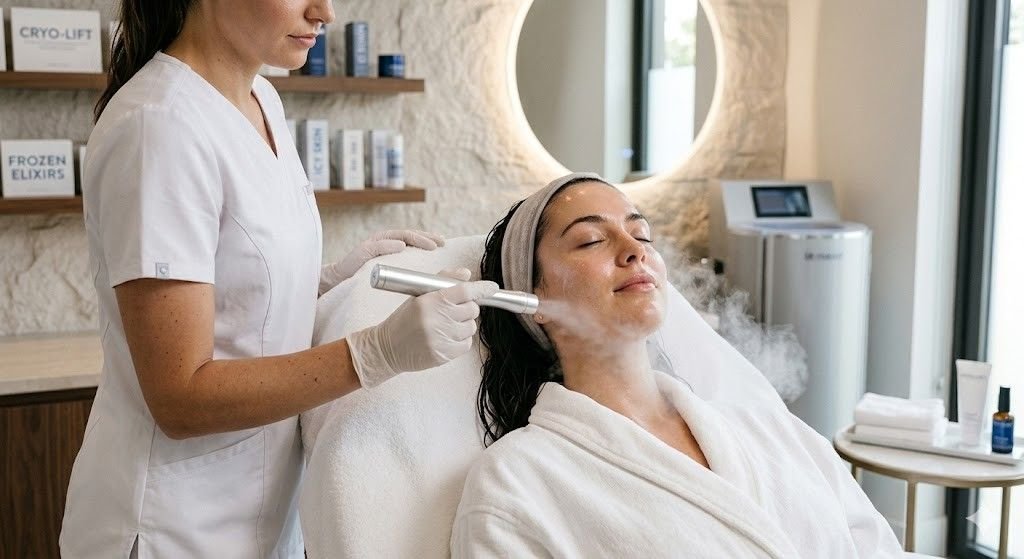
The beauty industry constantly introduces new skincare innovations—from glass skin routines to skin cycling. One of the most talked-about trends today is cryotherapy skincare, often called cryo facials or skin icing. Celebrities, athletes, and skincare influencers claim that exposing the skin to extremely cold temperatures can reduce inflammation, tighten pores, and deliver a radiant glow.
But does freezing your face really improve your skin? Is cryotherapy safe? And should you add it to your skincare routine?
This comprehensive guide explores what cryotherapy skincare is, how it works, benefits, risks, and whether the trend actually lives up to the hype.
What Is Cryotherapy in Skincare?
Cryotherapy comes from the Greek words “cryo” (cold) and “therapy” (treatment). In skincare, it refers to using extremely cold temperatures to treat the skin and improve its appearance.
Professional cryotherapy facials typically involve vaporized liquid nitrogen or cold air applied to the face using a special machine. The procedure usually lasts 2–3 minutes and can reach temperatures as low as –200°F (–129°C).
When the skin is exposed to intense cold:
- Blood vessels temporarily constrict
- Inflammation decreases
- Circulation increases after warming
- The skin appears tighter and more refreshed
As blood flow returns to normal, the skin may look brighter, plumper, and more energized.
Why Cryotherapy Skincare Is Trending
Cryotherapy skincare gained popularity due to several factors:
1. Celebrity Endorsements
Many celebrities and athletes use cryotherapy treatments to reduce inflammation and improve recovery.
2. Social Media Virality
Platforms like TikTok and Instagram popularized skin icing, where people rub ice cubes or frozen tools on their face.
3. Quick Results
Cryotherapy offers instant cosmetic effects, such as reduced puffiness and glowing skin.
4. Non-Invasive Treatment
Unlike chemical peels or lasers, cryotherapy facials usually involve no downtime or recovery period.
These factors have made cryotherapy one of the fastest-growing beauty trends worldwide.
Types of Cryotherapy Skincare Treatments
Cryotherapy in skincare exists in several forms—from professional treatments to simple home techniques.
1. Professional Cryotherapy Facial
A professional cryofacial is performed in clinics or spas using machines that release cold nitrogen vapor onto the skin.
Typical features:
- Treatment time: 10–15 minutes
- Extremely cold air applied to face
- Immediate tightening effect
- Costs between $40–$150 per session
Benefits often include brighter skin and temporary wrinkle reduction.
2. Whole-Body Cryotherapy
Although primarily used for muscle recovery, some people believe full-body cryotherapy benefits skin health.
In this treatment:
- The body enters a cryotherapy chamber
- Temperatures drop below –100°C
- Exposure lasts about 2–3 minutes
However, skincare benefits from whole-body cryotherapy are still debated.
3. Cryo Facial Tools
At-home cryotherapy tools have become extremely popular.
Examples include:
- Ice rollers
- Cryo sticks
- Cooling globes
- Refrigerated face masks
These tools cool the skin mildly and help reduce puffiness and redness.
4. Skin Icing
The simplest version of cryotherapy is skin icing, where ice cubes wrapped in cloth are applied to the face.
Benefits may include:
- Reduced swelling
- Temporary pore tightening
- Calming irritated skin
Experts recommend wrapping ice in cloth and limiting use to a few minutes to avoid skin damage.
How Cryotherapy Works on Skin
Cryotherapy works through a process known as thermal shock.
When the skin experiences sudden cold exposure:
1. Vasoconstriction
Blood vessels shrink, reducing inflammation and redness.
2. Improved Circulation
After the skin warms up, blood flow increases, delivering oxygen and nutrients.
3. Collagen Stimulation
Cold exposure may stimulate collagen production, helping maintain firm skin.
4. Reduced Inflammation
Cold temperatures slow inflammatory responses in the skin.
These mechanisms explain why cryotherapy can temporarily improve skin appearance.
Benefits of Cryotherapy for Skin
Cryotherapy facials offer several potential benefits.
1. Reduces Puffiness
Cold therapy constricts blood vessels, which can reduce swelling and under-eye puffiness.
This makes cryotherapy popular for morning skincare routines.
2. Brightens the Skin
Improved circulation brings oxygen and nutrients to skin cells, creating a healthy glow.
Many people notice immediate brightness after treatment.
3. Tightens Pores
Cold temperatures cause pores to temporarily tighten, making the skin appear smoother.
However, this effect is temporary rather than permanent.
4. Reduces Inflammation
Cryotherapy can calm irritated skin and reduce redness caused by acne or rosacea.
Cold exposure suppresses inflammatory reactions in the skin.
5. May Improve Acne
Cooling the skin can:
- Reduce oil production
- Calm inflamed breakouts
- Decrease redness around pimples
For this reason, cryotherapy is sometimes used as a complementary acne treatment.
6. Anti-Aging Effects
Cryotherapy may stimulate collagen production, which helps maintain skin elasticity and firmness.
This can slightly reduce the appearance of fine lines.
7. Soothes Sensitive Skin
Cold therapy can calm irritation from environmental damage or harsh skincare products.
People with sensitive skin sometimes find cryotherapy gentler than heat-based facials.
Does Cryotherapy Actually Work?
Cryotherapy does provide some skincare benefits, but many effects are temporary.
Research suggests the main results include:
- Reduced inflammation
- Temporary tightening
- Improved circulation
- Short-term glow
However, experts say cryotherapy is not a miracle treatment and cannot replace a proper skincare routine.
Consistent treatments may produce longer-lasting results, but more scientific research is still needed.
Cryotherapy Skincare Routine
If you want to try cryotherapy at home, follow this simple routine.
Step 1: Cleanse Your Face
Start with a gentle cleanser to remove dirt and oil.
Step 2: Apply Serum
Use a hydrating serum or essence before cryotherapy.
Step 3: Use Cold Tools
Apply an ice roller or cryo globe in upward motions for 1–3 minutes.
Step 4: Moisturize
Follow with moisturizer to lock in hydration.
Step 5: Apply Sunscreen
Always finish with SPF during daytime routines.
Cryotherapy Aftercare Tips
To maximize results:
- Hydrate your skin with moisturizers
- Avoid harsh exfoliants immediately after treatment
- Use sunscreen daily
- Drink plenty of water
Proper aftercare helps maintain skin balance and prevent irritation.
Risks and Side Effects of Cryotherapy
Although generally safe, cryotherapy does carry some risks.
1. Frostbite and Cold Burns
Extreme cold can damage skin if exposure is too long.
Possible symptoms include:
- Pain
- Skin discoloration
- Blisters
Cold burns are rare but possible with improper use.
2. Broken Capillaries
People with sensitive skin may develop visible blood vessels after cryotherapy.
3. Skin Discoloration
Cryotherapy can sometimes cause temporary or permanent pigmentation changes, particularly in darker skin tones.
4. Cold-Related Allergic Reactions
Some individuals experience cold urticaria, which causes hives after exposure to cold temperatures.
5. Oxygen Deficiency Risks
Professional cryotherapy chambers using nitrogen can reduce oxygen levels if ventilation is poor.
For this reason, treatments should always be performed by trained professionals.
Who Should Avoid Cryotherapy?
Cryotherapy may not be suitable for everyone.
People who should avoid it include:
- Individuals with Raynaud’s disease
- People with cold urticaria
- Those with vascular disorders
- Individuals with severe sensitive skin
- People with open wounds or infections
Always consult a dermatologist before trying professional cryotherapy.
Cryotherapy vs Other Skincare Treatments
| Treatment | Main Benefit | Downtime |
|---|---|---|
| Cryotherapy | Reduces inflammation | None |
| Chemical peel | Exfoliation | Several days |
| Laser therapy | Skin resurfacing | Moderate |
| Microdermabrasion | Gentle exfoliation | Minimal |
Cryotherapy is primarily a maintenance treatment, not a deep corrective procedure.
At-Home Cryotherapy Tools
If professional treatments feel expensive, many at-home tools mimic cryotherapy effects.
Popular options include:
- Ice rollers
- Cryo sticks
- Cooling sheet masks
- Refrigerated jade rollers
These tools deliver mild cooling rather than extreme cold.
Natural Alternatives to Cryotherapy
If you prefer gentler skincare methods, try these alternatives:
Cold Green Tea Compress
Reduces inflammation and provides antioxidants.
Aloe Vera Gel
Soothes irritated skin naturally.
Cucumber Slices
Helps reduce puffiness around the eyes.
Refrigerated Skincare Products
Cooling moisturizers can calm redness and irritation.
Future of Cryotherapy in Skincare
The cryotherapy trend continues to evolve as technology advances.
Emerging innovations include:
- Controlled cryotherapy devices
- Cryogenic skincare tools
- Combination treatments with LED therapy
Researchers are also studying how controlled cold exposure may help treat conditions like rosacea and inflammation.
Final Verdict: Is Cryotherapy Worth It?
Cryotherapy skincare can provide quick, visible improvements in skin appearance, especially for reducing puffiness and redness.
However, it is important to understand:
- Results are often temporary
- Scientific evidence is still developing
- Improper use can cause skin damage
When performed safely, cryotherapy can be a fun and refreshing addition to your skincare routine—but not a replacement for consistent skincare habits.
FAQs About Cryotherapy Skincare
1. What does cryotherapy do for your skin?
Cryotherapy exposes the skin to extremely cold temperatures, which helps reduce inflammation, tighten pores, and stimulate blood circulation. This can make the skin appear brighter, smoother, and less puffy.
2. Is cryotherapy good for anti-aging?
Cryotherapy may support anti-aging by stimulating collagen production and improving blood flow. These effects can temporarily reduce the appearance of fine lines and make the skin look firmer.
3. How long do cryotherapy facial results last?
Most cryotherapy facial results are temporary and can last anywhere from a few hours to several days, depending on skin type and skincare routine.
4. Can cryotherapy help with acne?
Cryotherapy may help calm acne inflammation, reduce redness, and decrease swelling around pimples. However, it should be used as a supportive treatment rather than a primary acne cure.
5. Does cryotherapy tighten pores permanently?
No, cryotherapy only temporarily tightens pores by constricting blood vessels and cooling the skin. Pore size naturally returns to normal once the skin warms up.
6. Is cryotherapy safe for all skin types?
Cryotherapy is generally safe for most skin types when done properly. However, individuals with very sensitive skin, broken capillaries, or cold allergies should consult a dermatologist before trying it.
7. Can you do cryotherapy skincare at home?
Yes. At-home cryotherapy methods include:
- Ice rollers
- Cryo globes
- Refrigerated skincare tools
- Skin icing with wrapped ice cubes
These methods provide mild cooling effects compared to professional treatments.
8. How often should you use cryotherapy on your face?
At-home cold tools can be used 3–4 times per week for a few minutes, while professional cryotherapy facials are usually recommended once every 2–3 weeks.
9. Does cryotherapy reduce dark circles?
Cold therapy can temporarily reduce dark circles by constricting blood vessels and decreasing under-eye puffiness. However, it does not permanently eliminate dark circles.
10. Are there any side effects of cryotherapy skincare?
Possible side effects include:
- Skin irritation
- Cold burns if used incorrectly
- Broken capillaries
- Temporary redness
These risks are rare when treatments are performed correctly.
11. Can cryotherapy improve skin glow?
Yes. Cryotherapy can increase blood circulation in the skin, which may create a temporary healthy glow and refreshed appearance.
12. What should you avoid after cryotherapy facial?
After a cryotherapy facial, it’s best to avoid:
- Harsh exfoliants
- Hot showers or steam facials
- Strong active ingredients like retinoids immediately after treatment
Using a gentle moisturizer and sunscreen is recommended.
Also read :