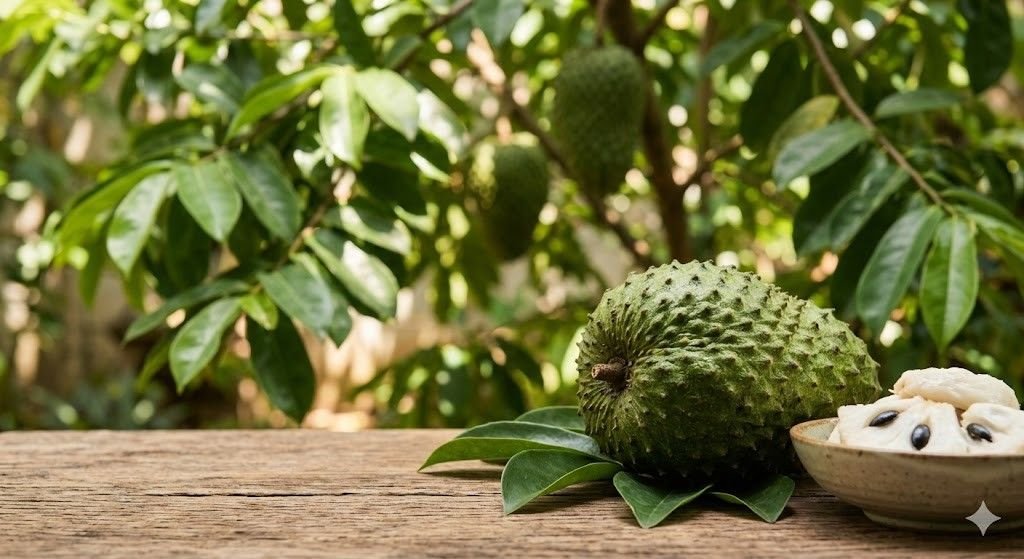
Soursop, also known as graviola, is one of the most talked-about tropical fruits in recent years because of its unique flavor, rich nutrition, and growing popularity in health-focused diets worldwide. This green spiky fruit has soft white flesh, a sweet-tangy taste, and a long history in traditional food culture across tropical regions. From smoothies and juices to herbal uses, soursop has become a favorite among fruit lovers who want both flavor and wellness in one fruit.
In this complete guide, you will learn everything about soursop: what it is, nutritional value, health benefits, how to eat it, how to grow it, possible side effects, and why it is trending globally.
What Is Soursop?
Soursop is a tropical fruit from the Annona family. It has:
- Green skin with soft spines
- White creamy pulp
- Black seeds
- Sweet and slightly sour flavor
The fruit grows mainly in warm tropical climates and is known for its fragrant aroma and refreshing taste.
Its flavor is often described as a blend of:
- Pineapple
- Strawberry
- Banana
- Citrus
Because of this unusual taste, soursop is widely used in beverages and desserts.
Other Names of Soursop
Depending on country and region, soursop is known by different names:
- Graviola
- Guanabana
- Brazilian paw paw
- Custard apple relative
In many tropical countries, the fruit is a traditional household favorite.
Origin and History of Soursop
Soursop originally comes from tropical parts of the Americas and later spread to Asia and Africa.
It is widely cultivated today in:
- India
- Sri Lanka
- Thailand
- Brazil
- Philippines
Warm climates with humidity make ideal growing conditions.
Nutritional Value of Soursop
Soursop contains several important nutrients.
Main nutrients in soursop:
- Vitamin C
- Fiber
- Potassium
- Magnesium
- Vitamin B1
- Vitamin B2
- Antioxidants
- Natural carbohydrates
A moderate serving provides energy while remaining naturally refreshing.
Top Health Benefits of Soursop
1. Rich in Antioxidants
Soursop contains antioxidants that help protect cells from oxidative stress.
These natural compounds may support overall wellness and healthy aging.
2. Supports Immune Function
The vitamin C content in soursop helps support immune defense.
Regular fruit intake can contribute to stronger daily nutritional balance.
3. Supports Digestion
Because soursop contains fiber, it may help digestion by supporting healthy bowel movement.
4. Hydrating Tropical Fruit
Its high water content makes it refreshing during hot weather.
This is one reason it is popular in tropical juices.
5. May Support Heart Health
Potassium in soursop contributes to healthy electrolyte balance and circulation.
6. Good for Skin Health
Vitamin C supports collagen production, which benefits skin appearance.
7. Provides Natural Energy
Natural fruit sugars give gentle energy without processed sweeteners.
What Does Soursop Taste Like?
One reason soursop is highly loved is its unique taste.
Many describe it as:
- Sweet with mild sourness
- Creamy texture
- Tropical fragrance
It is softer than many fruits and easy to blend.
How to Eat Soursop
Always remove seeds before eating.
Popular ways to enjoy soursop:
- Eat fresh pulp
- Blend into smoothies
- Make juice
- Add to ice cream
- Use in desserts
Soursop Juice Benefits
Soursop juice is especially popular because it is cooling and flavorful.
Benefits include:
- Hydration
- Easy digestion
- Refreshing natural sweetness
It is often prepared without heavy sugar because the fruit already has sweetness.
Soursop in Traditional Food Culture
In many tropical households, soursop is used in:
- Fresh fruit bowls
- Chilled drinks
- Fruit sherbets
- Frozen desserts
Its creamy pulp makes it ideal for recipes.
How to Grow Soursop at Home
Soursop trees grow well in warm climates.
Step 1: Choose healthy seeds
Fresh seeds germinate best.
Step 2: Use fertile soil
Well-drained soil supports healthy roots.
Step 3: Warm temperature is essential
Soursop dislikes frost.
Step 4: Water regularly
Moist soil supports early growth.
Step 5: Full sunlight
Trees need strong sun for fruiting.
Best Climate for Soursop
Ideal conditions:
- Tropical temperatures
- Humidity
- No frost
- Good rainfall
This is why southern and central warm regions often support growth.
Soursop Tree Characteristics
The tree usually has:
- Broad green leaves
- Fragrant flowers
- Medium height
- Seasonal fruiting
A healthy mature tree can produce many fruits annually.
Soursop vs Custard Apple
| Feature | Soursop | Custard Apple |
|---|---|---|
| Texture | Soft creamy | Grainy creamy |
| Flavor | Sweet-sour | Sweet |
| Skin | Green spiny | Segmented |
| Seeds | Many black seeds | Multiple seeds |
Both belong to related fruit families.
Why Soursop Is Trending Globally
Soursop has become highly popular because:
- Exotic tropical flavor
- Social media smoothie trends
- Growing health awareness
- Demand for unusual fruits
Many fruit markets now promote it as a premium tropical fruit.
Soursop for Weight-Friendly Diets
Because of fiber and water content, soursop can fit balanced diets when eaten in moderate portions.
Soursop for Skin and Beauty
Some people include soursop in beauty-focused diets because antioxidants may support healthy skin.
Possible beauty benefits:
- Hydration
- Vitamin support
- Skin freshness
Can Diabetics Eat Soursop?
Moderate portions may fit balanced diets, but portion control matters because fruit contains natural sugar.
Soursop for Children
Children often enjoy its sweet creamy taste when seeds are removed carefully.
It can be served as:
- Fruit pulp
- Smoothie
- Frozen fruit dessert
Storage Tips for Soursop
To keep freshness:
- Store unripe fruit at room temperature
- Refrigerate ripe fruit
- Use quickly after cutting
Ripe fruit softens fast.
Can Soursop Be Frozen?
Yes.
Frozen pulp is widely used for:
- Smoothies
- Sorbets
- Fruit bowls
Soursop in International Markets
Demand is increasing in:
- Europe
- North America
- Middle East
Because consumers want tropical nutrient-rich fruits.
Economic Importance of Soursop
Farmers value soursop because:
- Premium fruit demand
- Juice industry use
- Export opportunities
Possible Side Effects of Soursop
Moderation is important.
Possible concerns:
- Seeds should not be eaten
- Excessive intake is not advised
- Very ripe fruit spoils quickly
Always consume fresh edible pulp only.
Fun Facts About Soursop
- It belongs to the custard apple family
- The fruit can become very large
- It has one of the most unique tropical aromas
- Soft spines are harmless
Frequently Asked Questions (FAQs)
1.Is soursop sweet or sour?
It is sweet with mild sour notes.
2.Can soursop be eaten raw?
Yes, ripe pulp is eaten raw.
3.Are soursop seeds edible?
No, seeds should be removed.
4.Is soursop good for summer?
Yes, it is refreshing and hydrating.
5.Can soursop grow in India?
Yes, warm regions support growth.
6.How long does soursop take to fruit?
Usually several years after planting.
7.Is soursop juice healthy?
It provides vitamins and hydration.
8.Can soursop help digestion?
Its fiber supports digestion.
9.Why is soursop expensive?
It is delicate and seasonal.
10.Can soursop be frozen?
Yes, pulp freezes well.
Final Thoughts
Soursop is one of the most exciting tropical fruits available today. Its creamy white flesh, unusual flavor, nutritional richness, and refreshing nature make it popular in both traditional diets and modern wellness culture.
Whether eaten fresh, blended into juice, or used in desserts, soursop offers a delicious way to enjoy tropical fruit nutrition. As global fruit trends continue to favor unique superfruits, soursop is likely to remain one of the most desired tropical fruits worldwide
Also read :
Husk Cherries: Nutrition Facts, Taste, and Home Growing Tips