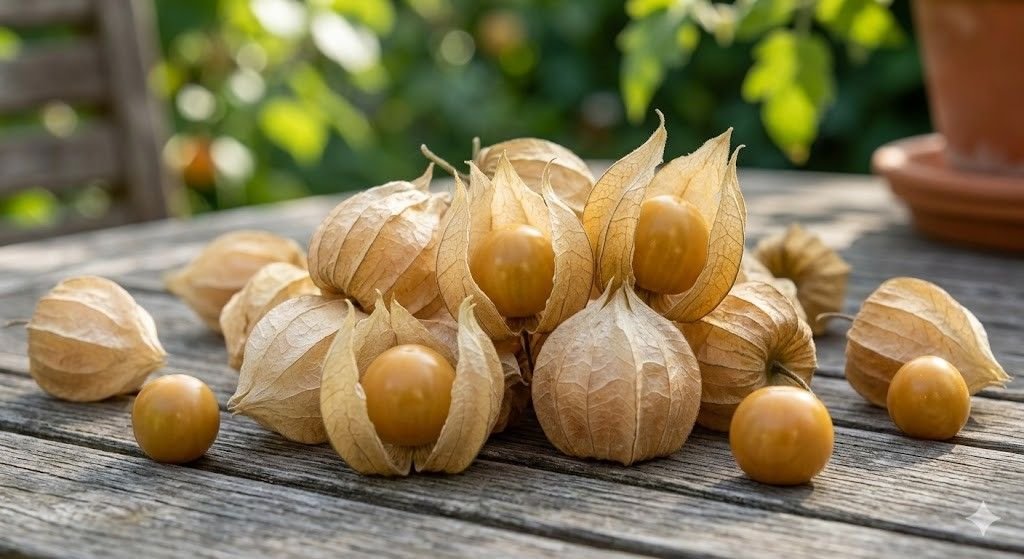
Husk cherries are one of the most interesting fruits in the world because they come wrapped in a delicate papery covering, almost like nature’s own packaging. Often confused with ground cherries, cape gooseberries, and golden berries, husk cherries belong to the Physalis family and are gaining popularity for their sweet-tart flavor, rich nutrition, and versatility in cooking. From gardens to gourmet kitchens, this small golden fruit is becoming a favorite among health-conscious people and fruit lovers alike.
In this complete guide, you will learn everything about husk cherries, including their origin, nutritional value, health benefits, how to grow them, culinary uses, and why they are becoming a trending fruit globally.
What Are Husk Cherries?
Husk cherry are small round fruits enclosed in a papery husk that resembles a lantern. They belong to the same botanical family as tomatoes and peppers, which is why their growth habit may look familiar to gardeners.
The fruit inside the husk is usually golden-yellow or orange when ripe. Its taste combines sweetness and tanginess, often described as a mix of pineapple, mango, tomato, and citrus.
The papery husk protects the fruit naturally while it grows and also helps preserve freshness after harvest.
Other Names for Husk Cherries
Depending on region and variety, husk cherries are known by several names:
- Ground cherries
- Golden berries
- Cape gooseberries
- Poha berries
- Inca berries
Although similar names are often used interchangeably, slight differences exist among varieties.
Origin and History of Husk Cherries
Husk cherries have ancient roots in Central and South America. Indigenous communities cultivated them long before modern agriculture spread them globally.
The fruit became widely known after European explorers introduced it to other parts of the world. Today, husk cherries grow in:
- Peru
- Colombia
- India
- South Africa
- United States
Nutritional Value of Husk Cherries
Husk cherries may be small, but they are nutrient-dense.
Nutrients found in husk cherries:
- Vitamin C
- Vitamin A
- Iron
- Phosphorus
- Fiber
- Antioxidants
- Polyphenols
- Carotenoids
A serving of husk cherries provides low calories while offering significant micronutrients.
Top Health Benefits of Husk Cherries
1. Rich in Antioxidants
Husk cherries contain antioxidants that help fight oxidative stress in the body. These compounds may support healthy aging and reduce cellular damage.
2. Supports Immunity
The vitamin C content helps strengthen immune defense and may improve resistance against seasonal illness.
3. Good for Eye Health
Vitamin A and carotenoids support healthy vision and may help protect eye tissues.
4. Aids Digestion
The fiber in husk cherries supports bowel health and improves digestion naturally.
5. Supports Weight Management
Because they are low in calories and high in fiber, husk cherries can be included in weight-friendly diets.
6. Helps Heart Health
Antioxidants and potassium may help support healthy blood circulation.
7. Anti-Inflammatory Properties
Natural plant compounds may help reduce inflammation in the body.
Husk Cherries vs Golden Berries
| Feature | Husk Cherries | Golden Berries |
|---|---|---|
| Flavor | Sweet-tart | More tangy |
| Size | Small to medium | Usually small |
| Husk | Thin paper husk | Similar paper husk |
| Use | Fresh, jam, desserts | Snacks, dried fruit |
In many markets, both names are used similarly.
How Husk Cherries Taste
Many people love husk cherries because of their unique flavor.
Taste profile includes:
- Pineapple-like sweetness
- Mild citrus acidity
- Tropical fruit aroma
- Slight tomato note
This unusual flavor makes them excellent for both sweet and savory dishes.
How to Eat Husk Cherries
Always remove the husk before eating.
Popular ways include:
- Eat fresh as a snack
- Add to fruit salads
- Blend into smoothies
- Make jam
- Bake into pies
- Use as dessert garnish
Husk Cherries in Cooking
Husk cherries are increasingly used in modern recipes.
Sweet recipes:
- Muffins
- Cakes
- Tarts
- Fruit compote
Savory recipes:
- Salsa
- Chutney
- Sauce for grilled vegetables
How to Grow Husk Cherries at Home
Husk cherries are easy to grow, especially in warm climates.
Step 1: Choose Seeds
Buy quality husk cherry seeds suitable for your climate.
Step 2: Start Indoors
Sow seeds indoors 6–8 weeks before warm weather.
Step 3: Transfer to Soil
Plant in well-drained fertile soil.
Step 4: Provide Sunlight
They need full sun for strong growth.
Step 5: Water Moderately
Keep soil moist but not waterlogged.
Step 6: Harvest Carefully
Fruit is ready when husks turn dry and fruits drop naturally.
Home Growing Tips
Husk cherries are incredibly easy to grow, often described as growing “like weeds” or being “ridiculously easy.” Once established, they can become a permanent fixture in the garden because they readily self-seed (volunteer plants will appear next year).
1. Planting and Requirements
| Requirement | Description |
| Site | Requires Full Sun (at least 6-8 hours of direct light per day). |
| Soil | Prefers well-drained soil rich in organic material. They are tolerant of poor soils but need good drainage. |
| pH | Slightly acidic soil (pH 6.0 to 6.8). |
| Starting Seeds | Start indoors 6–8 weeks before the last frost date. Seeds can be slow to germinate (up to 2-6 weeks) and need warm soil (70-85°F). |
| Transplanting | Move outdoors only after all danger of frost has passed and the ground is warmed. |
| Spacing | Provide ample room. Space plants 24 inches (2 feet) apart. They stay low to the ground but have a strong lateral spreading growth habit. |
| Planting Depth | Plant them deeply, leaving only about 3 sets of leaves above ground; they will grow roots along the buried stem. |
2. Plant Care
- Watering: Consistent watering is important for quality fruit production, especially during hot months (1-2 inches per week). However, reduce watering frequency as the plants mature to avoid root rot.
- Fertilizing: They are medium to heavy feeders but can be harmed by too much nitrogen. Add compost or organic matter at planting. If necessary, use a continuous-release plant food or side-dress with compost once flowers appear.
- Support: Staking is not essential as they stay low (18-24 inches tall), but a small tomato cage can maximize garden space by preventing sprawling and keeping fruit off the ground.
- Pests: Generally disease and pest resistant. However, indoor seedlings can be affected by aphids, whiteflies, or fungus gnats. Outside, watch for flea beetles, cutworms, or slugs.
3. Harvest and Storage
| Activity | Tips |
| How to Harvest | The key signal is when the husk becomes tan, dry, and papery, and the fruit drops to the ground. The berry inside should be deep gold to amber and aromatic. |
| Storage (Fresh) | Store in their husks in a mesh bag in a cool, dry place for up to 2 weeks. For longer storage, they can be refrigerated in their husks for 2-3 months. |
| Preservation | They have natural pectin, making them excellent for jams and preserves. They also freeze well (remove husks first) or can be dehydrated to make “ground cherry raisins.” |
Best Climate for Husk Cherries
They grow best in:
- Warm temperatures
- Moderate humidity
- Full sunlight
- Frost-free conditions
This makes many parts of India suitable for seasonal cultivation.
Are Husk Cherries Safe for Everyone?
Ripe husk cherries are generally safe to eat.
Important note:
Unripe fruits may contain compounds that can upset digestion, so always eat ripe golden fruits only.
Husk Cherries for Skin Health
Their antioxidants may support skin by helping reduce oxidative stress.
Possible benefits:
- Healthy glow
- Collagen support
- Protection from environmental stress
Husk Cherries for Diabetic Diets
Because of moderate natural sugar and fiber, they may fit balanced diets when eaten in moderation.
However, portion control remains important.
Husk Cherries for Children
Children often enjoy their sweet taste and fun lantern-like husk.
They can be added to lunch boxes or fruit bowls.
Husk Cherries in Global Markets
Demand is increasing because consumers seek unusual nutrient-rich fruits.
Popular export markets include:
- Europe
- North America
- Asia
Why Husk Cherries Are Trending Globally
Several reasons explain the growing popularity:
- Unique appearance
- Superfruit reputation
- Social media food trends
- Easy home gardening
- Premium dessert decoration
Husk Cherries vs Tomatoes
Since both belong to the same family, comparison is common.
| Feature | Husk Cherries | Tomato |
|---|---|---|
| Taste | Sweet-tart | Savory |
| Size | Small | Variable |
| Husk | Yes | No |
| Use | Dessert and snacks | Cooking |
Storage Tips for Husk Cherries
For best freshness:
- Keep husk on until use
- Store in dry place
- Refrigerate for longer shelf life
With husk attached, they often last longer than many berries.
Can Husk Cherries Be Dried?
Yes. Drying intensifies sweetness.
Dried husk cherries are used in:
- Trail mixes
- Granola
- Healthy snacks
Economic Importance of Husk Cherries
Farmers increasingly value husk cherries because:
- High niche market demand
- Good shelf life
- Premium fruit category
Husk Cherries in Organic Farming
They adapt well to organic methods because they naturally resist some pests.
Fun Facts About Husk Cherries
- The husk looks like a paper lantern.
- They belong to the nightshade family.
- Fruits often fall when fully ripe.
- They can self-seed easily.
Frequently Asked Questions (FAQs)
1.Are husk cherries the same as cape gooseberries?
They are closely related, but some varieties differ slightly.
2.Can you eat husk cherries raw?
Yes, ripe fruits are delicious raw.
3.Are husk cherries sweet?
Yes, they have sweet-tart tropical flavor.
4.Do husk cherries need full sun?
Yes, they grow best in full sunlight.
5.Can husk cherries grow in pots?
Yes, containers work well.
6.Are husk cherries seasonal?
Yes, usually warm-season fruits.
7.How long do husk cherries last?
With husk attached, they can last several weeks.
8.Are husk cherries expensive?
They can be premium-priced in specialty markets.
9.Can diabetics eat husk cherries?
In moderation, they may fit balanced diets.
10.Are husk cherries a superfruit?
Many people consider them nutrient-rich superfruits.
Final Thoughts
Husk cherries are one of the most underrated fruits available today. Their beautiful natural husk, tropical flavor, nutritional value, and easy growing habits make them ideal for gardeners, cooks, and health-conscious consumers alike.
As global interest in unique fruits grows, husk cherries are likely to become even more popular in home gardens and fresh markets. Whether eaten fresh, cooked, dried, or blended into recipes, this golden fruit deserves a place in modern healthy diets
Also read :
Sapodilla Fruit: Nutrition, Health Benefits, and How to Eat It